English
- Afrikaans
- Albanian
- Amharic
- Arabic
- Armenian
- Azerbaijani
- Basque
- Belarusian
- Bengali
- Bosnian
- Bulgarian
- Catalan
- Cebuano
- Corsican
- Croatian
- Czech
- Danish
- Dutch
- English
- Esperanto
- Estonian
- Finnish
- French
- Frisian
- Galician
- Georgian
- German
- Greek
- Gujarati
- Haitian Creole
- hausa
- hawaiian
- Hebrew
- Hindi
- Miao
- Hungarian
- Icelandic
- igbo
- Indonesian
- irish
- Italian
- Japanese
- Javanese
- Kannada
- kazakh
- Khmer
- Rwandese
- Korean
- Kurdish
- Kyrgyz
- Lao
- Latin
- Latvian
- Lithuanian
- Luxembourgish
- Macedonian
- Malgashi
- Malay
- Malayalam
- Maltese
- Maori
- Marathi
- Mongolian
- Myanmar
- Nepali
- Norwegian
- Norwegian
- Occitan
- Pashto
- Persian
- Polish
- Portuguese
- Punjabi
- Romanian
- Russian
- Samoan
- Scottish Gaelic
- Serbian
- Sesotho
- Shona
- Sindhi
- Sinhala
- Slovak
- Slovenian
- Somali
- Spanish
- Sundanese
- Swahili
- Swedish
- Tagalog
- Tajik
- Tamil
- Tatar
- Telugu
- Thai
- Turkish
- Turkmen
- Ukrainian
- Urdu
- Uighur
- Uzbek
- Vietnamese
- Welsh
- Bantu
- Yiddish
- Yoruba
- Zulu

Telephone: +86 13120555503
Email: frank@cypump.com


Apr . 01, 2024 17:55 Back to list
pump for septic tank Material Science Manufacturing
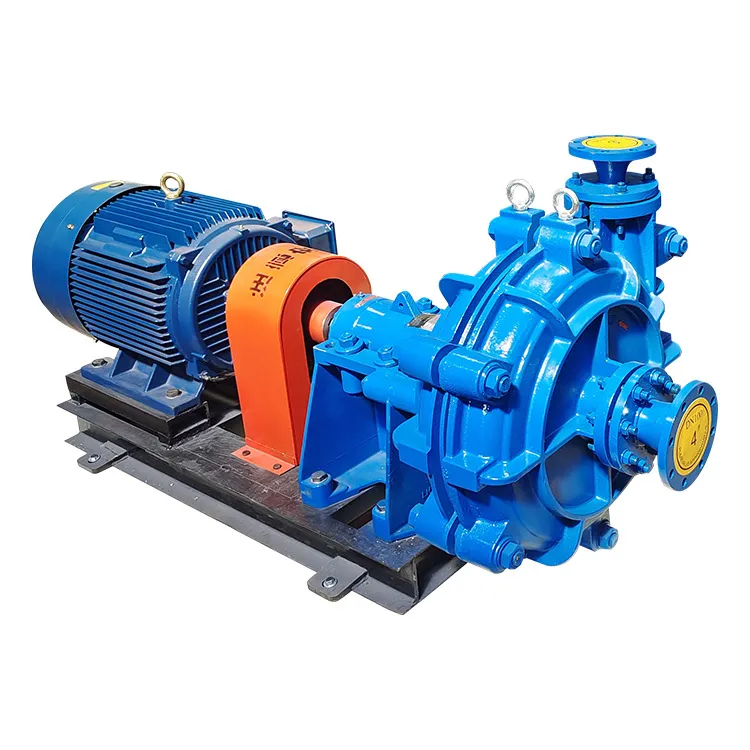
Introduction
Septic tank pumps, also known as effluent pumps, are critical components in wastewater treatment systems serving properties not connected to centralized sewage networks. These submersible pumps facilitate the transfer of pre-treated wastewater from the septic tank to a subsequent treatment stage, typically a drain field or advanced treatment unit. Their technical position within the wastewater management chain is pivotal, bridging the anaerobic digestion process occurring in the septic tank with the soil-based or mechanical treatment required for complete purification. Core performance characteristics include flow rate (gallons per minute or liters per minute), head (vertical lift capacity in feet or meters), horsepower (power consumption), and solids handling capability (diameter of solids the pump can process without clogging). The increasing demand for decentralized wastewater solutions and stricter environmental regulations necessitate robust and reliable septic tank pumps designed for long-term performance and minimal maintenance. A primary industry pain point is pump failure due to solids buildup, corrosion, and inadequate motor protection, leading to costly repairs and potential environmental contamination.
Material Science & Manufacturing
Septic tank pumps are predominantly constructed from materials selected for their corrosion resistance and durability in a harsh wastewater environment. Pump housings are commonly manufactured from engineered thermoplastics such as polypropylene or high-density polyethylene (HDPE), offering excellent chemical resistance to hydrogen sulfide, sulfates, and other corrosive compounds found in sewage. Impellers and volute components are often made from stainless steel (304 or 316 grades) or similarly resistant alloys, prioritizing resistance to abrasive solids and erosion. Shafts typically utilize stainless steel for strength and corrosion resistance. Seals are frequently composed of materials like Viton or Buna-N, chosen for their compatibility with wastewater and their ability to maintain a watertight barrier. Manufacturing processes involve injection molding for thermoplastic components, investment casting or machining for metallic parts, and robotic welding for assembling pump structures. Critical parameters in manufacturing include dimensional accuracy to ensure proper impeller-volute clearance, weld integrity to prevent structural failure, and seal installation torque to maintain watertightness. Motor stators are encapsulated in epoxy resin for electrical insulation and protection against moisture ingress. Quality control throughout the manufacturing process includes hydrostatic testing to verify housing integrity, electrical safety testing to ensure proper grounding and insulation, and performance testing to validate flow rate and head capabilities.
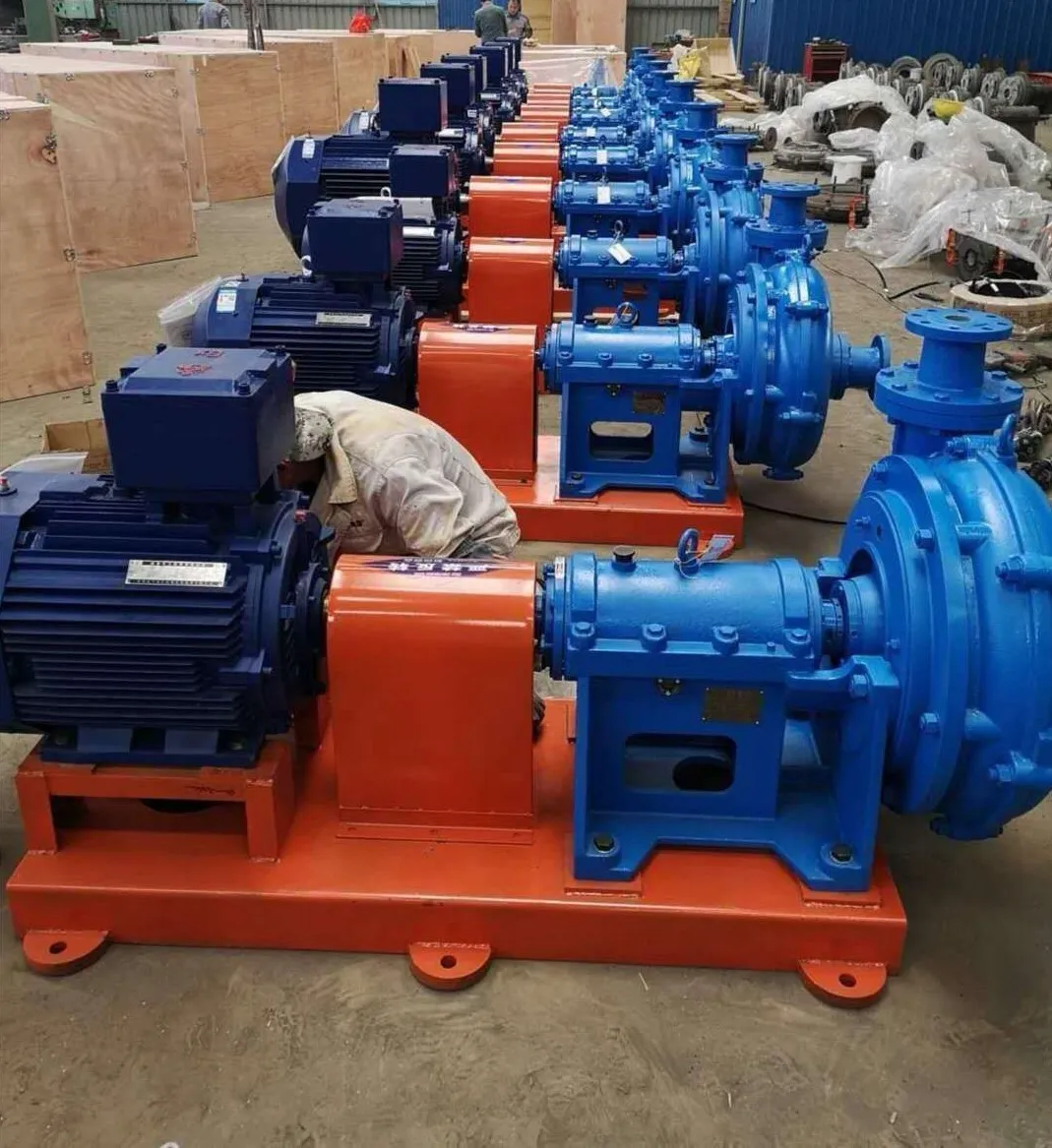
Performance & Engineering
The performance of a septic tank pump is governed by principles of fluid dynamics and pump affinity laws. Force analysis focuses on hydraulic forces exerted on the impeller, radial loads on the bearings, and axial thrust generated by the volute. Pump curves illustrate the relationship between flow rate, head, and efficiency. Pump selection must account for the total dynamic head (TDH), which encompasses static lift, friction losses in the discharge piping, and pressure requirements at the destination (e.g., drain field). Environmental resistance is critical; pumps must withstand continuous immersion in corrosive wastewater and fluctuating temperatures. Compliance requirements are driven by local and national regulations regarding wastewater discharge, such as NSF/ANSI Standard 40 for septic tank components and EPA guidelines for wastewater treatment. Functional implementation involves proper pump sizing, adequate basin volume, and appropriate control systems (e.g., float switches, pressure transducers) to prevent pump cycling and ensure efficient operation. The impeller design (vortex, recessed, or solids-handling) significantly influences the pump's ability to handle solids without clogging. Motor horsepower is determined by the required flow rate and head, factoring in pump efficiency and system losses. Proper venting of the pump basin is essential to prevent pressure buildup and ensure optimal pump performance. Corrosion mitigation strategies include cathodic protection for metallic components and the use of corrosion-inhibiting coatings.
Technical Specifications
| Parameter | Typical Range (Residential Application) | Typical Range (Commercial Application) | Units |
|---|---|---|---|
| Flow Rate | 40-100 | 100-300 | Gallons Per Minute (GPM) |
| Total Dynamic Head (TDH) | 10-30 | 30-80 | Feet |
| Horsepower (HP) | 1/2 - 1 | 1 - 5 | HP |
| Solids Handling Capability | Up to 2 inches | Up to 3 inches | Diameter |
| Voltage | 115/230 | 230/460 | Volts AC |
| Phase | Single | Three | - |
Failure Mode & Maintenance
Common failure modes in septic tank pumps include impeller clogging due to solids buildup, seal failure leading to water leakage and motor damage, motor burnout caused by overheating or voltage fluctuations, and corrosion of metallic components. Failure analysis often reveals that impeller clogging is the most frequent cause of pump failure, particularly in systems with inadequate pre-filtration. Seal failure can result from abrasive wear, chemical degradation of seal materials, or improper installation. Motor burnout can occur due to insufficient cooling, overload conditions, or voltage spikes. Corrosion is accelerated by exposure to hydrogen sulfide and other corrosive substances. Preventative maintenance is crucial for extending pump life. Regular inspection and cleaning of the pump basin to remove accumulated solids are essential. Periodic inspection of seals and replacement as needed prevent leakage. Monitoring motor amperage and voltage ensures proper operation and identifies potential electrical issues. Lubricating bearings (if applicable) reduces friction and wear. Consideration should be given to installing a pump alarm system to alert operators to pump failures or abnormal operating conditions. When replacing a pump, ensure the new unit is appropriately sized for the application and compatible with the existing system components. Proper grounding and overcurrent protection are vital for electrical safety and pump longevity.
Industry FAQ
Q: What is the optimal pump sizing methodology for a new septic system installation?
A: Optimal pump sizing requires a comprehensive assessment of the system's hydraulic profile. This involves accurately determining the total dynamic head (TDH), accounting for static lift, friction losses in the piping network, and pressure requirements at the drain field. Flow rate calculations should consider daily wastewater flow volume, peak flow rates, and the drain field's absorption capacity. It is generally advisable to consult with a qualified septic system designer to ensure proper pump selection and avoid oversizing or undersizing, which can lead to inefficient operation and premature pump failure.
Q: How can I mitigate the risk of impeller clogging in a septic tank pump?
A: Minimizing impeller clogging requires a multi-faceted approach. Installing a pre-filter in the pump basin effectively removes larger solids before they reach the pump. Regular cleaning of the pump basin to remove accumulated sludge and debris is crucial. Selecting a pump with a recessed or solids-handling impeller design improves its ability to process solids without clogging. Avoiding excessive pump cycling by implementing appropriate control systems (e.g., float switches with differential settings) prevents the pump from repeatedly starting and stopping, which can exacerbate clogging issues.
Q: What are the key considerations for selecting a pump material that offers long-term corrosion resistance?
A: Corrosion resistance is paramount in septic tank pump applications. Stainless steel (304 or 316 grade) is a widely used material for pump components exposed to corrosive wastewater. Engineered thermoplastics like polypropylene and HDPE offer excellent chemical resistance to hydrogen sulfide and other corrosive compounds. Viton or Buna-N seals provide reliable sealing performance in wastewater environments. Consider the specific chemical composition of the wastewater when selecting pump materials, as certain substances may be more aggressive than others. Protective coatings, such as epoxy resin encapsulation, can enhance corrosion resistance.
Q: What are the advantages and disadvantages of using a vortex impeller versus a recessed impeller in a septic tank pump?
A: Vortex impellers excel at handling solids-laden wastewater due to their open design, which allows solids to pass through the impeller without significant abrasion. However, vortex impellers generally have lower efficiency and head compared to recessed impellers. Recessed impellers offer higher efficiency and head but are more susceptible to clogging if the wastewater contains excessive solids. The choice between a vortex and recessed impeller depends on the specific application and the level of solids present in the wastewater.
Q: What maintenance schedule is recommended for a typical septic tank pump installation?
A: A recommended maintenance schedule includes: monthly visual inspection of the pump basin for excessive sludge buildup; quarterly inspection of pump seals for leaks or damage; annual pump cleaning and inspection; and biennial motor amperage and voltage checks. Periodic testing of the pump’s flow rate and head performance can identify potential degradation in pump efficiency. Replacing the pump every 5-7 years is a prudent preventative measure, even if no major issues have been observed, to ensure continued reliable operation and avoid unexpected failures.
Conclusion
Septic tank pumps are indispensable components of decentralized wastewater treatment systems, demanding careful consideration of material science, engineering principles, and operational parameters. Successful pump selection and implementation hinge on accurate assessment of the system's hydraulic profile, appropriate material choices for corrosion resistance, and proactive preventative maintenance practices. Addressing industry pain points related to impeller clogging, seal failure, and motor burnout through robust design features and regular maintenance minimizes downtime and ensures long-term system reliability.
The future of septic tank pump technology will likely involve advancements in pump control systems, such as smart pumps with remote monitoring and diagnostic capabilities. Further development of corrosion-resistant materials and improved impeller designs will enhance pump longevity and efficiency. Increased emphasis on energy efficiency and sustainable wastewater management practices will drive demand for pumps optimized for minimal energy consumption and reduced environmental impact. Adherence to evolving industry standards and regulations will remain critical for ensuring the safe and effective operation of septic tank pump systems.
-
Comprehensive Guide to Waterproof ORings for Optimal Sealing Solutions
News2026-06-09
-
Septic Pump Replacement Performance Analysis
News2026-06-10
-
Septic Pump Price Performance Analysis
News2026-06-10
-
pumps for septic systems Material Science Manufacturing
News2026-06-10
-
ejector pumps for basement bathrooms Performance Analysis
News2026-06-10
-
Ejector Pump Cost Analysis
News2026-06-10
-
drainage pumps Performance and Engineering
News2026-06-09
-
basement bathroom ejector pump Material Science
News2026-06-09
-
Sewer Ejector Pump Cost Performance Analysis
News2026-06-09
-
Septic Tank Pump Replacement Performance Analysis
News2026-06-09
-
septic sump pump Performance and Engineering
News2026-06-09
-
Septic Pump System Performance Analysis
News2026-06-08
-
pump for septic Material Science
News2026-06-08
-
basement sewer pump Performance Analysis
News2026-06-08
-
submerged pump Performance Engineering
News2026-06-08




