English
- Afrikaans
- Albanian
- Amharic
- Arabic
- Armenian
- Azerbaijani
- Basque
- Belarusian
- Bengali
- Bosnian
- Bulgarian
- Catalan
- Cebuano
- Corsican
- Croatian
- Czech
- Danish
- Dutch
- English
- Esperanto
- Estonian
- Finnish
- French
- Frisian
- Galician
- Georgian
- German
- Greek
- Gujarati
- Haitian Creole
- hausa
- hawaiian
- Hebrew
- Hindi
- Miao
- Hungarian
- Icelandic
- igbo
- Indonesian
- irish
- Italian
- Japanese
- Javanese
- Kannada
- kazakh
- Khmer
- Rwandese
- Korean
- Kurdish
- Kyrgyz
- Lao
- Latin
- Latvian
- Lithuanian
- Luxembourgish
- Macedonian
- Malgashi
- Malay
- Malayalam
- Maltese
- Maori
- Marathi
- Mongolian
- Myanmar
- Nepali
- Norwegian
- Norwegian
- Occitan
- Pashto
- Persian
- Polish
- Portuguese
- Punjabi
- Romanian
- Russian
- Samoan
- Scottish Gaelic
- Serbian
- Sesotho
- Shona
- Sindhi
- Sinhala
- Slovak
- Slovenian
- Somali
- Spanish
- Sundanese
- Swahili
- Swedish
- Tagalog
- Tajik
- Tamil
- Tatar
- Telugu
- Thai
- Turkish
- Turkmen
- Ukrainian
- Urdu
- Uighur
- Uzbek
- Vietnamese
- Welsh
- Bantu
- Yiddish
- Yoruba
- Zulu

Telephone: +86 13120555503
Email: frank@cypump.com


Apr . 01, 2024 17:55 Back to list
pump for septic system Material Science Manufacturing
Introduction
Septic system pumps, integral to wastewater management in locations lacking municipal sewer connections, represent a critical component in maintaining environmental health and sanitation. These pumps facilitate the transfer of effluent from the septic tank to the drainfield, overcoming elevation differences or distance limitations. Their functionality relies on submersible designs engineered for continuous operation in harsh, corrosive environments. The industry chain positions these pumps downstream from septic tank manufacturing and drainfield construction, relying on materials science advancements in corrosion-resistant alloys and polymer engineering. Core performance metrics center around flow rate (gallons per minute - GPM), total dynamic head (TDH - measured in feet), horsepower (HP), and solids handling capability, all dictating suitability for specific system sizes and soil conditions. A prevalent industry pain point revolves around pump failure due to solids accumulation, corrosion, and inadequate system sizing leading to premature wear and costly replacements. Ensuring proper pump selection, installation, and preventative maintenance is paramount for reliable and long-term system performance.
Material Science & Manufacturing
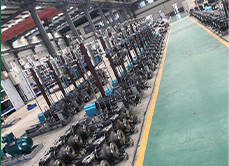
The construction of septic system pumps necessitates a careful selection of materials to withstand prolonged submersion in corrosive wastewater. Pump housings are commonly constructed from cast iron (ASTM A48 Class 30) coated with epoxy or polyurethane for enhanced corrosion resistance. Impellers, responsible for fluid movement, often utilize high-density polyethylene (HDPE) or polypropylene due to their resistance to degradation from hydrogen sulfide and other waste products. Mechanical seals, vital for preventing leakage, typically incorporate silicon carbide faces against a Buna-N or Viton rubber elastomer, chosen for their compatibility with wastewater constituents and abrasive particles. Manufacturing processes predominantly involve sand casting for housings, followed by machining and coating. Impellers are generally produced via injection molding, ensuring dimensional accuracy and consistent performance. The welding of pump components, particularly electrical connections, requires specialized techniques (SMAW or GMAW) using corrosion-resistant filler metals (e.g., stainless steel 304L). Parameter control during injection molding, such as melt temperature, mold pressure, and cooling rate, significantly impacts the impeller’s structural integrity and hydraulic efficiency. Stringent quality control measures, including hydrostatic testing and non-destructive evaluation (NDE) such as radiographic inspection, are essential to verify component integrity and prevent premature failure. The selection of elastomers is crucial; improper material choice leads to swelling, cracking, and seal failure.
Performance & Engineering
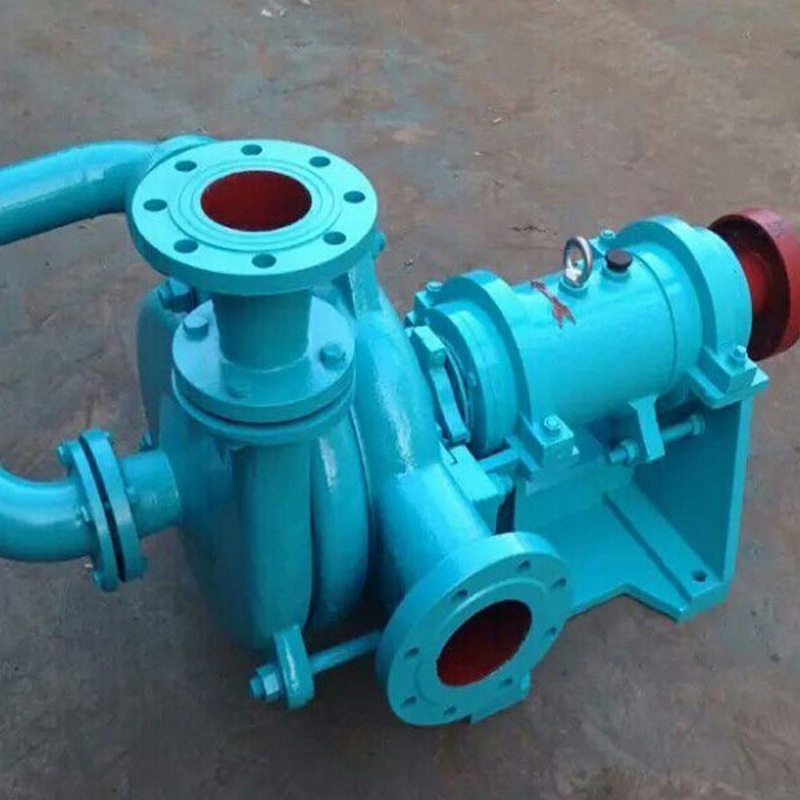
Pump performance is fundamentally governed by hydraulic principles, specifically Bernoulli’s equation and the affinity laws. Force analysis centers on impeller blade design to maximize head and flow rate while minimizing energy consumption. Environmental resistance is a critical consideration, with pumps needing to operate reliably across a wide temperature range (-4°C to 49°C is typical) and withstand potential freezing conditions. Compliance requirements dictate adherence to NSF/ANSI 40 standards for wastewater treatment products, ensuring safety and environmental protection. Engineering design also incorporates solids handling capabilities; pumps are rated based on maximum sphere size (e.g., 2-inch solids handling) and impeller geometry is optimized to prevent clogging. Motor selection is based on the required horsepower, voltage, and phase, with submersible motors typically utilizing a sealed design to prevent water ingress. Pump curves, graphical representations of head versus flow rate, are essential for system design and pump selection. Proper sizing requires accurate assessment of the septic tank effluent volume, drainfield elevation, pipe friction losses, and desired safety factors. Incorrect pump sizing can lead to short-cycling (frequent start-stop cycles) causing premature motor failure, or insufficient flow resulting in drainfield saturation. Proper electrical grounding and overcurrent protection are vital for safe operation and to prevent electrical hazards.
Technical Specifications
| Parameter | Typical Value (Residential Application) | Typical Value (Commercial Application) | Unit |
|---|---|---|---|
| Flow Rate | 60-100 | 200-500 | GPM |
| Total Dynamic Head | 10-30 | 40-80 | Feet |
| Horsepower | 1/2 - 1 | 2 - 5 | HP |
| Solids Handling | 2 | 2 | Inch |
| Voltage | 120/240 | 208-230/460 | VAC |
| Phase | Single | Three | - |
Failure Mode & Maintenance
Septic system pump failures are often attributable to specific modes. Fatigue cracking in the impeller, resulting from repeated stress cycles and solids impact, is common. Delamination of epoxy coatings on the pump housing leads to corrosion and eventual component failure. Degradation of elastomer seals due to chemical attack and abrasive wear causes leakage and reduced pumping efficiency. Oxidation of electrical connections results in intermittent operation or complete failure. Solids buildup within the pump housing and impeller can cause jamming and overheating. Preventative maintenance is crucial. Regular inspection of the pump (at least annually) should include checking for unusual noises or vibrations, verifying seal integrity, and clearing any debris accumulation. Flushing the pump with clean water can remove sediment and prevent clogging. Periodic testing of the float switch ensures proper pump activation and shutdown. Professional maintenance should involve a complete pump disassembly, inspection of all components, replacement of worn parts (seals, bearings, impeller), and re-coating of the housing if necessary. Proper septic tank maintenance, including regular pumping to remove solids, minimizes the load on the pump and extends its lifespan. Ignoring maintenance can result in catastrophic pump failure, drainfield backups, and environmental contamination.
Industry FAQ
Q: What is the expected lifespan of a typical septic system pump?
A: A well-maintained septic system pump typically has a lifespan of 7-10 years. However, this is highly dependent on the system's usage, the quality of wastewater, and the diligence of preventative maintenance. Systems subjected to heavy use, high solids loads, or infrequent maintenance will likely experience shorter lifespans.
Q: What are the key indicators that a septic pump may be failing?
A: Key indicators include frequent pump cycling (short-cycling), unusual noises (grinding, gurgling), reduced flow rate, increased energy consumption, and a noticeable sewage backup. A malfunctioning float switch can also cause erratic pump operation.
Q: How important is pump sizing, and what factors should be considered?
A: Pump sizing is critically important. Undersized pumps will struggle to evacuate the septic tank effectively, leading to drainfield saturation. Oversized pumps can cause excessive wear and tear and potentially damage the drainfield. Factors to consider include the septic tank volume, the vertical lift to the drainfield, the length and diameter of the discharge pipe, and the soil percolation rate.
Q: Can I repair a septic pump myself, or should I always use a professional?
A: While some minor maintenance tasks, such as clearing debris, can be performed by homeowners, most repairs should be left to qualified professionals. Septic system pumps involve electrical components and potentially hazardous materials. Improper repairs can void warranties and pose safety risks.
Q: What is the role of a float switch in a septic pump system?
A: The float switch controls the pump’s on/off cycle. It rises and falls with the liquid level in the septic tank, automatically activating the pump when the liquid reaches a predetermined high level and shutting it off when the level drops. A malfunctioning float switch is a common cause of pump failure or inefficient operation.
Conclusion
The effective operation of a septic system pump is paramount to reliable wastewater management. Careful consideration of material science, manufacturing processes, and hydraulic engineering principles is essential for selecting a pump capable of withstanding the corrosive environment and meeting the specific demands of the application. A robust understanding of potential failure modes and proactive implementation of preventative maintenance practices are vital for maximizing pump lifespan and minimizing costly repairs.
Future advancements in septic pump technology are likely to focus on improved energy efficiency through variable speed drives, remote monitoring capabilities for predictive maintenance, and the development of more durable and corrosion-resistant materials. Adherence to industry standards and best practices remains critical for ensuring the long-term performance and environmental sustainability of septic systems.
-
Comprehensive Guide to Waterproof ORings for Optimal Sealing Solutions
News2026-06-09
-
septic system sump pump Performance Analysis
News2026-06-26
-
septic pump company Performance Analysis
News2026-06-26
-
pumps water treatment Performance Analysis
News2026-06-26
-
pumps for septic tanks Material Science and Manufacturing
News2026-06-26
-
pump for septic system Material Science Manufacturing
News2026-06-26
-
heavy duty submersible pump Performance Analysis
News2026-06-25
-
best submersible pump for septic tank Performance Analysis
News2026-06-25
-
basement sewer ejector pump Performance Analysis
News2026-06-25
-
basement pumps ejector pumps Performance Analysis
News2026-06-25
-
basement lift pump Performance and Engineering
News2026-06-25
-
basement bathroom pump systems Performance Analysis
News2026-06-24
-
basement bathroom ejector pump system Performance Engineering
News2026-06-24
-
2 hp sewage pump Performance Engineering
News2026-06-24
-
1 hp septic pump Performance Engineering
News2026-06-24




