English
- Afrikaans
- Albanian
- Amharic
- Arabic
- Armenian
- Azerbaijani
- Basque
- Belarusian
- Bengali
- Bosnian
- Bulgarian
- Catalan
- Cebuano
- Corsican
- Croatian
- Czech
- Danish
- Dutch
- English
- Esperanto
- Estonian
- Finnish
- French
- Frisian
- Galician
- Georgian
- German
- Greek
- Gujarati
- Haitian Creole
- hausa
- hawaiian
- Hebrew
- Hindi
- Miao
- Hungarian
- Icelandic
- igbo
- Indonesian
- irish
- Italian
- Japanese
- Javanese
- Kannada
- kazakh
- Khmer
- Rwandese
- Korean
- Kurdish
- Kyrgyz
- Lao
- Latin
- Latvian
- Lithuanian
- Luxembourgish
- Macedonian
- Malgashi
- Malay
- Malayalam
- Maltese
- Maori
- Marathi
- Mongolian
- Myanmar
- Nepali
- Norwegian
- Norwegian
- Occitan
- Pashto
- Persian
- Polish
- Portuguese
- Punjabi
- Romanian
- Russian
- Samoan
- Scottish Gaelic
- Serbian
- Sesotho
- Shona
- Sindhi
- Sinhala
- Slovak
- Slovenian
- Somali
- Spanish
- Sundanese
- Swahili
- Swedish
- Tagalog
- Tajik
- Tamil
- Tatar
- Telugu
- Thai
- Turkish
- Turkmen
- Ukrainian
- Urdu
- Uighur
- Uzbek
- Vietnamese
- Welsh
- Bantu
- Yiddish
- Yoruba
- Zulu

Telephone: +86 13120555503
Email: frank@cypump.com


Apr . 01, 2024 17:55 Back to list
pump for septic Material Science
Introduction
Septic pumps are submersible pumps specifically designed for the demanding task of wastewater removal in septic systems. Positioned within a septic tank or lift station, these pumps overcome gravity and topographical challenges to efficiently transfer effluent to a drain field for treatment. Unlike general-purpose pumps, septic pumps are engineered to handle solids-laden wastewater, often incorporating features like vortex impellers or cutting mechanisms to prevent clogging. Their reliable operation is crucial for preventing system failures, environmental contamination, and costly repairs. This guide provides a comprehensive technical overview of septic pumps, encompassing material science, manufacturing processes, performance characteristics, failure modes, and industry standards. Understanding these aspects is essential for informed procurement, proper installation, and effective long-term maintenance.
Material Science & Manufacturing
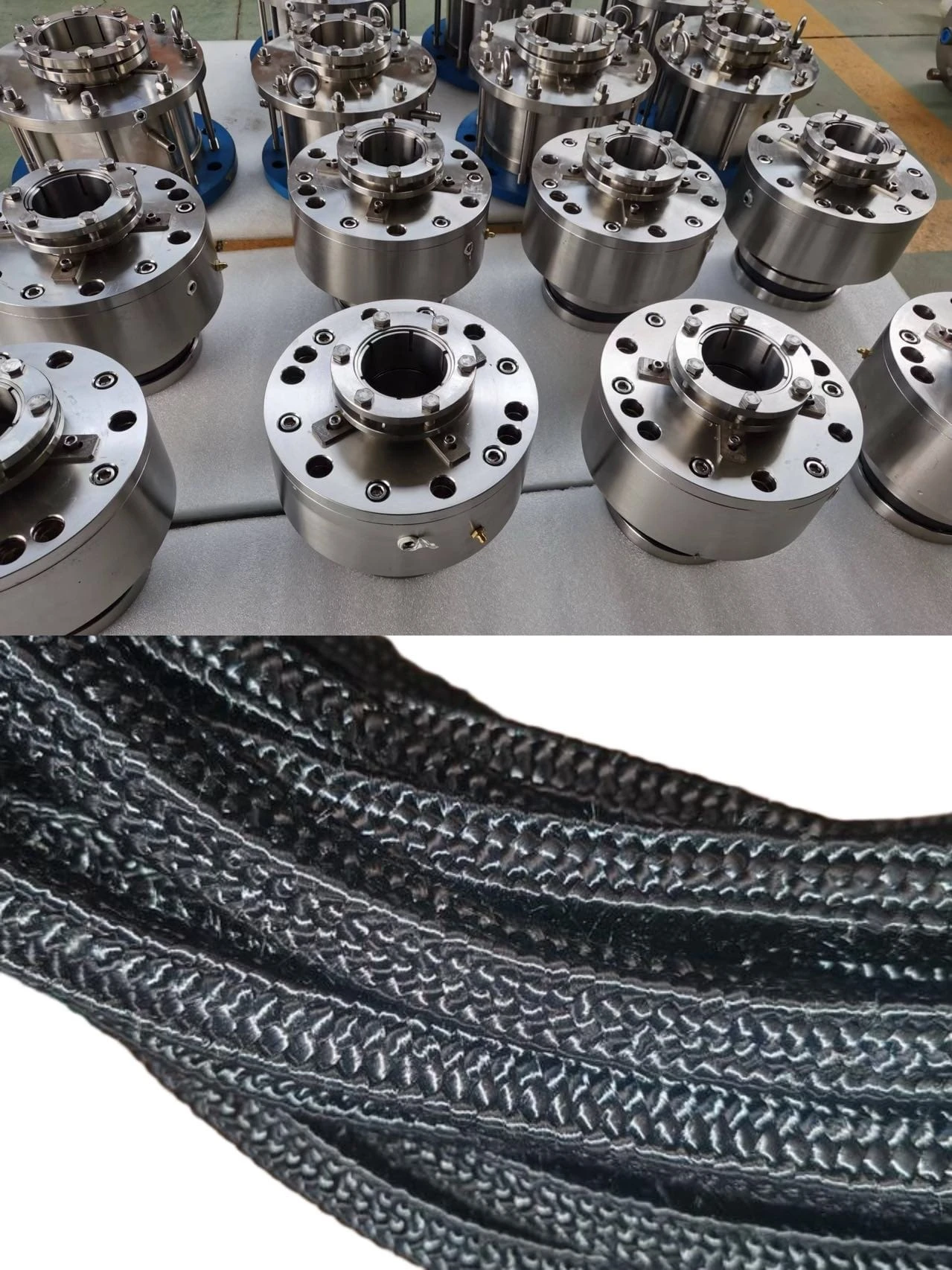
The construction of a septic pump demands materials resistant to the corrosive nature of wastewater and capable of withstanding continuous submerged operation. Pump housings are typically manufactured from cast iron (ASTM A48 Class 30 or higher) due to its durability, weight, and cost-effectiveness. However, for applications with highly aggressive waste streams, stainless steel (304 or 316 grades, meeting ASTM A240) is preferred for its superior corrosion resistance. Impellers, a critical component, are often constructed from high-strength engineered polymers (e.g., glass-filled polypropylene) or stainless steel. Shafts are generally made from 4140 alloy steel, heat-treated for increased tensile strength and wear resistance. Seals are paramount to prevent leakage; silicon carbide mechanical seals are commonly employed for their excellent abrasion resistance and chemical compatibility. Manufacturing processes include sand casting for housings, precision machining for shafts and impellers, and injection molding for polymeric components. Critical parameter control during manufacturing involves dimensional accuracy (verified by coordinate measuring machines - CMM), material hardness testing (Rockwell or Vickers scales), and non-destructive testing (NDT) techniques like radiography to detect internal flaws in castings. Weld quality, if applicable, is assessed using visual inspection and potentially ultrasonic testing to ensure structural integrity. The choice of elastomeric materials (e.g., nitrile rubber, Viton) for seals is crucial, considering temperature range and chemical exposure. Surface treatments like epoxy coating are applied to cast iron housings to enhance corrosion protection.

Performance & Engineering
Septic pump performance is characterized by several key engineering parameters. Head (measured in feet or meters) represents the maximum height the pump can lift the effluent. Flow rate (gallons per minute or liters per second) indicates the volume of wastewater pumped per unit time. These parameters are interdependent, represented by the pump's head-flow curve. Power requirements (horsepower or kilowatts) determine the energy consumption. Pump selection must account for total dynamic head (TDH), which includes static lift (vertical distance to the drain field), friction losses within the piping system, and pressure requirements at the discharge point. Force analysis focuses on impeller design to efficiently convert rotational energy into hydraulic energy while minimizing shear forces that could damage solids. Environmental resistance is critical; pumps must be capable of operating continuously submerged in wastewater, resisting corrosion, and tolerating temperature fluctuations. Compliance requirements are dictated by local and national regulations pertaining to wastewater treatment and discharge, often referencing NSF/ANSI standards for septic components. Furthermore, pump systems often incorporate level sensors (float switches or pressure transducers) and control panels to automate operation, preventing pump dry-running and ensuring efficient system management. Proper electrical grounding (NEC standards) is also essential for safety.
Technical Specifications
| Parameter | Unit | Typical Range (Residential) | Typical Range (Commercial) |
|---|---|---|---|
| Flow Rate | GPM (Gallons Per Minute) | 40-120 | 150-500+ |
| Total Dynamic Head | ft | 20-60 | 60-150+ |
| Motor Horsepower | HP | 1/2 - 1 | 1.5 - 5+ |
| Voltage | V | 120/240 | 208/240/480 |
| Solids Handling Capability | in | Up to 2 | Up to 3+ |
| Discharge Pipe Size | in | 1.25 - 2 | 2 - 4 |
Failure Mode & Maintenance
Septic pump failures typically stem from several common modes. Clogging is a frequent issue, resulting from the accumulation of solids (e.g., rags, debris, grease) around the impeller. This leads to reduced flow, increased motor load, and eventual pump burnout. Cavitation, caused by low inlet pressure, can erode the impeller and housing over time. Corrosion, particularly in cast iron components, weakens structural integrity. Seal failure leads to leakage and potential motor damage. Mechanical failures can involve bearing wear, shaft breakage, or impeller damage. Electrical failures, often caused by moisture ingress or winding insulation breakdown, render the pump inoperable. Preventative maintenance is crucial. Regular inspection (every 6-12 months) should include checking for unusual noise or vibration, monitoring amperage draw, and verifying proper seal operation. Pump stations should be periodically cleaned to remove accumulated solids. Professional maintenance should involve impeller inspection and replacement if worn, seal replacement, and electrical connection verification. Scheduled oil changes (for oil-filled pumps) are essential. In cases of repeated clogging, improvements to the inlet screening or pretreatment processes may be necessary. Failure analysis should involve visual inspection, material testing, and electrical diagnostics to determine the root cause and prevent recurrence.
Industry FAQ
Q: What is the difference between a submersible grinder pump and a septic pump?
A: While both handle wastewater, grinder pumps incorporate a cutting mechanism to macerate solids before pumping, allowing for smaller diameter discharge pipes and longer pumping distances. Septic pumps are designed to pass solids intact, relying on impeller design to prevent clogging. Grinder pumps are typically used in low-pressure sewer systems, while septic pumps serve traditional gravity-fed systems or lift stations.
Q: How do I determine the correct pump size for my septic system?
A: Pump sizing requires calculating the Total Dynamic Head (TDH), considering static lift, friction losses in the piping, and desired pressure at the drain field. You also need to determine the required flow rate based on household size and wastewater generation rates. Consulting with a qualified septic system professional is recommended for accurate sizing.
Q: What is the expected lifespan of a septic pump?
A: The lifespan varies based on usage, maintenance, and wastewater characteristics. Typically, a well-maintained septic pump can last 7-10 years. However, harsh conditions (e.g., high solids content, corrosive wastewater) can shorten the lifespan.
Q: What are the common causes of septic pump failure?
A: Clogging due to solids buildup, cavitation, seal failure, motor burnout, and electrical issues are the most frequent causes. Regular maintenance and proper system design can mitigate these risks.
Q: What type of control system is recommended for a septic pump?
A: A float switch-based control panel is the most common and reliable option. It automatically activates the pump when the liquid level reaches a predetermined point and shuts it off when it drops, preventing dry-running and overflow. More advanced systems use pressure transducers for more precise control.
Conclusion
Septic pumps are vital components of decentralized wastewater treatment systems, requiring careful consideration of material science, engineering principles, and operational best practices. Their durability and efficiency are directly linked to the selection of appropriate materials – cast iron or stainless steel for housings, engineered polymers or stainless steel for impellers, and silicon carbide for seals – coupled with robust manufacturing processes and stringent quality control. Understanding performance characteristics, such as head, flow rate, and power requirements, is essential for proper sizing and system design.
Proactive maintenance, including regular inspections, cleaning, and component replacement, significantly extends pump lifespan and prevents costly failures. Adherence to relevant industry standards and regulations (NSF/ANSI, NEC) ensures safe and environmentally responsible operation. The continued advancement of pump technology, including improved impeller designs and more sophisticated control systems, promises to enhance the reliability and efficiency of septic systems in the future.
-
Comprehensive Guide to Waterproof ORings for Optimal Sealing Solutions
News2026-06-09
-
best sewage ejector pump Performance Engineering
News2026-06-11
-
aerobic septic system pump Performance Analysis
News2026-06-11
-
Sumergible Pump Performance Analysis
News2026-06-11
-
ejector pump for basement Performance Engineering
News2026-06-11
-
sewer lift pump Performance Engineering
News2026-06-11
-
Septic Pump Replacement Performance Analysis
News2026-06-10
-
Septic Pump Price Performance Analysis
News2026-06-10
-
pumps for septic systems Material Science Manufacturing
News2026-06-10
-
ejector pumps for basement bathrooms Performance Analysis
News2026-06-10
-
Ejector Pump Cost Analysis
News2026-06-10
-
drainage pumps Performance and Engineering
News2026-06-09
-
basement bathroom ejector pump Material Science
News2026-06-09
-
Sewer Ejector Pump Cost Performance Analysis
News2026-06-09
-
Septic Tank Pump Replacement Performance Analysis
News2026-06-09




