English
- Afrikaans
- Albanian
- Amharic
- Arabic
- Armenian
- Azerbaijani
- Basque
- Belarusian
- Bengali
- Bosnian
- Bulgarian
- Catalan
- Cebuano
- Corsican
- Croatian
- Czech
- Danish
- Dutch
- English
- Esperanto
- Estonian
- Finnish
- French
- Frisian
- Galician
- Georgian
- German
- Greek
- Gujarati
- Haitian Creole
- hausa
- hawaiian
- Hebrew
- Hindi
- Miao
- Hungarian
- Icelandic
- igbo
- Indonesian
- irish
- Italian
- Japanese
- Javanese
- Kannada
- kazakh
- Khmer
- Rwandese
- Korean
- Kurdish
- Kyrgyz
- Lao
- Latin
- Latvian
- Lithuanian
- Luxembourgish
- Macedonian
- Malgashi
- Malay
- Malayalam
- Maltese
- Maori
- Marathi
- Mongolian
- Myanmar
- Nepali
- Norwegian
- Norwegian
- Occitan
- Pashto
- Persian
- Polish
- Portuguese
- Punjabi
- Romanian
- Russian
- Samoan
- Scottish Gaelic
- Serbian
- Sesotho
- Shona
- Sindhi
- Sinhala
- Slovak
- Slovenian
- Somali
- Spanish
- Sundanese
- Swahili
- Swedish
- Tagalog
- Tajik
- Tamil
- Tatar
- Telugu
- Thai
- Turkish
- Turkmen
- Ukrainian
- Urdu
- Uighur
- Uzbek
- Vietnamese
- Welsh
- Bantu
- Yiddish
- Yoruba
- Zulu

Telephone: +86 13120555503
Email: frank@cypump.com


Apr . 01, 2024 17:55 Back to list
pump double suction Performance Analysis
Introduction
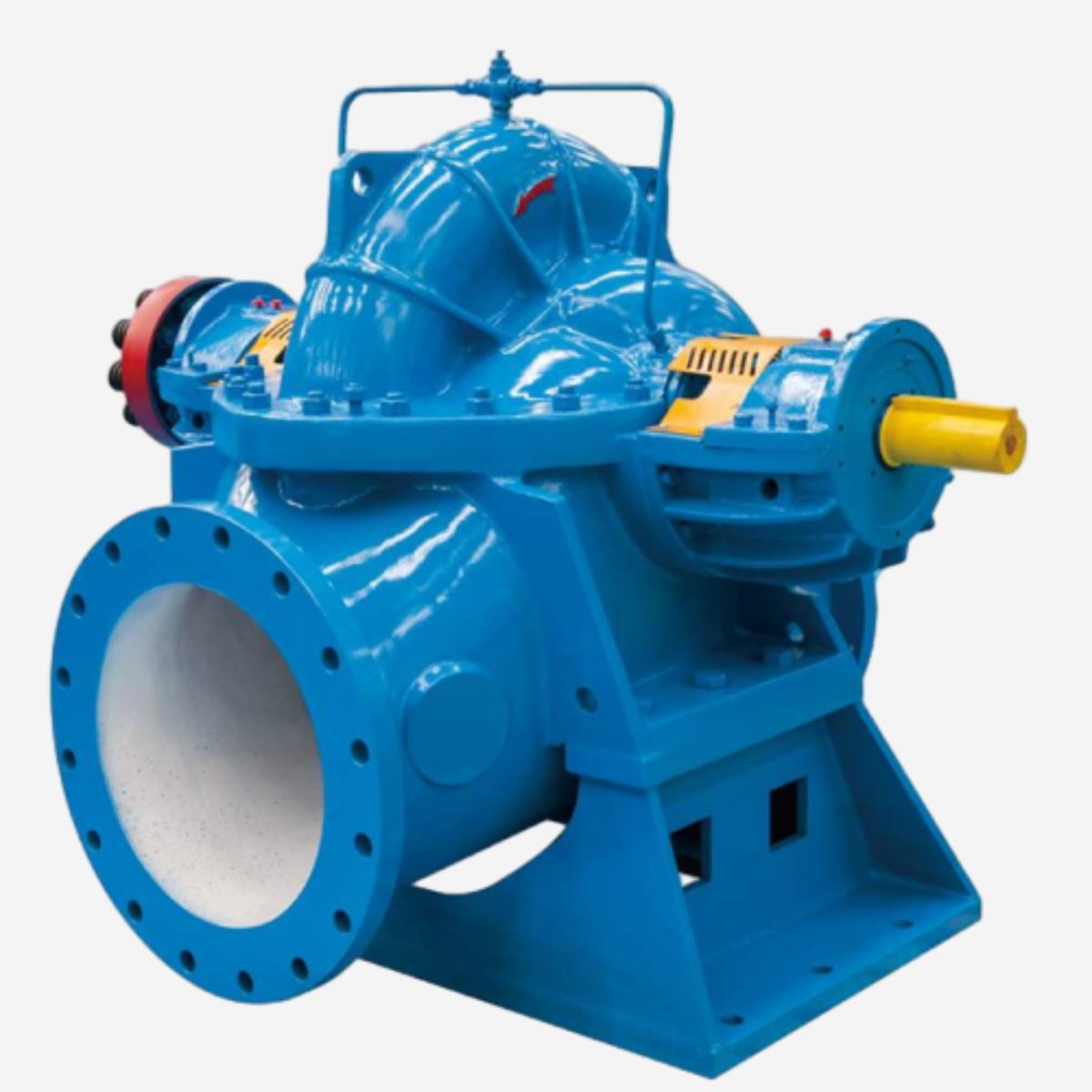
Double suction pumps are a critical component in numerous industrial fluid transfer applications, representing a significant segment of the centrifugal pump market. Positioned within the fluid handling chain between power sources and process systems, these pumps are characterized by their ability to draw fluid from two points simultaneously, enhancing efficiency and reducing axial thrust. Core performance metrics include flow rate (typically measured in gallons per minute or cubic meters per hour), head (expressed in feet or meters), and power consumption. Their adoption is driven by the need for robust, high-capacity fluid movement in water supply, wastewater treatment, power generation, and process industries. The primary advantage of the double suction design is its ability to handle higher flow rates than single suction pumps of comparable size and speed, minimizing hydraulic imbalances and extending pump life. This guide provides a comprehensive technical overview of double suction pumps, encompassing materials, manufacturing, performance, failure analysis, and relevant industry standards.
Material Science & Manufacturing
The construction of a double suction pump necessitates careful material selection based on the fluid being pumped and the operating environment. Common materials include cast iron (ASTM A48 Class 30 for casings), ductile iron (ASTM A536-85 for impellers), and stainless steel (304, 316, or duplex grades for corrosive environments). Impeller materials are critical, influencing corrosion resistance and erosion performance. Manufacturing typically begins with sand casting or investment casting for the casing and impeller. Impellers often undergo precision machining to ensure accurate blade profiles and balance. Shaft materials commonly utilize alloy steel (4140 or similar) for high tensile strength and fatigue resistance, undergoing heat treatment processes like quenching and tempering. Sealing components, vital for preventing leakage, commonly employ materials like Viton (fluoroelastomer), EPDM (ethylene propylene diene monomer rubber), or PTFE (polytetrafluoroethylene) for chemical compatibility. Welding processes, specifically shielded metal arc welding (SMAW) or gas tungsten arc welding (GTAW), are employed for joining casing sections, requiring strict adherence to welding procedures (AWS D1.1) to ensure structural integrity. Balancing of the impeller is crucial during manufacturing to minimize vibration and ensure smooth operation, adhering to standards like ISO 1940-1. Parameter control focuses on dimensional accuracy of components, surface finish to minimize friction losses, and heat treatment cycles to achieve desired mechanical properties.
Performance & Engineering
Double suction pump performance is governed by fluid dynamics and mechanical engineering principles. The pump’s capacity is determined by the impeller diameter, rotational speed, and fluid viscosity. Force analysis involves calculating radial and axial thrust forces generated by the fluid flow. Axial thrust, inherent in single-stage centrifugal pumps, is significantly reduced in double suction designs due to the balanced hydraulic forces acting on either side of the impeller. Hydraulic Institute (HI) standards define pump performance curves depicting flow rate versus head, efficiency, and power requirements. Environmental resistance considerations include temperature extremes, humidity, and exposure to corrosive elements. Material selection and protective coatings (epoxy, polyurethane) are crucial for mitigating degradation. Compliance requirements encompass API 610 for centrifugal pumps used in the petroleum, petrochemical, and natural gas industries, dictating design, testing, and documentation standards. Functional implementation necessitates careful system design, including suction and discharge piping, net positive suction head available (NPSHa) calculation to prevent cavitation, and proper alignment of the pump and driver (motor or turbine). Cavitation, a critical failure mechanism, occurs when the absolute pressure at the impeller inlet falls below the fluid’s vapor pressure, forming vapor bubbles that collapse and cause erosion. Pump curves and system curves must be analyzed to ensure operation within the pump's stable operating region.
Technical Specifications
| Parameter | Unit | Typical Value (Range) | Standard Test Method |
|---|---|---|---|
| Flow Rate | GPM (US) | 500 - 10,000 | ANSI/HI 1.1 |
| Total Dynamic Head | ft | 50 - 500 | ANSI/HI 1.3 |
| Pump Efficiency | % | 70 - 85 | ANSI/HI 1.6 |
| Suction Specific Speed (Nss) | - | 5,000 - 15,000 | ANSI/HI 1.5 |
| Maximum Operating Pressure | psi | 150 - 250 | ASME Section VIII Div. 1 |
| Temperature Range | °F | -20 to 250 | Material Dependent |
Failure Mode & Maintenance
Double suction pumps are susceptible to several failure modes. Fatigue cracking in the impeller, particularly around the blade roots, can result from cyclical loading and stress concentration. Corrosion, especially in pumps handling aggressive fluids, leads to material degradation and reduced component thickness. Erosion, caused by abrasive particles in the fluid, damages impeller blades and casing surfaces. Seal failure results in leakage and potential pump starvation. Bearing failure, often stemming from improper lubrication or contamination, can cause vibration and eventual pump seizure. Delamination of coatings (epoxy, etc.) exposes underlying metal to corrosion. Oxidation, particularly in pumps exposed to air, can cause surface rust and component weakening. Maintenance strategies include routine visual inspections for leaks, corrosion, and unusual noise. Vibration analysis (ISO 10816) can detect bearing wear and imbalance. Oil analysis assesses lubricant condition and identifies wear debris. Impeller balancing ensures smooth operation. Seal replacement is crucial for preventing leakage. Regular flushing of the pump casing removes sediment buildup. Preventive maintenance schedules, based on operating hours and fluid characteristics, are essential for maximizing pump lifespan and minimizing downtime. Non-destructive testing methods like ultrasonic testing (UT) and radiographic testing (RT) can detect internal flaws in critical components.
Industry FAQ
Q: What are the primary differences between a double suction pump and a single suction pump in terms of NPSH requirements?
A: Double suction pumps generally have lower NPSH requirements compared to single suction pumps of similar capacity. This is because the fluid enters the impeller from two directions, reducing the velocity and pressure drop at the impeller inlet, thereby minimizing the risk of cavitation. However, the piping configuration and suction specific speed significantly impact NPSH requirements in both pump types.
Q: How does impeller material selection impact the lifespan of a double suction pump handling abrasive fluids?
A: Impeller material plays a crucial role. Standard materials like cast iron are highly susceptible to erosion from abrasive particles. Hardened alloys like high-chrome cast iron, or even ceramic-lined impellers, are recommended for abrasive service. The selection depends on the size, shape, and concentration of the abrasive particles, as well as the fluid velocity.
Q: What is the significance of dynamic balancing for double suction pump impellers?
A: Dynamic balancing is critical to minimize vibration and ensure smooth operation. An imbalanced impeller induces radial forces that stress bearings and pump casing, leading to premature failure. Balancing, performed according to ISO 1940-1, ensures that the impeller’s center of gravity coincides with its axis of rotation, reducing vibration levels and extending pump life.
Q: How often should mechanical seals be inspected and replaced in a typical double suction pump application?
A: The inspection and replacement frequency depend on the fluid being pumped, operating conditions, and seal material. As a general guideline, seals should be inspected annually, and replaced every 2-5 years. However, pumps handling abrasive or corrosive fluids may require more frequent seal replacements. Monitoring seal leakage is a key indicator of seal health.
Q: What are the key considerations when selecting a double suction pump for a wastewater treatment plant?
A: Key considerations include the fluid composition (solids content, pH), potential for clogging, corrosion resistance, and the need for reliable operation. Impeller design (open or semi-open impellers are preferred for handling solids), material selection (stainless steel or coated cast iron), and the pump’s ability to handle varying flow rates are all critical factors. Consideration of submersible pump designs may also be appropriate.
Conclusion
Double suction pumps represent a robust and efficient solution for a wide array of industrial fluid handling applications. Their inherent design features, including balanced hydraulic forces and high flow capacity, position them as a preferred choice for systems demanding reliable performance and longevity. Understanding the intricacies of material science, manufacturing processes, performance characteristics, and potential failure modes is paramount for ensuring optimal pump selection, operation, and maintenance.
Continued advancements in pump design, materials, and monitoring technologies will further enhance the reliability and efficiency of double suction pumps. The integration of predictive maintenance strategies, utilizing data analytics and machine learning, promises to minimize downtime and optimize operating costs. Adherence to established industry standards, such as those defined by ANSI, API, and ISO, remains crucial for ensuring quality, safety, and interoperability.
-
Comprehensive Guide to Waterproof ORings for Optimal Sealing Solutions
News2026-06-09
-
Septic Pump System Performance Analysis
News2026-06-08
-
pump for septic Material Science
News2026-06-08
-
basement sewer pump Performance Analysis
News2026-06-08
-
submerged pump Performance Engineering
News2026-06-08
-
Septic System Pumps Performance Analysis
News2026-06-08
-
septic system pump Material Science and Manufacturing
News2026-06-07
-
pump for septic tank Material Science Manufacturing
News2026-06-07
-
submersible sewage pump Material Science
News2026-06-07
-
Sewage Ejector Material Science and Manufacturing
News2026-06-07
-
Ejection Pump Material Science
News2026-06-07
-
pump submersible Performance Analysis
News2026-06-06
-
ejector pumps Performance Engineering
News2026-06-06
-
basement ejector pump Material Science Manufacturing
News2026-06-06
-
Septic Tanks Pumping Performance Analysis
News2026-06-06




