English
- Afrikaans
- Albanian
- Amharic
- Arabic
- Armenian
- Azerbaijani
- Basque
- Belarusian
- Bengali
- Bosnian
- Bulgarian
- Catalan
- Cebuano
- Corsican
- Croatian
- Czech
- Danish
- Dutch
- English
- Esperanto
- Estonian
- Finnish
- French
- Frisian
- Galician
- Georgian
- German
- Greek
- Gujarati
- Haitian Creole
- hausa
- hawaiian
- Hebrew
- Hindi
- Miao
- Hungarian
- Icelandic
- igbo
- Indonesian
- irish
- Italian
- Japanese
- Javanese
- Kannada
- kazakh
- Khmer
- Rwandese
- Korean
- Kurdish
- Kyrgyz
- Lao
- Latin
- Latvian
- Lithuanian
- Luxembourgish
- Macedonian
- Malgashi
- Malay
- Malayalam
- Maltese
- Maori
- Marathi
- Mongolian
- Myanmar
- Nepali
- Norwegian
- Norwegian
- Occitan
- Pashto
- Persian
- Polish
- Portuguese
- Punjabi
- Romanian
- Russian
- Samoan
- Scottish Gaelic
- Serbian
- Sesotho
- Shona
- Sindhi
- Sinhala
- Slovak
- Slovenian
- Somali
- Spanish
- Sundanese
- Swahili
- Swedish
- Tagalog
- Tajik
- Tamil
- Tatar
- Telugu
- Thai
- Turkish
- Turkmen
- Ukrainian
- Urdu
- Uighur
- Uzbek
- Vietnamese
- Welsh
- Bantu
- Yiddish
- Yoruba
- Zulu

Telephone: +86 13120555503
Email: frank@cypump.com


Apr . 01, 2024 17:55 Back to list
pto driven slurry pump an overview Material Science
Introduction
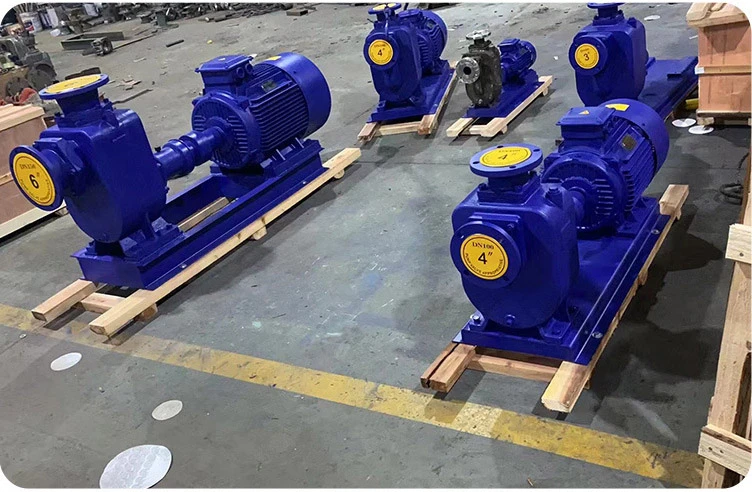
PTO driven slurry pumps represent a critical component in numerous industrial applications demanding the transfer of abrasive or highly viscous fluids. These pumps leverage the power take-off (PTO) from a tractor or engine, offering a self-contained and mobile pumping solution. Their technical positioning within the fluid handling industry chain lies between engine/tractor power output and the specific process requiring slurry transport – agriculture, mining, wastewater treatment, and construction being key examples. Core performance characteristics center around flow rate, head pressure, solids handling capability, and pump efficiency. Unlike electrically driven pumps, PTO units offer independence from grid power, making them invaluable in remote locations or during power outages. However, their performance is directly linked to the PTO’s rotational speed and the prime mover’s capability. A significant challenge within the industry is optimizing pump design and material selection to withstand the severe abrasion associated with slurry transport while maintaining acceptable efficiency levels.
Material Science & Manufacturing
The construction of a PTO driven slurry pump involves a complex interplay of material science and manufacturing processes. Pump casings are commonly constructed from cast iron (ASTM A48 Class 30) due to its cost-effectiveness and machinability. However, for highly abrasive slurries, high-chromium cast iron (ASTM A532 Grade 1A) or specialized abrasion-resistant alloys are preferred. Impellers, subject to the highest erosive forces, are frequently manufactured from high-chrome alloys, offering enhanced wear resistance. Shafts typically utilize medium carbon steel (AISI 1045) and undergo induction hardening to improve torsional strength and resist fatigue failure. Seals are crucial for preventing leakage and often employ mechanical seals composed of silicon carbide or tungsten carbide faces against a compatible elastomeric sealing element (Viton, EPDM). Manufacturing processes include casting for the casing and impeller, forging for the shaft, and precision machining for all critical components. Welding processes (SMAW or GMAW) are used for fabrication of certain components and require strict adherence to AWS D1.1 standards. Parameter control during casting (cooling rate, sand composition) directly impacts the microstructure and hardness of the casting. Heat treatment processes for the shaft and impeller are critical for achieving the desired mechanical properties. The PTO shaft coupling utilizes standardized splines (ANSI/ASME B92.1) ensuring secure power transmission.
Performance & Engineering
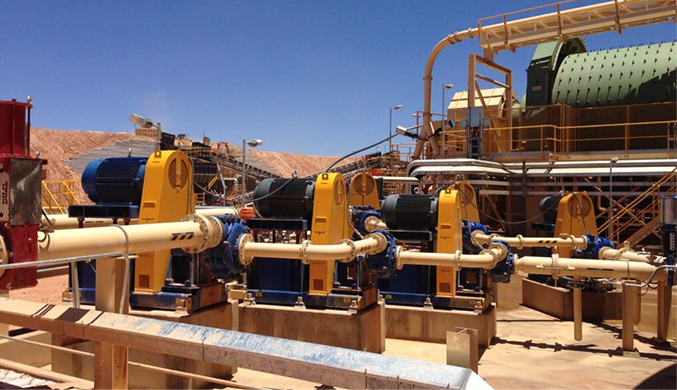
The performance of a PTO driven slurry pump is governed by several engineering principles. Force analysis focuses on understanding the stresses induced by fluid pressure and solids impact on the impeller and casing. Cavitation, a common concern in slurry pumps, occurs when the absolute pressure at the impeller inlet falls below the vapor pressure of the liquid, leading to bubble formation and subsequent implosion, causing erosion. Proper net positive suction head required (NPSHr) calculations (based on ANSI/HI standards) are vital to prevent cavitation. Environmental resistance is crucial, particularly in outdoor applications. Corrosion, especially when handling acidic or alkaline slurries, can lead to component degradation. Selecting corrosion-resistant materials and applying protective coatings (epoxy, polyurethane) are essential. Compliance requirements vary by region, with stringent regulations regarding noise emissions (ISO 12100) and safety standards (EN 1955). The pump’s hydraulic design, including impeller geometry and casing volute shape, significantly impacts efficiency. Factors like impeller diameter, blade angle, and casing clearance are optimized through computational fluid dynamics (CFD) simulations to maximize flow rate and head pressure while minimizing energy consumption. The rotational speed dictated by the PTO directly impacts pump performance curves, requiring careful matching of the pump to the application's needs.
Technical Specifications
| Parameter | Unit | Typical Range (Agricultural PTO) | Typical Range (Industrial PTO) |
|---|---|---|---|
| PTO Rotational Speed | RPM | 540 - 1000 | 540 - 1000 |
| Flow Rate | GPM (LPM) | 50 – 200 (189 – 757) | 100 - 400 (378 – 1514) |
| Maximum Head | ft (m) | 30 – 100 (9 – 30) | 50 - 200 (15 – 60) |
| Solids Handling Capability | in (mm) | Up to 2 (50) | Up to 4 (100) |
| Pump Casing Material | - | Cast Iron, High Chrome Iron | High Chrome Iron, Stainless Steel |
| Impeller Material | - | High Chrome Iron | High Chrome Iron, Rubber Lined |
Failure Mode & Maintenance
PTO driven slurry pumps are susceptible to several failure modes. Erosion, caused by abrasive particles impacting the impeller and casing, is a primary concern. This manifests as gradual material loss, leading to decreased performance and eventual component failure. Fatigue cracking can occur in the shaft due to cyclic stresses induced by the PTO’s rotational forces. Delamination of rubber liners (in rubber-lined pumps) can occur due to bond failure between the rubber and the metal substrate. Oxidation and corrosion affect metallic components, especially in harsh chemical environments. Seal failure leads to leakage and reduced pump efficiency. Maintenance is crucial for extending pump life. Regular visual inspections should be conducted to identify signs of erosion, corrosion, or cracking. Lubrication of bearings is essential to prevent premature wear. Seal replacement should be performed proactively based on operating hours and fluid characteristics. Impeller and casing replacement are inevitable due to wear and are typically scheduled based on performance monitoring. Proper alignment of the pump and PTO shaft is critical to minimize vibration and stress on the bearings and seals. A preventative maintenance schedule based on operating hours and slurry composition is essential for reliable operation.
Industry FAQ
Q: What is the primary advantage of a PTO driven slurry pump over an electric motor driven pump?
A: The key advantage is operational independence. PTO pumps don't require access to an electrical grid, making them ideal for remote locations, emergency situations, or applications where power availability is unreliable. This also eliminates electrical safety concerns in hazardous environments.
Q: How do I determine the appropriate pump size for my slurry application?
A: Pump sizing requires careful consideration of several factors: slurry density, solids concentration, particle size, flow rate requirements, and discharge head pressure. Performing a thorough system analysis and consulting with a pump specialist is highly recommended. Incorrect sizing can lead to premature failure or inefficient operation.
Q: What materials are best suited for handling highly abrasive slurries?
A: High-chrome cast iron alloys are generally the preferred choice due to their exceptional abrasion resistance. For extremely aggressive slurries, tungsten carbide overlays or ceramic linings can provide superior protection. Selecting the correct elastomer for seals and liners is also critical, considering the chemical compatibility of the slurry.
Q: What are the common causes of cavitation in a slurry pump, and how can it be prevented?
A: Cavitation is typically caused by insufficient NPSH (Net Positive Suction Head) available at the pump inlet. This can be addressed by increasing the suction lift, reducing slurry temperature, increasing the suction pipe diameter, or lowering the pump’s operating speed. Proper system design and pump selection are essential to prevent cavitation.
Q: What maintenance procedures are crucial for prolonging the lifespan of a PTO driven slurry pump?
A: Regular visual inspections for wear and corrosion, proper lubrication of bearings, seal replacement based on operating hours, alignment checks of the pump and PTO shaft, and monitoring of pump performance (flow rate, pressure) are all critical maintenance procedures. Keeping detailed maintenance logs is also highly recommended.
Conclusion
PTO driven slurry pumps are robust and versatile solutions for transporting abrasive fluids in diverse industrial settings. Their inherent portability and independence from electrical grids offer significant advantages in specific applications. However, realizing optimal performance and longevity requires a comprehensive understanding of material science, hydraulic principles, and potential failure modes. Careful pump selection, coupled with a proactive maintenance strategy, is essential for maximizing return on investment and ensuring reliable operation.
Future advancements in this technology will likely focus on developing more abrasion-resistant materials, optimizing impeller designs to minimize erosion, and incorporating smart sensors for predictive maintenance. The integration of variable frequency drives (VFDs) with PTO systems could also provide enhanced control over pump speed and flow rate, further improving efficiency and extending pump life. Ultimately, continued innovation in materials and design will be crucial for meeting the evolving demands of the slurry pumping industry.
-
Precision at the Pump: How Better Machining Protects Flow and Uptime
News2026-11-20
-
Why Pump Reliability Begins Before the First Drop of Fluid
News2026-11-20
-
Beyond the Pump: Designing Safer Access Around Critical Water Infrastructure
News2026-11-20
-
Why Pumping Stations Depend on the Infrastructure Beneath the Pumps
News2026-11-20
-
Beyond the Pump Room: How Smarter Loading Protects Industrial Equipment
News2026-11-19
-
When Pumps Stop: Designing More Resilient Power for Critical Pumping Systems
News2026-11-19
-
The Hidden Role of Dust and Gas Monitoring in Reliable Pump Operations
News2026-11-19
-
The Hidden Role of Mineral Compounds in Extending Industrial Pump Lifespan
News2026-10-12
-
Why Pump System Reliability Depends on Precision Hose Assembly Methods
News2026-09-15
-
How Advanced Imaging Films Are Transforming Pump Component Quality Control
News2026-08-25
-
How Advanced Filtration Protects Pump Systems from Premature Wear and Costly Downtime
News2026-08-25
-
How Steel Material Selection Drives Pump Reliability in Heavy-Duty Systems
News2026-08-25
-
Ensuring Pump System Efficiency: The Role of High-Quality Pipe Fittings and Tubing
News2026-08-24
-
Optimizing Fluid Dynamics and Material Consistency in Industrial Processing
News2026-08-18
-
Innovations and Challenges in Hydraulic Systems for Heavy Machinery
News2026-08-13




