English
- Afrikaans
- Albanian
- Amharic
- Arabic
- Armenian
- Azerbaijani
- Basque
- Belarusian
- Bengali
- Bosnian
- Bulgarian
- Catalan
- Cebuano
- Corsican
- Croatian
- Czech
- Danish
- Dutch
- English
- Esperanto
- Estonian
- Finnish
- French
- Frisian
- Galician
- Georgian
- German
- Greek
- Gujarati
- Haitian Creole
- hausa
- hawaiian
- Hebrew
- Hindi
- Miao
- Hungarian
- Icelandic
- igbo
- Indonesian
- irish
- Italian
- Japanese
- Javanese
- Kannada
- kazakh
- Khmer
- Rwandese
- Korean
- Kurdish
- Kyrgyz
- Lao
- Latin
- Latvian
- Lithuanian
- Luxembourgish
- Macedonian
- Malgashi
- Malay
- Malayalam
- Maltese
- Maori
- Marathi
- Mongolian
- Myanmar
- Nepali
- Norwegian
- Norwegian
- Occitan
- Pashto
- Persian
- Polish
- Portuguese
- Punjabi
- Romanian
- Russian
- Samoan
- Scottish Gaelic
- Serbian
- Sesotho
- Shona
- Sindhi
- Sinhala
- Slovak
- Slovenian
- Somali
- Spanish
- Sundanese
- Swahili
- Swedish
- Tagalog
- Tajik
- Tamil
- Tatar
- Telugu
- Thai
- Turkish
- Turkmen
- Ukrainian
- Urdu
- Uighur
- Uzbek
- Vietnamese
- Welsh
- Bantu
- Yiddish
- Yoruba
- Zulu

Telephone: +86 13120555503
Email: frank@cypump.com


Apr . 01, 2024 17:55 Back to list
pressure pump for pipeline Performance Analysis
Introduction
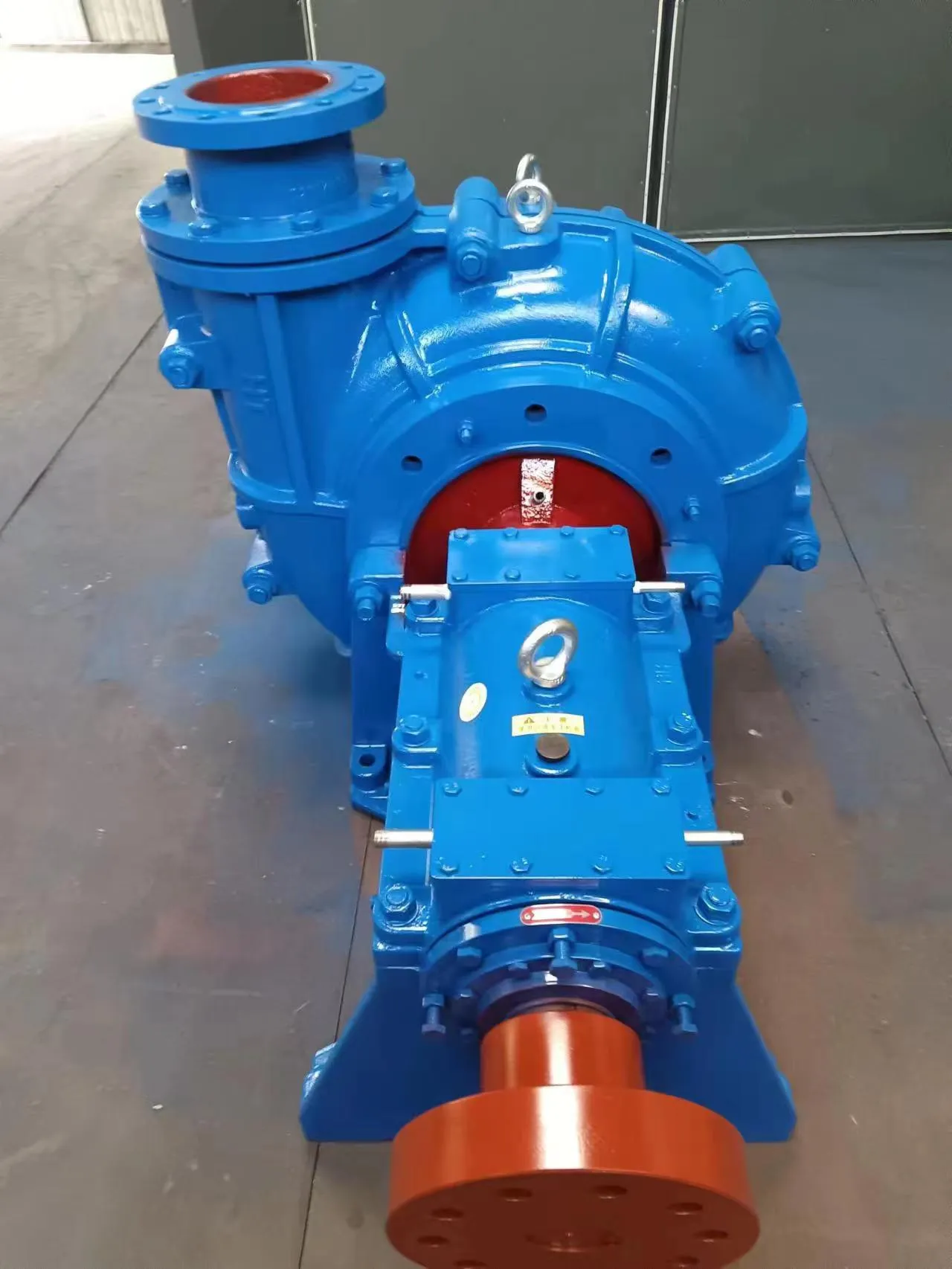
Pressure pumps for pipeline applications represent a critical component in fluid transfer systems across diverse industries including oil & gas, water treatment, chemical processing, and district heating. These pumps are engineered to generate sufficient pressure to overcome frictional losses within the pipeline network and deliver fluids efficiently over significant distances and elevations. Their technical position within the industry chain is situated downstream of fluid source preparation and upstream of the end-use application. Core performance characteristics are defined by flow rate (typically measured in gallons per minute or liters per second), discharge pressure (typically in psi or bar), power consumption, and overall efficiency. Modern pressure pumps leverage various technologies, including centrifugal, positive displacement (reciprocating, rotary), and jet pumps, each suited for specific fluid properties and application demands. A crucial consideration is the Net Positive Suction Head Required (NPSHr), a parameter dictating the minimum inlet pressure to prevent cavitation, a major source of pump failure and reduced performance.
Material Science & Manufacturing
The selection of materials for pressure pumps is paramount, dictated by the fluid being pumped and the operating environment. Pump casings are commonly constructed from cast iron (ASTM A48 Class 30), ductile iron (ASTM A536 65-45-12), or stainless steel (304, 316, duplex grades) for corrosion resistance. Impellers and pump shafts utilize materials such as carbon steel (AISI 1045), alloy steels (4140), or high-nickel alloys (Hastelloy) for strength and wear resistance. Seals employ elastomers like Viton, PTFE, or EPDM, chosen based on chemical compatibility. Manufacturing processes vary depending on pump type. Centrifugal pumps are often produced via investment casting or sand casting for the casing, followed by precision machining. Impellers are frequently manufactured using centrifugal casting or forging. Positive displacement pumps, particularly reciprocating pumps, necessitate tight tolerances in piston and cylinder machining, often utilizing honing techniques to achieve a smooth, leak-proof fit. Rotary pumps involve complex gear or lobe manufacturing requiring high-precision gear cutting and assembly. Welding processes (SMAW, GTAW, GMAW) are critical for joining components, adhering to AWS D1.1 standards for structural welding. Parameter control during manufacturing focuses on dimensional accuracy, surface finish, and material hardness, all impacting pump performance and longevity. Non-destructive testing (NDT) methods like ultrasonic testing (UT) and radiographic testing (RT) are employed to ensure weld integrity and detect internal flaws.
Performance & Engineering
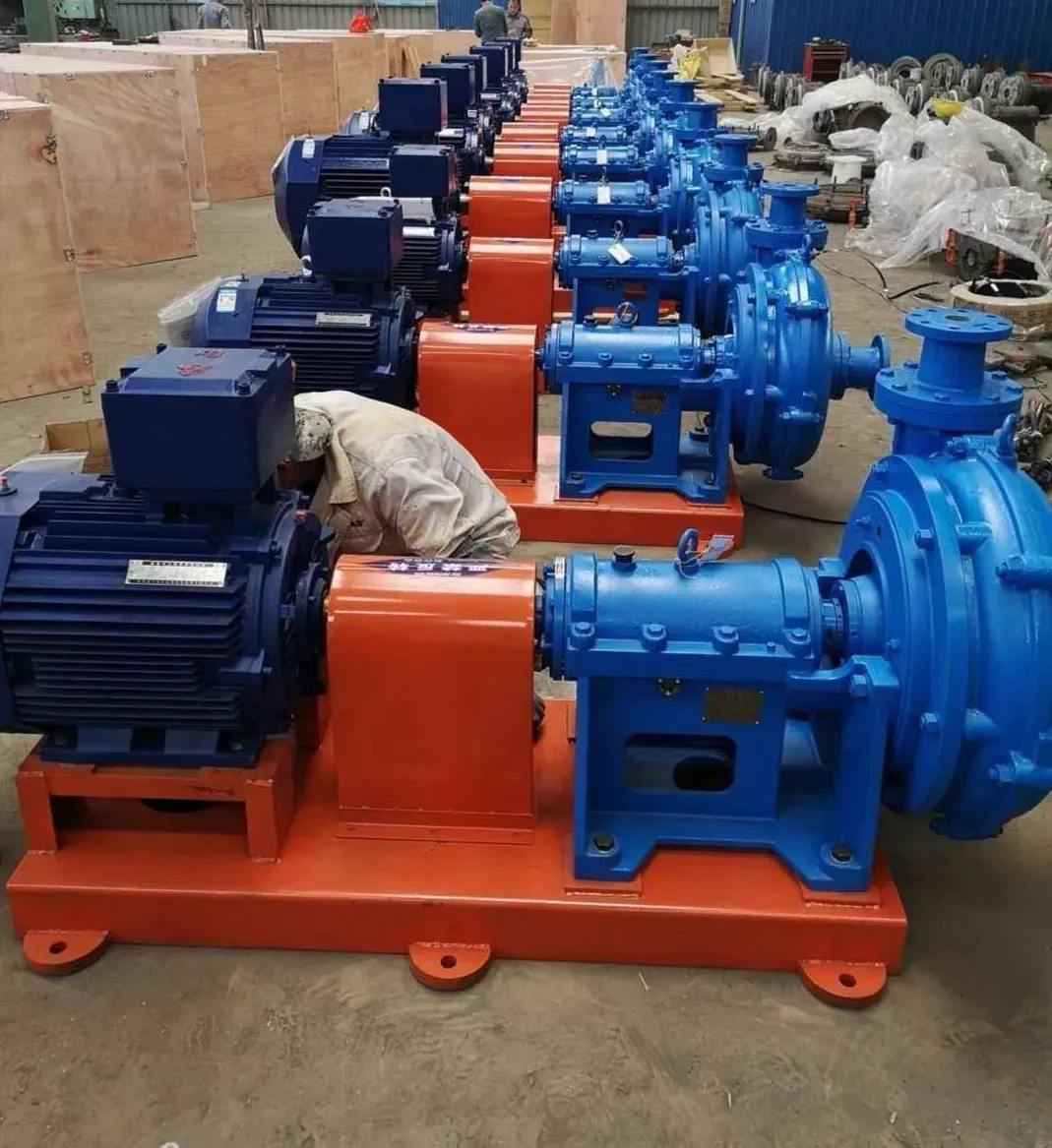
The performance of a pressure pump is fundamentally governed by fluid mechanics principles. Force analysis encompasses hydraulic forces acting on the impeller and casing, requiring robust mechanical design to withstand stress. Pump curves, illustrating flow rate versus head (pressure), are essential for selecting the appropriate pump for a given application. System resistance, including pipe friction, elevation changes, and valve pressure drops, dictates the operating point on the pump curve. Environmental resistance is a critical design consideration. Pumps operating in corrosive environments require specialized coatings (epoxy, polyurethane) or corrosion-resistant alloys. Pumps exposed to extreme temperatures necessitate thermal expansion analysis to prevent stress cracking or seal failure. Compliance requirements vary by region and application. API 610 (Centrifugal Pumps) and API 674 (Positive Displacement Pumps) are widely adopted standards in the oil and gas industry. For potable water applications, NSF/ANSI 61 certification is essential to ensure material safety and prevent contamination. Electrical safety is addressed by IEC 60034-1 (Rotating Electrical Machines) and relevant national electrical codes (NEC, IEC). The hydraulic institute (HI) provides performance standards and testing procedures. Cavitation, caused by insufficient NPSH, leads to impeller erosion and reduced efficiency. Surge analysis is crucial to mitigate pressure transients caused by sudden valve closures or pump start/stop events, preventing damage to the pipeline and pump.
Technical Specifications
| Parameter | Centrifugal Pump | Reciprocating Pump | Rotary Pump (Gear) |
|---|---|---|---|
| Maximum Discharge Pressure | Up to 300 psi | Up to 10,000 psi | Up to 500 psi |
| Maximum Flow Rate | Up to 10,000 gpm | Up to 1,000 gpm | Up to 500 gpm |
| Efficiency (Typical) | 70-85% | 60-75% | 65-80% |
| Fluid Viscosity Range | Low to Medium | Wide Range | Low to Medium |
| Solids Handling Capability | Limited | Good | Limited |
| NPSHr (Typical) | 5-20 ft | 10-40 ft | 10-30 ft |
Failure Mode & Maintenance
Pressure pumps are susceptible to various failure modes. Fatigue cracking in the pump casing or impeller can occur due to cyclic loading. Corrosion, particularly in aggressive fluids, leads to material degradation and reduced structural integrity. Seal failure results in leakage and loss of efficiency. Cavitation causes impeller erosion and pitting. Bearing failure, often due to inadequate lubrication or contamination, leads to increased vibration and eventual pump seizure. Delamination of coatings, caused by poor adhesion or thermal stress, compromises corrosion protection. Oxidation of metal components occurs at high temperatures, weakening the material. Preventive maintenance is crucial. Regular inspection of seals, bearings, and casings is essential. Lubrication schedules must be strictly adhered to. Vibration analysis can detect early signs of bearing failure or imbalance. Periodic performance testing, including flow rate and pressure measurements, identifies deviations from baseline performance. Filter installation protects the pump from abrasive particles. For reciprocating pumps, valve maintenance and cylinder packing replacement are critical. In the event of failure, root cause analysis (RCA) should be performed to identify the underlying issue and prevent recurrence. Techniques like metallurgical analysis and non-destructive testing can assist in RCA.
Industry FAQ
Q: What is the significance of NPSHr in pump selection?
A: Net Positive Suction Head Required (NPSHr) is the minimum absolute pressure required at the pump suction to prevent cavitation. If the available NPSH in the system (NPSHa) is less than the NPSHr, cavitation will occur, leading to impeller damage, noise, and reduced pump performance. Proper NPSHr calculation and system design are crucial for reliable operation.
Q: How does fluid viscosity impact pump selection?
A: Higher fluid viscosity increases frictional losses within the pump and pipeline, requiring a pump with greater power and potentially a different pump type. Centrifugal pumps are less efficient with highly viscous fluids, while positive displacement pumps (rotary, reciprocating) are better suited for such applications.
Q: What are the best materials for a pump handling corrosive chemicals?
A: The material selection depends on the specific chemical being pumped. Stainless steel alloys (316, duplex), Hastelloy, and chemically resistant polymers (PTFE, PVDF) are commonly used. Compatibility charts should be consulted to ensure the material is resistant to the chemical at the operating temperature and pressure.
Q: What is the role of a variable frequency drive (VFD) in pump applications?
A: A VFD allows for precise control of the pump's speed, enabling flow rate adjustments to match demand. This improves energy efficiency, reduces wear and tear on the pump, and prevents pressure surges. VFDs are particularly beneficial in applications with fluctuating flow requirements.
Q: What maintenance procedures are critical for reciprocating pumps?
A: Regular maintenance for reciprocating pumps includes valve inspection and replacement, cylinder packing replacement to prevent leakage, lubrication of all moving parts, and monitoring of piston and cylinder wear. Proper valve operation is critical for pump efficiency and longevity.
Conclusion
Pressure pumps for pipeline systems are complex engineered components requiring careful selection, installation, and maintenance. Understanding the interplay between fluid properties, pump characteristics, and system resistance is fundamental to achieving reliable and efficient operation. Material science dictates longevity and compatibility, while adherence to industry standards (API, ISO) ensures safety and performance.
Advancements in pump technology, including the integration of smart sensors, predictive maintenance algorithms, and energy-efficient designs, are continually improving pump performance and reducing operational costs. Future trends will likely focus on further miniaturization, increased automation, and the development of pumps capable of handling even more challenging fluids and operating conditions. A holistic approach considering the entire pipeline system is essential for optimizing pump performance and minimizing downtime.
-
Comprehensive Guide to Waterproof ORings for Optimal Sealing Solutions
News2026-06-09
-
heavy duty submersible pump Performance Analysis
News2026-06-25
-
best submersible pump for septic tank Performance Analysis
News2026-06-25
-
basement sewer ejector pump Performance Analysis
News2026-06-25
-
basement pumps ejector pumps Performance Analysis
News2026-06-25
-
basement lift pump Performance and Engineering
News2026-06-25
-
basement bathroom pump systems Performance Analysis
News2026-06-24
-
basement bathroom ejector pump system Performance Engineering
News2026-06-24
-
2 hp sewage pump Performance Engineering
News2026-06-24
-
1 hp septic pump Performance Engineering
News2026-06-24
-
submersible effluent pump Performance Analysis
News2026-06-24
-
submergable pump Material Science
News2026-06-23
-
sewer injection pump Performance Engineering
News2026-06-23
-
Sewer Ejector Pump System Performance Analysis
News2026-06-23
-
septic tank pump for sale Performance Engineering
News2026-06-23




