English
- Afrikaans
- Albanian
- Amharic
- Arabic
- Armenian
- Azerbaijani
- Basque
- Belarusian
- Bengali
- Bosnian
- Bulgarian
- Catalan
- Cebuano
- Corsican
- Croatian
- Czech
- Danish
- Dutch
- English
- Esperanto
- Estonian
- Finnish
- French
- Frisian
- Galician
- Georgian
- German
- Greek
- Gujarati
- Haitian Creole
- hausa
- hawaiian
- Hebrew
- Hindi
- Miao
- Hungarian
- Icelandic
- igbo
- Indonesian
- irish
- Italian
- Japanese
- Javanese
- Kannada
- kazakh
- Khmer
- Rwandese
- Korean
- Kurdish
- Kyrgyz
- Lao
- Latin
- Latvian
- Lithuanian
- Luxembourgish
- Macedonian
- Malgashi
- Malay
- Malayalam
- Maltese
- Maori
- Marathi
- Mongolian
- Myanmar
- Nepali
- Norwegian
- Norwegian
- Occitan
- Pashto
- Persian
- Polish
- Portuguese
- Punjabi
- Romanian
- Russian
- Samoan
- Scottish Gaelic
- Serbian
- Sesotho
- Shona
- Sindhi
- Sinhala
- Slovak
- Slovenian
- Somali
- Spanish
- Sundanese
- Swahili
- Swedish
- Tagalog
- Tajik
- Tamil
- Tatar
- Telugu
- Thai
- Turkish
- Turkmen
- Ukrainian
- Urdu
- Uighur
- Uzbek
- Vietnamese
- Welsh
- Bantu
- Yiddish
- Yoruba
- Zulu

Telephone: +86 13120555503
Email: frank@cypump.com


Apr . 01, 2024 17:55 Back to list
portable submersible sewage pump Performance Analysis
Introduction
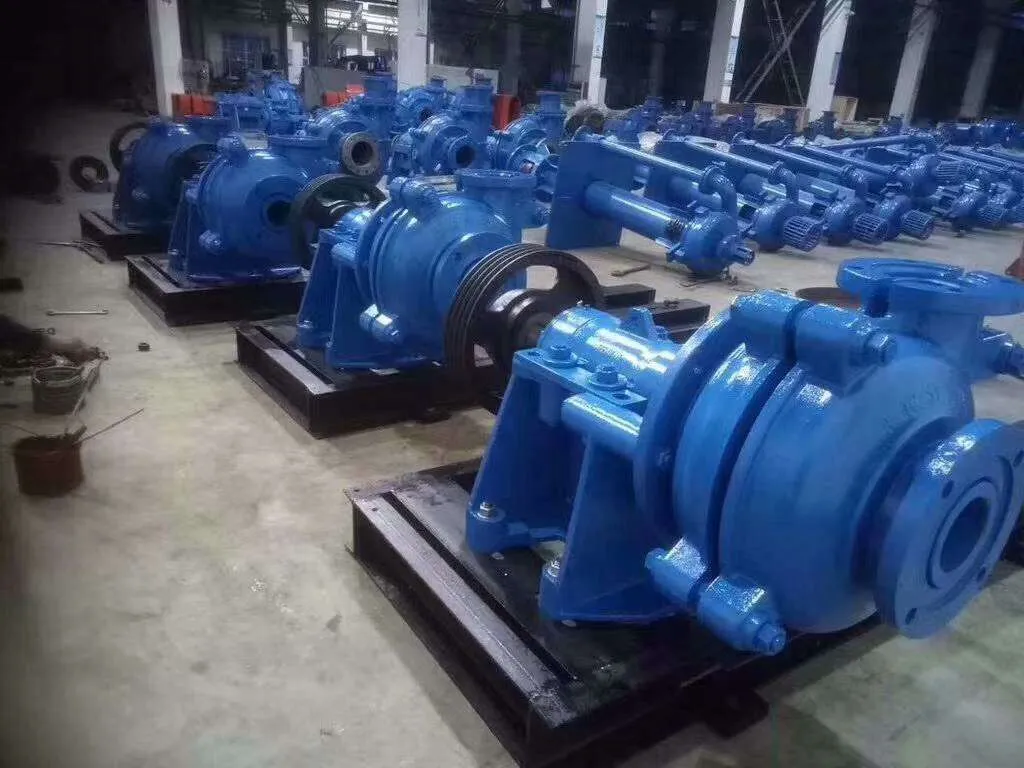
Portable submersible sewage pumps are centrifugal pumps specifically designed for the transfer of wastewater, sewage, and solids-laden fluids. Positioned within the wastewater treatment infrastructure as a crucial component for handling conveyance and dewatering, these pumps offer a mobile solution for various applications including construction site dewatering, emergency flood control, municipal sewage bypass, and industrial wastewater management. Their fully submersible design eliminates the need for priming and provides efficient operation even in challenging environments. Core performance characteristics revolve around hydraulic efficiency (flow rate versus head), solids handling capability, motor protection, and overall durability in corrosive fluids. A primary industry pain point lies in balancing pump efficiency with abrasion resistance due to the inherently abrasive nature of sewage and sludge.
Material Science & Manufacturing
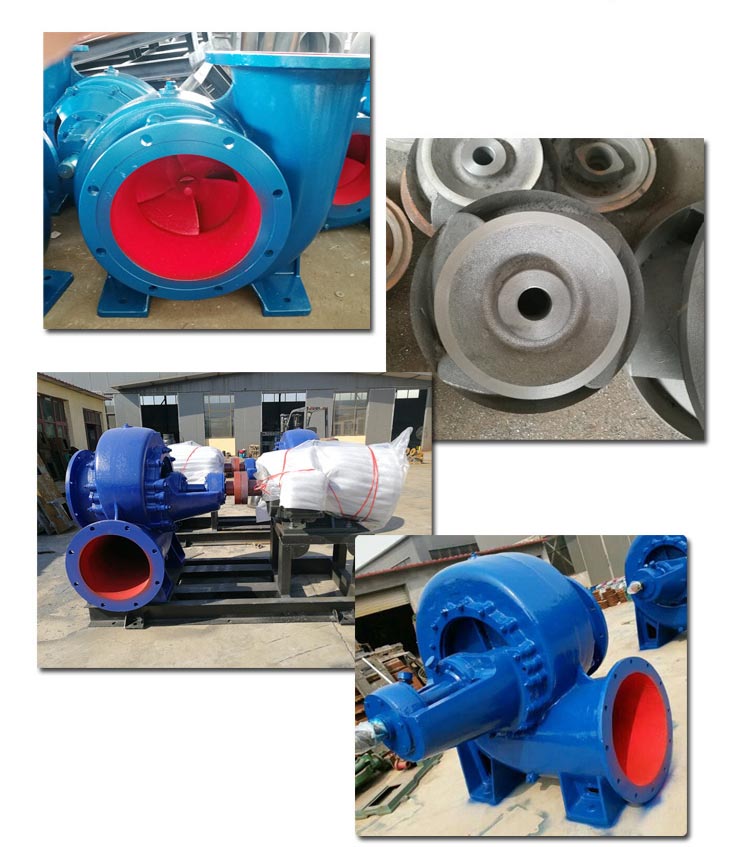
The construction of a portable submersible sewage pump leverages several key materials. Pump casings are frequently fabricated from cast iron (ASTM A48 Class 30) due to its cost-effectiveness and inherent resistance to corrosion, though ductile iron (ASTM A536-89) is preferred for increased impact strength in high-solids applications. Impellers, responsible for fluid momentum transfer, are commonly constructed from high-chrome cast iron (typically 15-28% chromium) to resist abrasive wear from solids. Shafts are manufactured from stainless steel (AISI 4140 or 316 stainless steel) offering high tensile strength and corrosion resistance. Seals utilize materials like silicon carbide (SiC) against SiC or tungsten carbide (WC) against SiC, selected for their hardness and chemical inertness, crucial for preventing leakage in aggressive environments. Manufacturing processes include sand casting for the casing and impeller, CNC machining for precise tolerances on the shaft and impeller, and robotic welding for structural integrity. A critical parameter is impeller balancing (ISO 1940-1) to minimize vibration and prolong bearing life. Motor housing utilizes epoxy-coated aluminum for electrical insulation and corrosion protection. Cable construction follows IEC 60245 standards for submersible power cables, ensuring waterproof integrity and flexibility.
Performance & Engineering
Performance of portable submersible sewage pumps is governed by hydraulic principles and careful mechanical design. Force analysis focuses on impeller dynamic forces, volute casing pressure distributions, and shaft bending moments. Environmental resistance is a major concern, specifically corrosion from hydrogen sulfide (H2S), sulfates, and chlorides present in sewage. Coatings such as epoxy and polyurethane are applied to metal surfaces to provide a barrier against corrosion. Pump curves (head-flow characteristics) are generated based on impeller geometry and rotational speed, typically adhering to Hydraulic Institute standards. Motor selection is critical, requiring fully encapsulated, water-cooled designs with Class H insulation to withstand continuous submerged operation. Compliance requirements include CE marking (European Conformity) for safety, and potentially UL listing (Underwriters Laboratories) for North American markets. Functional implementation necessitates careful consideration of the pump's Net Positive Suction Head Required (NPSHr) to prevent cavitation. Pump selection considers the specific gravity of the fluid being pumped, the total dynamic head (TDH), and the solids content. Thermal management of the motor is crucial, often employing oil-filled housings for efficient heat dissipation.
Technical Specifications
| Flow Rate (m³/hr) | Total Dynamic Head (TDH) - meters | Motor Power (kW) | Maximum Solids Handling (mm) |
|---|---|---|---|
| 20 | 15 | 1.5 | 50 |
| 50 | 25 | 3.0 | 75 |
| 100 | 35 | 5.5 | 100 |
| 150 | 45 | 7.5 | 125 |
| 250 | 50 | 11.0 | 150 |
| 400 | 60 | 15.0 | 200 |
Failure Mode & Maintenance
Portable submersible sewage pumps are susceptible to several failure modes. Fatigue cracking in the impeller can occur due to repeated stress from solids impact. Seal failure, leading to motor ingress and potential short circuits, is common due to abrasive particles and chemical attack. Bearing failure results from inadequate lubrication, contamination, or excessive radial loads. Cable damage (abrasion, cracking) compromises electrical safety and functionality. Corrosion of the pump casing and impeller reduces hydraulic efficiency and structural integrity. Oxidation of electrical connections increases resistance and can lead to overheating. Preventative maintenance includes regular inspection of the power cable for damage, flushing the pump to remove accumulated solids, lubricating bearings (if applicable), and checking the integrity of the seals. Vibration analysis can detect early signs of bearing failure. Electrode testing ensures proper motor grounding. Impeller replacement is often necessary after prolonged use in highly abrasive environments. Routine monitoring of motor current and temperature can prevent overheating and potential motor failure. Regular inspection for signs of corrosion is also crucial; localized corrosion indicates potential future failures.
Industry FAQ
Q: What are the key considerations when selecting a portable submersible pump for highly abrasive sewage?
A: For abrasive sewage, prioritize pumps with high-chrome impellers, robust casing materials (ductile iron is preferred), and wear-resistant seal designs. Consider pumps specifically designed for solids handling and check the maximum solids handling capacity. A slower impeller speed can also reduce wear. Look for pumps with replaceable wear plates in the volute.
Q: How does the motor cooling system impact the lifespan of the pump?
A: Efficient motor cooling is paramount. Oil-filled motor housings are superior to air-cooled designs as oil provides more effective heat dissipation, preventing motor overheating and extending its lifespan. Ensure the oil level is regularly checked and maintained. Water-cooled designs offer even better thermal management but require a continuous water supply.
Q: What are the common causes of seal failure in submersible sewage pumps?
A: Common causes include abrasive particles between the seal faces, chemical attack from aggressive fluids (H2S, chlorides), and improper installation. Select seals manufactured from materials resistant to the specific chemicals present in the sewage. Regular inspection and replacement of seals according to manufacturer recommendations is crucial.
Q: What safety measures should be taken when installing and operating a portable submersible sewage pump?
A: Always disconnect power before handling the pump. Use a properly grounded extension cord rated for submersible applications. Ensure the pump is securely positioned and cannot move during operation. Never operate the pump without the intake screened to prevent debris from entering. Always follow lock-out/tag-out procedures during maintenance.
Q: How do you determine the appropriate pump size (flow rate and head) for a specific application?
A: Accurately calculate the Total Dynamic Head (TDH), including static lift, friction losses in the discharge piping, and pressure requirements at the discharge point. Determine the required flow rate based on the volume of fluid needing to be transferred per unit time. Select a pump whose performance curve meets both the TDH and flow rate requirements. Consider future expansion needs when sizing the pump.
Conclusion
Portable submersible sewage pumps represent a vital technology for managing wastewater and solids-laden fluids in diverse applications. Their selection and implementation require a thorough understanding of material science, hydraulic principles, and potential failure modes. Optimizing performance involves balancing flow rate, head, and solids handling capacity while prioritizing durability in corrosive environments.
Continued advancements in materials science, specifically the development of more abrasion-resistant alloys and corrosion-resistant coatings, will further enhance the longevity and efficiency of these critical pumps. Implementation of predictive maintenance strategies, leveraging sensor data and vibration analysis, will play an increasingly important role in minimizing downtime and maximizing operational lifespan.
-
Precision at the Pump: How Better Machining Protects Flow and Uptime
News2026-11-20
-
Why Pump Reliability Begins Before the First Drop of Fluid
News2026-11-20
-
Beyond the Pump: Designing Safer Access Around Critical Water Infrastructure
News2026-11-20
-
Why Pumping Stations Depend on the Infrastructure Beneath the Pumps
News2026-11-20
-
Beyond the Pump Room: How Smarter Loading Protects Industrial Equipment
News2026-11-19
-
When Pumps Stop: Designing More Resilient Power for Critical Pumping Systems
News2026-11-19
-
The Hidden Role of Dust and Gas Monitoring in Reliable Pump Operations
News2026-11-19
-
The Hidden Role of Mineral Compounds in Extending Industrial Pump Lifespan
News2026-10-12
-
Why Pump System Reliability Depends on Precision Hose Assembly Methods
News2026-09-15
-
How Advanced Imaging Films Are Transforming Pump Component Quality Control
News2026-08-25
-
How Advanced Filtration Protects Pump Systems from Premature Wear and Costly Downtime
News2026-08-25
-
How Steel Material Selection Drives Pump Reliability in Heavy-Duty Systems
News2026-08-25
-
Ensuring Pump System Efficiency: The Role of High-Quality Pipe Fittings and Tubing
News2026-08-24
-
Optimizing Fluid Dynamics and Material Consistency in Industrial Processing
News2026-08-18
-
Innovations and Challenges in Hydraulic Systems for Heavy Machinery
News2026-08-13




