English
- Afrikaans
- Albanian
- Amharic
- Arabic
- Armenian
- Azerbaijani
- Basque
- Belarusian
- Bengali
- Bosnian
- Bulgarian
- Catalan
- Cebuano
- Corsican
- Croatian
- Czech
- Danish
- Dutch
- English
- Esperanto
- Estonian
- Finnish
- French
- Frisian
- Galician
- Georgian
- German
- Greek
- Gujarati
- Haitian Creole
- hausa
- hawaiian
- Hebrew
- Hindi
- Miao
- Hungarian
- Icelandic
- igbo
- Indonesian
- irish
- Italian
- Japanese
- Javanese
- Kannada
- kazakh
- Khmer
- Rwandese
- Korean
- Kurdish
- Kyrgyz
- Lao
- Latin
- Latvian
- Lithuanian
- Luxembourgish
- Macedonian
- Malgashi
- Malay
- Malayalam
- Maltese
- Maori
- Marathi
- Mongolian
- Myanmar
- Nepali
- Norwegian
- Norwegian
- Occitan
- Pashto
- Persian
- Polish
- Portuguese
- Punjabi
- Romanian
- Russian
- Samoan
- Scottish Gaelic
- Serbian
- Sesotho
- Shona
- Sindhi
- Sinhala
- Slovak
- Slovenian
- Somali
- Spanish
- Sundanese
- Swahili
- Swedish
- Tagalog
- Tajik
- Tamil
- Tatar
- Telugu
- Thai
- Turkish
- Turkmen
- Ukrainian
- Urdu
- Uighur
- Uzbek
- Vietnamese
- Welsh
- Bantu
- Yiddish
- Yoruba
- Zulu

Telephone: +86 13120555503
Email: frank@cypump.com


Apr . 01, 2024 17:55 Back to list
plumbing sewage ejector pump Performance Engineering
Introduction
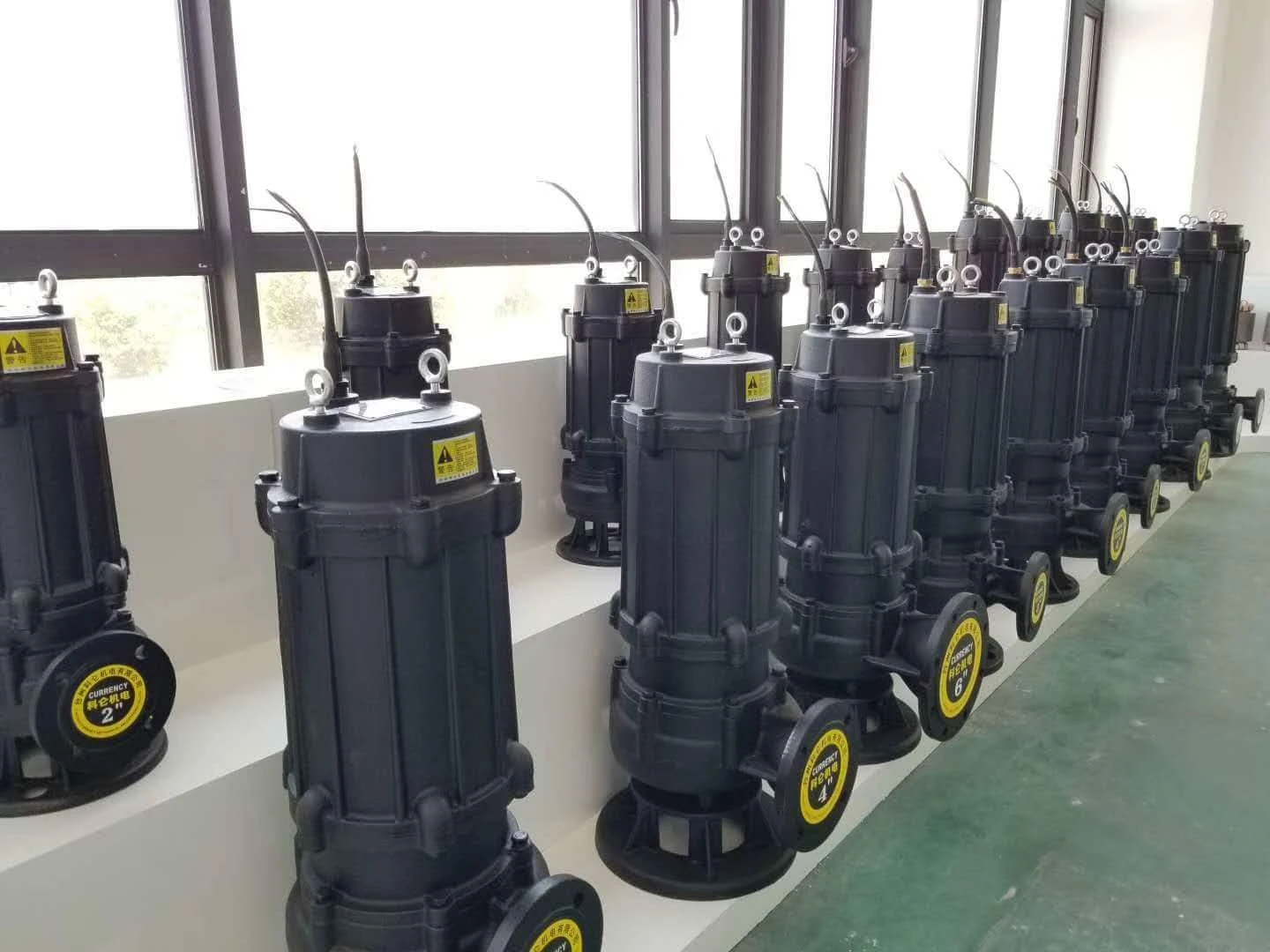
Plumbing sewage ejector pumps are critical components in wastewater management systems, specifically designed to relocate sewage from areas below the main sewer line to the municipal system or a suitable holding tank. Positioned within the building's plumbing infrastructure, these submersible pumps address the fundamental gravity-defying challenge of moving waste against upward slopes. Their technical significance lies in preventing backups and ensuring proper sanitation in basements, low-lying properties, and locations where gravity drainage is insufficient. Core performance characteristics include pumping capacity (gallons per minute – GPM), head (vertical lift in feet), motor horsepower, and solids handling capability. Reliable operation is paramount to preventing costly property damage and maintaining public health standards. A significant industry pain point revolves around pump failures due to solids build-up, corrosion, and inadequate discharge piping, leading to frequent maintenance interventions and potential system shutdowns.
Material Science & Manufacturing
The construction of a sewage ejector pump relies heavily on materials selected for their corrosion resistance, durability, and compatibility with wastewater components. Pump housings are commonly constructed from cast iron (ASTM A48 Class 30) coated with epoxy or a similar protective layer to resist sulfuric acid and other corrosive elements present in sewage. Impellers, responsible for generating the pumping action, are typically manufactured from stainless steel (304 or 316 grade – ASTM A240) or engineered polymers (polypropylene, reinforced with glass fiber). Shafts are generally made from 410 stainless steel (ASTM A276) due to its high strength and resistance to pitting corrosion. Seals are critical and utilize materials like Viton or Buna-N, chosen for their chemical compatibility with sewage and ability to maintain a watertight barrier. Manufacturing processes include casting for the housing, precision machining for the impeller and shaft, and injection molding for polymer components. A critical parameter in casting is ensuring adequate wall thickness to prevent structural failure under pressure. Welding (SMAW or GTAW) is employed for assembling certain components, requiring stringent quality control to prevent porosity and ensure weld integrity. Motor housings typically utilize cast aluminum for heat dissipation and light weight. Key parameter control during manufacturing includes dimensional accuracy of impeller blades for efficient flow, precise seal alignment to prevent leakage, and thorough coating application for corrosion protection.
Performance & Engineering
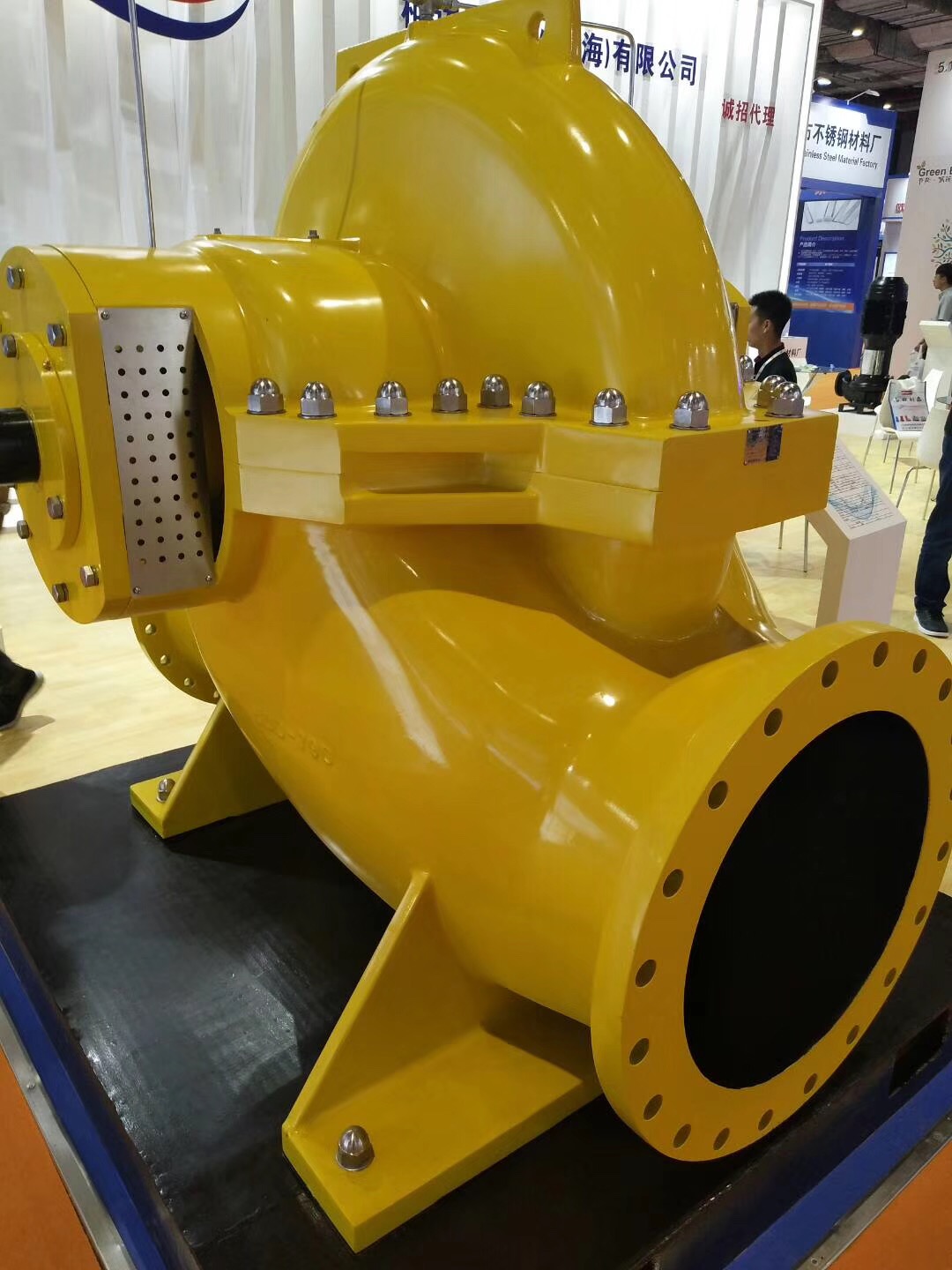
The performance of a sewage ejector pump is fundamentally governed by hydraulic principles and motor characteristics. Force analysis centers on the impeller's rotational energy, transformed into kinetic energy of the fluid, and then into potential energy as the fluid is elevated against gravity. The pump's head is directly related to the motor's horsepower and the impeller’s design. Cavitation, a major concern, occurs when the pressure at the impeller inlet drops below the vapor pressure of the liquid, creating vapor bubbles that collapse and cause erosion. Engineering design mitigates this through proper impeller geometry and maintaining sufficient Net Positive Suction Head Available (NPSHa). Environmental resistance focuses on the pump's ability to withstand prolonged immersion in corrosive wastewater. Materials selection (as discussed previously) is key, but also the design of the pump housing to minimize areas where solids can accumulate and contribute to corrosion. Compliance requirements are dictated by local plumbing codes (IPC, UPC) and electrical safety standards (UL 508A, CSA C22.2 No. 10). Functional implementation relies on a float switch system to automatically activate the pump when the sewage level reaches a predetermined height and deactivate it when the level drops. Proper sizing of the pump, considering peak flow rates and discharge pipe diameter, is crucial to prevent overloading and ensure efficient operation. Solids handling capacity is evaluated through standardized testing (ASTM D6816) which assesses the pump's ability to pass representative solid waste materials without clogging.
Technical Specifications
| Parameter | Unit | Typical Range | Testing Standard |
|---|---|---|---|
| Flow Rate | GPM (Gallons Per Minute) | 40 - 120 | ANSI/HI 1.6 |
| Total Head | Feet | 10 - 50 | ANSI/HI 1.6 |
| Motor Horsepower | HP | 1/2 - 2 | NEMA MG 1 |
| Solids Handling Capacity | Inches | Up to 3 | ASTM D6816 |
| Voltage | Volts | 120/240/480 | UL 508A |
| Discharge Pipe Size | Inches | 2 - 4 | IPC/UPC |
Failure Mode & Maintenance
Sewage ejector pump failures typically stem from several key modes. Fatigue cracking can occur in the impeller or housing due to cyclical stress from solids impact. Delamination of epoxy coatings exposes the cast iron to corrosion, accelerating material degradation. Clogging is a frequent issue, caused by the accumulation of non-biodegradable items (rags, plastics) obstructing the impeller and potentially burning out the motor. Oxidation of stainless steel components, particularly in environments with high chloride concentrations, can lead to pitting corrosion and reduced structural integrity. Motor failures can result from overheating (due to insufficient cooling or overloading), bearing wear, or winding insulation breakdown. Preventive maintenance is crucial. This includes regular inspection of the discharge pipe for obstructions, periodic cleaning of the pump basin to remove sediment buildup, and lubrication of motor bearings. Professional maintenance should include impeller inspection for wear or damage, seal replacement (typically annually), and testing of the float switch system for proper operation. In the event of a failure, a thorough root cause analysis is recommended to identify the underlying issue and prevent recurrence. Utilizing a backup pump system can minimize downtime and ensure continued operation during repairs.
Industry FAQ
Q: What is the significance of the NPSH (Net Positive Suction Head) requirement for these pumps?
A: NPSH is critical. Insufficient NPSH leads to cavitation, where vapor bubbles form and collapse, causing impeller damage and reducing pump efficiency. The pump's NPSHr (Net Positive Suction Head Required) must be less than the NPSHa (Net Positive Suction Head Available) in the system. NPSHa is determined by the liquid level in the basin, atmospheric pressure, and the suction lift.
Q: How do I determine the correct pump size for my application?
A: Proper sizing requires calculating the peak flow rate of sewage entering the basin and the total dynamic head (TDH), which includes the vertical lift plus friction losses in the discharge pipe. Consulting pump performance curves provided by the manufacturer is essential to select a pump that can deliver the required flow at the specified head.
Q: What are the best materials for dealing with hydrogen sulfide (H2S) present in sewage?
A: H2S is highly corrosive. Stainless steel (316 grade) offers superior resistance compared to 304, especially when combined with a protective coating. Epoxy coatings formulated for wastewater applications are also beneficial, but require periodic reapplication. Regular ventilation of the pump basin can help mitigate H2S buildup.
Q: What are the key considerations for selecting a pump control panel?
A: The control panel should include overload protection, short-circuit protection, and a properly sized motor starter. Features like alarm systems for high liquid level, pump failure, and power outages are also important. Consider a panel with variable frequency drive (VFD) capability for energy savings and reduced mechanical stress on the pump.
Q: How often should the pump basin be cleaned to prevent clogging?
A: Cleaning frequency depends on the inflow characteristics. Generally, an annual inspection and cleaning are recommended. However, if the system experiences frequent clogging issues, more frequent cleaning (e.g., quarterly) may be necessary. Regular removal of solids prevents build-up and ensures optimal pump performance.
Conclusion
Plumbing sewage ejector pumps are essential for effective wastewater management in challenging installations. Their reliable function hinges on a sophisticated interplay of material science, precision manufacturing, and robust engineering principles. Understanding the core performance characteristics, potential failure modes, and preventative maintenance strategies is paramount for minimizing downtime and ensuring long-term operational efficiency.
The ongoing evolution of these systems is focused on enhanced solids handling capabilities, improved energy efficiency through advanced motor technologies and control systems, and the integration of smart monitoring features for predictive maintenance. Proper specification, installation, and maintenance, guided by relevant industry standards, remain the cornerstones of successful sewage ejector pump operation.
-
pump for sewage water Performance Analysis
News2026-05-23
-
plumbing sewage ejector pump Performance Engineering
News2026-05-23
-
home sewer pump station Performance and Engineering
News2026-05-23
-
high pressure sump pump Performance Analysis
News2026-05-23
-
high head effluent pump Performance Analysis
News2026-05-23
-
Effluent vs Sump Pump Performance Analysis
News2026-05-22
-
effluent septic pump Performance Engineering
News2026-05-22
-
best sewer pumps Performance Engineering
News2026-05-22
-
best sewer pump Performance Analysis
News2026-05-22
-
best sewage pumps Performance Engineering
News2026-05-22
-
basement bathroom sewage pump Material Science Manufacturing
News2026-05-21
-
wastewater treatment plant pumps Material Science Manufacturing
News2026-05-21
-
waste water pump for basement Material Science Manufacturing
News2026-05-21
-
sump pump sewage Performance Analysis
News2026-05-21
-
sump pump for sewage Material Science and Manufacturing
News2026-05-21




