English
- Afrikaans
- Albanian
- Amharic
- Arabic
- Armenian
- Azerbaijani
- Basque
- Belarusian
- Bengali
- Bosnian
- Bulgarian
- Catalan
- Cebuano
- Corsican
- Croatian
- Czech
- Danish
- Dutch
- English
- Esperanto
- Estonian
- Finnish
- French
- Frisian
- Galician
- Georgian
- German
- Greek
- Gujarati
- Haitian Creole
- hausa
- hawaiian
- Hebrew
- Hindi
- Miao
- Hungarian
- Icelandic
- igbo
- Indonesian
- irish
- Italian
- Japanese
- Javanese
- Kannada
- kazakh
- Khmer
- Rwandese
- Korean
- Kurdish
- Kyrgyz
- Lao
- Latin
- Latvian
- Lithuanian
- Luxembourgish
- Macedonian
- Malgashi
- Malay
- Malayalam
- Maltese
- Maori
- Marathi
- Mongolian
- Myanmar
- Nepali
- Norwegian
- Norwegian
- Occitan
- Pashto
- Persian
- Polish
- Portuguese
- Punjabi
- Romanian
- Russian
- Samoan
- Scottish Gaelic
- Serbian
- Sesotho
- Shona
- Sindhi
- Sinhala
- Slovak
- Slovenian
- Somali
- Spanish
- Sundanese
- Swahili
- Swedish
- Tagalog
- Tajik
- Tamil
- Tatar
- Telugu
- Thai
- Turkish
- Turkmen
- Ukrainian
- Urdu
- Uighur
- Uzbek
- Vietnamese
- Welsh
- Bantu
- Yiddish
- Yoruba
- Zulu

Telephone: +86 13120555503
Email: frank@cypump.com


Apr . 01, 2024 17:55 Back to list
pipeline water pump Performance Engineering
Introduction
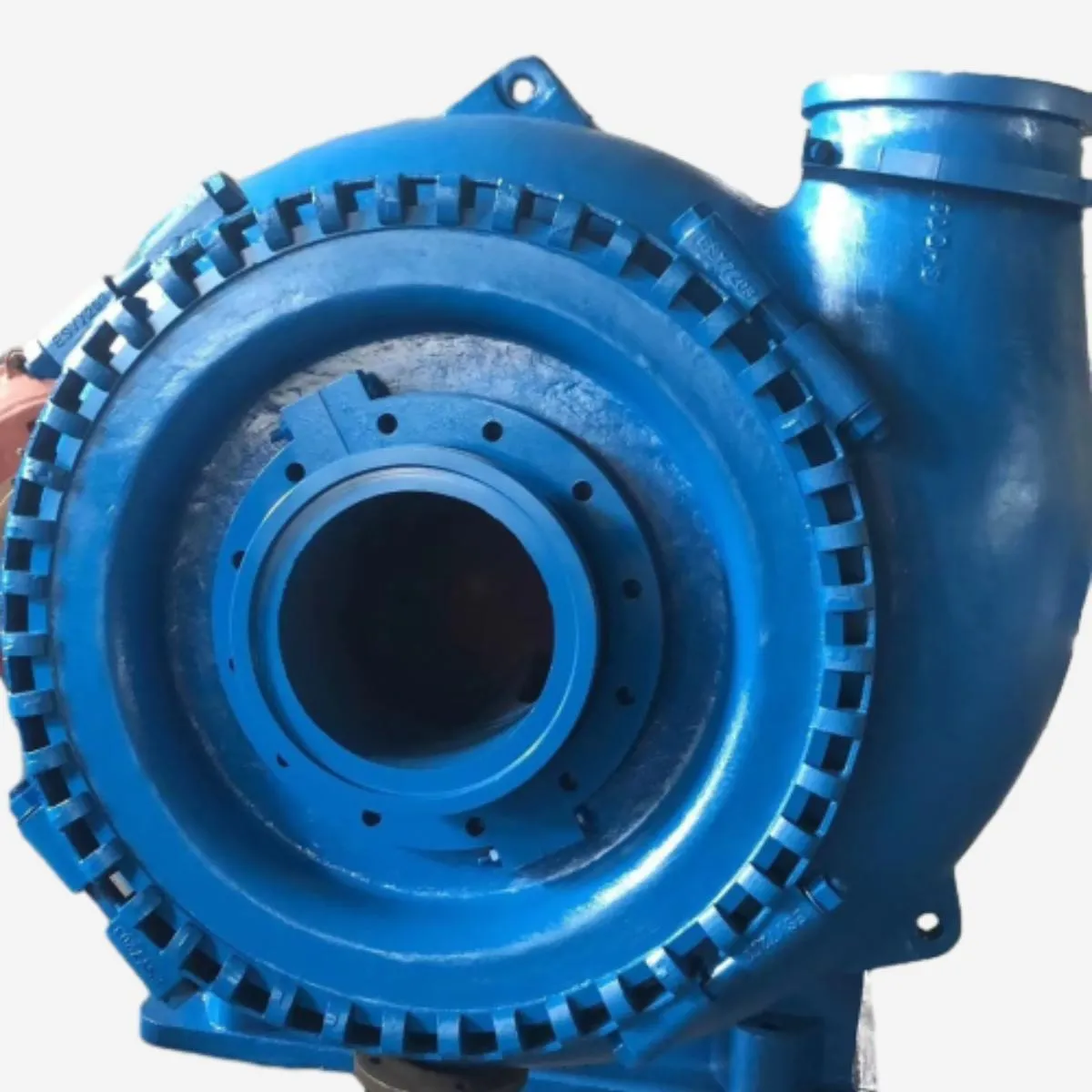
Pipeline water pumps are centrifugal pumps designed for the specific demands of fluid transport within pipeline systems. Unlike general-purpose pumps, these are engineered to maintain consistent flow and pressure across extended distances, commonly used in water distribution networks, irrigation systems, industrial process lines, and fire suppression systems. Their technical position within the industry chain sits between the prime mover (typically an electric motor or engine) and the endpoint fluid application. Core performance characteristics center around achieving specified flow rates (measured in gallons per minute or cubic meters per hour) at defined head pressures (measured in feet or meters), with a critical emphasis on efficiency, reliability, and minimization of system-induced water hammer. A key challenge within the industry is balancing pump efficiency with cavitation prevention, material compatibility with transported fluids, and adherence to increasingly stringent energy efficiency standards.
Material Science & Manufacturing
The construction of pipeline water pumps necessitates careful material selection. Pump housings are frequently manufactured from cast iron (ASTM A48 Class 30), ductile iron (ASTM A536 65-45-12), or stainless steel (304 or 316 – ASTM A743). Cast iron provides cost-effectiveness and good machinability but is susceptible to corrosion. Ductile iron offers improved tensile strength and impact resistance. Stainless steel provides superior corrosion resistance, particularly crucial when handling aggressive fluids. Impellers are typically made of cast iron, bronze (ASTM B584), or stainless steel. Shafts utilize high-strength carbon steel (AISI 1045) and undergo heat treatment for increased durability. Seals employ materials like Viton (fluoroelastomer) or EPDM (ethylene propylene diene monomer) rubber for compatibility with various fluids. Manufacturing processes vary. Housings are often created through sand casting, followed by machining for precision tolerances. Impellers are cast and then dynamically balanced to minimize vibration. Shafts are machined to exacting specifications. Welding (AWS D1.1 standards) is employed for joining components, requiring strict quality control to prevent defects. Parameter control during manufacturing includes precise control of casting temperatures, machining tolerances (typically +/- 0.005 inches), and weld penetration depth. The surface finish of impeller blades is critical; a smooth finish minimizes frictional losses and improves pump efficiency.
Performance & Engineering
Pipeline water pump performance is dictated by a complex interplay of hydraulic and mechanical forces. Force analysis focuses on impeller stresses (centrifugal and bending moments) and bearing loads. Hydraulic Institute (HI) standards define performance testing procedures. Environmental resistance is a key concern. Pumps operating outdoors are exposed to temperature fluctuations, humidity, and UV radiation, requiring protective coatings (epoxy or polyurethane) to prevent corrosion and material degradation. Compliance requirements include adherence to ANSI/NSF 61 for potable water systems, ensuring materials do not leach harmful contaminants. Pump selection must account for system head loss (due to friction in pipes and fittings), fluid viscosity, and elevation changes. The Net Positive Suction Head Required (NPSHr) must be lower than the Net Positive Suction Head Available (NPSHa) to prevent cavitation. Cavitation occurs when the absolute pressure at the impeller inlet falls below the vapor pressure of the liquid, forming vapor bubbles that collapse violently, damaging the impeller. Variable Frequency Drives (VFDs) are frequently employed to control pump speed and optimize energy consumption by matching pump output to varying system demands. Pipeline stress analysis is vital to accommodate thermal expansion and contraction and prevent damage to the pump and piping system.
Technical Specifications
| Parameter | Unit | Typical Range (Small Scale Pipeline Pump) | Typical Range (Large Scale Pipeline Pump) |
|---|---|---|---|
| Flow Rate | GPM (Gallons Per Minute) | 20 - 200 | 500 - 5000 |
| Total Dynamic Head | Feet | 50 - 200 | 200 - 800 |
| Pump Efficiency | % | 65 - 80 | 75 - 90 |
| Motor Power | HP (Horsepower) | 1 - 10 | 20 - 200 |
| Suction Pressure | PSI (Pounds per Square Inch) | -30 to 50 | -50 to 100 |
| Discharge Pressure | PSI (Pounds per Square Inch) | 50 - 150 | 150 - 500 |
Failure Mode & Maintenance
Pipeline water pumps are subject to several failure modes. Fatigue cracking in the impeller, often initiated by cavitation erosion, is a common issue. Bearing failure, stemming from inadequate lubrication or excessive load, leads to vibration and eventual pump shutdown. Seal failures result in leakage, causing efficiency losses and potential environmental contamination. Corrosion, particularly in cast iron housings, weakens the pump structure. Shaft misalignment leads to increased vibration and bearing wear. Delamination of pump coatings can accelerate corrosion. Preventative maintenance is crucial. Regular vibration analysis (ISO 10816) can detect bearing faults. Lubrication schedules must be strictly followed, using appropriate greases or oils. Seal replacement should occur proactively, based on operating hours and fluid compatibility. Impeller inspection for cavitation damage and corrosion is essential. Proper alignment of the pump and motor is critical, verified using laser alignment tools. Periodic cleaning of strainers and filters prevents clogging and maintains optimal flow. Routine performance monitoring (flow rate, pressure, power consumption) can identify developing problems early.
Industry FAQ
Q: What are the key considerations when selecting a pipeline water pump for a potable water application?
A: The primary considerations are material compatibility (ANSI/NSF 61 certification is crucial), corrosion resistance, and the ability to maintain consistent pressure and flow without introducing contaminants. Pumps constructed of stainless steel or with epoxy-coated interiors are often preferred. Additionally, the pump’s hydraulic efficiency directly impacts energy consumption and operational costs.
Q: How can I mitigate the risk of cavitation in a pipeline water pump?
A: Ensuring adequate NPSHa is paramount. This involves verifying sufficient suction pipe diameter, minimizing pipe length and bends on the suction side, and maintaining a proper fluid level in the supply tank. Reducing pump speed can also lower NPSHr. Regular impeller inspection for signs of cavitation damage is also essential.
Q: What is the role of a VFD in optimizing pipeline water pump operation?
A: VFDs allow for precise control of pump speed, enabling the pump to match flow and pressure requirements accurately. This avoids throttling losses, significantly reducing energy consumption, especially during periods of low demand. VFDs also provide soft starting and stopping, minimizing water hammer and extending pump lifespan.
Q: How often should I perform routine maintenance on a pipeline water pump?
A: Routine maintenance should be performed at least annually, but frequency depends on operating conditions and pump usage. Key tasks include lubrication, seal inspection, vibration analysis, alignment checks, and performance monitoring. More frequent inspections are recommended for pumps operating in harsh environments or handling abrasive fluids.
Q: What are the common causes of pump seal failure, and how can they be prevented?
A: Common causes include abrasive particles in the fluid, dry running, chemical incompatibility, and improper installation. Prevention involves installing appropriate strainers to remove debris, ensuring adequate lubrication, selecting seal materials compatible with the fluid, and carefully following the manufacturer's installation instructions.
Conclusion
Pipeline water pumps represent a crucial component in fluid conveyance systems, demanding a holistic understanding of material science, hydraulic principles, and preventative maintenance. Selecting the correct pump for a specific application hinges on accurately assessing system requirements, prioritizing long-term reliability, and minimizing energy consumption. Proper materials selection, meticulous manufacturing processes, and proactive maintenance strategies are vital for mitigating common failure modes and extending the operational life of these essential industrial assets.
Future trends point toward increased adoption of smart pump technologies, incorporating sensors and data analytics to optimize performance, predict failures, and enable remote monitoring and control. Further advancements in materials science will lead to more corrosion-resistant and energy-efficient pump designs, further reducing lifecycle costs and enhancing sustainability. Continued adherence to evolving industry standards and best practices remains paramount to ensure the safe and efficient operation of pipeline water pump systems.
-
Comprehensive Guide to Waterproof ORings for Optimal Sealing Solutions
News2026-06-09
-
heavy duty submersible pump Performance Analysis
News2026-06-25
-
best submersible pump for septic tank Performance Analysis
News2026-06-25
-
basement sewer ejector pump Performance Analysis
News2026-06-25
-
basement pumps ejector pumps Performance Analysis
News2026-06-25
-
basement lift pump Performance and Engineering
News2026-06-25
-
basement bathroom pump systems Performance Analysis
News2026-06-24
-
basement bathroom ejector pump system Performance Engineering
News2026-06-24
-
2 hp sewage pump Performance Engineering
News2026-06-24
-
1 hp septic pump Performance Engineering
News2026-06-24
-
submersible effluent pump Performance Analysis
News2026-06-24
-
submergable pump Material Science
News2026-06-23
-
sewer injection pump Performance Engineering
News2026-06-23
-
Sewer Ejector Pump System Performance Analysis
News2026-06-23
-
septic tank pump for sale Performance Engineering
News2026-06-23




