English
- Afrikaans
- Albanian
- Amharic
- Arabic
- Armenian
- Azerbaijani
- Basque
- Belarusian
- Bengali
- Bosnian
- Bulgarian
- Catalan
- Cebuano
- Corsican
- Croatian
- Czech
- Danish
- Dutch
- English
- Esperanto
- Estonian
- Finnish
- French
- Frisian
- Galician
- Georgian
- German
- Greek
- Gujarati
- Haitian Creole
- hausa
- hawaiian
- Hebrew
- Hindi
- Miao
- Hungarian
- Icelandic
- igbo
- Indonesian
- irish
- Italian
- Japanese
- Javanese
- Kannada
- kazakh
- Khmer
- Rwandese
- Korean
- Kurdish
- Kyrgyz
- Lao
- Latin
- Latvian
- Lithuanian
- Luxembourgish
- Macedonian
- Malgashi
- Malay
- Malayalam
- Maltese
- Maori
- Marathi
- Mongolian
- Myanmar
- Nepali
- Norwegian
- Norwegian
- Occitan
- Pashto
- Persian
- Polish
- Portuguese
- Punjabi
- Romanian
- Russian
- Samoan
- Scottish Gaelic
- Serbian
- Sesotho
- Shona
- Sindhi
- Sinhala
- Slovak
- Slovenian
- Somali
- Spanish
- Sundanese
- Swahili
- Swedish
- Tagalog
- Tajik
- Tamil
- Tatar
- Telugu
- Thai
- Turkish
- Turkmen
- Ukrainian
- Urdu
- Uighur
- Uzbek
- Vietnamese
- Welsh
- Bantu
- Yiddish
- Yoruba
- Zulu

Telephone: +86 13120555503
Email: frank@cypump.com


Apr . 01, 2024 17:55 Back to list
pipeline pumps Performance Analysis
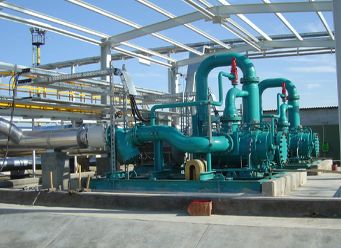
Introduction
Pipeline pumps are centrifugal pumps specifically engineered for the efficient and reliable transport of fluids within pipeline systems. Positioned within the midstream oil and gas, water & wastewater, and chemical processing industries, these pumps are critical components for maintaining flow rate and pressure across long distances. Unlike general-purpose centrifugal pumps, pipeline pumps prioritize high efficiency at a limited range of operating conditions, often dictated by the pipeline’s design. Core performance characteristics include high hydraulic efficiency, low net positive suction head required (NPSHr), and robust construction to withstand continuous operation and varying fluid characteristics. The primary pain point within the industry revolves around minimizing energy consumption while maximizing uptime, often complicated by the handling of abrasive fluids or operation in challenging environmental conditions. Proper selection and maintenance are vital to mitigating these concerns.
Material Science & Manufacturing
The materials used in pipeline pump construction directly impact performance and longevity. Pump casings are typically manufactured from carbon steel (ASTM A216 WCB) for general applications, with alloy steels (ASTM A351 Grade CF8M) employed for corrosive environments. Impeller construction commonly utilizes ductile iron (ASTM A536 65-45-12) for its strength and erosion resistance, or stainless steel (316/316L) for highly corrosive fluids. Shafts are usually forged from alloy steel (4140 or equivalent) and hardened for torsional strength and wear resistance. Seals are a critical component, frequently employing mechanical seals featuring silicon carbide faces for enhanced durability. Manufacturing processes involve precision casting for the casing and impeller, CNC machining for critical dimensions, and welding procedures adhering to ASME Section IX standards. Key parameter control during manufacturing includes maintaining dimensional tolerances within +/-0.05mm for impeller balance and casing alignment, ensuring weld integrity through non-destructive testing (NDT – radiography, ultrasonic testing, liquid penetrant inspection), and performing hydrostatic testing to verify casing pressure containment. Material traceability is also paramount, with complete documentation of material certifications and manufacturing processes.
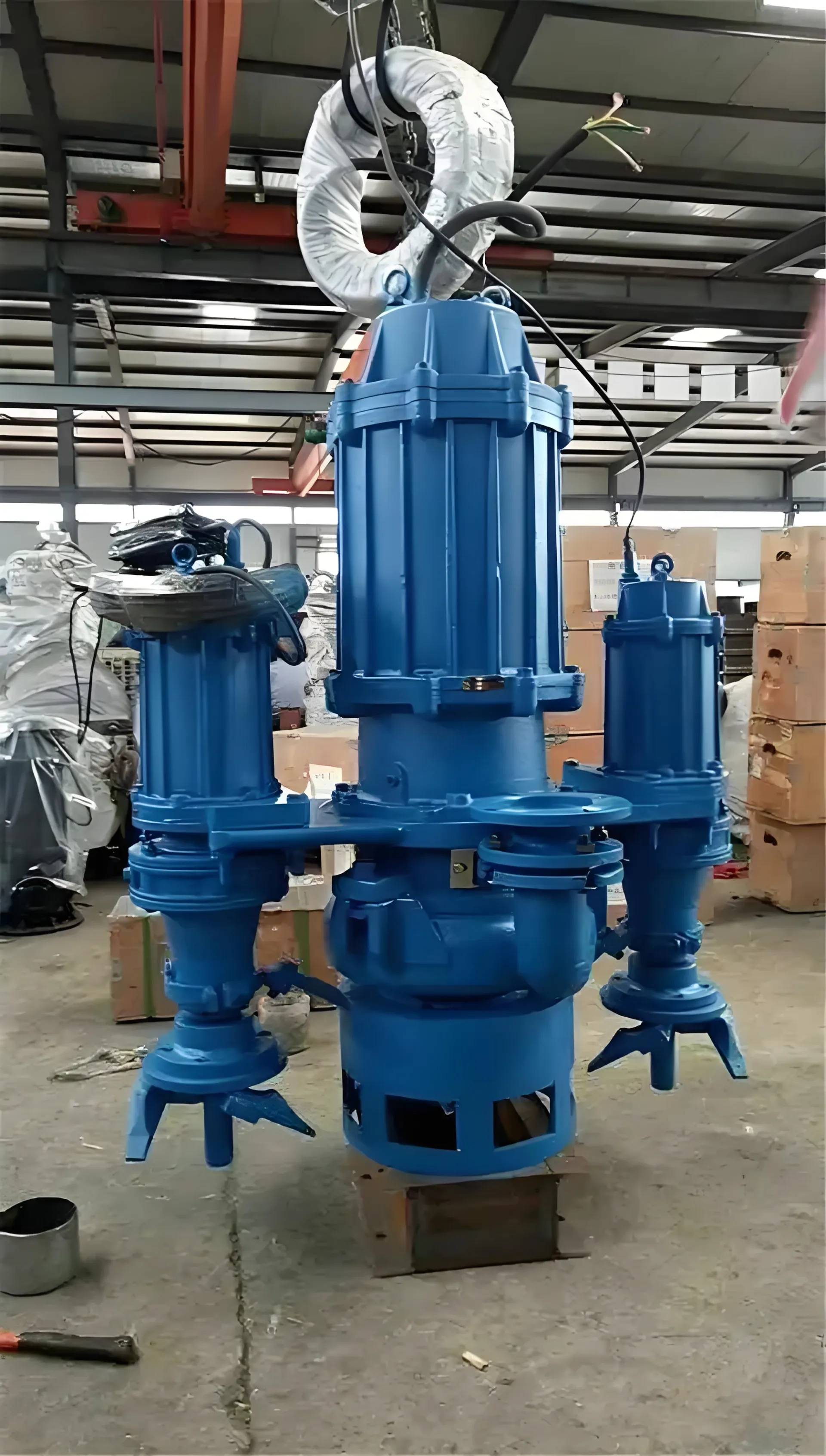
Performance & Engineering
Pipeline pump performance is heavily dictated by fluid dynamics and mechanical engineering principles. Force analysis centers on understanding the hydraulic forces exerted on the impeller, casing, and shaft. Centrifugal force generates pressure, but imbalances can induce vibration and premature failure. Proper impeller balancing (ISO 1940-1) is essential. Environmental resistance is addressed through material selection and protective coatings (epoxy or polyurethane) to mitigate corrosion and erosion. Pump performance curves (head vs. flow rate, efficiency vs. flow rate) are generated through hydraulic testing (API 610) and used to optimize pump selection for specific pipeline requirements. Compliance requirements include adherence to API 610 (Centrifugal Pumps – Refinery Service) for design, fabrication, inspection, and testing, as well as compliance with relevant environmental regulations concerning emissions and fluid containment. Specific attention is paid to Net Positive Suction Head Available (NPSHa) versus NPSHr to prevent cavitation, which can severely damage the impeller. Shaft deflection is also monitored to ensure proper seal performance and bearing life. Variable Frequency Drives (VFDs) are frequently integrated to optimize pump speed and energy consumption based on real-time pipeline demand.
Technical Specifications
| Pump Size (Inlet/Outlet, inches) | Maximum Flow Rate (m³/hr) | Maximum Head (m) | Maximum Operating Pressure (bar) |
|---|---|---|---|
| 4/6 | 500 | 80 | 40 |
| 6/8 | 1200 | 120 | 60 |
| 8/10 | 2500 | 180 | 100 |
| 10/12 | 4000 | 250 | 150 |
| 12/14 | 6000 | 320 | 200 |
| 14/16 | 8000 | 400 | 250 |
Failure Mode & Maintenance
Pipeline pumps are susceptible to several failure modes. Fatigue cracking in the pump casing can occur due to cyclic pressure fluctuations, particularly in pipelines with surge events. Impeller erosion is common when handling abrasive fluids (slurries, sand-laden water), leading to reduced efficiency and eventual failure. Mechanical seal failure is a frequent issue, often caused by misalignment, dry running, or incompatibility with the pumped fluid. Bearing failure can result from inadequate lubrication, contamination, or excessive load. Corrosion, particularly in chloride-rich environments, can compromise casing and impeller integrity. Preventive maintenance strategies include regular vibration analysis (ISO 10816) to detect bearing and impeller imbalances, oil analysis to monitor lubricant condition, visual inspections for corrosion and erosion, and periodic seal replacement. Corrective maintenance involves repairing or replacing damaged components, ensuring proper alignment during reassembly, and conducting hydrostatic testing to verify integrity. Scheduled maintenance programs should also incorporate impeller balancing and casing alignment checks.
Industry FAQ
Q: What are the primary differences between a pipeline pump and a standard centrifugal pump?
A: Pipeline pumps are designed for high efficiency at a narrow range of operating points, prioritizing constant flow over a wide range. Standard centrifugal pumps are more versatile, handling varying flow rates and heads but typically with lower efficiencies at specific operating points. Pipeline pumps also prioritize NPSHr minimization and robust construction for continuous operation.
Q: How does fluid viscosity impact pipeline pump performance?
A: Increased fluid viscosity leads to a reduction in pump efficiency and capacity. Higher viscosity fluids create greater frictional losses within the pump and pipeline, requiring more energy to achieve the desired flow rate. Pump curves will shift to the left, decreasing both head and flow.
Q: What are the critical considerations for selecting a pump material for corrosive fluids?
A: Material selection must be based on a detailed understanding of the fluid’s chemical composition, concentration, temperature, and flow velocity. Stainless steel alloys (316, 316L, duplex stainless steels) and specialized alloys (Hastelloy, Inconel) are common choices. Compatibility charts and corrosion testing are essential to verify material resistance.
Q: How can cavitation be prevented in a pipeline pump system?
A: Cavitation occurs when the absolute pressure at the pump suction falls below the fluid’s vapor pressure. Prevention involves ensuring sufficient NPSHa, minimizing suction line losses, and selecting a pump with a low NPSHr. Increasing suction line diameter and lowering pump elevation can also help.
Q: What role does vibration analysis play in pipeline pump maintenance?
A: Vibration analysis is a powerful predictive maintenance tool. Changes in vibration patterns can indicate bearing wear, impeller imbalance, misalignment, or other developing issues. Early detection allows for proactive maintenance, preventing catastrophic failures and minimizing downtime.
Conclusion
Pipeline pumps represent a specialized category of centrifugal pumps, crucial for the reliable and efficient transportation of fluids in demanding industrial applications. Their design and material selection are dictated by the need for high efficiency, corrosion resistance, and continuous operation. Understanding the principles of fluid dynamics, material science, and failure modes is paramount for optimal pump selection and maintenance.
Future developments will likely focus on incorporating advanced materials (e.g., ceramics, composite materials) to further enhance corrosion resistance and wear characteristics, integrating smart sensors for real-time performance monitoring, and optimizing pump designs through computational fluid dynamics (CFD) to minimize energy consumption and maximize reliability.
-
Comprehensive Guide to Waterproof ORings for Optimal Sealing Solutions
News2026-06-09
-
heavy duty submersible pump Performance Analysis
News2026-06-25
-
best submersible pump for septic tank Performance Analysis
News2026-06-25
-
basement sewer ejector pump Performance Analysis
News2026-06-25
-
basement pumps ejector pumps Performance Analysis
News2026-06-25
-
basement lift pump Performance and Engineering
News2026-06-25
-
basement bathroom pump systems Performance Analysis
News2026-06-24
-
basement bathroom ejector pump system Performance Engineering
News2026-06-24
-
2 hp sewage pump Performance Engineering
News2026-06-24
-
1 hp septic pump Performance Engineering
News2026-06-24
-
submersible effluent pump Performance Analysis
News2026-06-24
-
submergable pump Material Science
News2026-06-23
-
sewer injection pump Performance Engineering
News2026-06-23
-
Sewer Ejector Pump System Performance Analysis
News2026-06-23
-
septic tank pump for sale Performance Engineering
News2026-06-23




