English
- Afrikaans
- Albanian
- Amharic
- Arabic
- Armenian
- Azerbaijani
- Basque
- Belarusian
- Bengali
- Bosnian
- Bulgarian
- Catalan
- Cebuano
- Corsican
- Croatian
- Czech
- Danish
- Dutch
- English
- Esperanto
- Estonian
- Finnish
- French
- Frisian
- Galician
- Georgian
- German
- Greek
- Gujarati
- Haitian Creole
- hausa
- hawaiian
- Hebrew
- Hindi
- Miao
- Hungarian
- Icelandic
- igbo
- Indonesian
- irish
- Italian
- Japanese
- Javanese
- Kannada
- kazakh
- Khmer
- Rwandese
- Korean
- Kurdish
- Kyrgyz
- Lao
- Latin
- Latvian
- Lithuanian
- Luxembourgish
- Macedonian
- Malgashi
- Malay
- Malayalam
- Maltese
- Maori
- Marathi
- Mongolian
- Myanmar
- Nepali
- Norwegian
- Norwegian
- Occitan
- Pashto
- Persian
- Polish
- Portuguese
- Punjabi
- Romanian
- Russian
- Samoan
- Scottish Gaelic
- Serbian
- Sesotho
- Shona
- Sindhi
- Sinhala
- Slovak
- Slovenian
- Somali
- Spanish
- Sundanese
- Swahili
- Swedish
- Tagalog
- Tajik
- Tamil
- Tatar
- Telugu
- Thai
- Turkish
- Turkmen
- Ukrainian
- Urdu
- Uighur
- Uzbek
- Vietnamese
- Welsh
- Bantu
- Yiddish
- Yoruba
- Zulu

Telephone: +86 13120555503
Email: frank@cypump.com


Apr . 01, 2024 17:55 Back to list
Pipeline Pumping Performance Analysis
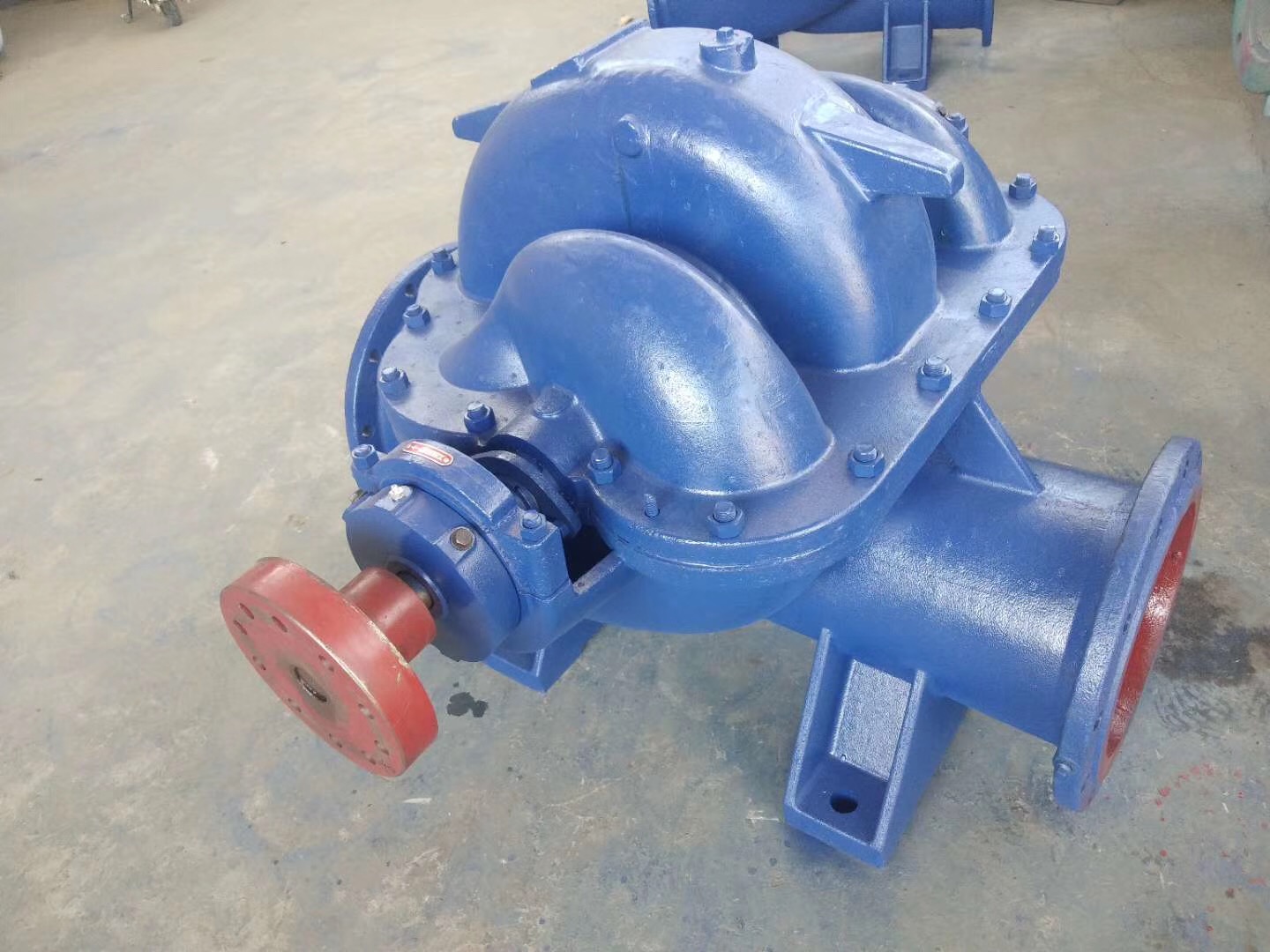
Introduction
Pipeline pumping represents a critical component of fluid transport across numerous industries, including oil and gas, water and wastewater, chemical processing, and long-distance heating. It encompasses the engineering principles and practical application of moving fluids – liquids and slurries – through interconnected pipe systems using mechanical devices. Historically, reliance on gravity and rudimentary pumping mechanisms has evolved into sophisticated systems utilizing centrifugal, positive displacement, and other pump technologies. This guide details the material science, manufacturing processes, performance characteristics, failure modes, and industry standards associated with robust and efficient pipeline pumping operations. The core performance lies in maintaining flow rate, pressure, and fluid integrity while minimizing energy consumption and operational costs. A key pain point within the industry revolves around corrosion, erosion, and maintaining pump efficiency across varying fluid viscosities and pipeline conditions, leading to significant downtime and maintenance expenditures.
Material Science & Manufacturing
The selection of materials for pipeline pumping systems is paramount, dictated by the fluid being transported, operating pressure, temperature, and potential for corrosion or erosion. Pipelines themselves are frequently constructed from carbon steel (ASTM A53 Grade B is common for general service) offering high tensile strength and weldability. However, for corrosive environments, specialized alloys like stainless steel (304/316L – ASTM A312) or duplex stainless steels are employed for enhanced resistance. Internal coatings, such as epoxy resins or polyethylene, are also used to create a barrier between the fluid and the pipe material, further mitigating corrosion. Pump components, particularly impellers and casings, utilize materials chosen based on the specific pump type and fluid. Centrifugal pumps often employ cast iron (ASTM A48 Class 30) for casings due to its cost-effectiveness and machinability, while impellers may be constructed from bronze (ASTM B148) or stainless steel for increased durability. Positive displacement pumps rely heavily on hardened alloys and polymers for internal components like gears, lobes, or diaphragms. Manufacturing processes for pipelines include seamless and welded construction. Seamless pipes offer superior strength but are more expensive. Welded pipelines (ERW – Electric Resistance Welding) are more economical but require rigorous non-destructive testing (NDT) such as ultrasonic testing (UT) and radiographic testing (RT) per ASME Section V to ensure weld integrity. Pump casings are typically manufactured using casting or forging processes, followed by precision machining. Impellers are often investment cast to achieve complex geometries and tight tolerances. Parameter control during manufacturing is critical; for example, heat treatment of steel components must be meticulously controlled to achieve desired hardness and ductility, and welding processes require precise control of parameters like current, voltage, and shielding gas composition.
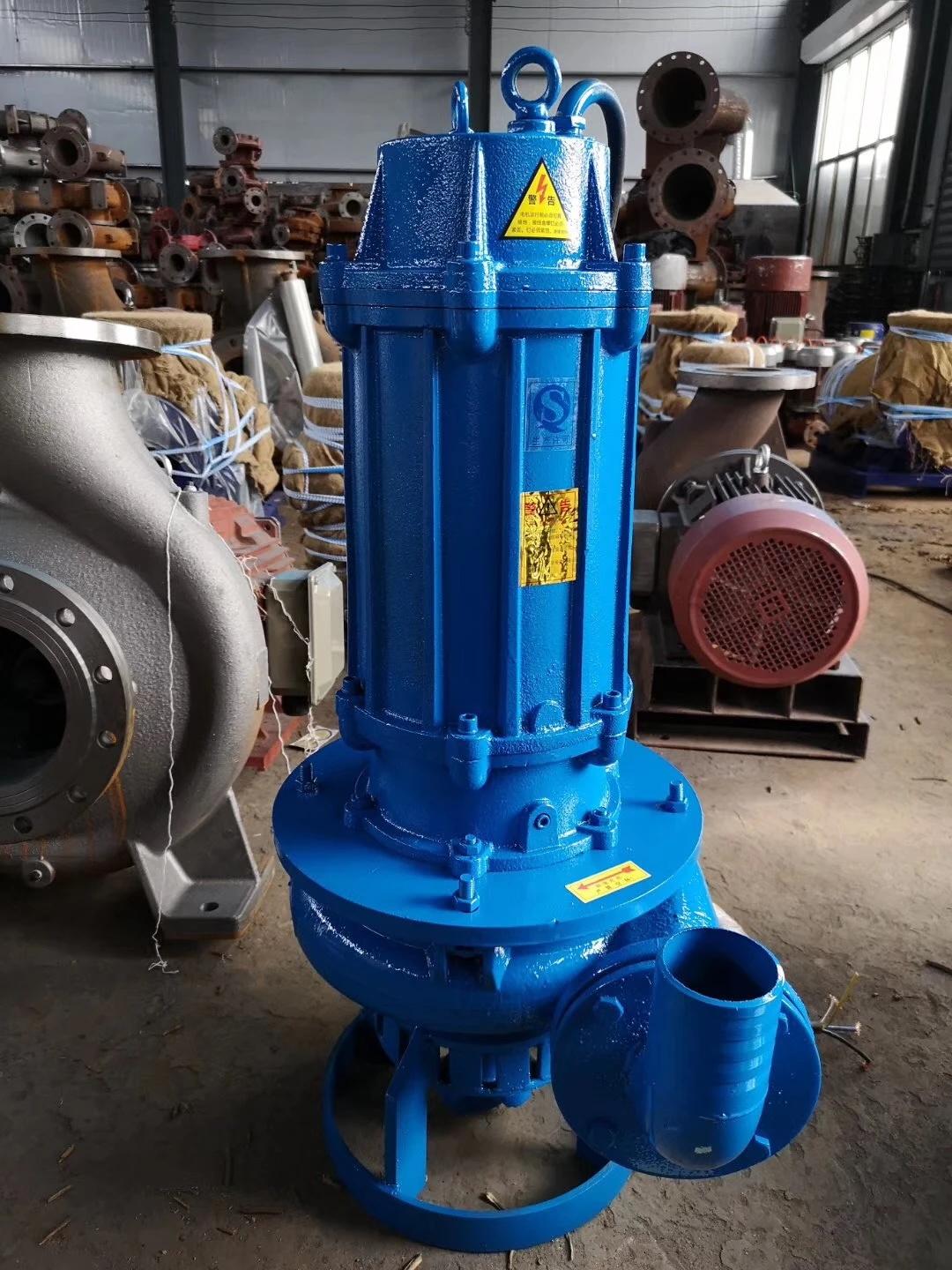
Performance & Engineering
The performance of a pipeline pumping system is defined by several key engineering parameters. Head (pressure increase), flow rate, and efficiency are the primary metrics. Head is influenced by the fluid's viscosity, density, pipeline elevation changes, and friction losses within the pipe. The Darcy-Weisbach equation and Hazen-Williams equation are commonly used to calculate friction losses. Flow rate is determined by the pump’s capacity and the system’s resistance. Pump efficiency represents the ratio of hydraulic power output to the mechanical power input, significantly impacting energy consumption. Cavitation, a common problem in centrifugal pumps, occurs when the absolute pressure at the pump inlet drops below the fluid's vapor pressure, forming vapor bubbles that collapse violently, causing erosion and noise. Net Positive Suction Head Required (NPSHr) must be carefully considered to prevent cavitation, and systems must be designed to ensure adequate NPSHa (Net Positive Suction Head Available). Pipeline design incorporates stress analysis to account for internal pressure, external loads, and thermal expansion. Finite Element Analysis (FEA) is often employed to model stresses and strains. Compliance requirements vary by region and application. For oil and gas pipelines, adherence to ASME B31.8 is crucial. Water and wastewater pipelines often fall under the purview of AWWA standards (American Water Works Association). Environmental resistance considerations include protection against external corrosion (soil-to-steel corrosion) and UV degradation of protective coatings. Furthermore, hydraulic transient analysis (water hammer) is critical in pipeline design to prevent damage from sudden changes in flow velocity.
Technical Specifications
| Pump Type | Maximum Flow Rate (m³/hr) | Maximum Head (meters) | Maximum Operating Pressure (bar) |
|---|---|---|---|
| Centrifugal Pump | 500 | 150 | 40 |
| Positive Displacement (Screw Pump) | 150 | 200 | 100 |
| Positive Displacement (Diaphragm Pump) | 80 | 80 | 20 |
| Submersible Pump | 300 | 100 | 30 |
| Pipeline Material (Carbon Steel) | Yield Strength (MPa) | Tensile Strength (MPa) | Elongation (%) |
| API 5L X42 | 345 | 485 | 21 |
Failure Mode & Maintenance
Pipeline pumping systems are susceptible to various failure modes. Corrosion, both internal and external, is a leading cause of pipeline failures, particularly in aggressive environments. Erosion, caused by abrasive particles in the fluid, can wear away pump impellers and pipeline walls. Fatigue cracking, resulting from cyclical loading, can occur in pipelines and pump components. Cavitation, as previously mentioned, causes significant damage to pump impellers. Seal failures in pumps lead to leakage and reduced efficiency. Common maintenance strategies include preventative maintenance (scheduled inspections, lubrication, and component replacements) and predictive maintenance (condition monitoring using vibration analysis, oil analysis, and thermal imaging). Non-destructive testing (NDT) techniques, like ultrasonic testing (UT) and radiographic testing (RT), are used to detect internal flaws in pipelines and pump components. Internal pipeline inspection tools (pigging) are employed to clean pipelines and assess their condition. For centrifugal pumps, regular impeller balancing is crucial to minimize vibration. For positive displacement pumps, gear or lobe inspection and replacement are essential. Effective corrosion control measures, such as cathodic protection and the use of corrosion inhibitors, are critical to extending pipeline lifespan. Proper filtration is important to prevent abrasive wear.
Industry FAQ
Q: What are the key considerations when selecting a pump for a viscous fluid?
A: When pumping viscous fluids, positive displacement pumps (screw, gear, or diaphragm pumps) are generally preferred over centrifugal pumps. Centrifugal pumps experience a significant drop in efficiency with increasing viscosity. Positive displacement pumps maintain relatively consistent flow rates regardless of viscosity, but pressure requirements increase with viscosity. Seal selection is also critical, as viscous fluids can be more challenging to seal effectively. Consideration of the fluid’s temperature and potential for shear-sensitive degradation is also crucial.
Q: How does pipeline roughness affect pumping efficiency?
A: Pipeline roughness significantly impacts pumping efficiency by increasing friction losses. Rougher pipelines create more turbulence, requiring more energy to maintain the same flow rate. The Hazen-Williams ‘C’ factor or the Moody diagram are used to quantify the impact of roughness. Over time, internal corrosion or scale buildup can increase pipeline roughness, reducing efficiency. Regular pigging and cleaning can help mitigate this effect.
Q: What is the role of NPSH in preventing pump cavitation?
A: Net Positive Suction Head (NPSH) is a critical parameter in preventing pump cavitation. NPSHa (Available) refers to the absolute pressure at the pump inlet, while NPSHr (Required) is the minimum pressure required by the pump to avoid cavitation. NPSHa must always be greater than NPSHr by a sufficient margin (typically 0.5-1 meter). Low NPSHa can result from high suction lift, high fluid temperature, or restrictions in the suction piping.
Q: What are the advantages and disadvantages of different pipeline materials?
A: Carbon steel offers high strength and low cost, but is susceptible to corrosion. Stainless steel provides excellent corrosion resistance but is more expensive. HDPE (High-Density Polyethylene) is lightweight and corrosion-resistant, but has lower strength and temperature limitations. Fiber Reinforced Polymer (FRP) offers high strength-to-weight ratio and corrosion resistance, but can be more complex to install. Material selection depends on the fluid being transported, operating conditions, and budget constraints.
Q: How can vibration analysis be used for predictive maintenance of pumping systems?
A: Vibration analysis is a powerful tool for detecting early signs of pump failure. Changes in vibration frequency or amplitude can indicate imbalances, misalignment, bearing wear, or cavitation. By monitoring vibration levels over time, maintenance personnel can identify potential problems before they lead to catastrophic failures, allowing for planned repairs and minimizing downtime. Trending data and comparing to baseline measurements is crucial for effective vibration analysis.
Conclusion
Effective pipeline pumping is a multifaceted engineering discipline reliant on careful material selection, precise manufacturing, thorough performance analysis, and proactive maintenance. The selection of appropriate pump technologies and pipeline materials is dictated by fluid characteristics, operating conditions, and compliance mandates. Understanding the potential failure modes – corrosion, erosion, cavitation, and fatigue – is paramount to ensuring long-term system reliability and minimizing lifecycle costs. Ongoing monitoring and predictive maintenance practices, leveraging techniques like vibration analysis and non-destructive testing, are essential for optimizing performance and preventing unplanned outages.
Looking ahead, advancements in pump design, such as variable speed drives and intelligent pump controllers, will further enhance energy efficiency and system flexibility. The integration of digital technologies, including the Industrial Internet of Things (IIoT) and machine learning, will enable more sophisticated condition monitoring and predictive maintenance capabilities. Continued research and development into corrosion-resistant materials and innovative coating technologies will be crucial for extending pipeline lifespan and reducing environmental impact. A holistic approach, encompassing the entire pumping system lifecycle, remains the key to achieving sustainable and cost-effective fluid transport.
-
Comprehensive Guide to Waterproof ORings for Optimal Sealing Solutions
News2026-06-09
-
septic system sump pump Performance Analysis
News2026-06-26
-
septic pump company Performance Analysis
News2026-06-26
-
pumps water treatment Performance Analysis
News2026-06-26
-
pumps for septic tanks Material Science and Manufacturing
News2026-06-26
-
pump for septic system Material Science Manufacturing
News2026-06-26
-
heavy duty submersible pump Performance Analysis
News2026-06-25
-
best submersible pump for septic tank Performance Analysis
News2026-06-25
-
basement sewer ejector pump Performance Analysis
News2026-06-25
-
basement pumps ejector pumps Performance Analysis
News2026-06-25
-
basement lift pump Performance and Engineering
News2026-06-25
-
basement bathroom pump systems Performance Analysis
News2026-06-24
-
basement bathroom ejector pump system Performance Engineering
News2026-06-24
-
2 hp sewage pump Performance Engineering
News2026-06-24
-
1 hp septic pump Performance Engineering
News2026-06-24




