English
- Afrikaans
- Albanian
- Amharic
- Arabic
- Armenian
- Azerbaijani
- Basque
- Belarusian
- Bengali
- Bosnian
- Bulgarian
- Catalan
- Cebuano
- Corsican
- Croatian
- Czech
- Danish
- Dutch
- English
- Esperanto
- Estonian
- Finnish
- French
- Frisian
- Galician
- Georgian
- German
- Greek
- Gujarati
- Haitian Creole
- hausa
- hawaiian
- Hebrew
- Hindi
- Miao
- Hungarian
- Icelandic
- igbo
- Indonesian
- irish
- Italian
- Japanese
- Javanese
- Kannada
- kazakh
- Khmer
- Rwandese
- Korean
- Kurdish
- Kyrgyz
- Lao
- Latin
- Latvian
- Lithuanian
- Luxembourgish
- Macedonian
- Malgashi
- Malay
- Malayalam
- Maltese
- Maori
- Marathi
- Mongolian
- Myanmar
- Nepali
- Norwegian
- Norwegian
- Occitan
- Pashto
- Persian
- Polish
- Portuguese
- Punjabi
- Romanian
- Russian
- Samoan
- Scottish Gaelic
- Serbian
- Sesotho
- Shona
- Sindhi
- Sinhala
- Slovak
- Slovenian
- Somali
- Spanish
- Sundanese
- Swahili
- Swedish
- Tagalog
- Tajik
- Tamil
- Tatar
- Telugu
- Thai
- Turkish
- Turkmen
- Ukrainian
- Urdu
- Uighur
- Uzbek
- Vietnamese
- Welsh
- Bantu
- Yiddish
- Yoruba
- Zulu

Telephone: +86 13120555503
Email: frank@cypump.com


Apr . 01, 2024 17:55 Back to list
pipeline pumping and compression systems a practical approach Material Science Manufacturing
Introduction
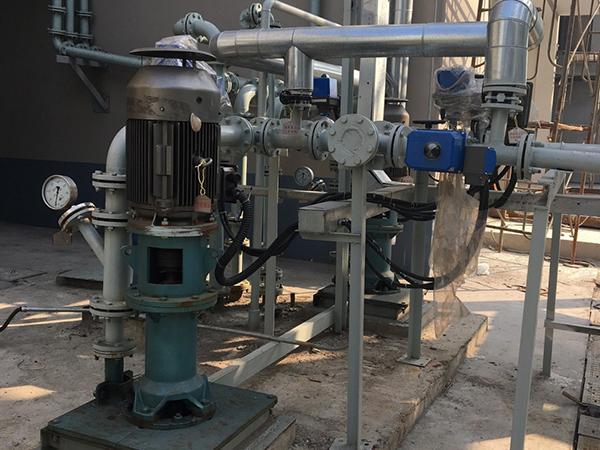
Pipeline pumping and compression systems are critical components of the oil and gas, petrochemical, and water transport industries. These systems facilitate the long-distance movement of fluids, often over challenging terrains and varying pressures. The practical approach to their design, operation, and maintenance necessitates a thorough understanding of fluid dynamics, mechanical engineering, and materials science. The core performance metrics revolve around volumetric flow rate, pressure differential, energy efficiency, and system reliability. This guide will detail the intricacies of these systems, from material selection and manufacturing processes to failure modes and industry standards, offering a comprehensive resource for engineers, procurement managers, and operators.
Material Science & Manufacturing
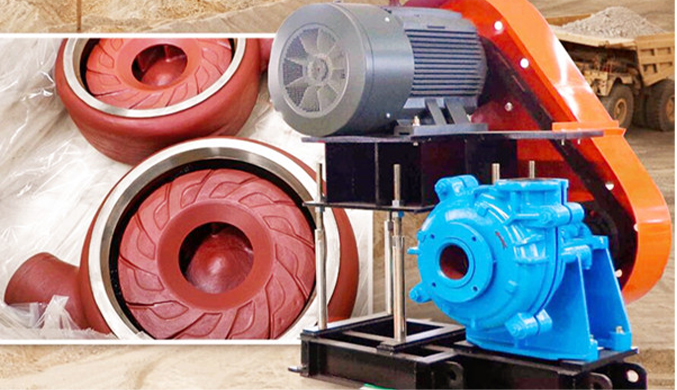
The core materials used in pipeline pumping and compression systems are dictated by the fluid being transported, the operating pressure, temperature, and the surrounding environment. Pipeline steel, typically carbon steel with specific alloying elements like manganese, silicon, and chromium, forms the structural backbone. The manufacturing process for large-diameter pipes involves seamless and welded construction. Seamless pipes are produced through processes like rotary piercing and mandrel rolling, offering superior strength and resistance to burst pressure. Welded pipes, created through Electric Resistance Welding (ERW) or Submerged Arc Welding (SAW), offer cost-effectiveness, but weld integrity is paramount, requiring rigorous Non-Destructive Testing (NDT) such as ultrasonic testing and radiographic inspection. Compressor components, especially impellers and casings, utilize materials like ductile iron, stainless steel (304, 316), and sometimes specialized alloys like Inconel depending on the corrosive nature of the gas being compressed. Pump impellers are frequently manufactured from cast iron or stainless steel using investment casting or centrifugal casting. Seals, critical for leak prevention, are often composed of elastomers like Viton, PTFE, or specialized polymers with high chemical resistance. Parameter control during manufacturing, such as precise temperature regulation during welding and adherence to strict chemical composition standards, is vital to ensure material properties meet required specifications. Corrosion inhibitors and internal coatings (epoxy, polyurethane) are commonly applied to mitigate internal corrosion.
Performance & Engineering
The performance of pipeline systems is governed by principles of fluid dynamics, particularly the Darcy-Weisbach equation and the Fanning equation, which describe frictional head loss. Accurate calculation of these losses is crucial for selecting appropriate pump and compressor sizes. Force analysis, including stress calculations due to internal pressure, external loads (soil pressure, seismic activity), and thermal expansion, dictates the required wall thickness of the pipeline. Environmental resistance is a major concern. For offshore pipelines, considerations include wave loading, marine growth, and cathodic protection to prevent corrosion. For land-based pipelines, soil conditions, temperature variations, and potential for landslides require engineering solutions such as pipeline anchoring and thermal stress mitigation. Compliance requirements are stringent, dictated by regulations like 49 CFR Part 192 (USA) and similar standards in other jurisdictions, focusing on pipeline integrity management, leak detection, and emergency response. Compressor performance is evaluated based on volumetric efficiency, adiabatic efficiency, and power consumption. Pump performance is assessed using pump curves depicting head-capacity relationships and efficiency curves. Suction-specific speed is a key parameter in pump selection, dictating the impeller design and operating characteristics. Cavitation, a potential failure mode in pumps, must be avoided through proper Net Positive Suction Head (NPSH) calculations.
Technical Specifications
| Parameter | Centrifugal Pump (Typical) | Reciprocating Compressor (Typical) | Pipeline Steel (API 5L Grade X65) |
|---|---|---|---|
| Maximum Operating Pressure | 250 psi (17.2 bar) | 1500 psi (103.4 bar) | 80,000 psi (551.6 MPa) Yield Strength |
| Flow Rate Range | 100 – 10,000 gpm (378 – 37,854 lpm) | 50 – 5000 scfm (1.4 – 141.6 m³/min) | Diameter: 4 – 48 inches (102 – 1219 mm) |
| Temperature Range | -20°F to 250°F (-29°C to 121°C) | -40°F to 400°F (-40°C to 204°C) | -45°F to 450°F (-43°C to 232°C) |
| Material (Typical) | Cast Iron, Stainless Steel (316) | Ductile Iron, Carbon Steel | Carbon Steel (API 5L X65) |
| Efficiency (Typical) | 70 – 85% | 75 – 90% | N/A |
| Seal Material (Typical) | Viton, PTFE | PTFE, Carbon Graphite | N/A |
Failure Mode & Maintenance
Common failure modes in pipeline pumping and compression systems include fatigue cracking in pipelines due to cyclic pressure variations and thermal stress, corrosion (internal and external) leading to wall thinning and leaks, pump cavitation causing impeller erosion, compressor valve failures due to wear or fouling, and seal failures resulting in fluid leakage. Fatigue cracking can be mitigated through stress relief techniques (heat treatment) and regular inspection using NDT methods. Corrosion is addressed through corrosion inhibitors, coatings, and cathodic protection. Pump cavitation is prevented by maintaining adequate NPSH. Compressor valve failures require periodic inspection and replacement. Seal failures necessitate careful selection of seal materials and proper installation. Maintenance routines should include vibration analysis of rotating equipment, oil analysis to detect wear debris, regular inspection of pipelines for corrosion and cracks, leak detection surveys, and periodic overhaul of pumps and compressors. Predictive maintenance techniques, such as machine learning algorithms analyzing sensor data, can optimize maintenance schedules and prevent unexpected failures. Proper documentation of maintenance activities and failure analysis is essential for continuous improvement.
Industry FAQ
Q: What are the primary causes of pipeline corrosion, and how can they be effectively mitigated?
A: Pipeline corrosion is primarily caused by the electrochemical reaction between the pipeline material and the surrounding environment. Internal corrosion results from the corrosive nature of the transported fluid (e.g., CO2, H2S in oil and gas), while external corrosion stems from soil conditions, moisture, and atmospheric exposure. Mitigation strategies include the use of corrosion-resistant alloys (e.g., stainless steel), application of protective coatings (epoxy, polyurethane), implementation of cathodic protection systems, and continuous injection of corrosion inhibitors into the fluid stream.
Q: How do you determine the optimal pump size for a given pipeline application?
A: Determining the optimal pump size involves several factors. First, the required flow rate and total dynamic head (TDH) must be calculated, considering frictional losses within the pipeline and elevation changes. Then, a pump curve is consulted to identify a pump that can deliver the desired flow rate at the calculated TDH with acceptable efficiency. NPSH requirements must also be considered to prevent cavitation. Finally, factors like fluid viscosity and potential for solids transport influence pump selection.
Q: What is the role of surge protection in pipeline systems?
A: Surge protection, or transient pressure control, is crucial for preventing damage caused by rapid changes in flow velocity. These changes can occur due to sudden valve closures, pump start-ups or shutdowns, or power outages. Surge protectors, such as surge tanks or relief valves, are installed to absorb or dissipate the pressure wave, preventing excessive stress on the pipeline and associated equipment.
Q: What are the critical considerations for maintaining compressor valves?
A: Compressor valves are subject to significant wear and tear due to continuous cycling and exposure to high temperatures and pressures. Critical considerations include regular inspection for wear, damage, and leaks. Valve seat lapping or replacement may be necessary to maintain proper sealing. Monitoring valve performance through vibration analysis and pressure measurements can provide early warning signs of potential failures. Proper lubrication is also essential for valve longevity.
Q: How important is leak detection in pipeline systems, and what technologies are commonly used?
A: Leak detection is paramount for safety, environmental protection, and economic reasons. Common technologies include Computational Pipeline Monitoring (CPM), which uses hydraulic models to detect deviations from expected operating conditions; Acoustic Emission Monitoring (AEM), which detects the sound of leaks; and Fiber Optic Distributed Temperature Sensing (DTS), which monitors temperature changes along the pipeline. Regular visual inspections and aerial surveys are also important components of a comprehensive leak detection program.
Conclusion
Pipeline pumping and compression systems represent a complex interplay of engineering disciplines and material science. Effective design, operation, and maintenance are predicated on a deep understanding of fluid dynamics, stress analysis, corrosion mechanisms, and industry-specific regulations. The selection of appropriate materials, coupled with rigorous manufacturing processes and proactive maintenance strategies, is essential for ensuring system reliability and longevity.
Looking forward, the industry is increasingly focused on adopting advanced technologies such as predictive maintenance powered by machine learning, advanced materials with enhanced corrosion resistance, and optimized control systems to enhance efficiency and reduce environmental impact. Continued adherence to stringent safety standards and a commitment to continuous improvement will be crucial for maintaining the integrity and sustainability of these vital infrastructure systems.
-
Comprehensive Guide to Waterproof ORings for Optimal Sealing Solutions
News2026-06-09
-
septic system sump pump Performance Analysis
News2026-06-26
-
septic pump company Performance Analysis
News2026-06-26
-
pumps water treatment Performance Analysis
News2026-06-26
-
pumps for septic tanks Material Science and Manufacturing
News2026-06-26
-
pump for septic system Material Science Manufacturing
News2026-06-26
-
heavy duty submersible pump Performance Analysis
News2026-06-25
-
best submersible pump for septic tank Performance Analysis
News2026-06-25
-
basement sewer ejector pump Performance Analysis
News2026-06-25
-
basement pumps ejector pumps Performance Analysis
News2026-06-25
-
basement lift pump Performance and Engineering
News2026-06-25
-
basement bathroom pump systems Performance Analysis
News2026-06-24
-
basement bathroom ejector pump system Performance Engineering
News2026-06-24
-
2 hp sewage pump Performance Engineering
News2026-06-24
-
1 hp septic pump Performance Engineering
News2026-06-24




