English
- Afrikaans
- Albanian
- Amharic
- Arabic
- Armenian
- Azerbaijani
- Basque
- Belarusian
- Bengali
- Bosnian
- Bulgarian
- Catalan
- Cebuano
- Corsican
- Croatian
- Czech
- Danish
- Dutch
- English
- Esperanto
- Estonian
- Finnish
- French
- Frisian
- Galician
- Georgian
- German
- Greek
- Gujarati
- Haitian Creole
- hausa
- hawaiian
- Hebrew
- Hindi
- Miao
- Hungarian
- Icelandic
- igbo
- Indonesian
- irish
- Italian
- Japanese
- Javanese
- Kannada
- kazakh
- Khmer
- Rwandese
- Korean
- Kurdish
- Kyrgyz
- Lao
- Latin
- Latvian
- Lithuanian
- Luxembourgish
- Macedonian
- Malgashi
- Malay
- Malayalam
- Maltese
- Maori
- Marathi
- Mongolian
- Myanmar
- Nepali
- Norwegian
- Norwegian
- Occitan
- Pashto
- Persian
- Polish
- Portuguese
- Punjabi
- Romanian
- Russian
- Samoan
- Scottish Gaelic
- Serbian
- Sesotho
- Shona
- Sindhi
- Sinhala
- Slovak
- Slovenian
- Somali
- Spanish
- Sundanese
- Swahili
- Swedish
- Tagalog
- Tajik
- Tamil
- Tatar
- Telugu
- Thai
- Turkish
- Turkmen
- Ukrainian
- Urdu
- Uighur
- Uzbek
- Vietnamese
- Welsh
- Bantu
- Yiddish
- Yoruba
- Zulu

Telephone: +86 13120555503
Email: frank@cypump.com


Apr . 01, 2024 17:55 Back to list
Pipeline Pump Station Performance and Engineering
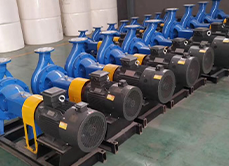
Introduction
Pipeline pump stations represent a critical infrastructure component in the long-haul transportation of fluids – primarily crude oil, refined petroleum products, natural gas liquids, and water – through pipeline networks. Positioned at strategic intervals along pipeline routes, these facilities overcome frictional losses and elevation changes by boosting pressure, ensuring continuous and efficient flow. Unlike simple in-line booster pumps, a pump station is a complex system encompassing multiple pumps (often in parallel redundancy), filtration, instrumentation, control systems, and safety features. Core performance metrics revolve around volumetric flow rate (typically measured in barrels per day or cubic meters per hour), discharge pressure (PSI or kPa), net positive suction head (NPSH) available, and overall system efficiency. The selection and design of pipeline pump stations are heavily influenced by fluid properties (viscosity, density, corrosivity), pipeline diameter and material, terrain profile, and regulatory compliance requirements. A critical pain point within the industry is maintaining reliable operation in remote locations, minimizing downtime, and optimizing energy consumption while adhering to stringent environmental regulations and safety protocols.
Material Science & Manufacturing
Pump station components are subject to diverse material requirements based on function and fluid exposure. Pump casings are commonly constructed from carbon steel (ASTM A216 WCC) for general service, but alloy steels (ASTM A351 Grade CX) are employed for increased strength and corrosion resistance, particularly in high-pressure or chloride-containing environments. Impellers are frequently made from ductile iron (ASTM A536 65-45-12) due to its high tensile strength and erosion resistance, although stainless steel (316/316L) or duplex stainless steels (UNS S31803) are used for highly corrosive fluids. Pipeline sections within the station utilize carbon steel (API 5L Grade B or X42) with external coatings (epoxy, polyethylene) for corrosion protection. Seals and gaskets utilize materials like Viton (fluoroelastomer) or PTFE (polytetrafluoroethylene) for chemical compatibility and temperature resistance. Manufacturing processes include sand casting for pump housings, precision machining for impellers and shafts, and welding (SMAW, GTAW, SAW) for pipeline fabrication. Critical parameter control during welding includes pre- and post-weld heat treatment to mitigate stress corrosion cracking. Filtration systems use woven wire mesh (stainless steel 304) or sintered metal filters, manufactured via powder metallurgy techniques. The integrity of protective coatings is paramount; application requires surface preparation (sandblasting to SSPC-SP10 standard) and careful control of coating thickness and adhesion.
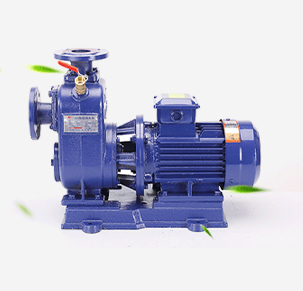
Performance & Engineering
Pump station performance is governed by hydraulic principles and system engineering. Force analysis involves calculating static and dynamic loads on pumps, pipelines, and support structures. NPSH is a critical parameter; insufficient NPSH leads to cavitation, damaging impellers and reducing pump efficiency. System head curves (pump head vs. flow rate) are meticulously calculated and matched to pipeline characteristics to optimize operating points. Environmental resistance considerations include temperature fluctuations (material thermal expansion/contraction), seismic activity (structural design to withstand ground acceleration), and atmospheric corrosion (coating systems and cathodic protection). Compliance requirements are dictated by API 610 (Centrifugal Pumps) for pump specifications, ASME B31.8 (Gas Transmission and Distribution Piping Systems) for pipeline design, and environmental regulations (EPA, local authorities) concerning leak detection and spill prevention. Electrical systems must comply with NEC (National Electrical Code) standards. Functional implementation involves sophisticated control systems (SCADA – Supervisory Control and Data Acquisition) for remote monitoring, automated shutdown procedures, and data logging for performance analysis. Fatigue analysis is performed on rotating components (impellers, shafts) to predict service life under cyclic loading. Piping layouts are designed to minimize pressure drop and facilitate maintenance access.
Technical Specifications
| Pump Capacity (BPD) | Discharge Pressure (PSI) | Pump Type | Motor Power (HP) |
|---|---|---|---|
| 5,000 - 20,000 | 500 - 1,500 | Centrifugal (Single-Stage) | 200 - 800 |
| 20,000 - 50,000 | 1,500 - 3,000 | Centrifugal (Multi-Stage) | 800 - 2,000 |
| 50,000 - 100,000+ | 3,000 - 5,000+ | Centrifugal (Multi-Stage, API 610) | 2,000 - 5,000+ |
| Variable (Dependent on Flow) | Up to 10,000 | Positive Displacement (Reciprocating, Diaphragm) | 50 – 500 |
| Pipeline Diameter (Inches) | Wall Thickness (Inches) | Material Grade | Coating Type |
| 6 – 48 | 0.125 – 1.0 | API 5L X42 – X80 | Epoxy, Polyethylene, Fusion Bonded Epoxy (FBE) |
Failure Mode & Maintenance
Common failure modes in pipeline pump stations include cavitation erosion (impeller damage due to vapor bubble implosion), bearing failure (lack of lubrication or excessive load), seal leakage (material degradation or misalignment), pipeline corrosion (internal or external), and motor winding failure (overheating or insulation breakdown). Cavitation is identified by impeller surface pitting and noise. Bearing failure manifests as increased vibration and temperature. Corrosion leads to wall thinning and potential pipeline rupture. Failure analysis techniques include visual inspection, non-destructive testing (ultrasonic testing, radiographic testing), oil analysis (for bearing wear debris), and metallurgical examination. Maintenance strategies encompass preventative maintenance (scheduled lubrication, filter replacements, visual inspections), predictive maintenance (vibration analysis, thermography), and corrective maintenance (repair or replacement of failed components). Regular pipeline pigging removes debris and scale buildup, mitigating corrosion. Cathodic protection systems are monitored to ensure adequate corrosion control. Pump alignment is crucial; laser alignment tools are used to minimize vibration and bearing wear. Spare parts inventory management is essential to minimize downtime. Regular training for station operators is critical for early detection of anomalies and proper response to equipment malfunctions. Scheduled pump overhauls (every 3-5 years) involve complete disassembly, inspection, and replacement of worn components.
Industry FAQ
Q: What are the primary considerations when selecting a pump type for a specific pipeline application?
A: The selection hinges on several factors: fluid viscosity, flow rate, discharge pressure requirements, and fluid corrosivity. Centrifugal pumps are ideal for high-flow, low-to-moderate pressure applications with relatively clean fluids. Positive displacement pumps are favored for viscous fluids or applications requiring precise metering. API 610 compliance is often mandated for critical applications. The NPSH available must also be carefully considered to prevent cavitation.
Q: How does pipeline routing and elevation change impact pump station design?
A: Significant elevation changes necessitate increased discharge pressure to overcome gravity. Pump stations are strategically located at intervals to maintain adequate pressure throughout the pipeline. Complex routing (bends, hills) increases frictional losses, requiring additional boosting capacity. Pipeline material and diameter also influence pressure drop calculations.
Q: What measures are taken to prevent and mitigate pipeline corrosion within a pump station?
A: Corrosion mitigation involves several strategies: protective coatings (epoxy, polyethylene), cathodic protection (sacrificial anodes or impressed current systems), corrosion inhibitors (chemical treatment of the fluid), material selection (stainless steel or duplex stainless steel for corrosive fluids), and regular pipeline inspections for wall thinning. Water removal from hydrocarbon pipelines is also crucial.
Q: What role does SCADA play in optimizing pump station operation and ensuring safety?
A: SCADA systems provide real-time monitoring of critical parameters (pressure, flow rate, temperature, vibration), allowing operators to remotely control pumps, valves, and other equipment. Automated shutdown procedures are triggered by abnormal conditions (e.g., low suction pressure, high vibration). Data logging facilitates performance analysis and predictive maintenance. SCADA enhances safety by enabling rapid response to leaks or emergencies.
Q: What are the key preventative maintenance tasks for a pipeline pump station?
A: Key tasks include regular lubrication of bearings, inspection and replacement of filters, visual inspection of pumps and pipelines for leaks or corrosion, vibration analysis, thermography, oil analysis, pump alignment checks, and testing of safety shutdown systems. A documented preventative maintenance schedule is essential.
Conclusion
Pipeline pump stations represent a complex interplay of mechanical, hydraulic, and electrical engineering principles crucial for the safe and efficient transportation of fluids. Optimal station design necessitates meticulous material selection, rigorous adherence to industry standards (API, ASME), and the implementation of comprehensive monitoring and maintenance programs. The selection of pump type, coupled with careful hydraulic analysis, is paramount to achieving desired flow rates and pressures while minimizing energy consumption and operational costs.
Looking ahead, advancements in pump technology (variable frequency drives, smart pumps) and data analytics (predictive maintenance algorithms) offer opportunities to further optimize pump station performance and reduce environmental impact. Increased focus on remote monitoring and automation will be crucial for managing increasingly complex pipeline networks and ensuring long-term operational reliability. Ongoing research into corrosion-resistant materials and advanced coating systems is essential for extending the lifespan of pipeline infrastructure.
-
Comprehensive Guide to Waterproof ORings for Optimal Sealing Solutions
News2026-06-09
-
Septic Pump System Performance Analysis
News2026-06-08
-
pump for septic Material Science
News2026-06-08
-
basement sewer pump Performance Analysis
News2026-06-08
-
submerged pump Performance Engineering
News2026-06-08
-
Septic System Pumps Performance Analysis
News2026-06-08
-
septic system pump Material Science and Manufacturing
News2026-06-07
-
pump for septic tank Material Science Manufacturing
News2026-06-07
-
submersible sewage pump Material Science
News2026-06-07
-
Sewage Ejector Material Science and Manufacturing
News2026-06-07
-
Ejection Pump Material Science
News2026-06-07
-
pump submersible Performance Analysis
News2026-06-06
-
ejector pumps Performance Engineering
News2026-06-06
-
basement ejector pump Material Science Manufacturing
News2026-06-06
-
Septic Tanks Pumping Performance Analysis
News2026-06-06




