English
- Afrikaans
- Albanian
- Amharic
- Arabic
- Armenian
- Azerbaijani
- Basque
- Belarusian
- Bengali
- Bosnian
- Bulgarian
- Catalan
- Cebuano
- Corsican
- Croatian
- Czech
- Danish
- Dutch
- English
- Esperanto
- Estonian
- Finnish
- French
- Frisian
- Galician
- Georgian
- German
- Greek
- Gujarati
- Haitian Creole
- hausa
- hawaiian
- Hebrew
- Hindi
- Miao
- Hungarian
- Icelandic
- igbo
- Indonesian
- irish
- Italian
- Japanese
- Javanese
- Kannada
- kazakh
- Khmer
- Rwandese
- Korean
- Kurdish
- Kyrgyz
- Lao
- Latin
- Latvian
- Lithuanian
- Luxembourgish
- Macedonian
- Malgashi
- Malay
- Malayalam
- Maltese
- Maori
- Marathi
- Mongolian
- Myanmar
- Nepali
- Norwegian
- Norwegian
- Occitan
- Pashto
- Persian
- Polish
- Portuguese
- Punjabi
- Romanian
- Russian
- Samoan
- Scottish Gaelic
- Serbian
- Sesotho
- Shona
- Sindhi
- Sinhala
- Slovak
- Slovenian
- Somali
- Spanish
- Sundanese
- Swahili
- Swedish
- Tagalog
- Tajik
- Tamil
- Tatar
- Telugu
- Thai
- Turkish
- Turkmen
- Ukrainian
- Urdu
- Uighur
- Uzbek
- Vietnamese
- Welsh
- Bantu
- Yiddish
- Yoruba
- Zulu

Telephone: +86 13120555503
Email: frank@cypump.com


Apr . 01, 2024 17:55 Back to list
Pipeline Pump Station Design Performance Engineering
Introduction
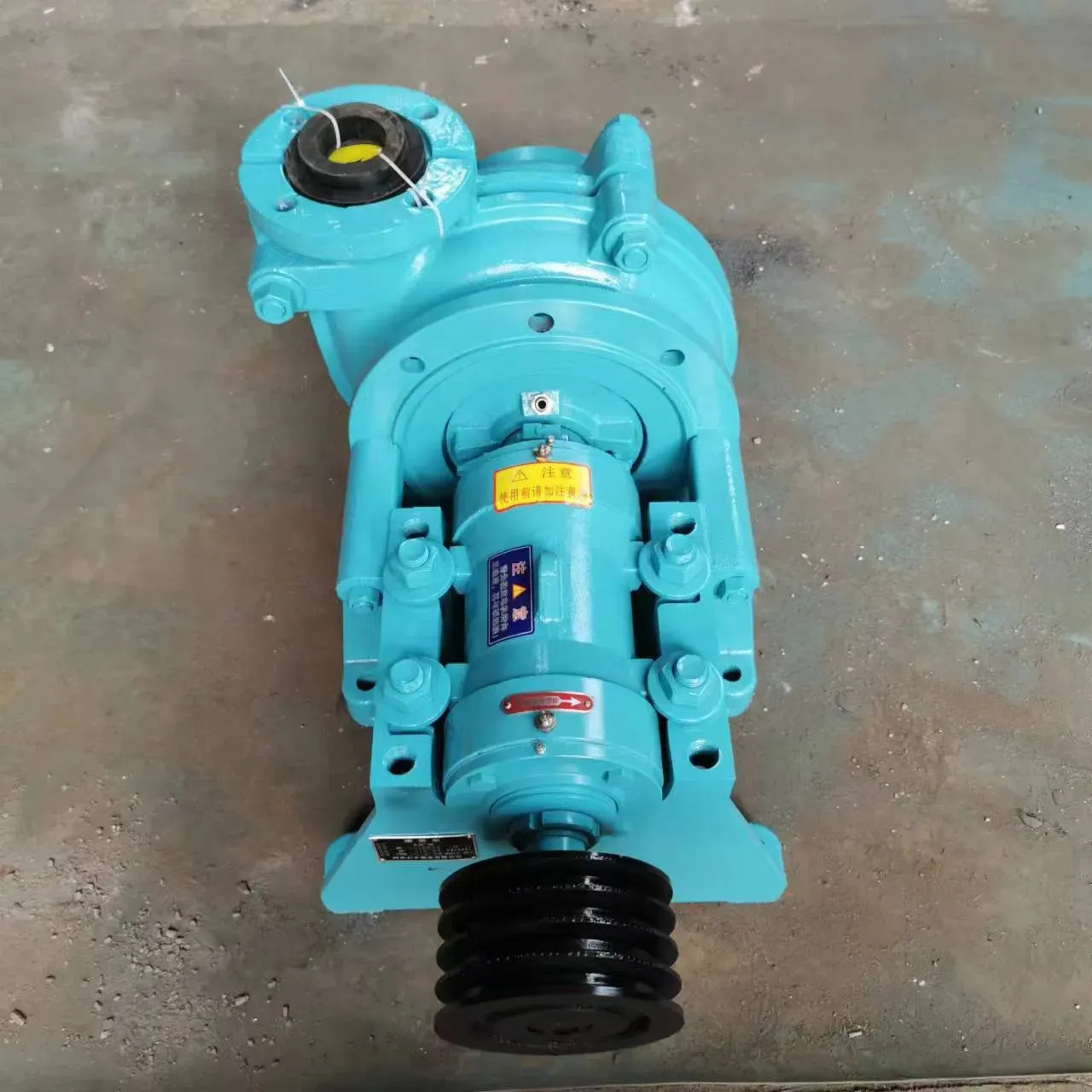
Pipeline pump stations represent critical infrastructure within the hydrocarbon, water, and slurry transport industries. Their function is to overcome frictional losses within pipelines and elevation changes, ensuring consistent fluid delivery. This guide provides a comprehensive technical overview of pipeline pump station design, encompassing material science, manufacturing considerations, performance engineering, failure analysis, and relevant industry standards. The selection and implementation of appropriate pump station components directly impacts operational efficiency, energy consumption, and long-term system reliability. Core industry pain points include cavitation prevention, corrosion mitigation, surge pressure control, and adherence to stringent environmental regulations. Modern pump station design emphasizes modularity, remote monitoring, and predictive maintenance to minimize downtime and lifecycle costs. Furthermore, considerations related to pipeline integrity and compatibility with transported fluids are paramount in ensuring safe and efficient operation. This guide targets engineers, project managers, and procurement specialists involved in the development and maintenance of pipeline infrastructure.
Material Science & Manufacturing
Pump station components are constructed from a diverse range of materials, selected based on fluid compatibility, pressure requirements, and environmental conditions. Pump casings are frequently manufactured from ductile iron (ASTM A536), offering a balance of strength, ductility, and corrosion resistance. Impeller materials often include stainless steel (304, 316 – ASTM A743) for resistance to erosion and corrosion, particularly when handling abrasive or corrosive fluids. Piping systems commonly employ carbon steel (API 5L) with internal epoxy coatings to prevent corrosion. Valve bodies are typically made from cast iron (ASTM A126) or stainless steel, depending on fluid properties and service conditions. Manufacturing processes vary significantly depending on the component. Pump casings utilize sand casting followed by machining to precise tolerances. Impellers are often investment cast for complex geometries and high dimensional accuracy. Piping is manufactured via seamless or welded steel pipe, undergoing hydrostatic testing to verify integrity. Valves are produced through casting, forging, and machining. Critical parameters during manufacturing include surface finish (Ra values) to minimize friction losses, weld quality (AWS D1.1) to prevent stress corrosion cracking, and dimensional accuracy to ensure proper component fit and function. Material selection must also consider the transported fluid’s pH, temperature, and presence of solids. For example, transporting highly corrosive fluids necessitates the use of more exotic alloys such as duplex stainless steel or Hastelloy. Non-destructive testing (NDT) methods, including ultrasonic testing (UT) and radiographic testing (RT), are vital for quality control throughout the manufacturing process.
Performance & Engineering
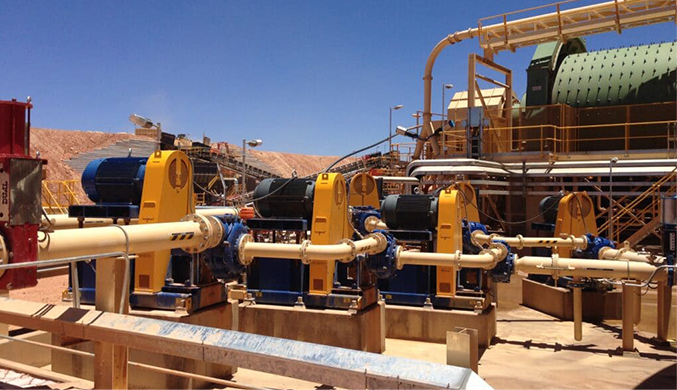
Pump station performance is governed by hydraulic principles and system design considerations. Key performance parameters include flow rate, head (pressure), pump efficiency, and net positive suction head required (NPSHr). Pump selection must accurately match the system curve, which represents the head-flow relationship of the pipeline. Cavitation, a major concern, occurs when the absolute pressure at the pump suction falls below the fluid’s vapor pressure, leading to vapor bubble formation and subsequent implosion, causing erosion and reduced pump efficiency. Preventing cavitation requires careful consideration of NPSHa (Net Positive Suction Head Available) and ensuring it exceeds NPSHr by a sufficient margin. Surge pressure analysis is crucial to mitigate the effects of rapid valve closures or pump start/stop events. Surge arrestors, such as surge tanks or relief valves, are incorporated to dissipate energy and prevent over-pressurization. Environmental resistance is paramount, particularly in extreme climates. Pump station buildings require insulation to protect equipment from freezing temperatures. Corrosion protection measures, including cathodic protection and protective coatings, are implemented to prevent deterioration of metallic components. Furthermore, compliance with environmental regulations regarding noise pollution and emissions is essential. Acoustic enclosures and exhaust gas treatment systems are employed to minimize environmental impact. The design must also account for seismic activity and incorporate appropriate structural reinforcements. Force analysis, including stress calculations on piping and support structures, ensures structural integrity under operational loads. Pump station layouts are optimized for accessibility, maintenance, and safety, adhering to relevant occupational health and safety standards.
Technical Specifications
| Pump Type | Flow Rate (m³/hr) | Head (m) | Power (kW) | |
|---|---|---|---|---|
| Centrifugal | 50-500 | 20-150 | 30-200 | |
| Positive Displacement (Reciprocating) | 5-100 | 100-500 | 50-500 | |
| Submersible | 10-300 | 10-80 | 15-100 | |
| Vertical Turbine | 100-1000 | 50-300 | 100-500 | |
| Piping Material (Suction) | Carbon Steel (API 5L) | Stainless Steel (304/316) | HDPE | Fiberglass Reinforced Plastic (FRP) |
| Piping Material (Discharge) | Carbon Steel (API 5L) | Stainless Steel (304/316) | HDPE | FRP |
Failure Mode & Maintenance
Pipeline pump stations are susceptible to various failure modes. Cavitation, as previously mentioned, leads to impeller erosion and reduced pump performance. Corrosion, particularly in pipelines and pump casings, weakens material integrity and can result in leaks or catastrophic failure. Fatigue cracking, induced by cyclic loading, can occur in pump shafts, impellers, and piping. Seal failures are common, leading to leakage and reduced efficiency. Bearing failures, caused by lubrication issues or excessive loads, can result in pump seizure. Electrical failures, including motor winding burnout and control system malfunctions, can halt pump station operation. Degradation of coatings and linings exposes underlying materials to corrosive environments. Regular preventative maintenance is crucial to mitigate these risks. This includes vibration analysis, oil analysis, thermal imaging, visual inspections, and leak detection. Impeller trimming and balancing restore hydraulic efficiency. Seal replacement prevents leakage. Bearing lubrication and alignment extend bearing life. Coating repair protects against corrosion. Predictive maintenance, utilizing data analytics and condition monitoring, allows for proactive identification of potential failures and scheduling of repairs. Failure analysis techniques, such as fractography and metallography, are employed to determine the root cause of failures and implement corrective actions. Proper documentation of maintenance activities is essential for tracking performance and identifying recurring issues. The implementation of a robust maintenance management system (CMMS) streamlines maintenance processes and ensures timely completion of tasks.
Industry FAQ
Q: What are the key considerations when selecting a pump type for a crude oil pipeline pump station?
A: The viscosity and temperature of the crude oil are primary considerations. Centrifugal pumps are generally suitable for lower viscosity oils, while positive displacement pumps (e.g., reciprocating or progressing cavity) are preferred for higher viscosity oils. The required head and flow rate, as well as the presence of solids, also influence pump selection. API standards for crude oil pumping dictate specific pump performance characteristics and material requirements.
Q: How do you mitigate the risk of corrosion in a saltwater pipeline pump station?
A: Employing corrosion-resistant materials, such as duplex stainless steel or FRP for piping and pump casings, is crucial. Cathodic protection systems, including impressed current cathodic protection (ICCP) and sacrificial anodes, prevent corrosion of buried pipelines. Internal epoxy coatings provide a barrier against corrosive fluids. Regular monitoring of corrosion rates and implementation of corrosion inhibitors are also essential.
Q: What is the importance of NPSH in pump station design, and how is it calculated?
A: NPSH (Net Positive Suction Head) is critical for preventing cavitation. NPSHa (Available) must always exceed NPSHr (Required) by a sufficient margin (typically 3-5 feet). NPSHa is calculated based on the suction pressure, fluid vapor pressure, fluid temperature, and elevation difference between the fluid source and the pump suction. Accurate NPSH calculation is vital to ensure reliable pump operation and prevent impeller damage.
Q: What are the typical instrumentation and control systems used in a modern pipeline pump station?
A: Modern pump stations utilize Programmable Logic Controllers (PLCs) for automated control. Key instrumentation includes pressure transmitters, flow meters, level transmitters, temperature sensors, and vibration monitors. Supervisory Control and Data Acquisition (SCADA) systems provide remote monitoring and control capabilities. Control strategies include PID control loops for flow and pressure regulation, anti-cavitation control, and emergency shutdown systems (ESD).
Q: What are the key safety considerations for personnel working in a pipeline pump station?
A: Lockout/Tagout procedures are essential for safely performing maintenance. Confined space entry procedures must be followed when entering tanks or vessels. Hazardous area classification (e.g., ATEX or IECEx) dictates the use of explosion-proof equipment in areas with flammable atmospheres. Personnel protective equipment (PPE), including respirators, safety glasses, and gloves, must be worn. Emergency response plans and regular safety training are crucial.
Conclusion
The design of pipeline pump stations is a complex engineering discipline demanding a thorough understanding of fluid mechanics, material science, and industry best practices. Successful implementation hinges on meticulous component selection, precise manufacturing control, rigorous performance analysis, and proactive maintenance strategies. Addressing the inherent challenges of cavitation, corrosion, and surge pressure is paramount to ensuring long-term reliability and operational efficiency.
Future trends in pipeline pump station design will likely focus on increased automation, remote monitoring capabilities, and the integration of predictive maintenance techniques. The adoption of advanced materials and innovative pump technologies will further enhance performance and reduce lifecycle costs. Continued adherence to stringent safety standards and environmental regulations will remain critical for responsible operation within the pipeline industry.
-
Comprehensive Guide to Waterproof ORings for Optimal Sealing Solutions
News2026-06-09
-
heavy duty submersible pump Performance Analysis
News2026-06-25
-
best submersible pump for septic tank Performance Analysis
News2026-06-25
-
basement sewer ejector pump Performance Analysis
News2026-06-25
-
basement pumps ejector pumps Performance Analysis
News2026-06-25
-
basement lift pump Performance and Engineering
News2026-06-25
-
basement bathroom pump systems Performance Analysis
News2026-06-24
-
basement bathroom ejector pump system Performance Engineering
News2026-06-24
-
2 hp sewage pump Performance Engineering
News2026-06-24
-
1 hp septic pump Performance Engineering
News2026-06-24
-
submersible effluent pump Performance Analysis
News2026-06-24
-
submergable pump Material Science
News2026-06-23
-
sewer injection pump Performance Engineering
News2026-06-23
-
Sewer Ejector Pump System Performance Analysis
News2026-06-23
-
septic tank pump for sale Performance Engineering
News2026-06-23