English
- Afrikaans
- Albanian
- Amharic
- Arabic
- Armenian
- Azerbaijani
- Basque
- Belarusian
- Bengali
- Bosnian
- Bulgarian
- Catalan
- Cebuano
- Corsican
- Croatian
- Czech
- Danish
- Dutch
- English
- Esperanto
- Estonian
- Finnish
- French
- Frisian
- Galician
- Georgian
- German
- Greek
- Gujarati
- Haitian Creole
- hausa
- hawaiian
- Hebrew
- Hindi
- Miao
- Hungarian
- Icelandic
- igbo
- Indonesian
- irish
- Italian
- Japanese
- Javanese
- Kannada
- kazakh
- Khmer
- Rwandese
- Korean
- Kurdish
- Kyrgyz
- Lao
- Latin
- Latvian
- Lithuanian
- Luxembourgish
- Macedonian
- Malgashi
- Malay
- Malayalam
- Maltese
- Maori
- Marathi
- Mongolian
- Myanmar
- Nepali
- Norwegian
- Norwegian
- Occitan
- Pashto
- Persian
- Polish
- Portuguese
- Punjabi
- Romanian
- Russian
- Samoan
- Scottish Gaelic
- Serbian
- Sesotho
- Shona
- Sindhi
- Sinhala
- Slovak
- Slovenian
- Somali
- Spanish
- Sundanese
- Swahili
- Swedish
- Tagalog
- Tajik
- Tamil
- Tatar
- Telugu
- Thai
- Turkish
- Turkmen
- Ukrainian
- Urdu
- Uighur
- Uzbek
- Vietnamese
- Welsh
- Bantu
- Yiddish
- Yoruba
- Zulu

Telephone: +86 13120555503
Email: frank@cypump.com


Apr . 01, 2024 17:55 Back to list
pipeline pump Performance and Engineering
Introduction
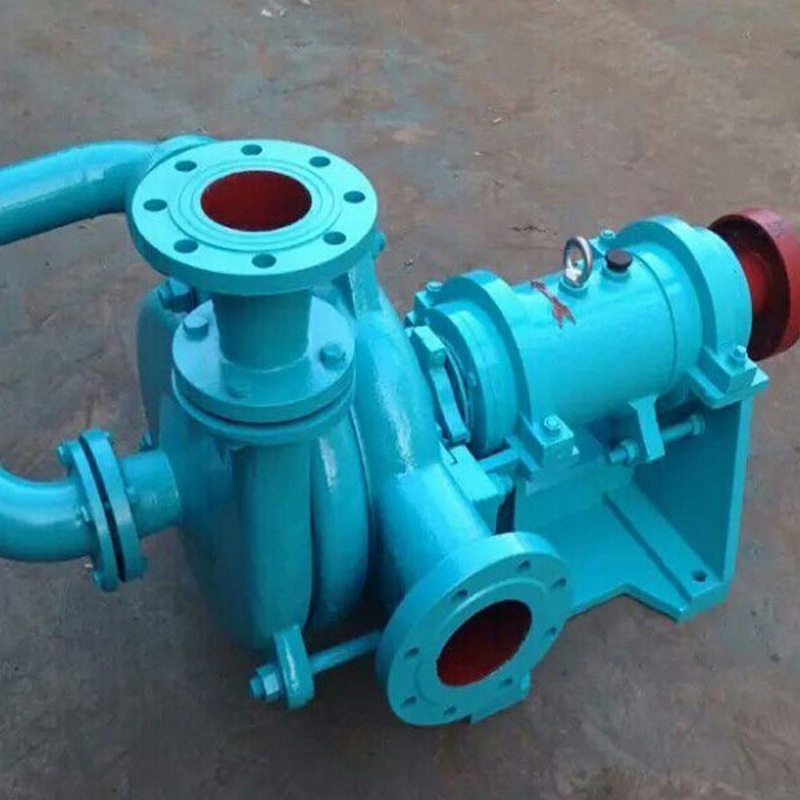
Pipeline pumps are positive displacement pumps integral to the efficient and reliable transport of fluids within pipeline systems across industries including oil and gas, water and wastewater treatment, chemical processing, and agriculture. Unlike centrifugal pumps that rely on velocity head, pipeline pumps displace a fixed volume of fluid per cycle, making them suitable for high-viscosity fluids, consistent flow rates, and applications demanding precise metering. Their position in the industrial chain falls between fluid source/processing and final distribution/utilization points. Core performance characteristics defining pipeline pump suitability include volumetric efficiency, maximum discharge pressure, flow rate capacity, net positive suction head required (NPSHr), and ability to handle abrasive or corrosive fluids. A primary industry pain point is maintaining consistent flow rates despite varying pipeline pressures and fluid characteristics, alongside mitigating pulsation effects that can induce stress on the pipeline itself. Pump selection hinges on accurate system modeling and a deep understanding of fluid properties.
Material Science & Manufacturing
The construction of pipeline pumps necessitates careful consideration of material compatibility with the transported fluid and operating conditions. Common materials include cast iron (for general-purpose applications), stainless steel (grades 304, 316 for corrosion resistance), alloy steels (for high-pressure/temperature environments), and specialized polymers (for chemically aggressive fluids). Pump casings are typically manufactured via sand casting, investment casting, or centrifugal casting, with post-processing involving machining, heat treatment, and surface coating to enhance durability and fluid flow characteristics. Reciprocating components – pistons, plungers, diaphragms – are often made from high-strength alloy steels, requiring precision machining and polishing to minimize friction and wear. Seals, critical for preventing leakage, are commonly fabricated from elastomers like nitrile, Viton, or PTFE, selected based on chemical compatibility and temperature range. Manufacturing processes critically control parameters like material composition, casting porosity, heat treatment cycles (hardness, tensile strength), surface finish (Ra values impacting fluid flow), and dimensional tolerances. Welding processes, where applicable, must adhere to ASME Section IX standards to ensure joint integrity and prevent catastrophic failure. Non-destructive testing (NDT) – including ultrasonic testing, radiographic inspection, and dye penetrant testing – are employed throughout the manufacturing process to detect flaws and ensure quality control.
Performance & Engineering
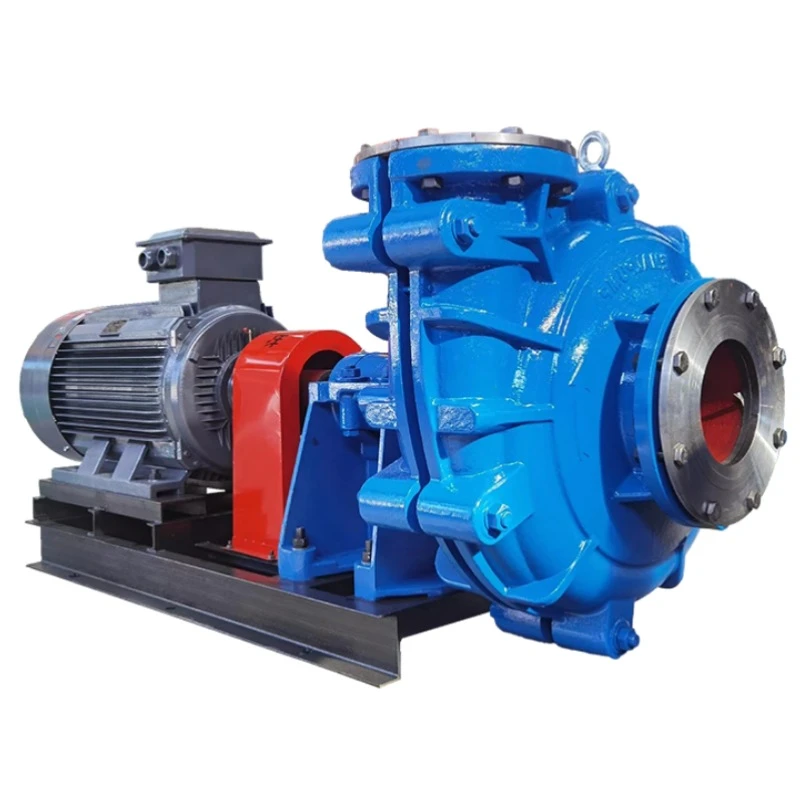
Pipeline pump performance is dictated by hydraulic principles and mechanical design. Force analysis focuses on stresses induced by fluid pressure, inertia, and reciprocating motion. Casings must withstand significant internal pressure, requiring finite element analysis (FEA) to optimize geometry and material thickness. Reciprocating components experience cyclic loading, demanding fatigue analysis to predict lifespan and prevent failure. Pulsation dampeners are frequently integrated into pipeline systems to mitigate pressure fluctuations caused by the pump's intermittent discharge, minimizing water hammer effects and extending pipeline life. Environmental resistance is crucial; pumps operating outdoors require corrosion protection (coatings, cathodic protection) and temperature management systems to prevent freezing or overheating. Compliance with API 674 (for reciprocating pumps) and ISO 13709/API 610 (for centrifugal pumps, often used as a reference) is essential for ensuring safe and reliable operation. Hydraulic Institute (HI) standards provide further guidance on pump performance testing and data reporting. Engineering considerations also encompass NPSHr calculations, ensuring adequate suction pressure to prevent cavitation, a phenomenon that can severely damage pump components and reduce efficiency. Proper piping layout and valve selection are vital for minimizing pressure drop and optimizing pump performance.
Technical Specifications
| Parameter | Diaphragm Pump | Piston Pump | Peristaltic Pump |
|---|---|---|---|
| Maximum Discharge Pressure (psi) | 150 | 5000 | 200 |
| Flow Rate Range (GPM) | 0.5 - 100 | 1 - 300 | 0.01 - 50 |
| Viscosity Handling (cP) | Up to 5000 | Up to 10,000 | Up to 2,000,000 |
| Solids Handling (particle size, mm) | Up to 10 | Up to 2 | Up to 25 |
| Suction Lift (feet) | 25 | 20 | 30 |
| Volumetric Efficiency (%) | 85-95 | 90-98 | 60-80 |
Failure Mode & Maintenance
Pipeline pump failures manifest in several forms. Fatigue cracking in reciprocating components is a common issue, particularly under high-stress, cyclic loading. Causes include inadequate material selection, improper heat treatment, and excessive pulsation. Diaphragm rupture (in diaphragm pumps) results from overpressure, chemical attack, or material degradation. Seal failure leads to leakage, potentially causing environmental contamination and reduced efficiency; contributing factors are abrasive fluids, temperature extremes, and improper seal selection. Cavitation, as previously mentioned, damages impellers and casings through implosion of vapor bubbles. Corrosion, both uniform and pitting, weakens pump components and leads to failure. Maintenance strategies involve routine visual inspections, lubrication, seal replacement, and component refurbishment. Vibration analysis can detect early signs of bearing wear or imbalance. Oil analysis monitors lubricant condition and identifies wear debris. Predictive maintenance programs, utilizing condition monitoring techniques, minimize downtime and prevent catastrophic failures. Regular cleaning of strainers and filters prevents clogging and ensures optimal pump performance. Proper alignment of pump and motor is critical to minimize vibration and bearing wear. Documentation of maintenance activities and failure history provides valuable insights for continuous improvement.
Industry FAQ
Q: What are the primary considerations when selecting a pipeline pump for a highly abrasive slurry?
A: For abrasive slurries, material selection is paramount. High-chrome cast iron or hardened stainless steel alloys are often preferred for wetted parts. Consider a pump designed with a larger flow passage to minimize erosion. A positive displacement pump like a peristaltic pump can be beneficial as the fluid is contained within the hose, eliminating wear on pump components. Frequent inspection and replacement of wear parts (liners, impellers) is crucial.
Q: How can pulsation be minimized in a reciprocating pipeline pump system?
A: Pulsation can be minimized through the use of pulsation dampeners installed on the discharge side of the pump. These devices store and release fluid, smoothing out pressure fluctuations. Increasing the stroke length or reducing the pump speed can also lessen pulsation, but may impact flow rate. Proper pipeline sizing and valve selection are also important.
Q: What is the significance of NPSHr and how does it impact pump performance?
A: Net Positive Suction Head Required (NPSHr) is the minimum absolute pressure required at the pump suction to prevent cavitation. If the available NPSH (NPSHa) in the system is less than NPSHr, cavitation will occur, leading to noise, vibration, reduced efficiency, and component damage. Proper system design, including sufficient suction piping length, minimizing elevation differences, and controlling fluid temperature, is essential to ensure adequate NPSHa.
Q: How do different seal materials perform with various chemical fluids?
A: Chemical compatibility is crucial for seal material selection. Nitrile rubber is suitable for many oils and hydrocarbons, but degrades in contact with strong acids and bases. Viton offers broader chemical resistance, including to chlorinated solvents, but is more expensive. PTFE (Teflon) provides excellent chemical resistance to virtually all fluids, but has lower mechanical strength. A chemical compatibility chart should always be consulted.
Q: What are the key differences between diaphragm, piston, and peristaltic pipeline pumps in terms of maintenance requirements?
A: Diaphragm pumps generally require less maintenance than piston pumps, primarily involving diaphragm replacement. Piston pumps require more frequent lubrication and inspection of piston seals and valves. Peristaltic pumps have minimal wetted parts and require occasional hose replacement, but hose life can be limited by abrasive fluids. Regular inspection of all components is essential for all pump types.
Conclusion
Pipeline pumps represent a critical component in numerous industrial fluid handling systems. Selection necessitates a comprehensive understanding of fluid properties, operating conditions, and performance characteristics. Proper material selection, adherence to industry standards, and proactive maintenance are vital for ensuring reliable and efficient operation. The choice between diaphragm, piston, and peristaltic pump designs hinges on specific application requirements related to viscosity, solids content, pressure, and chemical compatibility.
Future advancements in pipeline pump technology will likely focus on enhanced material science leading to increased wear resistance and corrosion protection, improved sensor integration for real-time performance monitoring, and the development of more energy-efficient designs. Digitalization, through the implementation of predictive maintenance algorithms and remote monitoring capabilities, will play an increasingly important role in optimizing pump performance and minimizing downtime.
-
Comprehensive Guide to Waterproof ORings for Optimal Sealing Solutions
News2026-06-09
-
Septic Pump System Performance Analysis
News2026-06-08
-
pump for septic Material Science
News2026-06-08
-
basement sewer pump Performance Analysis
News2026-06-08
-
submerged pump Performance Engineering
News2026-06-08
-
Septic System Pumps Performance Analysis
News2026-06-08
-
septic system pump Material Science and Manufacturing
News2026-06-07
-
pump for septic tank Material Science Manufacturing
News2026-06-07
-
submersible sewage pump Material Science
News2026-06-07
-
Sewage Ejector Material Science and Manufacturing
News2026-06-07
-
Ejection Pump Material Science
News2026-06-07
-
pump submersible Performance Analysis
News2026-06-06
-
ejector pumps Performance Engineering
News2026-06-06
-
basement ejector pump Material Science Manufacturing
News2026-06-06
-
Septic Tanks Pumping Performance Analysis
News2026-06-06




