English
- Afrikaans
- Albanian
- Amharic
- Arabic
- Armenian
- Azerbaijani
- Basque
- Belarusian
- Bengali
- Bosnian
- Bulgarian
- Catalan
- Cebuano
- Corsican
- Croatian
- Czech
- Danish
- Dutch
- English
- Esperanto
- Estonian
- Finnish
- French
- Frisian
- Galician
- Georgian
- German
- Greek
- Gujarati
- Haitian Creole
- hausa
- hawaiian
- Hebrew
- Hindi
- Miao
- Hungarian
- Icelandic
- igbo
- Indonesian
- irish
- Italian
- Japanese
- Javanese
- Kannada
- kazakh
- Khmer
- Rwandese
- Korean
- Kurdish
- Kyrgyz
- Lao
- Latin
- Latvian
- Lithuanian
- Luxembourgish
- Macedonian
- Malgashi
- Malay
- Malayalam
- Maltese
- Maori
- Marathi
- Mongolian
- Myanmar
- Nepali
- Norwegian
- Norwegian
- Occitan
- Pashto
- Persian
- Polish
- Portuguese
- Punjabi
- Romanian
- Russian
- Samoan
- Scottish Gaelic
- Serbian
- Sesotho
- Shona
- Sindhi
- Sinhala
- Slovak
- Slovenian
- Somali
- Spanish
- Sundanese
- Swahili
- Swedish
- Tagalog
- Tajik
- Tamil
- Tatar
- Telugu
- Thai
- Turkish
- Turkmen
- Ukrainian
- Urdu
- Uighur
- Uzbek
- Vietnamese
- Welsh
- Bantu
- Yiddish
- Yoruba
- Zulu

Telephone: +86 13120555503
Email: frank@cypump.com


Apr . 01, 2024 17:55 Back to list
pipeline injection pump Performance and Engineering
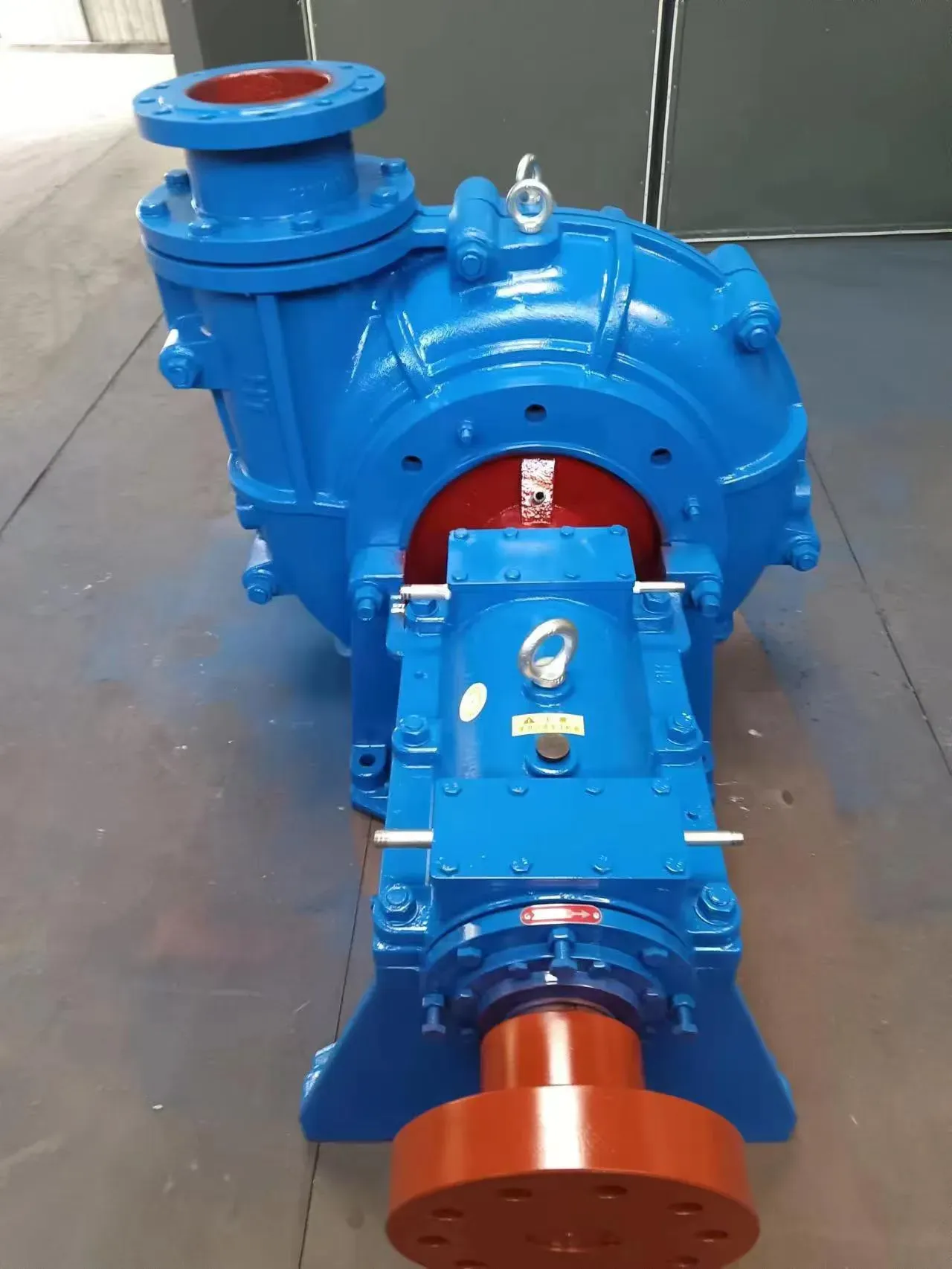
Introduction
Pipeline injection pumps are positive displacement pumps specifically designed for introducing chemicals into pressurized pipelines. They are critical components in numerous industrial applications including oil & gas, water treatment, and petrochemical processing, functioning to accurately meter and inject corrosion inhibitors, demulsifiers, biocides, or other process chemicals without interrupting the pipeline flow. Unlike standard pumps that operate at lower pressures, these pumps are engineered to overcome significant system pressure, often exceeding 1000 psi, maintaining precise injection rates even under demanding conditions. Their technical position in the industry chain falls between chemical manufacturing and the process pipeline itself; effective operation depends heavily on material compatibility, precise control systems, and adherence to strict safety standards. Core performance characteristics include injection pressure capability, flow rate accuracy, chemical resistance of wetted parts, and operational reliability in potentially hazardous environments.
Material Science & Manufacturing
The construction of a pipeline injection pump necessitates careful material selection due to the often-corrosive nature of the injected fluids and the high operating pressures. Pump heads and wetted components are commonly manufactured from materials like 316 stainless steel, duplex stainless steel (e.g., 2205, 2507), Hastelloy alloys (e.g., C-276, B-3), or engineered plastics such as PTFE (Teflon), PVDF, and PEEK. The choice depends directly on the chemical compatibility with the target fluid, temperature range, and pressure demands. For example, hydrogen sulfide (H2S) environments necessitate the use of duplex stainless steels or Hastelloy, while PTFE is favored for highly corrosive acids.
Manufacturing processes vary depending on component complexity. Pump heads may be cast, forged, or machined from solid billets. Diaphragm pumps, a common type, require intricate diaphragm molding using the selected polymer. Piston pumps involve precision machining of pistons and cylinders, with extremely tight tolerances to minimize leakage. Seal selection is crucial, often employing PTFE encapsulated elastomers or specialized O-ring materials. Key parameter control during manufacturing includes dimensional accuracy (critical for piston/cylinder fit), surface finish (to reduce friction and prevent chemical adhesion), and non-destructive testing (NDT) like radiography and liquid penetrant inspection to detect flaws in castings or welds. Welding, when used, requires certified welders and strict adherence to ASME Section IX guidelines to ensure weld integrity and prevent corrosion initiation points.
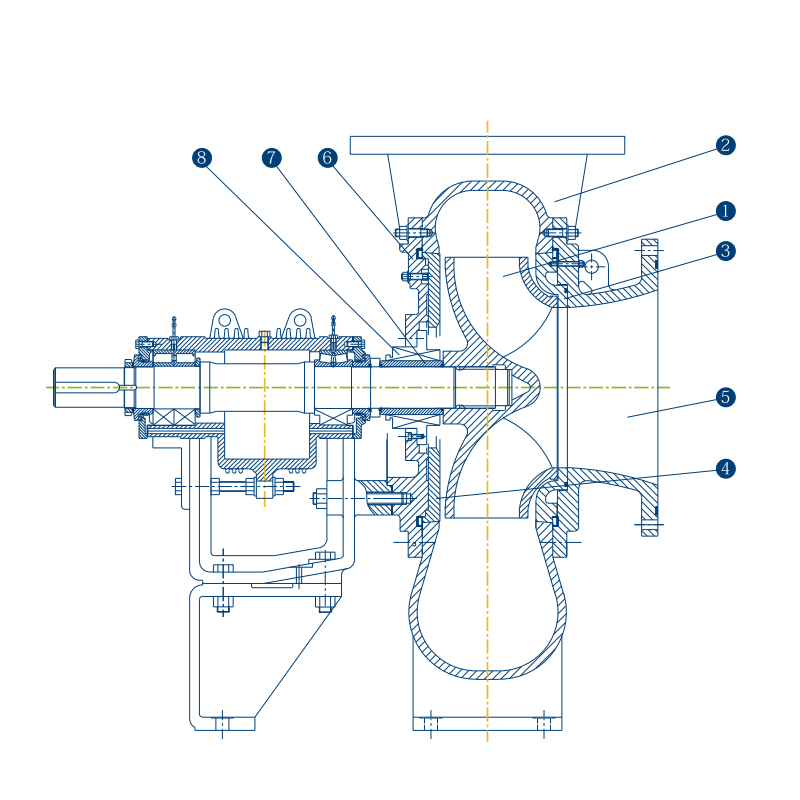
Performance & Engineering
The performance of a pipeline injection pump is dictated by a complex interplay of hydraulic forces, mechanical design, and control system accuracy. Force analysis involves calculating the pressure required to overcome both the pipeline pressure and the internal friction within the pump itself. The pump must generate sufficient force to displace the injection fluid against this opposing pressure. Environmental resistance is paramount; pumps deployed in outdoor environments need robust enclosures (NEMA 4X, NEMA 7) to protect against weather, dust, and potentially explosive atmospheres (ATEX or IECEx certification).
Compliance requirements are stringent. API 674 addresses reciprocating pumps, providing guidelines for design, fabrication, and testing. Instrumentation must comply with IEC 61508/61511 for functional safety, particularly if injecting chemicals into safety-critical systems. Functional implementation often involves sophisticated control loops utilizing Programmable Logic Controllers (PLCs) or Distributed Control Systems (DCS). These systems regulate pump speed (and thus flow rate) based on feedback from flow meters, pressure sensors, and/or process analyzers. Precise flow control is achieved through variable frequency drives (VFDs) on the pump motor, allowing for minute adjustments to maintain the desired injection rate. Cavitation, a potential failure mode, is mitigated through proper suction line design and ensuring sufficient Net Positive Suction Head Available (NPSHA).
Technical Specifications
| Parameter | Unit | Typical Range | Notes |
|---|---|---|---|
| Maximum Discharge Pressure | psi | 500 - 10,000 | Dependent on pump model and material of construction |
| Flow Rate | gph (ml/min) | 0.1 - 100 | Adjustable via VFD |
| Viscosity Range | cP | 1 - 10,000 | Higher viscosity fluids require larger motors and slower pump speeds |
| Temperature Range | °F (°C) | -20 to 250 (-29 to 121) | Dependent on seal and component materials |
| Power Supply | V/Hz | 120/60, 240/60, 380/50 | Single or three-phase available |
| Wetted Parts Material | - | 316 SS, Duplex SS, Hastelloy, PTFE, PVDF | Selection based on chemical compatibility |
Failure Mode & Maintenance
Pipeline injection pump failures commonly stem from several distinct mechanisms. Fatigue cracking in pump heads or connecting rods can occur due to cyclical pressure fluctuations, particularly in high-pressure applications. Delamination of diaphragms is frequent in diaphragm pumps, caused by chemical attack, excessive pressure, or mechanical stress. Degradation of seals and O-rings, due to chemical incompatibility or temperature extremes, leads to leakage and reduced performance. Oxidation and corrosion of metallic components, particularly in corrosive environments, compromise structural integrity.
Preventative maintenance is crucial. Regular inspection of diaphragms, seals, and wetted parts is essential, with replacement scheduled based on operating conditions and chemical exposure. Lubrication of moving parts (e.g., piston pumps) reduces friction and wear. Monitoring discharge pressure and flow rate provides early warning of potential pump degradation. Flush the pump regularly with a compatible solvent to remove accumulated deposits. For diaphragm pumps, perform periodic leak checks using a bubble test. If corrosion is a concern, implement a corrosion monitoring program and consider sacrificial anodes. Complete pump overhauls should be performed on a scheduled basis, typically every 1-3 years, depending on usage and the severity of the application.
Industry FAQ
Q: What is the significance of NPSH (Net Positive Suction Head) in injection pump operation?
A: NPSH is critical to prevent cavitation. Insufficient NPSH causes vapor bubbles to form within the pump, leading to reduced performance, noise, and potential damage to the pump components. Maintaining adequate NPSHA (Net Positive Suction Head Available) by optimizing suction line design and minimizing suction lift is essential.
Q: How do I select the appropriate material for the pump head based on the chemical being injected?
A: Chemical compatibility charts are the primary resource. Consult these charts, considering the concentration and temperature of the chemical. Stainless steel alloys offer broad compatibility, but specific chemicals require more specialized materials like Hastelloy or PTFE. Testing a sample of the chemical with the proposed material is highly recommended.
Q: What are the advantages and disadvantages of diaphragm vs. piston pumps for injection service?
A: Diaphragm pumps offer leak-free operation and are well-suited for abrasive or viscous fluids. However, they typically have lower discharge pressures and flow rates compared to piston pumps. Piston pumps excel at high pressures and accurate metering, but require seals that are susceptible to wear and potential leakage.
Q: What safety features are essential for an injection pump operating in a hazardous area?
A: ATEX or IECEx certification is paramount, ensuring the pump is designed and constructed to prevent ignition of flammable atmospheres. Features include explosion-proof motors, intrinsically safe instrumentation, and grounding to prevent static discharge.
Q: How does the control system ensure accurate chemical injection rates?
A: A closed-loop control system utilizing a PLC or DCS, coupled with a precise flow meter and a variable frequency drive (VFD), is the standard approach. The flow meter provides feedback to the controller, which adjusts the pump speed (via the VFD) to maintain the desired injection rate. Calibration of the flow meter is crucial for accuracy.
Conclusion
Pipeline injection pumps represent a vital, highly-engineered component in a wide range of industrial processes. Their effective operation relies on a deep understanding of material science, fluid dynamics, and control system integration. The correct selection of materials, combined with meticulous manufacturing processes and a robust maintenance regime, is essential for ensuring long-term reliability and preventing costly downtime. Proper design considerations around NPSH, chemical compatibility and pressure rating are core to safe and efficient operation.
Looking forward, the trend towards digitalization and remote monitoring will further enhance the performance and reliability of these pumps. Integration with predictive maintenance algorithms, based on sensor data and machine learning, will allow for proactive identification of potential failures and optimized maintenance schedules. Furthermore, advancements in material science will continue to yield more corrosion-resistant and durable materials, extending the operational life of pipeline injection pumps in increasingly challenging environments.
-
Comprehensive Guide to Waterproof ORings for Optimal Sealing Solutions
News2026-06-09
-
Septic Pump System Performance Analysis
News2026-06-08
-
pump for septic Material Science
News2026-06-08
-
basement sewer pump Performance Analysis
News2026-06-08
-
submerged pump Performance Engineering
News2026-06-08
-
Septic System Pumps Performance Analysis
News2026-06-08
-
septic system pump Material Science and Manufacturing
News2026-06-07
-
pump for septic tank Material Science Manufacturing
News2026-06-07
-
submersible sewage pump Material Science
News2026-06-07
-
Sewage Ejector Material Science and Manufacturing
News2026-06-07
-
Ejection Pump Material Science
News2026-06-07
-
pump submersible Performance Analysis
News2026-06-06
-
ejector pumps Performance Engineering
News2026-06-06
-
basement ejector pump Material Science Manufacturing
News2026-06-06
-
Septic Tanks Pumping Performance Analysis
News2026-06-06




