English
- Afrikaans
- Albanian
- Amharic
- Arabic
- Armenian
- Azerbaijani
- Basque
- Belarusian
- Bengali
- Bosnian
- Bulgarian
- Catalan
- Cebuano
- Corsican
- Croatian
- Czech
- Danish
- Dutch
- English
- Esperanto
- Estonian
- Finnish
- French
- Frisian
- Galician
- Georgian
- German
- Greek
- Gujarati
- Haitian Creole
- hausa
- hawaiian
- Hebrew
- Hindi
- Miao
- Hungarian
- Icelandic
- igbo
- Indonesian
- irish
- Italian
- Japanese
- Javanese
- Kannada
- kazakh
- Khmer
- Rwandese
- Korean
- Kurdish
- Kyrgyz
- Lao
- Latin
- Latvian
- Lithuanian
- Luxembourgish
- Macedonian
- Malgashi
- Malay
- Malayalam
- Maltese
- Maori
- Marathi
- Mongolian
- Myanmar
- Nepali
- Norwegian
- Norwegian
- Occitan
- Pashto
- Persian
- Polish
- Portuguese
- Punjabi
- Romanian
- Russian
- Samoan
- Scottish Gaelic
- Serbian
- Sesotho
- Shona
- Sindhi
- Sinhala
- Slovak
- Slovenian
- Somali
- Spanish
- Sundanese
- Swahili
- Swedish
- Tagalog
- Tajik
- Tamil
- Tatar
- Telugu
- Thai
- Turkish
- Turkmen
- Ukrainian
- Urdu
- Uighur
- Uzbek
- Vietnamese
- Welsh
- Bantu
- Yiddish
- Yoruba
- Zulu

Telephone: +86 13120555503
Email: frank@cypump.com


Apr . 01, 2024 17:55 Back to list
pipeline hydrostatic test pump Performance Analysis
Introduction
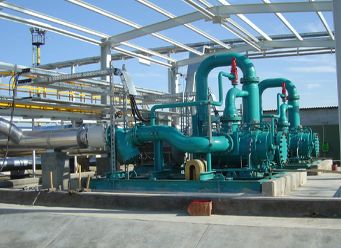
Pipeline hydrostatic test pumps are critical components in the quality assurance process for newly laid or repaired pipelines used for transporting liquids, primarily water, oil, and gas. These pumps are designed to introduce pressurized fluid – typically water – into the pipeline to verify its structural integrity and identify leaks or weaknesses before operational use. Unlike typical pumping applications focused on fluid transfer, hydrostatic testing pumps prioritize precise pressure control, reliable operation at high pressures, and compatibility with the test fluid. Their technical position in the industry chain falls squarely within the non-destructive testing (NDT) and quality control phases of pipeline construction and maintenance. Core performance characteristics include maximum pressure capability, flow rate control, pump efficiency, and safety features. A key pain point in the industry is ensuring accurate pressure readings and maintaining pump reliability under demanding field conditions, as failures during testing can lead to costly delays and potential safety hazards.
Material Science & Manufacturing
The construction of hydrostatic test pumps necessitates materials capable of withstanding extreme pressures and resisting corrosion. Pump housings are commonly fabricated from high-strength carbon steel (ASTM A516 Grade 70), selected for its tensile strength and weldability. Critical components such as pistons, cylinders, and valve seats are frequently manufactured from alloy steels, like 4140 or 4340, which offer superior hardness and wear resistance. Seals are typically composed of materials like nitrile rubber (NBR), Viton (fluoroelastomer), or PTFE (polytetrafluoroethylene) chosen for their chemical compatibility with water and potential additives used in test fluids. Manufacturing processes vary depending on component complexity. Pump housings often employ sand casting followed by machining and stress relieving. Pistons and cylinders typically undergo precision honing to achieve a smooth, leak-proof fit. Valves are manufactured using investment casting or forging followed by precision grinding. A critical parameter control during manufacturing is dimensional accuracy of internal components. Any deviation from design tolerances can compromise sealing integrity and pressure containment. Welding procedures for pressure vessels must adhere to ASME Section IX standards, with qualified welders and rigorous non-destructive examination (NDE) including radiographic testing (RT) and ultrasonic testing (UT) to ensure weld quality. The chemical composition of alloy steels is tightly controlled, verified through spectroscopic analysis, to maintain desired mechanical properties.
Performance & Engineering
Hydrostatic test pumps operate on the principle of positive displacement, typically using a reciprocating piston or plunger mechanism. Force analysis involves calculating the pressure generated based on piston area and applied force, considering hydraulic efficiency losses. Pump performance is characterized by its pressure-flow curve, indicating the relationship between pressure output and flow rate. Environmental resistance is a key consideration, particularly for field applications. Pumps are often equipped with protective coatings to resist corrosion from exposure to weather and potential contaminants. Compliance requirements mandate adherence to API 674 (Reciprocating Compressors) as a guideline for pump design and performance, although specific hydrostatic test procedures are often governed by project-specific specifications or industry standards like ASME B31.3 (Process Piping). Functional implementation involves precise pressure regulation using relief valves and pressure control systems. These systems must incorporate safety features such as overpressure protection and emergency shutdown mechanisms. The pump’s electrical system must be intrinsically safe or explosion-proof when operating in hazardous environments, complying with ATEX or IECEx standards. Hydraulic fluid analysis is performed routinely to monitor for contamination and ensure optimal performance, utilizing ISO 4406 cleanliness codes as a benchmark. Cavitation, a major concern, is mitigated through proper suction lift design and maintaining adequate fluid levels.
Technical Specifications
| Parameter | Unit | Typical Value (Small Pump) | Typical Value (Large Pump) |
|---|---|---|---|
| Maximum Pressure | psi | 5000 | 15000 |
| Flow Rate | gpm | 10 | 100 |
| Pump Type | - | Single Piston | Multiple Piston |
| Motor Power | hp | 5 | 50 |
| Displacement per Stroke | in³ | 25 | 150 |
| Weight | lbs | 200 | 1500 |
Failure Mode & Maintenance
Hydrostatic test pumps are susceptible to several failure modes. Fatigue cracking in pump housings or pistons can occur due to cyclical pressure loading, particularly if materials are not properly heat-treated or surface-finished. Delamination of seals can lead to leakage and pressure loss, often caused by incompatible fluids or excessive temperatures. Degradation of hydraulic fluid due to contamination or oxidation reduces pump efficiency and increases wear. Oxidation of internal components, particularly in carbon steel housings exposed to oxygenated water, can lead to corrosion and pitting. A common failure point is the relief valve, which can malfunction and either fail to open during overpressure conditions or leak prematurely. Preventive maintenance is crucial and includes regular oil analysis (ASTM D974), seal replacement based on manufacturer’s recommendations, inspection for cracks using dye penetrant testing (ASTM E165), and calibration of pressure gauges (NIST traceable). If fatigue cracking is detected, the component must be replaced. Delaminated seals should be replaced with compatible materials. Hydraulic fluid should be filtered or replaced periodically. Corrosion can be mitigated with protective coatings and the use of corrosion inhibitors in the test fluid. Regularly testing the relief valve functionality is vital. Scheduled inspections, documented in a maintenance log, are essential for ensuring long-term pump reliability and safety.
Industry FAQ
Q: What is the acceptable tolerance for pressure readings during a hydrostatic test?
A: The acceptable tolerance typically falls within ±1% of the target test pressure. However, this can vary based on project specifications and regulatory requirements. Accurate calibration of the pressure gauges (traceable to NIST standards) and minimizing pressure fluctuations are critical for achieving reliable results. It’s essential to document the gauge calibration records alongside the test results.
Q: How often should the hydraulic fluid be replaced in a hydrostatic test pump?
A: The frequency of hydraulic fluid replacement depends on the severity of service and the fluid’s condition. Generally, a change is recommended every 6-12 months or after 500-1000 hours of operation. Regular oil analysis (ASTM D974) can help determine the fluid’s remaining useful life by assessing viscosity, contamination levels, and oxidation byproducts.
Q: What are the key considerations when selecting a hydrostatic test pump for a large-diameter pipeline?
A: For large-diameter pipelines, factors to consider include the required flow rate to achieve the desired test pressure within a reasonable timeframe, the maximum pressure capability needed to meet test specifications, and the pump’s portability and power requirements. Multiple pump configurations might be necessary for larger pipelines to reduce test duration. The pump's ability to maintain consistent pressure during testing is also critical.
Q: What safety precautions should be observed when conducting a hydrostatic test?
A: Safety is paramount. Precautions include establishing a clear exclusion zone around the test area, ensuring all personnel wear appropriate personal protective equipment (PPE), implementing a documented emergency shutdown procedure, and verifying the integrity of all connections and fittings before pressurizing the pipeline. Pressure relief valves must be functioning correctly, and a competent operator should monitor the test process continuously.
Q: What is the significance of performing a hydrostatic test according to a specified standard (e.g., ASME B31.3)?
A: Adherence to a recognized standard, such as ASME B31.3, provides a defined methodology for conducting the test, including pressure levels, test duration, and acceptance criteria. This ensures consistency, traceability, and regulatory compliance. It also provides a benchmark for assessing the pipeline’s structural integrity and minimizes the risk of failures during operation. Deviation from established standards should be documented and justified.
Conclusion
Hydrostatic test pumps represent a crucial element in ensuring the safety and reliability of pipeline infrastructure. Their functionality hinges on robust material selection, precise manufacturing processes, and diligent maintenance practices. Understanding the potential failure modes, such as fatigue cracking, seal degradation, and corrosion, is essential for implementing effective preventative maintenance strategies. Adherence to industry standards like ASME B31.3 and API 674, coupled with regular calibration and inspection procedures, guarantees the accuracy and dependability of the testing process.
Looking forward, advancements in pump technology will likely focus on increased automation, improved pressure control accuracy, and the integration of remote monitoring capabilities. The development of more durable and corrosion-resistant materials will further enhance pump longevity and reduce maintenance requirements. Embracing these innovations will contribute to safer, more efficient, and more reliable pipeline testing practices across the industry.
-
Comprehensive Guide to Waterproof ORings for Optimal Sealing Solutions
News2026-06-09
-
heavy duty submersible pump Performance Analysis
News2026-06-25
-
best submersible pump for septic tank Performance Analysis
News2026-06-25
-
basement sewer ejector pump Performance Analysis
News2026-06-25
-
basement pumps ejector pumps Performance Analysis
News2026-06-25
-
basement lift pump Performance and Engineering
News2026-06-25
-
basement bathroom pump systems Performance Analysis
News2026-06-24
-
basement bathroom ejector pump system Performance Engineering
News2026-06-24
-
2 hp sewage pump Performance Engineering
News2026-06-24
-
1 hp septic pump Performance Engineering
News2026-06-24
-
submersible effluent pump Performance Analysis
News2026-06-24
-
submergable pump Material Science
News2026-06-23
-
sewer injection pump Performance Engineering
News2026-06-23
-
Sewer Ejector Pump System Performance Analysis
News2026-06-23
-
septic tank pump for sale Performance Engineering
News2026-06-23




