English
- Afrikaans
- Albanian
- Amharic
- Arabic
- Armenian
- Azerbaijani
- Basque
- Belarusian
- Bengali
- Bosnian
- Bulgarian
- Catalan
- Cebuano
- Corsican
- Croatian
- Czech
- Danish
- Dutch
- English
- Esperanto
- Estonian
- Finnish
- French
- Frisian
- Galician
- Georgian
- German
- Greek
- Gujarati
- Haitian Creole
- hausa
- hawaiian
- Hebrew
- Hindi
- Miao
- Hungarian
- Icelandic
- igbo
- Indonesian
- irish
- Italian
- Japanese
- Javanese
- Kannada
- kazakh
- Khmer
- Rwandese
- Korean
- Kurdish
- Kyrgyz
- Lao
- Latin
- Latvian
- Lithuanian
- Luxembourgish
- Macedonian
- Malgashi
- Malay
- Malayalam
- Maltese
- Maori
- Marathi
- Mongolian
- Myanmar
- Nepali
- Norwegian
- Norwegian
- Occitan
- Pashto
- Persian
- Polish
- Portuguese
- Punjabi
- Romanian
- Russian
- Samoan
- Scottish Gaelic
- Serbian
- Sesotho
- Shona
- Sindhi
- Sinhala
- Slovak
- Slovenian
- Somali
- Spanish
- Sundanese
- Swahili
- Swedish
- Tagalog
- Tajik
- Tamil
- Tatar
- Telugu
- Thai
- Turkish
- Turkmen
- Ukrainian
- Urdu
- Uighur
- Uzbek
- Vietnamese
- Welsh
- Bantu
- Yiddish
- Yoruba
- Zulu

Telephone: +86 13120555503
Email: frank@cypump.com


Apr . 01, 2024 17:55 Back to list
pipeline/horizontal centrifugal pump Performance Analysis
Introduction
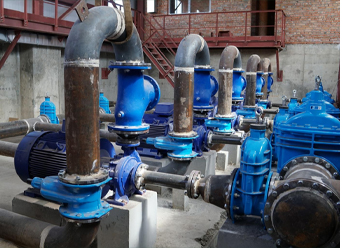
Pipeline/horizontal centrifugal pumps are dynamic machines designed to impart energy to fluids, increasing their pressure and enabling their movement through pipelines. These pumps occupy a critical position within numerous industrial chains – including water treatment, oil and gas, chemical processing, power generation, and agricultural irrigation – functioning as essential components in fluid transfer systems. Their horizontal configuration, coupled with a volute or diffuser casing, optimizes efficiency and ease of maintenance. Core performance metrics center around flow rate (capacity), head (pressure rise), and power consumption, all intrinsically linked to impeller design, rotational speed, and fluid characteristics. A fundamental understanding of these parameters is crucial for selecting the optimal pump for a specific application, minimizing operational costs, and maximizing system reliability. This guide provides an in-depth examination of pipeline/horizontal centrifugal pumps, covering material science, manufacturing processes, performance characteristics, potential failure modes, and relevant industry standards.
Material Science & Manufacturing
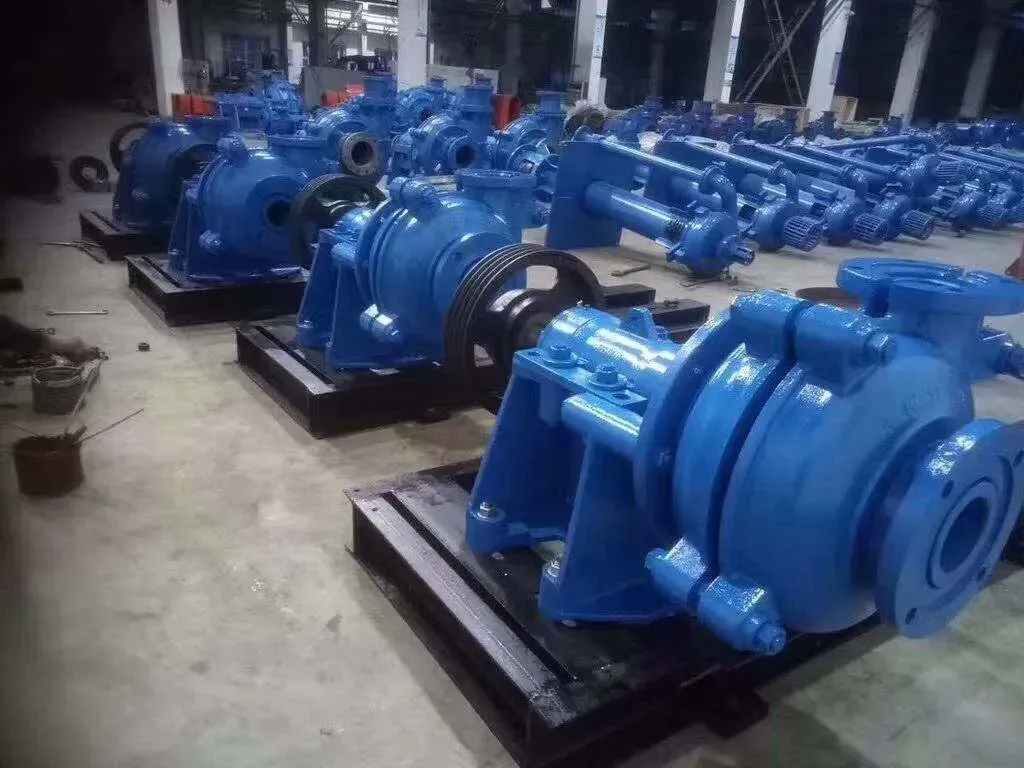
The construction of pipeline/horizontal centrifugal pumps relies heavily on specific material properties to withstand corrosive fluids, high pressures, and mechanical stresses. Pump casings are commonly manufactured from cast iron (ASTM A48 Class 30), ductile iron (ASTM A536 65-45-12), or stainless steel (304, 316 – ASTM A743). Cast iron provides cost-effectiveness and good machinability, though its corrosion resistance is limited. Ductile iron offers enhanced strength and ductility, making it suitable for higher-pressure applications. Stainless steels are preferred for highly corrosive environments, offering superior resistance to chemical attack. Impellers are frequently constructed from cast iron, bronze (ASTM B584), or stainless steel, with material selection driven by the fluid's abrasiveness and chemical composition. Shafts are typically made from high-strength alloy steel (4140, 4340 – ASTM A29), heat-treated to achieve optimal tensile strength and fatigue resistance. Seals utilize materials like Viton (fluoroelastomer), EPDM (ethylene propylene diene monomer), or PTFE (polytetrafluoroethylene) based on fluid compatibility.
Manufacturing processes involve several key stages. Casing production typically employs sand casting, followed by machining to achieve precise dimensions and smooth surface finishes. Impellers are often manufactured via investment casting or centrifugal casting, ensuring accurate blade geometry and minimal porosity. Welding (SMAW, GTAW – AWS D1.1) is extensively used for joining components, requiring strict adherence to welding procedures and quality control measures to prevent defects like porosity and cracking. Balancing of the impeller (ISO 1940-1) is critical to minimize vibration and ensure smooth operation. Surface treatments like epoxy coatings or ceramic linings enhance corrosion resistance and extend service life. Parameter control during manufacturing includes dimensional accuracy (using coordinate measuring machines – ISO 10360), material hardness testing (Rockwell, Brinell – ASTM E10), and non-destructive testing (radiographic inspection – ASTM E94, ultrasonic testing – ASTM E797) to identify potential flaws.
Performance & Engineering
The performance of pipeline/horizontal centrifugal pumps is governed by the affinity laws, which describe the relationships between flow rate (Q), head (H), power (P), and rotational speed (N). Force analysis during pump operation considers hydraulic forces acting on the impeller blades, radial thrust from the pressure differential, and axial thrust due to impeller imbalance. Bearing selection (SKF, Timken catalogs) is crucial to withstand these forces and ensure smooth shaft rotation. Pump efficiency is a critical parameter, encompassing volumetric efficiency (minimizing leakage), hydraulic efficiency (converting energy to fluid flow), and mechanical efficiency (reducing friction losses). Environmental resistance is assessed through temperature ratings (dependent on seal materials – ASTM F37), exposure to UV radiation (relevant for outdoor installations), and resistance to atmospheric corrosion (ASTM B117 salt spray test). Compliance requirements vary depending on the application. For potable water systems, pumps must comply with NSF/ANSI 61 standards for lead content and material safety. For explosive environments, pumps must be ATEX-certified (Europe) or UL-listed (North America) for hazardous location use. Functional implementation includes proper piping design to minimize head losses, installation of strainers to prevent debris from entering the pump, and implementation of vibration monitoring systems (ISO 10816) to detect early signs of bearing wear or impeller imbalance. Net Positive Suction Head Required (NPSHr) must be carefully calculated and compared to the Net Positive Suction Head Available (NPSHa) to prevent cavitation, a phenomenon that can cause significant damage to the impeller.
Technical Specifications
| Parameter | Unit | Typical Range (Small Pump) | Typical Range (Large Pump) |
|---|---|---|---|
| Flow Rate | m³/h | 10 - 100 | 200 - 1000 |
| Head | m | 10 - 50 | 80 - 200 |
| Power | kW | 1.5 - 7.5 | 37 - 150 |
| Suction Pressure | bar | -0.5 - 5 | -0.8 - 10 |
| Discharge Pressure | bar | 5 - 15 | 10 - 30 |
| Operating Temperature | °C | -10 - 80 | -20 - 120 |
Failure Mode & Maintenance
Pipeline/horizontal centrifugal pumps are susceptible to several failure modes. Cavitation, as previously mentioned, causes pitting and erosion of the impeller. Fatigue cracking can occur in the shaft or casing due to cyclic loading. Corrosion, particularly in aggressive fluids, leads to material degradation and leakage. Bearing failure results from inadequate lubrication, contamination, or excessive load. Seal failure allows fluid leakage and potential contamination. Mechanical seals can fail due to abrasion, chemical attack, or thermal cycling. Pump misalignment causes vibration, bearing wear, and seal failure.
Preventive maintenance is crucial for extending pump life. Regular vibration analysis (ISO 10816) can detect early signs of bearing wear or impeller imbalance. Lubrication schedules should be strictly followed, using appropriate greases or oils. Seal inspection and replacement should be performed periodically. Impeller cleaning to remove deposits and scaling improves efficiency. Periodic inspection of the pump casing for corrosion or cracks is essential. Alignment checks should be conducted after any maintenance work. Proper strainer maintenance prevents debris from entering the pump. For significant repairs, component replacement should adhere to original equipment manufacturer (OEM) specifications. In cases of catastrophic failure, failure analysis (root cause analysis – RCA) should be performed to identify the underlying cause and prevent recurrence. Bearing replacement follows procedures detailed in bearing manufacturer documentation (e.g., SKF, Timken).
Industry FAQ
Q: What are the primary causes of NPSH issues and how can they be mitigated?
A: Insufficient NPSH Available (NPSHa) is often caused by high suction lift, high fluid temperature, or restrictions in the suction piping. Mitigation strategies include lowering the pump relative to the fluid source, reducing fluid temperature, increasing suction pipe diameter, minimizing bends in the suction piping, and ensuring adequate vent removal in the system.
Q: How does impeller trim affect pump performance and efficiency?
A: Trimming the impeller reduces the impeller diameter, lowering both the head and power requirements of the pump. While it can be a cost-effective way to match pump performance to a specific system curve, excessive trimming can significantly reduce pump efficiency and increase the risk of cavitation.
Q: What is the best material selection for a pump handling a highly abrasive slurry?
A: For abrasive slurries, high-chrome cast iron or hardened stainless steels are preferred. These materials offer superior resistance to wear and erosion. Consider using rubber or polyurethane liners in the casing and impeller for further protection. Regular inspection and replacement of wear parts are also crucial.
Q: What are the key considerations for selecting a pump for a viscous fluid?
A: Pumping viscous fluids requires a pump with a lower speed and a larger impeller diameter to generate sufficient head. Positive displacement pumps are often more suitable for highly viscous fluids, but centrifugal pumps can be used with appropriate impeller design and careful system analysis. Consider the fluid's viscosity when calculating NPSHr.
Q: How do variable frequency drives (VFDs) impact the lifecycle cost of centrifugal pumps?
A: VFDs allow for precise control of pump speed, matching flow rate to demand and reducing energy consumption. While the initial investment is higher, VFDs can significantly lower operating costs and extend pump life by reducing mechanical stress and wear. However, VFDs can generate harmonic distortion, requiring appropriate filtering to protect the electrical system.
Conclusion
Pipeline/horizontal centrifugal pumps represent a cornerstone of modern industrial fluid handling. Effective selection, operation, and maintenance necessitate a comprehensive understanding of their material properties, manufacturing processes, performance characteristics, and potential failure modes. Optimizing pump performance requires careful consideration of system parameters, adherence to industry standards, and proactive implementation of preventive maintenance programs.
Future advancements in pump technology are focusing on enhanced efficiency through improved impeller designs, the integration of smart sensors for predictive maintenance, and the development of new materials with superior corrosion resistance and wear properties. Continued investment in research and development will drive further improvements in pump reliability, energy efficiency, and overall system performance, contributing to more sustainable and cost-effective industrial operations.
-
Comprehensive Guide to Waterproof ORings for Optimal Sealing Solutions
News2026-06-09
-
heavy duty submersible pump Performance Analysis
News2026-06-25
-
best submersible pump for septic tank Performance Analysis
News2026-06-25
-
basement sewer ejector pump Performance Analysis
News2026-06-25
-
basement pumps ejector pumps Performance Analysis
News2026-06-25
-
basement lift pump Performance and Engineering
News2026-06-25
-
basement bathroom pump systems Performance Analysis
News2026-06-24
-
basement bathroom ejector pump system Performance Engineering
News2026-06-24
-
2 hp sewage pump Performance Engineering
News2026-06-24
-
1 hp septic pump Performance Engineering
News2026-06-24
-
submersible effluent pump Performance Analysis
News2026-06-24
-
submergable pump Material Science
News2026-06-23
-
sewer injection pump Performance Engineering
News2026-06-23
-
Sewer Ejector Pump System Performance Analysis
News2026-06-23
-
septic tank pump for sale Performance Engineering
News2026-06-23




