English
- Afrikaans
- Albanian
- Amharic
- Arabic
- Armenian
- Azerbaijani
- Basque
- Belarusian
- Bengali
- Bosnian
- Bulgarian
- Catalan
- Cebuano
- Corsican
- Croatian
- Czech
- Danish
- Dutch
- English
- Esperanto
- Estonian
- Finnish
- French
- Frisian
- Galician
- Georgian
- German
- Greek
- Gujarati
- Haitian Creole
- hausa
- hawaiian
- Hebrew
- Hindi
- Miao
- Hungarian
- Icelandic
- igbo
- Indonesian
- irish
- Italian
- Japanese
- Javanese
- Kannada
- kazakh
- Khmer
- Rwandese
- Korean
- Kurdish
- Kyrgyz
- Lao
- Latin
- Latvian
- Lithuanian
- Luxembourgish
- Macedonian
- Malgashi
- Malay
- Malayalam
- Maltese
- Maori
- Marathi
- Mongolian
- Myanmar
- Nepali
- Norwegian
- Norwegian
- Occitan
- Pashto
- Persian
- Polish
- Portuguese
- Punjabi
- Romanian
- Russian
- Samoan
- Scottish Gaelic
- Serbian
- Sesotho
- Shona
- Sindhi
- Sinhala
- Slovak
- Slovenian
- Somali
- Spanish
- Sundanese
- Swahili
- Swedish
- Tagalog
- Tajik
- Tamil
- Tatar
- Telugu
- Thai
- Turkish
- Turkmen
- Ukrainian
- Urdu
- Uighur
- Uzbek
- Vietnamese
- Welsh
- Bantu
- Yiddish
- Yoruba
- Zulu

Telephone: +86 13120555503
Email: frank@cypump.com


Apr . 01, 2024 17:55 Back to list
pipeline booster pump Performance and Engineering
Introduction
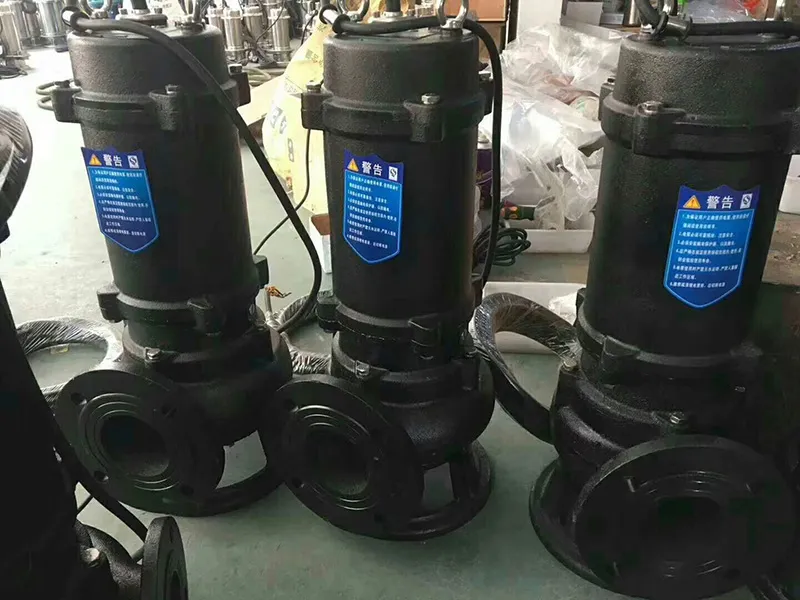
Pipeline booster pumps are centrifugal pumps specifically engineered to increase the pressure of fluids within existing pipelines. They function as integral components in long-distance liquid transfer systems, mitigating pressure loss due to friction and elevation changes. Unlike standard centrifugal pumps used in initial fluid conveyance, booster pumps are designed for inline installation, requiring minimal pipeline disruption during installation and maintenance. Their technical position within the industry chain falls between the primary pumping station and the final delivery point. Core performance characteristics are defined by their ability to deliver a stable, increased flow rate and pressure, optimizing system efficiency and reducing energy consumption. Key performance indicators (KPIs) include head increase, flow rate, Net Positive Suction Head Required (NPSHr), and energy efficiency, all meticulously calculated and maintained to guarantee consistent operation and protect the pump and pipeline infrastructure. The selection of a booster pump depends heavily on fluid properties, pipeline characteristics, and required system performance.
Material Science & Manufacturing
The construction of pipeline booster pumps involves several critical material selections and manufacturing processes. Pump casings are commonly manufactured from cast iron (ASTM A48 Class 30) for its cost-effectiveness and adequate strength in lower-pressure applications. For higher pressure and corrosive fluid environments, materials like ductile iron (ASTM A536-85), stainless steel (304/316 – ASTM A743), or specialized alloys (Hastelloy, Alloy 20) are employed. Impellers, the rotating component driving fluid flow, are frequently constructed from bronze (ASTM B584) or stainless steel, chosen for their resistance to cavitation and erosion. Shafts are typically made of high-strength alloy steel (4140 – ASTM A276) and undergo heat treatment (quenching and tempering) to achieve optimal tensile strength and fatigue resistance. Seals are crucial for preventing leakage and are often comprised of materials like Viton (fluoroelastomer), EPDM, or PTFE, selected based on fluid compatibility and operating temperature. Manufacturing processes include investment casting for complex impeller geometries, CNC machining for precise component fabrication, and welding (SMAW, GMAW) for casing assembly. Critical parameter control includes dimensional accuracy within ±0.1mm, surface finish Ra < 1.6 µm to minimize friction, and weld integrity verified through non-destructive testing (NDT) like radiographic testing and ultrasonic testing. Material certifications are essential to ensure compliance with specified standards and traceability.
Performance & Engineering
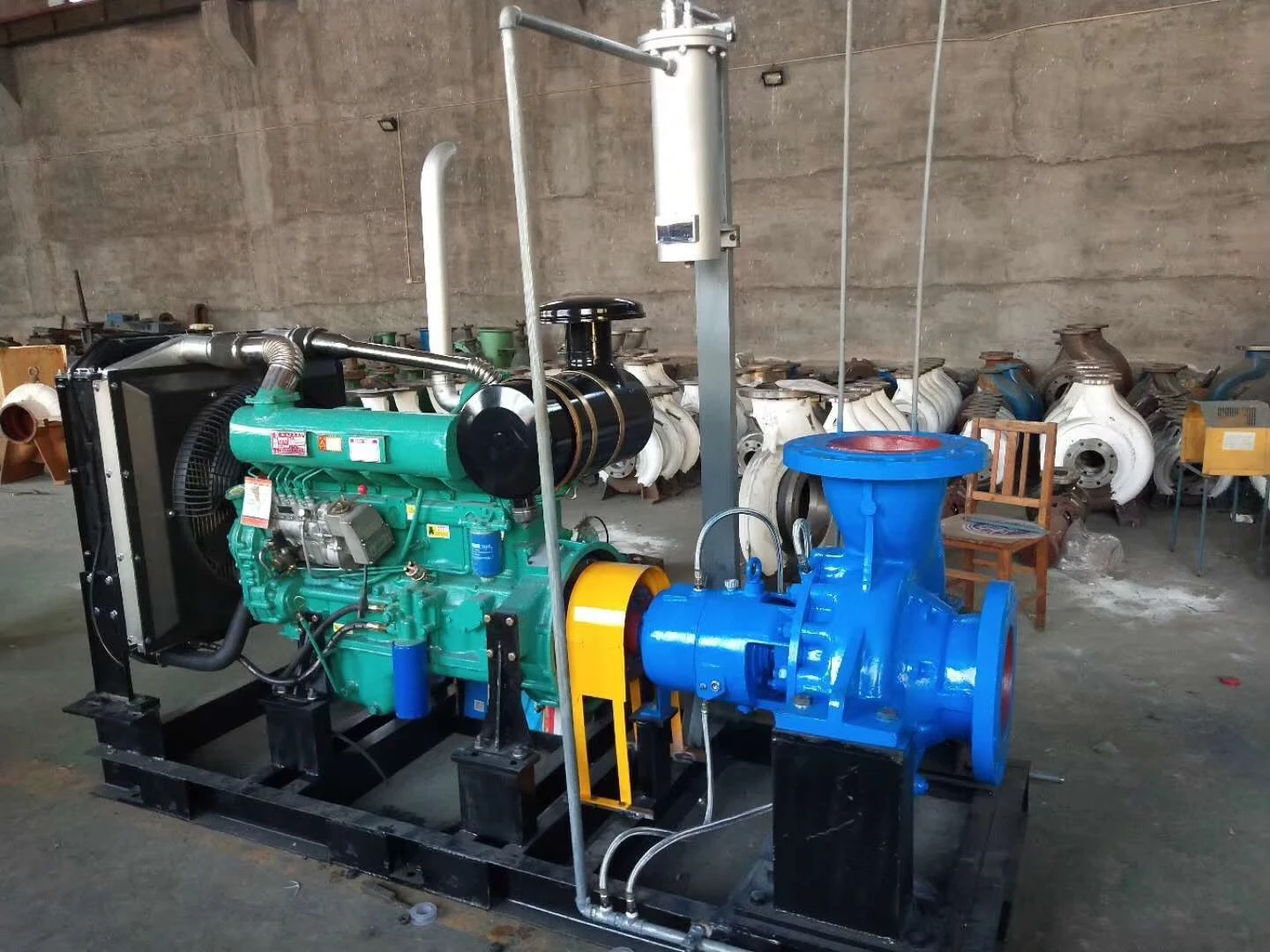
The performance of pipeline booster pumps is heavily governed by hydraulic principles and mechanical engineering considerations. Force analysis focuses on impeller balancing to minimize vibration and bearing stress. Static and dynamic pressure loads are calculated using computational fluid dynamics (CFD) simulations to optimize impeller design and casing geometry. Environmental resistance is a key factor, demanding consideration of temperature extremes, humidity, and potential exposure to corrosive substances. Material selection is driven by these factors, with coatings (epoxy, polyurethane) applied to external surfaces for enhanced protection. Compliance requirements vary based on the application, but typically include adherence to API 610 for centrifugal pumps, and potentially hazardous area regulations (ATEX, IECEx) if handling flammable fluids. Functional implementation necessitates careful consideration of Net Positive Suction Head Available (NPSHa) to prevent cavitation, which can severely damage the impeller. Pump curves are generated through extensive testing to define the relationship between flow rate, head, and efficiency. Variable Frequency Drives (VFDs) are frequently integrated to allow for precise flow control and energy savings. Pipeline stresses induced by pump operation are analyzed using finite element analysis (FEA) to ensure structural integrity and prevent pipeline rupture. Pump selection also considers the system’s fluid viscosity, specific gravity, and the presence of solids. Proper alignment with the pipeline is critical to minimize vibration and bearing wear.
Technical Specifications
| Parameter | Unit | Range (Typical) | Testing Standard |
|---|---|---|---|
| Flow Rate | m³/h | 50 – 1500 | ISO 9906 |
| Head | m | 20 – 200 | ISO 9906 |
| Pump Speed | RPM | 1450 – 3600 | API 610 |
| Power | kW | 3 – 200 | IEC 60034-1 |
| Suction Pressure | bar | -0.5 – 10 | API 610 |
| Discharge Pressure | bar | 10 – 50 | API 610 |
Failure Mode & Maintenance
Pipeline booster pumps are susceptible to several failure modes. Cavitation, caused by insufficient NPSHa, leads to impeller erosion and performance degradation. Fatigue cracking in the pump casing or impeller can occur due to cyclic pressure loads and vibration, especially if the pump is not properly supported. Seal failure results in leakage, potentially causing environmental contamination and reduced pump efficiency. Bearing failure, often stemming from inadequate lubrication or misalignment, leads to increased vibration and eventual pump seizure. Corrosion, particularly in aggressive fluid environments, weakens pump components. Oxidation of metallic parts also contributes to deterioration over time. Maintenance solutions include regular vibration analysis to detect bearing issues, routine seal inspections and replacement, periodic impeller cleaning and inspection for cavitation damage, and implementation of a proper lubrication schedule using appropriate greases (NLGI Grade 2). Preventive maintenance programs should incorporate ultrasonic testing for casing integrity and impeller inspection for cracks. NPSHa calculations must be periodically reviewed to ensure adequate suction pressure. Corrosion protection measures, such as applying protective coatings and using corrosion-resistant materials, are essential for long-term reliability. Proper alignment during installation and regular checks are vital to minimize bearing wear. Record keeping of maintenance activities is crucial for tracking pump performance and predicting potential failures.
Industry FAQ
Q: What are the critical considerations when selecting a booster pump for a pipeline transporting highly abrasive slurry?
A: When handling abrasive slurries, material selection is paramount. High chrome cast iron or specialized wear-resistant alloys are crucial for impeller and casing construction. Hardfacing techniques can further extend component life. Abrasive velocity should be minimized through appropriate pump speed and impeller design. Seal arrangements must prevent abrasive particles from entering the bearing housing. Regular inspection and replacement of wear components are essential.
Q: How does variable speed drive (VFD) integration impact the overall life cycle cost of a pipeline booster pump?
A: VFD integration significantly reduces energy consumption by allowing the pump to operate at the precise speed required to meet demand, minimizing flow restriction and pressure surges. This translates to lower operating costs. Reduced mechanical stress on the pump components, due to smoother operation, extends pump life and lowers maintenance requirements. However, the initial investment cost of the VFD and potential harmonic distortion within the electrical system must be considered.
Q: What are the best practices for preventing cavitation in a pipeline booster pump system?
A: Ensuring adequate NPSHa is the most critical step. This requires verifying that the suction pipeline diameter is sufficient, minimizing pipe losses, and maintaining a positive suction head at the pump inlet. Reducing fluid temperature lowers vapor pressure and increases NPSHa. Impeller design should optimize flow patterns to minimize pressure drops. Regular monitoring of pump performance for signs of cavitation (noise, vibration, reduced head) is essential.
Q: How do differing fluid viscosities affect the performance and selection of a pipeline booster pump?
A: Increased fluid viscosity leads to higher friction losses within the pump and pipeline, reducing flow rate and efficiency. The pump’s performance curve will shift downwards. Higher viscosity fluids also require more power to pump. Pump selection must account for the viscosity, potentially requiring a larger motor and a pump with a more robust impeller design. Viscosity changes with temperature must also be considered.
Q: What Non-Destructive Testing (NDT) methods are typically used during the manufacturing and maintenance of pipeline booster pumps to ensure structural integrity?
A: Radiographic testing (RT) is used to detect internal flaws in castings and welds. Ultrasonic testing (UT) is used to identify subsurface defects and measure material thickness. Liquid penetrant testing (PT) detects surface cracks. Magnetic particle testing (MT) identifies surface and near-surface defects in ferromagnetic materials. Visual testing (VT) is conducted throughout the manufacturing process to identify obvious defects. Each method plays a role in ensuring the pump's structural integrity and preventing catastrophic failure.
Conclusion
Pipeline booster pumps are critical components in maintaining efficient fluid transport in long-distance pipeline systems. Their performance is directly linked to meticulous material selection, precise manufacturing processes, and a deep understanding of hydraulic principles. Addressing potential failure modes through proactive maintenance strategies, including regular inspections, vibration analysis, and adherence to recommended lubrication schedules, is essential for maximizing pump lifespan and minimizing operational downtime.
The future of pipeline booster pump technology will likely focus on enhanced monitoring capabilities through the integration of advanced sensors and data analytics, enabling predictive maintenance and optimized performance. Developments in materials science will lead to more corrosion-resistant and wear-resistant pump components. Furthermore, the adoption of energy-efficient designs, driven by increasing environmental concerns and stricter regulations, will continue to be a key priority. Properly specified, installed and maintained, pipeline booster pumps deliver a crucial function in industries reliant on fluid transportation.
-
Comprehensive Guide to Waterproof ORings for Optimal Sealing Solutions
News2026-06-09
-
Septic Pump System Performance Analysis
News2026-06-08
-
pump for septic Material Science
News2026-06-08
-
basement sewer pump Performance Analysis
News2026-06-08
-
submerged pump Performance Engineering
News2026-06-08
-
Septic System Pumps Performance Analysis
News2026-06-08
-
septic system pump Material Science and Manufacturing
News2026-06-07
-
pump for septic tank Material Science Manufacturing
News2026-06-07
-
submersible sewage pump Material Science
News2026-06-07
-
Sewage Ejector Material Science and Manufacturing
News2026-06-07
-
Ejection Pump Material Science
News2026-06-07
-
pump submersible Performance Analysis
News2026-06-06
-
ejector pumps Performance Engineering
News2026-06-06
-
basement ejector pump Material Science Manufacturing
News2026-06-06
-
Septic Tanks Pumping Performance Analysis
News2026-06-06




