English
- Afrikaans
- Albanian
- Amharic
- Arabic
- Armenian
- Azerbaijani
- Basque
- Belarusian
- Bengali
- Bosnian
- Bulgarian
- Catalan
- Cebuano
- Corsican
- Croatian
- Czech
- Danish
- Dutch
- English
- Esperanto
- Estonian
- Finnish
- French
- Frisian
- Galician
- Georgian
- German
- Greek
- Gujarati
- Haitian Creole
- hausa
- hawaiian
- Hebrew
- Hindi
- Miao
- Hungarian
- Icelandic
- igbo
- Indonesian
- irish
- Italian
- Japanese
- Javanese
- Kannada
- kazakh
- Khmer
- Rwandese
- Korean
- Kurdish
- Kyrgyz
- Lao
- Latin
- Latvian
- Lithuanian
- Luxembourgish
- Macedonian
- Malgashi
- Malay
- Malayalam
- Maltese
- Maori
- Marathi
- Mongolian
- Myanmar
- Nepali
- Norwegian
- Norwegian
- Occitan
- Pashto
- Persian
- Polish
- Portuguese
- Punjabi
- Romanian
- Russian
- Samoan
- Scottish Gaelic
- Serbian
- Sesotho
- Shona
- Sindhi
- Sinhala
- Slovak
- Slovenian
- Somali
- Spanish
- Sundanese
- Swahili
- Swedish
- Tagalog
- Tajik
- Tamil
- Tatar
- Telugu
- Thai
- Turkish
- Turkmen
- Ukrainian
- Urdu
- Uighur
- Uzbek
- Vietnamese
- Welsh
- Bantu
- Yiddish
- Yoruba
- Zulu

Telephone: +86 13120555503
Email: frank@cypump.com


Apr . 01, 2024 17:55 Back to list
pipe type non clogging sewage pump Performance Analysis
Introduction
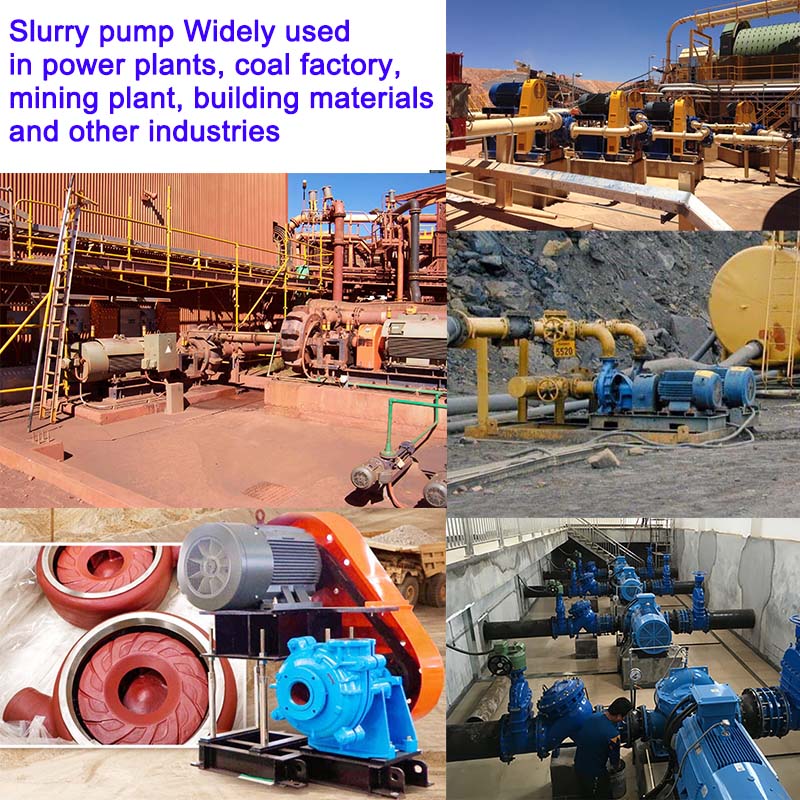
Pipe type non-clogging sewage pumps are centrifugal pumps specifically engineered for the efficient and reliable transfer of wastewater containing solids. They represent a critical component within municipal wastewater treatment plants, industrial effluent handling systems, and commercial building infrastructure. Unlike standard centrifugal pumps which are susceptible to blockage from fibrous materials and large solids, these pumps utilize a specialized impeller design and often incorporate a recessed or vortex impeller to facilitate the passage of solids without interruption. Their technical position in the industry chain is downstream from wastewater collection networks and upstream from further treatment processes like biological treatment or discharge. Core performance characteristics include high solids handling capacity (expressed as a percentage or in millimeters of particle size), flow rate (typically in cubic meters per hour or gallons per minute), head (measured in meters or feet), and power consumption (in kilowatts or horsepower). Achieving robust performance in this application requires a careful balance of hydraulic design, material selection, and mechanical robustness to withstand the abrasive nature of sewage and prevent pump failure.
Material Science & Manufacturing
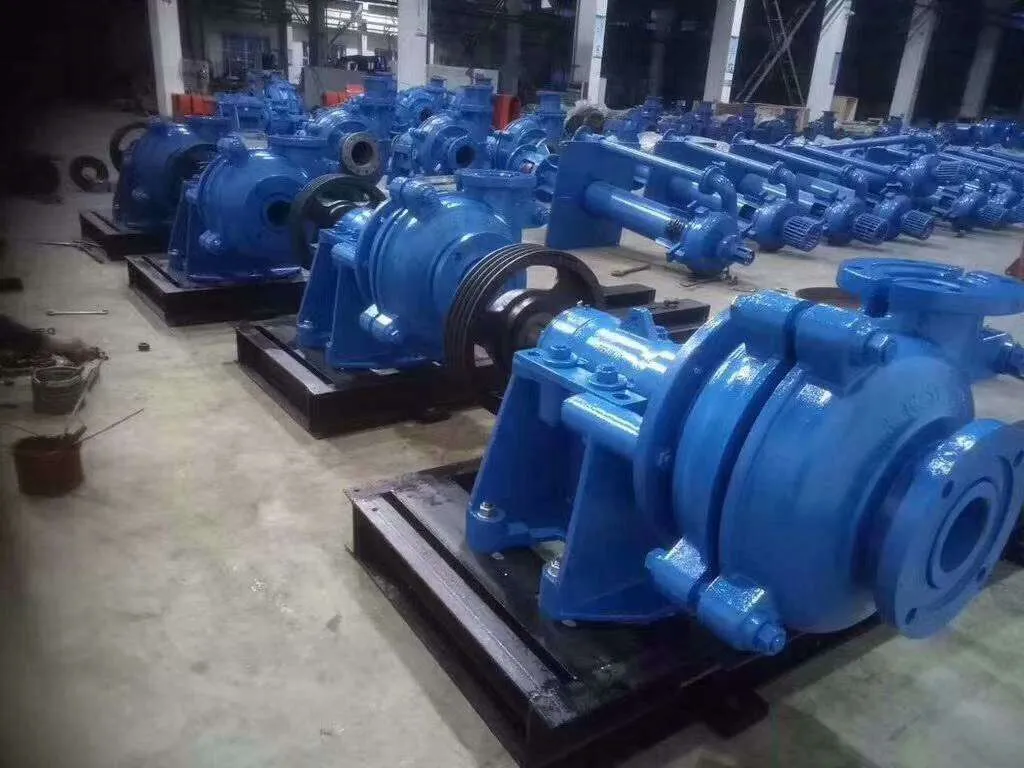
The construction of pipe type non-clogging sewage pumps demands materials capable of resisting corrosion, abrasion, and the mechanical stresses inherent in pumping wastewater. Impellers and volute casings are frequently manufactured from high-grade cast iron (ASTM A48 Class 30 or equivalent), often with a protective coating such as epoxy or a ceramic lining to enhance wear resistance. Shafts are typically made from stainless steel (AISI 4140 or equivalent) and undergo induction hardening to improve fatigue strength and resistance to torsional stress. Pump housings and baseplates commonly utilize ductile iron (ASTM A536 Grade 65-45-12) due to its superior impact resistance compared to gray cast iron. Seals are crucial for preventing leakage and are typically mechanical seals constructed from silicon carbide faces, EPDM elastomers, and stainless steel hardware, selected for compatibility with wastewater chemistry. Manufacturing processes begin with casting of the iron components, followed by precision machining of the impeller and volute. Welding processes, such as shielded metal arc welding (SMAW) or gas tungsten arc welding (GTAW), are used to fabricate the pump housing and support structures. Critical parameters controlled during manufacturing include impeller balance (to minimize vibration), surface finish (to reduce frictional losses), seal concentricity (to ensure leak-free operation), and coating thickness (to provide adequate corrosion protection). Non-destructive testing methods, including liquid penetrant inspection and ultrasonic testing, are employed to detect flaws in castings and welds.
Performance & Engineering
The hydraulic performance of pipe type non-clogging sewage pumps is dictated by several key engineering principles. The recessed or vortex impeller design is central to solids handling capability. Unlike radial impellers that rely on direct impact to transfer energy to the fluid, recessed impellers create a swirling motion that draws solids into the center of the pump without significant crushing or maceration. This minimizes wear on the impeller and prevents blockage. Force analysis focuses on the dynamic loads imposed on the impeller and shaft during operation, including hydraulic forces, centrifugal forces, and torsional stresses. Finite element analysis (FEA) is frequently employed to optimize impeller geometry and ensure structural integrity. Environmental resistance is critical, with pumps needing to withstand immersion in corrosive wastewater and fluctuating temperatures. The pump’s casing must resist hydrostatic pressure and potential external loads. Compliance requirements are stringent, often dictated by local and national regulations concerning wastewater discharge and pump efficiency standards. Specific regulations, like those set forth by the EPA in the United States, may dictate allowable levels of pump leakage and energy consumption. Functional implementation necessitates careful consideration of system head loss, pipe diameter, and pump placement within the wastewater collection system to ensure optimal performance and prevent cavitation.
Technical Specifications
| Pump Model | Flow Rate (m³/hr) | Head (m) | Motor Power (kW) |
|---|---|---|---|
| SP680-A | 50-150 | 10-25 | 3.0 |
| SP800-B | 80-220 | 15-35 | 5.5 |
| SP1000-C | 120-350 | 20-50 | 7.5 |
| SP1200-D | 200-500 | 30-60 | 11.0 |
| SP1500-E | 300-700 | 40-70 | 15.0 |
| SP1800-F | 400-900 | 50-80 | 22.0 |
Failure Mode & Maintenance
Pipe type non-clogging sewage pumps are susceptible to several failure modes, primarily linked to the abrasive nature of the pumped fluid and the potential for solids to induce mechanical stress. Fatigue cracking in the impeller is a common issue, resulting from cyclic loading and the impact of solids. Delamination of the protective coating on the impeller and volute can accelerate corrosion and reduce pump efficiency. Bearing failure, often caused by inadequate lubrication or contamination, leads to increased vibration and eventual pump seizure. Seal failure, stemming from abrasion by solids or chemical degradation of the seal materials, causes leakage and potential motor damage. Cavitation, induced by insufficient net positive suction head (NPSH), leads to impeller erosion and reduced pump performance. Oxidation of metal components contributes to corrosion and weakening of structural integrity. Regular maintenance is crucial for preventing these failures. This includes periodic inspection of the impeller for wear and cracks, replacement of worn seals and bearings, lubrication of bearings, and verification of proper alignment. Preventive maintenance should also involve monitoring vibration levels, checking for excessive noise, and regularly cleaning the pump intake screen to remove debris. For major repairs, such as impeller replacement or casing repair, qualified personnel should perform the work following the manufacturer's guidelines. Scheduled inspections based on operating hours and fluid characteristics are essential for maximizing pump lifespan.
Industry FAQ
Q: What differentiates a non-clogging pump from a standard centrifugal pump in terms of impeller design?
A: Standard centrifugal pumps employ radial impellers designed for efficient energy transfer to a clean fluid. However, these designs are highly susceptible to blockage from solids. Non-clogging pumps utilize recessed or vortex impellers. These designs create a swirling action that pulls solids into the pump's center without significant impact or crushing, allowing them to pass through without causing blockage. The lower efficiency of non-clogging impellers is a trade-off for increased solids handling capability.
Q: What is the role of the mechanical seal in preventing pump failure, and what materials are commonly used?
A: The mechanical seal prevents leakage of wastewater from the pump casing around the rotating shaft. It consists of two flat faces—one stationary and one rotating—held together by spring pressure, forming a tight seal. Common materials include silicon carbide for the faces (due to its hardness and wear resistance), EPDM elastomers for the O-rings and gaskets (for compatibility with wastewater), and stainless steel for the hardware. Seal failure is a common point of maintenance due to abrasion and chemical attack.
Q: How does cavitation affect pump performance, and how can it be prevented?
A: Cavitation occurs when the pressure within the pump drops below the vapor pressure of the liquid, forming vapor bubbles that collapse violently against the impeller. This collapse causes localized erosion of the impeller material, reduces pump efficiency, and generates noise. Preventing cavitation requires ensuring sufficient Net Positive Suction Head Available (NPSHA) at the pump inlet, minimizing suction lift, and maintaining adequate fluid levels in the suction tank.
Q: What coating materials are used to enhance the corrosion resistance of pump components?
A: Epoxy coatings are commonly applied to the impeller and volute casing to provide a barrier against corrosive attack from chemicals present in wastewater. Ceramic linings offer even greater protection, particularly in highly corrosive environments. Specialized polymer coatings are also utilized to resist abrasion and reduce friction. The selection of the coating material depends on the specific composition of the wastewater being pumped.
Q: What are the key considerations when selecting a pump for a specific wastewater application?
A: Key considerations include the expected solids content and size, flow rate and head requirements, wastewater chemical composition, operating temperature, and applicable regulatory requirements. A detailed analysis of the wastewater characteristics is essential for selecting a pump with the appropriate materials of construction, impeller design, and motor power. The system design should also account for potential head losses in the piping network and ensure adequate NPSH.
Conclusion
Pipe type non-clogging sewage pumps are essential components in wastewater management systems, designed to overcome the challenges presented by solids-laden fluids. Their efficacy stems from a carefully engineered combination of recessed or vortex impeller designs, robust material selection, and meticulous manufacturing processes. Understanding the nuances of hydraulic performance, potential failure modes, and necessary maintenance protocols is paramount to ensuring reliable and cost-effective operation.
Future developments in this field are likely to focus on optimizing impeller geometries through advanced computational fluid dynamics (CFD) modeling, exploring novel materials with enhanced abrasion resistance, and incorporating smart sensor technologies for predictive maintenance. Continuous innovation in pump design and monitoring will be critical to meeting the evolving demands of wastewater treatment facilities and maintaining the integrity of our environmental infrastructure.
-
pipe type non clogging sewage pump Performance Analysis
News2026-06-03
-
submersible nonclog sewage pump Material Science Manufacturing
News2026-06-03
-
nonclog sewage submersible pump Performance Analysis
News2026-06-03
-
non clog sewage submersible pump Performance Analysis
News2026-06-03
-
non clog sewage pump Performance Analysis
News2026-06-03
-
sand gravel pump Performance Analysis
News2026-06-02
-
sand and gravel dredge pumps Performance Analysis
News2026-06-02
-
terapump aquarium gravel sand bpafree pump Performance Analysis
News2026-06-02
-
sand and gravel pump Material Science Manufacturing
News2026-06-02
-
air pump sand and gravel Performance Analysis
News2026-06-02
-
submersible pump for sewage treatment plant Performance Analysis
News2026-06-01
-
single phase sewage submersible pump Material Science Manufacturing
News2026-06-01
-
sewage water submersible pump Material Science Manufacturing
News2026-06-01
-
Sewage Submersible Pump Price List Performance Analysis
News2026-06-01
-
sewage submersible pump 3hp Performance Analysis
News2026-06-01




