


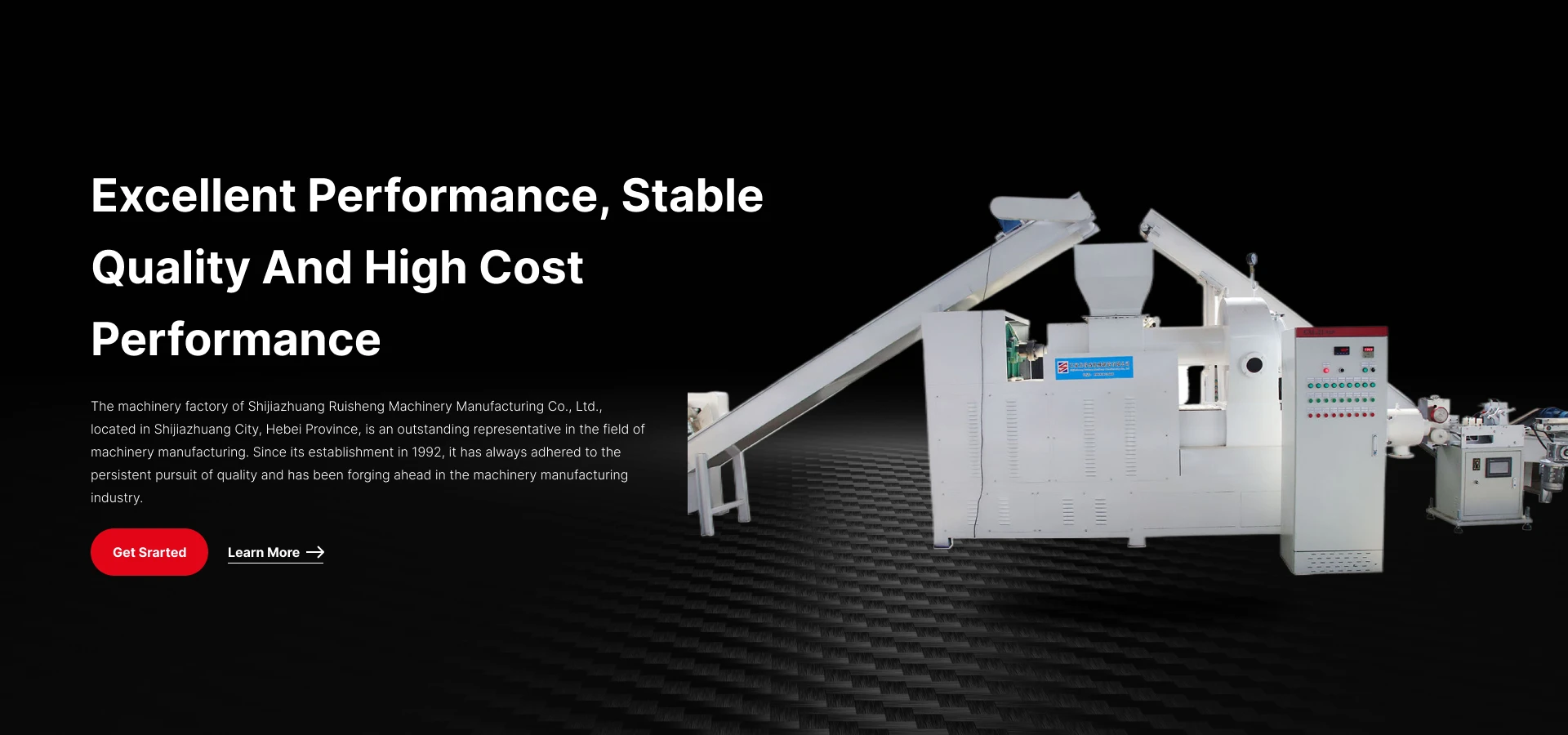
The Twin-screw Granulator and related mechanical systems are essential for maintaining precise texture in modern manufacturing. In highly automated production environments, the intersection of fluid mechanics and solid material handling defines the ultimate efficiency of a production line. Whether dealing with chemical refining, soap manufacturing, or polymer processing, the ability to control viscosity and flow rate is the difference between a premium end-product and significant industrial waste.
The Role of Pressure Management in Viscous Flows
Industrial pump systems are often tasked with moving highly viscous liquids that exhibit non-Newtonian behavior. Unlike water, these materials change their flow characteristics based on the shear stress applied. To manage this, engineers must integrate specialized hardware that can handle varying densities without causing cavitation or mechanical fatigue. A failure to account for these fluctuations often leads to inconsistent batch quality and frequent downtime.
To mitigate these risks, many facilities implement a Buffer Tank system to stabilize pressure and flow before the material enters the primary processing stage. This buffer acts as a mechanical shock absorber, smoothing out the pulses from pumps and ensuring that the downstream machinery receives a steady, predictable stream of material. This stability is critical for precision equipment like three-roll grinders or sigma kneaders, where any sudden change in pressure can ruin the homogeneity of the mixture.
Integration of Supply Chain Precision and Engineering
As global manufacturing moves toward Industry 4.0, the demand for high-precision components has increased. It is no longer enough to have a powerful pump; the entire ecosystem—from the conveyors that transport raw ingredients to the vacuum double-drawing machines that shape the final product—must be synchronized. This level of integration requires a deep understanding of both the chemical properties of the materials and the mechanical limits of the hardware.
Key Challenges in Material Processing
- Thermal Stability: Maintaining specific temperatures during refining to prevent ingredient degradation.
- Shear Management: Utilizing specialized machinery like sigma kneaders to ensure uniform dispersion of solids in liquids.
- Mechanical Durability: Ensuring that CNC-machined components can withstand the corrosive nature of various industrial chemicals.
Reliable manufacturing relies on a robust supply chain of high-quality mechanical parts. Companies like RUIJIE contribute to this industrial backbone by providing the underlying machinery—such as soap refining and mixing equipment—that allows larger processing plants to maintain high throughput. When the foundational machinery is built with precision, the entire downstream process, including the pump and fluid management systems, operates with much higher reliability.
Future Trends: Automation and Precision
The future of industrial processing lies in the intelligent automation of these complex systems. We are seeing a shift toward sensors that can detect microscopic changes in viscosity in real-time, automatically adjusting pump speeds and valve positions to compensate. This level of precision ensures that even the most delicate materials are processed with minimal energy consumption and maximum yield, driving the industry toward a more sustainable and efficient future.




