English
- Afrikaans
- Albanian
- Amharic
- Arabic
- Armenian
- Azerbaijani
- Basque
- Belarusian
- Bengali
- Bosnian
- Bulgarian
- Catalan
- Cebuano
- Corsican
- Croatian
- Czech
- Danish
- Dutch
- English
- Esperanto
- Estonian
- Finnish
- French
- Frisian
- Galician
- Georgian
- German
- Greek
- Gujarati
- Haitian Creole
- hausa
- hawaiian
- Hebrew
- Hindi
- Miao
- Hungarian
- Icelandic
- igbo
- Indonesian
- irish
- Italian
- Japanese
- Javanese
- Kannada
- kazakh
- Khmer
- Rwandese
- Korean
- Kurdish
- Kyrgyz
- Lao
- Latin
- Latvian
- Lithuanian
- Luxembourgish
- Macedonian
- Malgashi
- Malay
- Malayalam
- Maltese
- Maori
- Marathi
- Mongolian
- Myanmar
- Nepali
- Norwegian
- Norwegian
- Occitan
- Pashto
- Persian
- Polish
- Portuguese
- Punjabi
- Romanian
- Russian
- Samoan
- Scottish Gaelic
- Serbian
- Sesotho
- Shona
- Sindhi
- Sinhala
- Slovak
- Slovenian
- Somali
- Spanish
- Sundanese
- Swahili
- Swedish
- Tagalog
- Tajik
- Tamil
- Tatar
- Telugu
- Thai
- Turkish
- Turkmen
- Ukrainian
- Urdu
- Uighur
- Uzbek
- Vietnamese
- Welsh
- Bantu
- Yiddish
- Yoruba
- Zulu

Telephone: +86 13120555503
Email: frank@cypump.com


Apr . 01, 2024 17:55 Back to list
oem manufacturers producing heavyduty slurry pumps with Material Science Manufacturing
Introduction
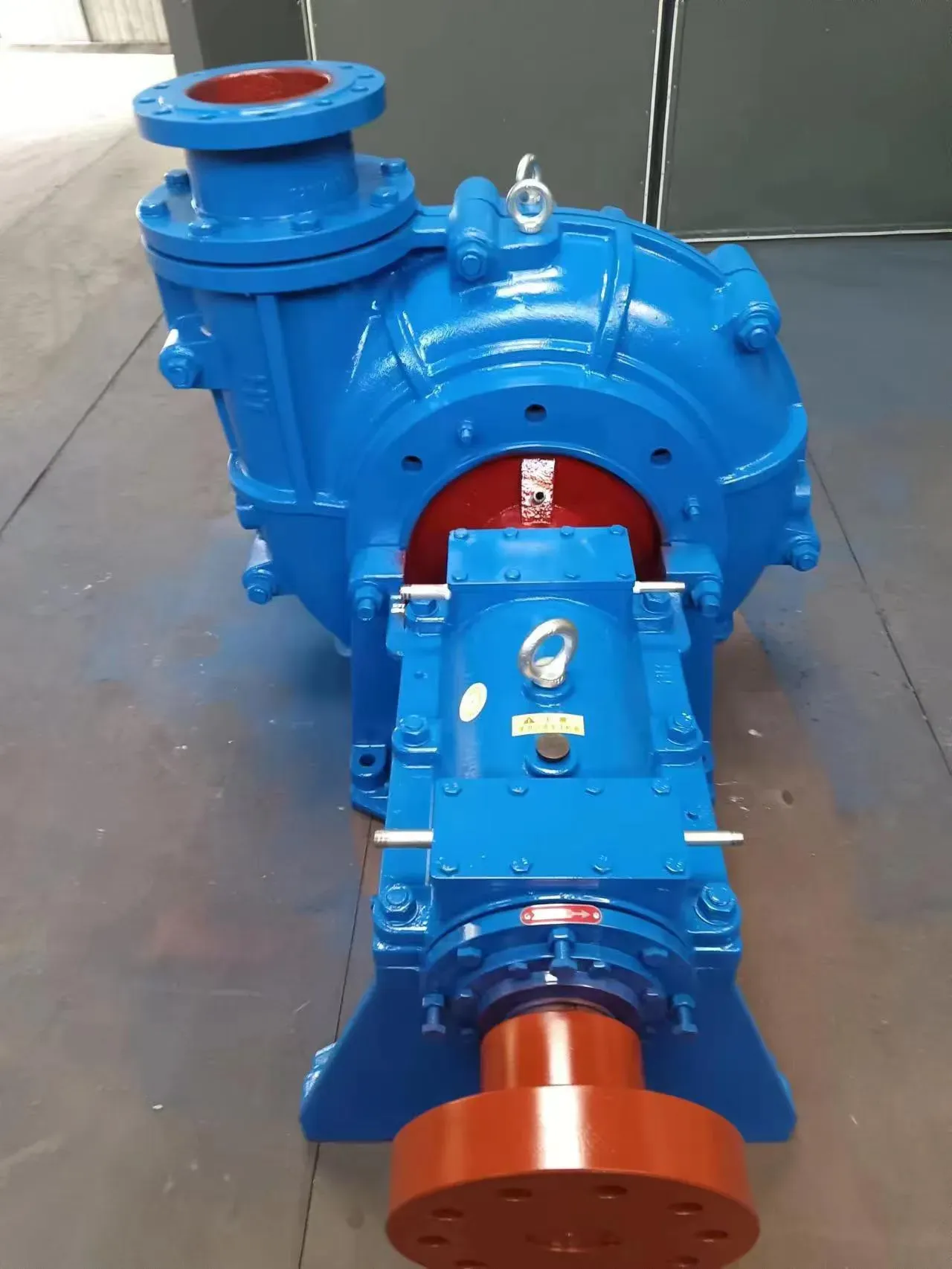
Heavy-duty slurry pumps represent a critical component in numerous industrial processes, facilitating the transport of abrasive, corrosive, and high-solids-content fluids. OEM manufacturers specializing in these pumps face challenges related to material selection, hydraulic design, and wear resistance to ensure longevity and optimal performance in demanding applications. This guide provides a comprehensive technical overview for procurement managers, engineers, and maintenance personnel involved in the selection, operation, and maintenance of these pumps. The increasing demand for efficient and reliable slurry handling solutions across industries like mining, wastewater treatment, chemical processing, and dredging necessitates a deep understanding of the underlying principles governing slurry pump technology. The primary performance indicators include flow rate, head, solids handling capability, and pump efficiency, all of which are intricately linked to the pump's internal design and construction materials. Understanding these factors is paramount to mitigating operational costs and maximizing uptime.
Material Science & Manufacturing
The construction of heavy-duty slurry pumps relies heavily on materials capable of withstanding severe abrasion, corrosion, and impact. Commonly employed materials include high-chromium cast irons (typically 15-30% Cr), offering excellent abrasive resistance; various stainless steels (304, 316, duplex stainless steels) for corrosive environments; and elastomer linings (natural rubber, synthetic rubber) to protect pump casings from wear and corrosion. The manufacturing processes involved are complex and require stringent quality control. Pump casings are often manufactured using sand casting, investment casting, or centrifugal casting depending on the size, complexity, and required material properties. Impellers are typically produced via investment casting or resin-bonded sand casting to achieve precise geometries and smooth surface finishes, minimizing fluid friction losses. Shafts are forged and then machined to high tolerances, followed by heat treatment to enhance their strength and fatigue resistance. Welding processes, such as shielded metal arc welding (SMAW) and submerged arc welding (SAW), are crucial for joining various components. Critical parameters during welding include preheat temperature, welding current, and filler metal composition to ensure weld integrity and prevent cracking. The hardness of the chromium carbides within the cast iron is a key indicator of abrasion resistance, typically measured using Rockwell C hardness testing. Proper heat treatment controls the carbide distribution and morphology.
Performance & Engineering
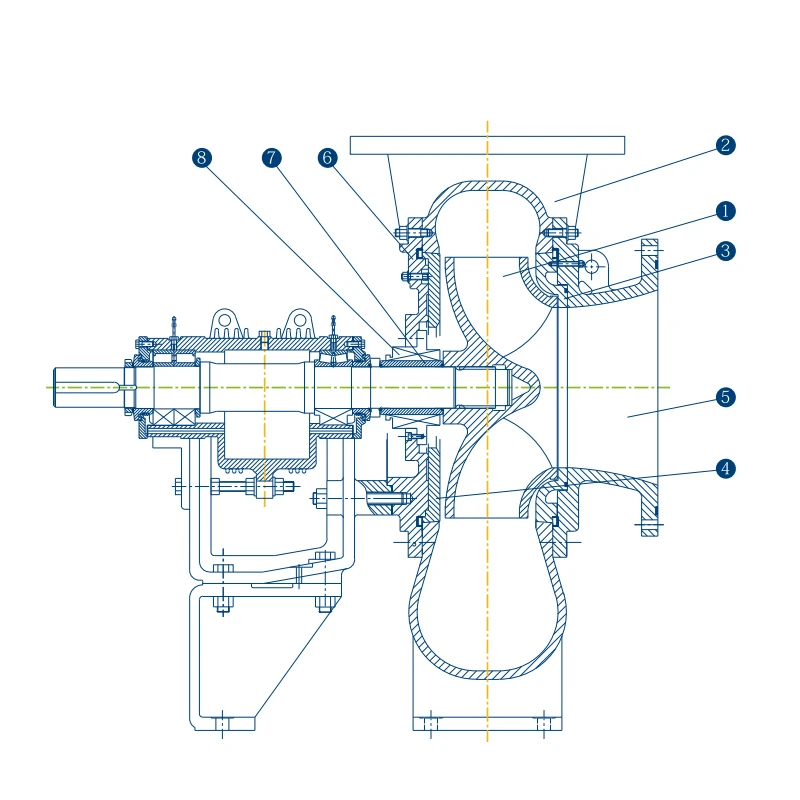
Slurry pump performance is dictated by several key engineering principles. The pump's head-capacity curve is a fundamental characteristic, representing the relationship between the flow rate and the pressure developed by the pump. This curve is influenced by impeller diameter, impeller speed, and pump casing geometry. Net Positive Suction Head Required (NPSHr) is a critical parameter to prevent cavitation, which can severely damage the pump. Accurate NPSHr calculations, considering the slurry’s vapor pressure and fluid velocity, are essential for reliable operation. Hydraulic design focuses on minimizing energy losses due to friction and turbulence. Computational Fluid Dynamics (CFD) simulations are increasingly used to optimize impeller and volute designs for maximum efficiency and solids handling capability. Force analysis considers the impact of solid particles on the impeller and casing, leading to wear. Material selection must account for these impact forces and the slurry’s corrosive properties. Environmental resistance is also a major concern, particularly in applications involving extreme temperatures or exposure to harsh chemicals. Compliance requirements, such as those stipulated by API 610 (Centrifugal Pumps) and relevant industry standards, mandate specific design, testing, and documentation procedures.
Technical Specifications
| Parameter | Unit | Typical Range (Centrifugal Pump) | Typical Range (Positive Displacement Pump) |
|---|---|---|---|
| Flow Rate | m³/h | 10 - 1500 | 5 - 300 |
| Head | m | 10 - 100 | 2 - 50 |
| Solids Handling Size | mm | Up to 100 | Up to 75 |
| Slurry Concentration (Weight %) | % | Up to 70 | Up to 80 |
| Pump Speed | RPM | 500 - 3600 | 50 - 500 |
| Material (Casing) | - | High-Chrome Cast Iron, Stainless Steel, Rubber Lined | Stainless Steel, Cast Iron |
Failure Mode & Maintenance
Slurry pump failures typically arise from abrasive wear, corrosion, erosion, and mechanical fatigue. Abrasive wear occurs due to the impact of solid particles, leading to gradual material loss, particularly on the impeller and casing. Corrosion is caused by chemical reactions between the slurry and the pump materials, weakening the metal structure. Erosion is a combined effect of abrasion and corrosion, accelerated by high fluid velocities. Mechanical fatigue arises from cyclic loading, leading to crack initiation and propagation in components like the shaft and impeller. Failure analysis often reveals wear patterns indicative of the dominant failure mechanism. Preventive maintenance is crucial to mitigate these failures. Regular inspections for wear and corrosion, lubrication of bearings, and replacement of worn components (impellers, liners, seals) are essential. Monitoring vibration levels can detect bearing failures or impeller imbalances. Proper slurry handling practices, such as minimizing particle size and avoiding excessive fluid velocities, can extend pump life. Impeller rebalancing after wear is also important to prevent premature bearing failure. Scheduled shutdowns for thorough inspections and component replacements should be based on operating hours and slurry characteristics.
Industry FAQ
Q: What is the optimal impeller material for a slurry containing highly abrasive silica particles?
A: For highly abrasive silica particles, a high-chromium cast iron impeller (typically 27% Cr) is generally recommended. The high chromium content forms hard carbides that resist abrasion. However, the specific composition should be tailored to the particle size distribution and slurry velocity. For extremely fine silica particles, a rubber lining may provide better protection against micro-erosion.
Q: How does the pump speed affect the wear rate of the impeller?
A: Increasing pump speed generally increases the wear rate of the impeller. Higher velocities lead to greater impact forces from the solid particles and increased erosion. However, reducing pump speed may also reduce the pump's capacity. The optimal speed is a compromise based on the slurry characteristics and desired flow rate.
Q: What are the key considerations when selecting a pump seal for a corrosive slurry?
A: Seal selection for corrosive slurries requires careful consideration of the fluid’s chemical compatibility with the seal materials. Materials like silicon carbide, tungsten carbide, and various elastomers (e.g., Viton, EPDM) are commonly used. Mechanical seals with multiple seal faces and flushing arrangements can improve reliability and prevent seal failure. The pH and temperature of the slurry are also critical factors.
Q: How can cavitation be prevented in a slurry pump?
A: Cavitation can be prevented by ensuring adequate Net Positive Suction Head Available (NPSHa) exceeds the Net Positive Suction Head Required (NPSHr). This involves minimizing suction lift, increasing suction pressure, or reducing fluid velocity in the suction piping. Regular inspection for impeller damage caused by cavitation is also essential.
Q: What role does pump efficiency play in the total cost of ownership?
A: Pump efficiency significantly impacts the total cost of ownership. Higher efficiency reduces energy consumption, lowering operating costs. Although a more efficient pump may have a higher initial cost, the long-term energy savings often outweigh the investment. Regular monitoring of pump performance and maintenance to maintain efficiency are crucial for maximizing cost savings.
Conclusion
The selection and maintenance of heavy-duty slurry pumps demand a comprehensive understanding of material science, hydraulic principles, and failure mechanisms. OEM manufacturers must prioritize robust design, appropriate material selection, and stringent quality control to deliver pumps capable of withstanding the rigors of abrasive and corrosive slurry applications. Effective maintenance strategies, including regular inspections, component replacements, and performance monitoring, are vital to maximize pump uptime and minimize total cost of ownership.
Future trends in slurry pump technology focus on advanced materials, such as ceramic composites and novel alloys, to enhance wear resistance and corrosion protection. The integration of sensor technology and predictive maintenance algorithms will enable proactive identification of potential failures, optimizing maintenance schedules and reducing unplanned downtime. Furthermore, advancements in hydraulic design, utilizing CFD simulations and optimized impeller geometries, will lead to improved pump efficiency and reduced energy consumption.
-
Precision at the Pump: How Better Machining Protects Flow and Uptime
News2026-11-20
-
Why Pump Reliability Begins Before the First Drop of Fluid
News2026-11-20
-
Beyond the Pump: Designing Safer Access Around Critical Water Infrastructure
News2026-11-20
-
Why Pumping Stations Depend on the Infrastructure Beneath the Pumps
News2026-11-20
-
Beyond the Pump Room: How Smarter Loading Protects Industrial Equipment
News2026-11-19
-
When Pumps Stop: Designing More Resilient Power for Critical Pumping Systems
News2026-11-19
-
The Hidden Role of Dust and Gas Monitoring in Reliable Pump Operations
News2026-11-19
-
The Hidden Role of Mineral Compounds in Extending Industrial Pump Lifespan
News2026-10-12
-
Why Pump System Reliability Depends on Precision Hose Assembly Methods
News2026-09-15
-
How Advanced Imaging Films Are Transforming Pump Component Quality Control
News2026-08-25
-
How Advanced Filtration Protects Pump Systems from Premature Wear and Costly Downtime
News2026-08-25
-
How Steel Material Selection Drives Pump Reliability in Heavy-Duty Systems
News2026-08-25
-
Ensuring Pump System Efficiency: The Role of High-Quality Pipe Fittings and Tubing
News2026-08-24
-
Optimizing Fluid Dynamics and Material Consistency in Industrial Processing
News2026-08-18
-
Innovations and Challenges in Hydraulic Systems for Heavy Machinery
News2026-08-13




