English
- Afrikaans
- Albanian
- Amharic
- Arabic
- Armenian
- Azerbaijani
- Basque
- Belarusian
- Bengali
- Bosnian
- Bulgarian
- Catalan
- Cebuano
- Corsican
- Croatian
- Czech
- Danish
- Dutch
- English
- Esperanto
- Estonian
- Finnish
- French
- Frisian
- Galician
- Georgian
- German
- Greek
- Gujarati
- Haitian Creole
- hausa
- hawaiian
- Hebrew
- Hindi
- Miao
- Hungarian
- Icelandic
- igbo
- Indonesian
- irish
- Italian
- Japanese
- Javanese
- Kannada
- kazakh
- Khmer
- Rwandese
- Korean
- Kurdish
- Kyrgyz
- Lao
- Latin
- Latvian
- Lithuanian
- Luxembourgish
- Macedonian
- Malgashi
- Malay
- Malayalam
- Maltese
- Maori
- Marathi
- Mongolian
- Myanmar
- Nepali
- Norwegian
- Norwegian
- Occitan
- Pashto
- Persian
- Polish
- Portuguese
- Punjabi
- Romanian
- Russian
- Samoan
- Scottish Gaelic
- Serbian
- Sesotho
- Shona
- Sindhi
- Sinhala
- Slovak
- Slovenian
- Somali
- Spanish
- Sundanese
- Swahili
- Swedish
- Tagalog
- Tajik
- Tamil
- Tatar
- Telugu
- Thai
- Turkish
- Turkmen
- Ukrainian
- Urdu
- Uighur
- Uzbek
- Vietnamese
- Welsh
- Bantu
- Yiddish
- Yoruba
- Zulu

Telephone: +86 13120555503
Email: frank@cypump.com


Apr . 01, 2024 17:55 Back to list
oem high head slurry pump for efficient and reliable performance analysis
Introduction
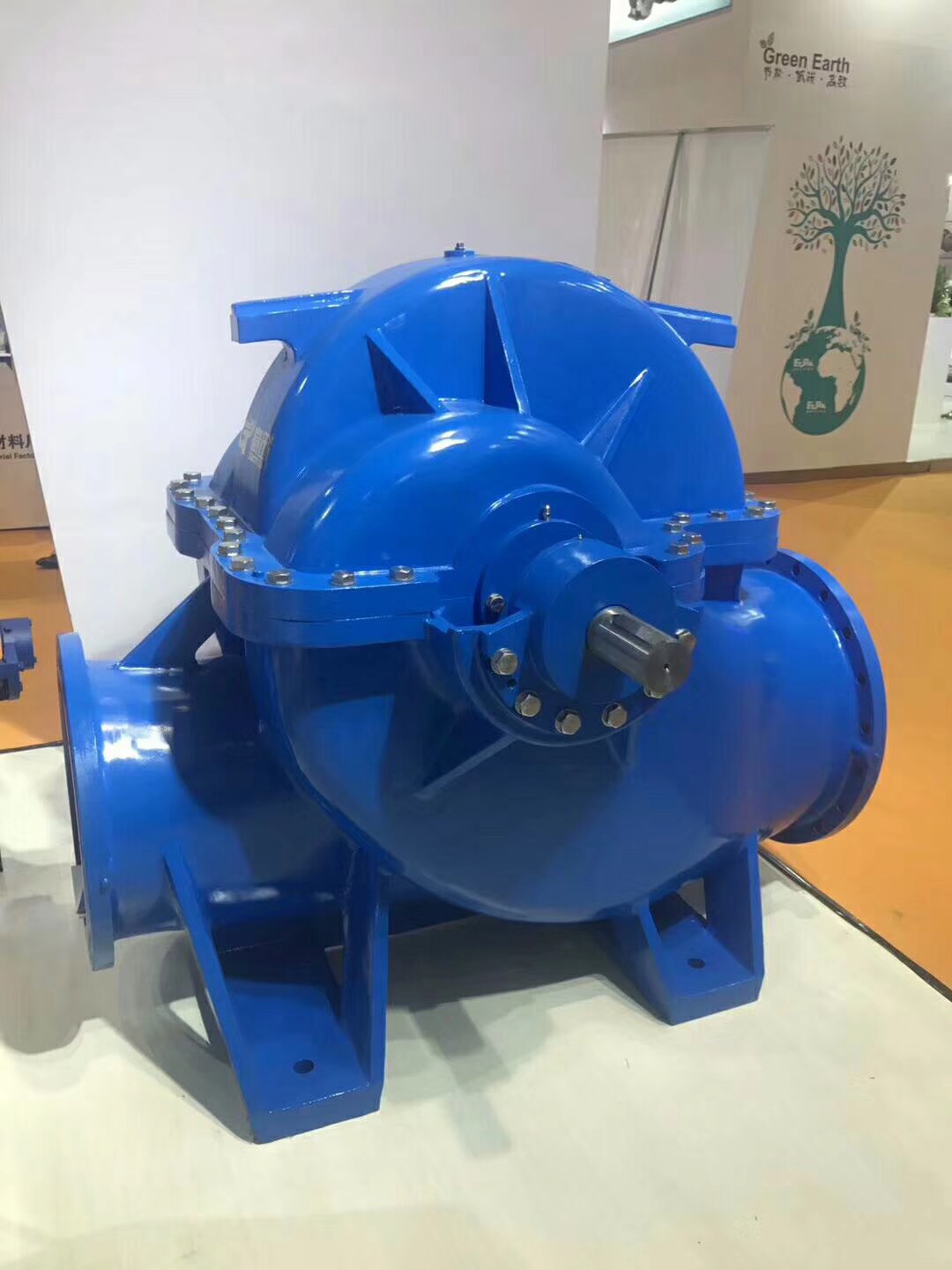
OEM high head slurry pumps are critical components in numerous industrial processes, including mining, mineral processing, heavy oil sands extraction, and wastewater treatment. These pumps are specifically engineered to transport abrasive, erosive, and high-solids content slurries over significant vertical distances. Unlike centrifugal pumps optimized for low-viscosity fluids, high head slurry pumps prioritize wear resistance, hydraulic efficiency in challenging conditions, and robust construction to withstand the aggressive nature of the pumped media. The core performance characteristic differentiating these pumps is their ability to generate high discharge pressures (head) while maintaining acceptable flow rates, even with substantial solids loading. This necessitates a specialized impeller design, casing geometry, and material selection. A key industry pain point is balancing pump longevity with operational costs; premature failure due to wear leads to significant downtime and expense. The OEM focus aims to address this through advanced materials, optimized hydraulic design, and rigorous quality control.
Material Science & Manufacturing
The performance and lifespan of a high head slurry pump are intrinsically linked to the material science employed in its construction. Casing materials typically include high-chrome cast iron (ASTM A532 Grade 1 Class 30) for its excellent abrasion resistance, or alternatively, specialized alloys such as duplex stainless steel (UNS S31803 / ASTM A995) for corrosive environments. Impeller materials frequently mirror the casing material, with the addition of tungsten carbide hardfacing on leading edges and vanes to mitigate erosion. Shafts are commonly constructed from alloy steels (e.g., 4140 or 4340) subjected to heat treatment to achieve high tensile strength and torsional rigidity. Manufacturing processes are equally critical. Casing fabrication usually involves sand casting followed by meticulous heat treatment to relieve stresses. Impellers may be cast, or in some designs, forged and then precision-machined. A critical process is welding, particularly for repairs and modifications. Welding procedures must adhere to AWS D1.1 standards, utilizing low-hydrogen electrodes and pre/post-weld heat treatment to prevent cracking. Parameter control during casting – cooling rates, mold materials, and metal composition – significantly influence the microstructure and thus, the wear resistance. Furthermore, rubber liners (natural rubber or synthetic elastomers) are often incorporated into casing and impeller designs to dampen impact and reduce noise, demanding precise bonding techniques and material compatibility assessments. Quality control at each manufacturing stage involves non-destructive testing (NDT) such as radiographic inspection, ultrasonic testing, and dye penetrant examination to detect defects.
Performance & Engineering
High head slurry pump performance hinges on a complex interplay of hydraulic design and mechanical engineering principles. Force analysis is paramount, accounting for the static and dynamic loads imposed by the slurry, including hydrostatic pressure, centrifugal forces, and impact loads from solid particles. The pump's Net Positive Suction Head Required (NPSHr) is a critical parameter; insufficient NPSH leads to cavitation, causing impeller damage and reduced efficiency. Hydraulic designs prioritize minimizing turbulence and maximizing flow velocity to enhance slurry transport and reduce sedimentation. Impeller geometry, specifically the vane angle and width, is tailored to the specific slurry characteristics and desired head-flow curve. Environmental resistance is addressed through appropriate sealing systems – mechanical seals conforming to API 682 standards are common – to prevent leakage and contamination. Compliance requirements vary by region but typically include adherence to ISO 13709 (petroleum and natural gas industries — pumps for surface applications) and relevant environmental regulations regarding emissions and noise levels. Finite Element Analysis (FEA) is extensively used to optimize component geometries, predict stress distributions, and validate structural integrity. The selection of bearing types (e.g., roller bearings, hydrodynamic bearings) is dictated by load capacity, speed requirements, and lubrication considerations. Proper alignment between the pump and motor is crucial to prevent premature bearing failure and shaft misalignment.
Technical Specifications
| Parameter | Unit | Typical Range (OEM Model X100) | Notes |
|---|---|---|---|
| Maximum Head | meters | 50-200 | Dependent on impeller diameter and speed |
| Maximum Flow Rate | m³/hr | 20-200 | Influenced by slurry concentration and viscosity |
| Maximum Solids Concentration (by weight) | % | Up to 60 | Material dependent; consult manufacturer |
| Maximum Particle Size | mm | Up to 75 | Larger sizes require specific impeller design |
| Casing Material | - | High Chrome Alloy (A532 Gr. 1 Cl. 30) | Duplex Stainless Steel available as option |
| Impeller Material | - | High Chrome Alloy with Tungsten Carbide Hardfacing | Rubber-lined impellers for abrasive slurries |
| Shaft Material | - | 4140 Alloy Steel, Heat Treated |
Failure Mode & Maintenance
Failure modes in high head slurry pumps are predominantly related to wear and corrosion. Fatigue cracking can occur in the shaft due to cyclic loading and misalignment. Impeller erosion is a common failure point, particularly with highly abrasive slurries, manifesting as localized material loss and reduced hydraulic efficiency. Casing wear typically occurs on the volute and discharge sections. Delamination of rubber liners, if present, results from bond failure or material degradation. Corrosion can affect casing and impeller materials, leading to pitting and weakening of the component. Oxidation of metal surfaces contributes to general material loss. Preventative maintenance is crucial. Regular inspections (visual, ultrasonic thickness testing) should be conducted to monitor wear rates. Lubrication of bearings must be maintained according to manufacturer recommendations. Seal replacement should be scheduled based on operating hours and leak detection. Impeller and casing replacement are inevitable, and the frequency depends heavily on the slurry's abrasiveness. Vibration analysis can detect early signs of bearing failure or misalignment. Proper pump alignment is essential and should be verified periodically. Regular flushing of the pump seals with clean water helps prevent clogging and ensures optimal performance. Failure analysis, including metallurgical examination of failed components, can identify root causes and inform design improvements.
Industry FAQ
Q: What is the impact of slurry solids concentration on pump performance and lifespan?
A: Increasing solids concentration directly impacts pump performance by reducing head and flow rate due to increased friction losses. It also significantly accelerates wear rates, reducing pump lifespan. Higher concentrations demand pumps with larger flow passages and more robust impeller designs to minimize erosion and sedimentation. Proper slurry characterization (particle size distribution, solids loading) is essential for pump selection.
Q: How does impeller design affect pump efficiency and wear resistance?
A: Impeller design is paramount. Vane angle, width, and profile determine the pump's head-flow characteristics. Optimized designs minimize turbulence and maximize hydraulic efficiency. Impeller material and hardfacing techniques (e.g., tungsten carbide) directly impact wear resistance. A backward-swept impeller design is commonly used for slurry applications due to its lower NPSHr and improved abrasion resistance compared to radial or forward-swept designs.
Q: What sealing options are available for abrasive slurry pumps, and what are their respective advantages and disadvantages?
A: Common sealing options include mechanical seals (single, double, cartridge-style) and packing glands. Mechanical seals offer superior sealing performance and reduced leakage but are more susceptible to damage from abrasive particles. Double mechanical seals with a barrier fluid system provide enhanced protection and reliability in harsh environments. Packing glands are simpler and more tolerant of solids but require regular adjustment and result in higher leakage rates.
Q: What role does NPSH play in slurry pump operation, and how can it be mitigated?
A: Net Positive Suction Head (NPSH) is crucial. Insufficient NPSH leads to cavitation, causing impeller erosion, noise, and reduced pump performance. Mitigation strategies include increasing suction head, reducing fluid temperature, lowering pump speed, and ensuring adequate suction piping diameter and minimizing bends. Proper pump installation and system design are essential to provide sufficient NPSH.
Q: What is the importance of performing regular vibration analysis on slurry pumps?
A: Vibration analysis is a powerful predictive maintenance tool. Changes in vibration patterns can indicate bearing wear, misalignment, impeller imbalance, or cavitation. Early detection of these issues allows for proactive maintenance, preventing catastrophic failures and minimizing downtime. Regular vibration monitoring should be integrated into a comprehensive pump maintenance program.
Conclusion
OEM high head slurry pumps represent a sophisticated engineering solution for the demanding challenges of slurry transportation. Their performance relies heavily on a synergy between advanced material science, precise manufacturing processes, and optimized hydraulic design. The selection of appropriate materials and impeller configurations, combined with adherence to stringent quality control standards, are crucial for maximizing pump lifespan and minimizing total cost of ownership. Continuous monitoring and proactive maintenance programs, informed by techniques like vibration analysis and regular inspections, are essential for preventing failures and ensuring reliable operation.
Future advancements will likely focus on further enhancing wear resistance through novel materials and surface coatings, improving hydraulic efficiency through computational fluid dynamics (CFD) optimization, and incorporating smart sensors for real-time performance monitoring and predictive maintenance. The industry trend towards digitalization and remote monitoring will further enhance the operational efficiency and reliability of these critical pumps.
-
Precision at the Pump: How Better Machining Protects Flow and Uptime
News2026-11-20
-
Why Pump Reliability Begins Before the First Drop of Fluid
News2026-11-20
-
Beyond the Pump: Designing Safer Access Around Critical Water Infrastructure
News2026-11-20
-
Why Pumping Stations Depend on the Infrastructure Beneath the Pumps
News2026-11-20
-
Beyond the Pump Room: How Smarter Loading Protects Industrial Equipment
News2026-11-19
-
When Pumps Stop: Designing More Resilient Power for Critical Pumping Systems
News2026-11-19
-
The Hidden Role of Dust and Gas Monitoring in Reliable Pump Operations
News2026-11-19
-
The Hidden Role of Mineral Compounds in Extending Industrial Pump Lifespan
News2026-10-12
-
Why Pump System Reliability Depends on Precision Hose Assembly Methods
News2026-09-15
-
How Advanced Imaging Films Are Transforming Pump Component Quality Control
News2026-08-25
-
How Advanced Filtration Protects Pump Systems from Premature Wear and Costly Downtime
News2026-08-25
-
How Steel Material Selection Drives Pump Reliability in Heavy-Duty Systems
News2026-08-25
-
Ensuring Pump System Efficiency: The Role of High-Quality Pipe Fittings and Tubing
News2026-08-24
-
Optimizing Fluid Dynamics and Material Consistency in Industrial Processing
News2026-08-18
-
Innovations and Challenges in Hydraulic Systems for Heavy Machinery
News2026-08-13




