English
- Afrikaans
- Albanian
- Amharic
- Arabic
- Armenian
- Azerbaijani
- Basque
- Belarusian
- Bengali
- Bosnian
- Bulgarian
- Catalan
- Cebuano
- Corsican
- Croatian
- Czech
- Danish
- Dutch
- English
- Esperanto
- Estonian
- Finnish
- French
- Frisian
- Galician
- Georgian
- German
- Greek
- Gujarati
- Haitian Creole
- hausa
- hawaiian
- Hebrew
- Hindi
- Miao
- Hungarian
- Icelandic
- igbo
- Indonesian
- irish
- Italian
- Japanese
- Javanese
- Kannada
- kazakh
- Khmer
- Rwandese
- Korean
- Kurdish
- Kyrgyz
- Lao
- Latin
- Latvian
- Lithuanian
- Luxembourgish
- Macedonian
- Malgashi
- Malay
- Malayalam
- Maltese
- Maori
- Marathi
- Mongolian
- Myanmar
- Nepali
- Norwegian
- Norwegian
- Occitan
- Pashto
- Persian
- Polish
- Portuguese
- Punjabi
- Romanian
- Russian
- Samoan
- Scottish Gaelic
- Serbian
- Sesotho
- Shona
- Sindhi
- Sinhala
- Slovak
- Slovenian
- Somali
- Spanish
- Sundanese
- Swahili
- Swedish
- Tagalog
- Tajik
- Tamil
- Tatar
- Telugu
- Thai
- Turkish
- Turkmen
- Ukrainian
- Urdu
- Uighur
- Uzbek
- Vietnamese
- Welsh
- Bantu
- Yiddish
- Yoruba
- Zulu

Telephone: +86 13120555503
Email: frank@cypump.com


Apr . 01, 2024 17:55 Back to list
nonclog sewage submersible pump Performance Analysis
Introduction
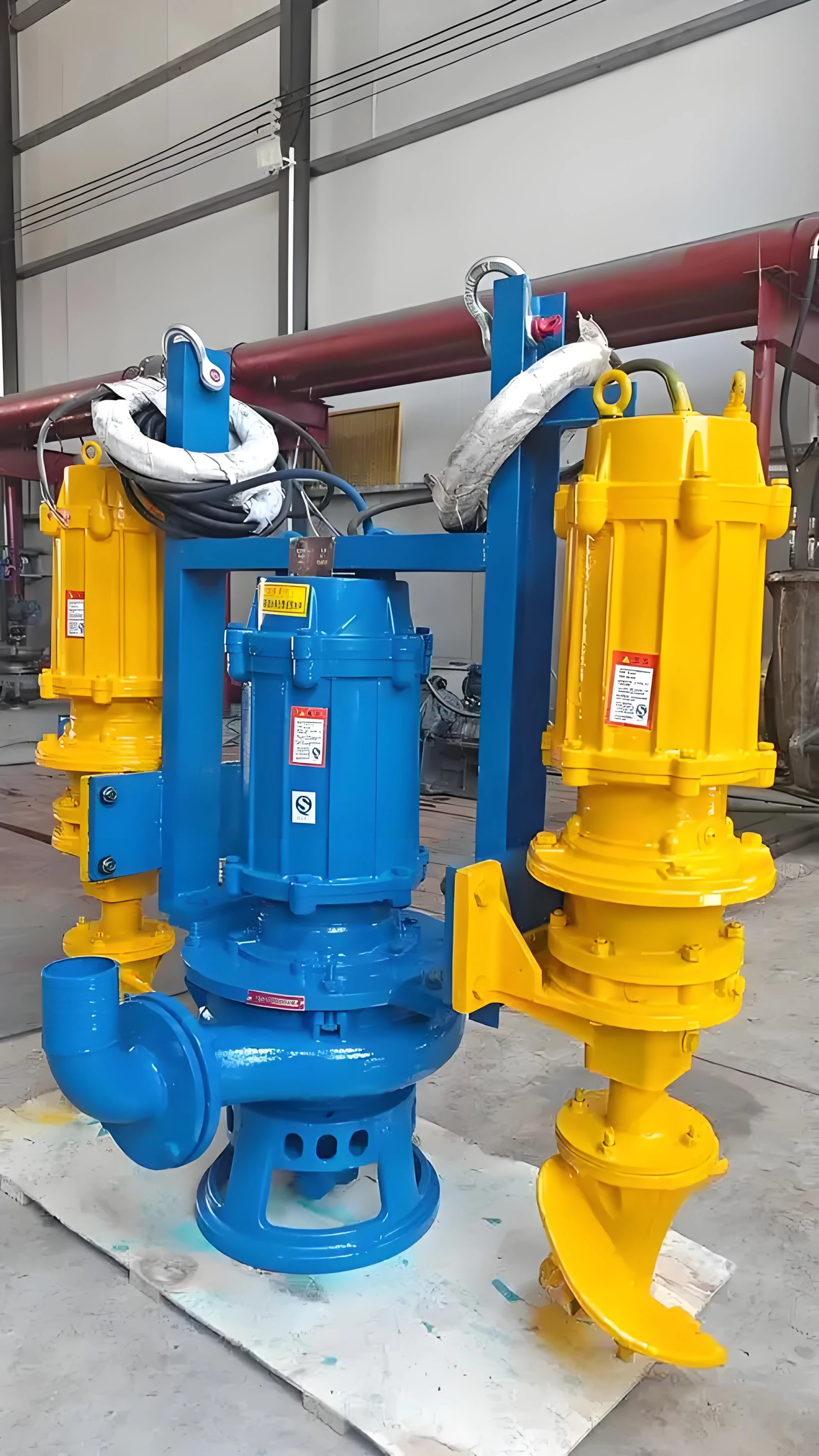
Non-clog sewage submersible pumps are critical components in wastewater treatment, municipal sewage systems, industrial effluent management, and flood control. These pumps are engineered to handle liquids containing significant solid content without becoming obstructed, a common issue with conventional centrifugal pumps. Positioned within the broader pump industry, these submersible units distinguish themselves through their inherent resistance to clogging, achieved via specialized impeller designs and large passage capabilities. Their performance is primarily evaluated based on flow rate (m³/hr), head (m), power consumption (kW), and solids handling capacity (mm). This guide provides an in-depth technical overview of non-clog sewage submersible pumps, covering material science, manufacturing processes, performance characteristics, potential failure modes, and relevant industry standards. A key pain point addressed by these pumps is the reduction of operational downtime and maintenance costs associated with frequent unclogging procedures, offering a substantial return on investment in demanding applications.
Material Science & Manufacturing
The construction of non-clog sewage submersible pumps necessitates materials resistant to corrosion, abrasion, and the chemical constituents found in wastewater. Pump housings are commonly manufactured from ductile iron (ASTM A536-83), offering a balance of tensile strength (typically >400 MPa) and corrosion resistance, often enhanced with epoxy or fusion-bonded powder coatings for additional protection against aggressive chemicals. Impellers, the heart of the pump’s solids-handling capability, are frequently constructed from high-chrome cast iron (typically 15-28% chromium content) or stainless steel (304/316 grades, offering corrosion resistance up to 300°C). Shafts utilize alloy steel (4140 or similar) with a hardness exceeding 30 HRC, providing torsional strength and wear resistance. Seals are crucial for preventing water ingress into the motor housing and commonly employ silicon carbide mechanical seals due to their exceptional wear and chemical inertness. Manufacturing processes include sand casting for housings and impellers, followed by machining to achieve precise tolerances and impeller geometry. Impeller vanes are carefully designed using Computational Fluid Dynamics (CFD) to maximize hydraulic efficiency and minimize the risk of solids accumulation. The motor housing is often constructed through a centrifugal casting process to ensure a uniform wall thickness and resistance to hydrostatic pressure. Parameter control during manufacturing emphasizes dimensional accuracy of the impeller passage, concentricity of the shaft, and seal surface finish (Ra < 0.8 µm) to guarantee reliable operation.
Performance & Engineering
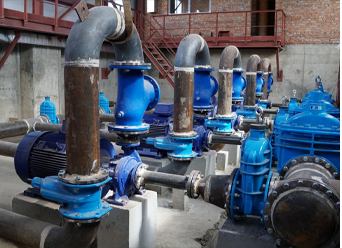
The performance of non-clog sewage submersible pumps is dictated by a complex interplay of hydraulic and mechanical forces. Force analysis focuses on radial loads imposed by the impeller on the shaft, axial thrust generated by the fluid flow, and bending moments resulting from the pump’s weight and cable tension. Pump curves, illustrating head vs. flow rate, are generated through rigorous hydraulic testing, adhering to standards like ISO 9906. Environmental resistance is critical, particularly in corrosive wastewater environments. Cathodic protection, utilizing sacrificial anodes (zinc or magnesium), is frequently employed to mitigate galvanic corrosion of the pump housing. Compliance requirements necessitate adherence to stringent safety standards, including IEC 60034-1 for rotating electrical machines and ATEX directives for pumps operating in potentially explosive atmospheres. Functional implementation involves careful selection of motor size (based on required head and flow), impeller design (optimized for solids handling), and seal type (compatible with the wastewater composition). The pump’s lifting mechanism, typically incorporating a robust cable and guide rail system, must withstand the weight of the pump and the dynamic loads induced by fluid flow. Furthermore, noise and vibration levels are carefully controlled through balancing of rotating components and the implementation of vibration isolation mounts.
Technical Specifications
| Parameter | Unit | Typical Value (Range) | Testing Standard |
|---|---|---|---|
| Flow Rate | m³/hr | 10 – 500 | ISO 9906:2016 |
| Total Head | m | 5 – 60 | ISO 9906:2016 |
| Motor Power | kW | 0.75 – 150 | IEC 60034 |
| Solids Handling Capacity | mm | Up to 75 | In-house testing |
| Maximum Submergence Depth | m | Up to 20 | Manufacturer Specification |
| Operating Temperature | °C | 0 – 40 | Manufacturer Specification |
Failure Mode & Maintenance
Non-clog sewage submersible pumps, despite their design, are susceptible to several failure modes. Fatigue cracking of the impeller vanes, particularly at the root diameter, can occur due to cyclic loading and stress concentration. Delamination of the epoxy coating on the pump housing results from poor adhesion or exposure to highly corrosive chemicals, accelerating corrosion. Degradation of the mechanical seals, leading to water ingress into the motor, is often caused by abrasive solids or chemical incompatibility. Oxidation of the motor windings, stemming from overheating or moisture penetration, ultimately leads to motor failure. Bearing failure, typically caused by inadequate lubrication or contamination, manifests as increased noise and vibration. Preventative maintenance includes regular inspection of the impeller for wear and damage, verification of seal integrity, lubrication of bearings according to manufacturer recommendations, and monitoring of motor winding insulation resistance. In the event of failure, detailed failure analysis, including metallurgical examination and visual inspection, is crucial to identify the root cause and implement corrective actions. Regular cleaning of the pump intake and wet well to minimize solids accumulation is also paramount. Scheduled replacement of wear components, such as seals and impeller vanes, is recommended to extend pump life and minimize unplanned downtime.
Industry FAQ
Q: What is the impact of wastewater composition (e.g., pH, chemical content) on pump material selection?
A: Wastewater composition directly influences material selection. Low pH levels (<6) necessitate materials with high acid resistance, such as stainless steel (316) or specialized alloys. High concentrations of chlorides or sulfates accelerate corrosion, demanding more robust protective coatings or alternative materials like duplex stainless steel. The presence of abrasive solids dictates the use of high-chrome cast iron or hardened steel for impeller and housing components to minimize wear.
Q: How does impeller design influence the pump’s ability to handle fibrous materials?
A: Impeller design is critical for handling fibrous materials. Open-type impellers with large passage ways and non-clogging vane geometries are essential. Recessed or vortex impellers are often preferred as they create a swirling motion that minimizes entanglement of fibers. Sharp edges and narrow gaps should be avoided as they provide surfaces for fibers to accumulate.
Q: What are the key considerations when selecting a pump for variable flow rate applications?
A: Variable flow rate applications necessitate pumps with a broad operating range and efficient performance across the entire curve. Variable Frequency Drives (VFDs) are often employed to control motor speed and adjust flow rate as needed. Pump selection should consider the minimum and maximum flow requirements, as well as the head pressure variations. A pump curve that remains relatively flat over a wide flow range is preferable.
Q: What are the benefits of using submersible pumps versus dry-installed pumps in sewage applications?
A: Submersible pumps offer several advantages in sewage applications. They eliminate the need for priming, reducing maintenance and operational complexity. Their submerged operation minimizes noise and odor emissions. They are less susceptible to cavitation due to the positive suction head. Furthermore, they require less space compared to dry-installed pump stations.
Q: What are the implications of improper grounding and bonding on pump reliability and safety?
A: Improper grounding and bonding can lead to stray currents, accelerating corrosion and increasing the risk of electrical shock. A robust grounding system is essential to ensure that any fault currents are safely diverted to ground. All metallic components of the pump system, including the pump housing, motor housing, and cable conduit, must be effectively bonded together to eliminate potential voltage differences.
Conclusion
Non-clog sewage submersible pumps represent a vital technology for efficient and reliable wastewater management. Their specialized designs, utilizing robust materials and engineered impeller geometries, allow them to overcome the challenges posed by solids-laden fluids. Understanding the material science, manufacturing processes, and performance characteristics of these pumps is crucial for selecting the optimal unit for a specific application and ensuring long-term operational integrity.
Looking ahead, advancements in pump design and materials, coupled with the integration of smart monitoring and control systems, will further enhance the performance and reliability of non-clog sewage submersible pumps. Focus will likely be placed on developing more corrosion-resistant materials, optimizing impeller designs for even greater solids handling capacity, and implementing predictive maintenance algorithms to minimize downtime and extend pump lifespan. These developments will be critical in addressing the growing demands of increasingly complex wastewater treatment facilities.
-
pipe type non clogging sewage pump Performance Analysis
News2026-06-03
-
submersible nonclog sewage pump Material Science Manufacturing
News2026-06-03
-
nonclog sewage submersible pump Performance Analysis
News2026-06-03
-
non clog sewage submersible pump Performance Analysis
News2026-06-03
-
non clog sewage pump Performance Analysis
News2026-06-03
-
sand gravel pump Performance Analysis
News2026-06-02
-
sand and gravel dredge pumps Performance Analysis
News2026-06-02
-
terapump aquarium gravel sand bpafree pump Performance Analysis
News2026-06-02
-
sand and gravel pump Material Science Manufacturing
News2026-06-02
-
air pump sand and gravel Performance Analysis
News2026-06-02
-
submersible pump for sewage treatment plant Performance Analysis
News2026-06-01
-
single phase sewage submersible pump Material Science Manufacturing
News2026-06-01
-
sewage water submersible pump Material Science Manufacturing
News2026-06-01
-
Sewage Submersible Pump Price List Performance Analysis
News2026-06-01
-
sewage submersible pump 3hp Performance Analysis
News2026-06-01




