English
- Afrikaans
- Albanian
- Amharic
- Arabic
- Armenian
- Azerbaijani
- Basque
- Belarusian
- Bengali
- Bosnian
- Bulgarian
- Catalan
- Cebuano
- Corsican
- Croatian
- Czech
- Danish
- Dutch
- English
- Esperanto
- Estonian
- Finnish
- French
- Frisian
- Galician
- Georgian
- German
- Greek
- Gujarati
- Haitian Creole
- hausa
- hawaiian
- Hebrew
- Hindi
- Miao
- Hungarian
- Icelandic
- igbo
- Indonesian
- irish
- Italian
- Japanese
- Javanese
- Kannada
- kazakh
- Khmer
- Rwandese
- Korean
- Kurdish
- Kyrgyz
- Lao
- Latin
- Latvian
- Lithuanian
- Luxembourgish
- Macedonian
- Malgashi
- Malay
- Malayalam
- Maltese
- Maori
- Marathi
- Mongolian
- Myanmar
- Nepali
- Norwegian
- Norwegian
- Occitan
- Pashto
- Persian
- Polish
- Portuguese
- Punjabi
- Romanian
- Russian
- Samoan
- Scottish Gaelic
- Serbian
- Sesotho
- Shona
- Sindhi
- Sinhala
- Slovak
- Slovenian
- Somali
- Spanish
- Sundanese
- Swahili
- Swedish
- Tagalog
- Tajik
- Tamil
- Tatar
- Telugu
- Thai
- Turkish
- Turkmen
- Ukrainian
- Urdu
- Uighur
- Uzbek
- Vietnamese
- Welsh
- Bantu
- Yiddish
- Yoruba
- Zulu

Telephone: +86 13120555503
Email: frank@cypump.com


Apr . 01, 2024 17:55 Back to list
non clog sewage submersible pump Performance Analysis
Introduction
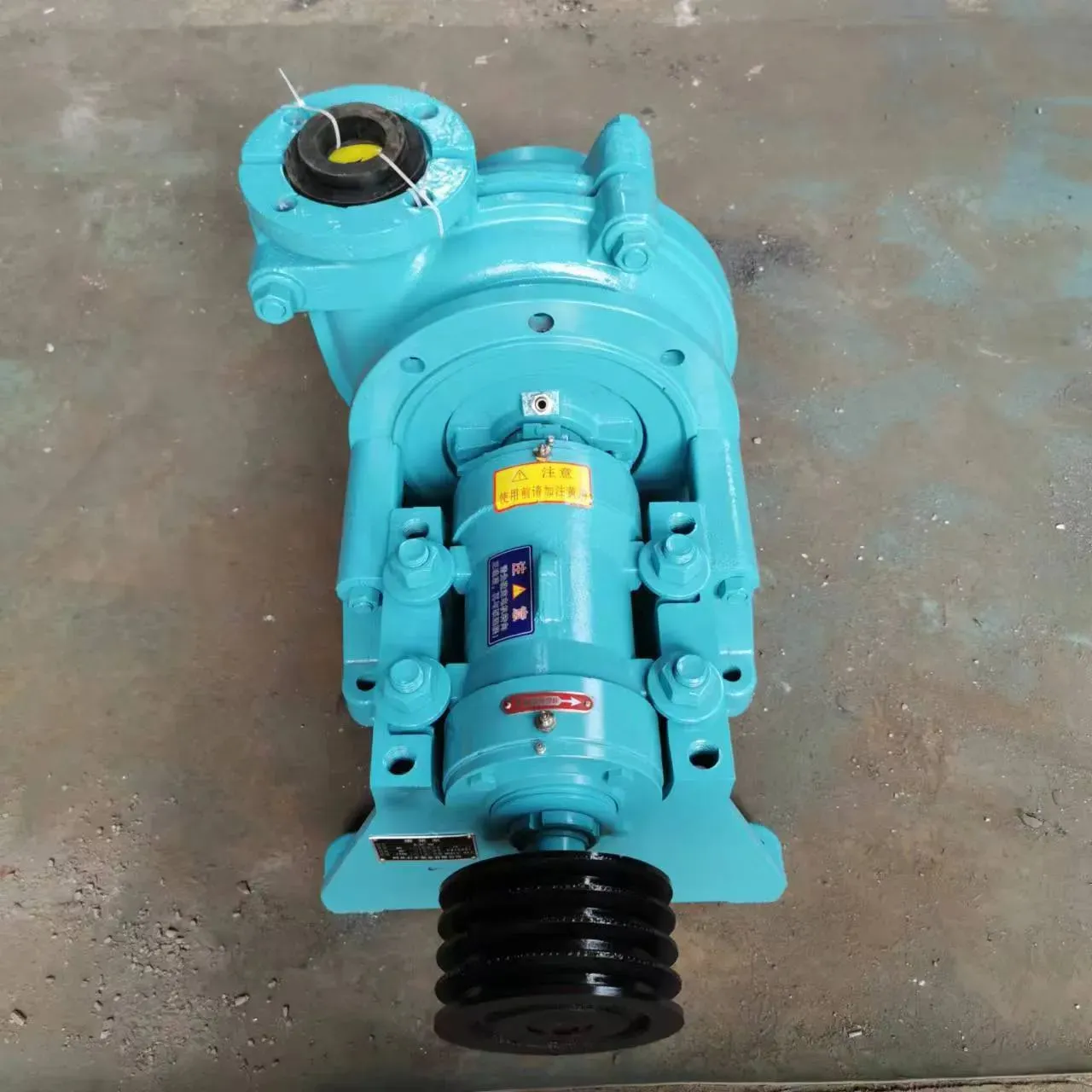
Non-clog sewage submersible pumps are engineered to efficiently transfer wastewater containing solids, differing significantly from clean water pumps. Their position within the wastewater treatment chain is critical, typically employed at lift stations, wastewater treatment plants, and industrial facilities for primary solids handling. These pumps serve as the initial stage in the process, preventing system blockages and ensuring smooth downstream operations. Core performance characteristics revolve around solids handling capacity (measured in sphere diameter), flow rate (typically in gallons per minute or liters per second), head (dynamic lift capability in feet or meters), and overall efficiency (power consumption versus output). The increasing demand for reliable and low-maintenance wastewater handling solutions drives continuous innovation in impeller design, motor protection, and sealing technologies within this sector. A significant pain point within the industry is premature pump failure due to abrasive wear and clogging, leading to costly downtime and maintenance. Optimization focuses on enhanced hydraulic design and robust material selection.
Material Science & Manufacturing
The core components of a non-clog sewage submersible pump necessitate careful material selection for durability and corrosion resistance. Pump housings are frequently constructed from ductile iron (ASTM A536-83), chosen for its tensile strength, impact resistance, and relative cost-effectiveness. Impellers, which directly interact with the abrasive solids, often utilize high-chrome cast iron (typically with 13-28% chromium) to enhance wear resistance. Shafts are typically made from 4140 alloy steel, heat-treated for high yield strength and torsional rigidity. Sealing components, critical for preventing motor ingress, employ materials like silicon carbide (SiC) against SiC mechanical seals, offering superior abrasion resistance compared to traditional elastomers. Manufacturing processes vary based on component complexity. Housing construction typically involves sand casting followed by machining and coating (epoxy or similar). Impellers utilize investment casting for intricate geometries and tight tolerances. Shafts are machined from bar stock. Assembly is a critical phase, requiring precise alignment and torqueing of fasteners to ensure long-term reliability. Parameter control during casting – including temperature, cooling rate, and alloy composition – directly influences the material’s microstructure and resultant mechanical properties. Surface treatments like powder coating further enhance corrosion resistance. Quality control relies heavily on non-destructive testing (NDT) methods, such as ultrasonic testing and magnetic particle inspection, to detect subsurface flaws.
Performance & Engineering
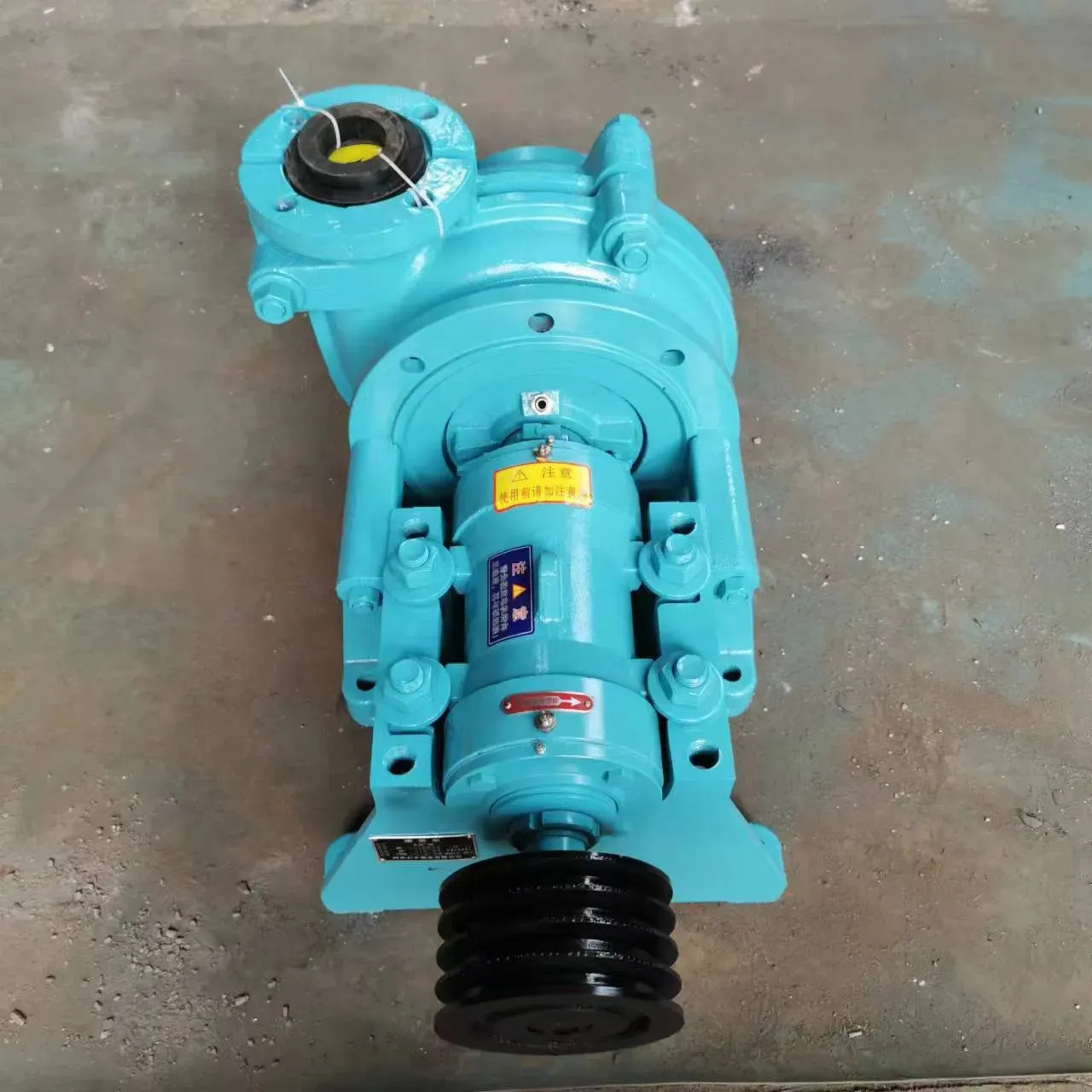
Performance analysis of non-clog sewage submersible pumps centers around hydraulic efficiency, solids handling capability, and motor torque requirements. The impeller design is paramount, often employing recessed or open-channel designs to minimize clogging. Force analysis considers centrifugal force acting on the fluid, frictional losses within the pump casing and piping, and the torque needed to overcome static and dynamic head. Environmental resistance is a key engineering consideration; pumps are typically designed to operate submerged in corrosive wastewater environments. Compliance requirements are stringent, often dictated by regional regulations concerning discharge limits and energy efficiency standards. Functional implementation involves careful matching of pump characteristics (flow rate, head) to the system’s demand curve. The pump’s electrical components must be appropriately sized and protected against moisture ingress (typically through a hermetically sealed motor housing). Pump selection requires a thorough understanding of the wastewater composition, solids concentration, and anticipated flow variations. A key consideration is Net Positive Suction Head Required (NPSHr), ensuring sufficient pressure is available at the pump inlet to prevent cavitation. Variable Frequency Drives (VFDs) are increasingly employed to optimize pump performance and reduce energy consumption by adjusting motor speed based on real-time flow demands.
Technical Specifications
| Parameter | Unit | Typical Value (Small Pump) | Typical Value (Large Pump) |
|---|---|---|---|
| Flow Rate | GPM (US) | 50 | 500 |
| Total Dynamic Head | ft | 30 | 150 |
| Solids Handling Capacity | in | 2 | 4 |
| Motor Power | HP | 1 | 15 |
| Voltage | V | 460 | 460/575 |
| Phase | - | 3 | 3 |
Failure Mode & Maintenance
Non-clog sewage submersible pumps are susceptible to several failure modes. Fatigue cracking in the impeller, particularly around the vane roots, is common due to cyclical loading and abrasive wear. Delamination of the epoxy coating on the pump housing leads to corrosion and eventual structural failure. Degradation of mechanical seals results in water ingress into the motor, leading to short circuits and motor failure. Oxidation of electrical connections causes increased resistance and potential overheating. Clogging, despite the “non-clog” designation, can occur with unusually large or stringy debris, leading to motor overload and potentially damaging the impeller. Maintenance typically involves regular inspection of the impeller for wear, replacement of mechanical seals at predetermined intervals (typically 1-2 years depending on operating conditions), and periodic cleaning of the pump housing to remove accumulated debris. Vibration analysis can detect early signs of bearing wear or impeller imbalance. Preventive maintenance schedules should be tailored to the specific operating environment and wastewater composition. Motor insulation resistance testing (megger testing) is crucial for identifying potential electrical faults. Proper lubrication of bearings is essential for extending pump life. Failure analysis should be conducted on failed components to determine the root cause and prevent recurrence.
Industry FAQ
Q: What is the primary difference between a non-clog submersible pump and a standard centrifugal pump for wastewater?
A: The primary difference lies in the impeller design. Standard centrifugal pumps utilize radial impellers, which are prone to clogging with solids. Non-clog pumps employ recessed or open-channel impellers, designed to pass solids without obstruction. This, coupled with larger internal passages, enables non-clog pumps to handle wastewater with significant solids content, while standard pumps would quickly become inoperable.
Q: How do I determine the appropriate pump size for my application?
A: Pump sizing requires careful consideration of several factors: flow rate (volume of wastewater to be pumped per unit time), total dynamic head (the vertical lift plus friction losses in the piping system), and the characteristics of the solids being pumped. A system curve should be generated based on flow and head requirements, and the pump selected should operate near its best efficiency point (BEP) on that curve.
Q: What is the role of the mechanical seal in a submersible pump?
A: The mechanical seal is a critical component that prevents wastewater from entering the motor housing. It consists of two highly polished faces that create a leak-proof barrier. Failure of the mechanical seal inevitably leads to motor failure due to water ingress and short circuits.
Q: What are the common causes of pump overheating?
A: Common causes include low voltage, unbalanced voltage, overloaded motor (due to clogging or excessive head), and degraded motor insulation. Regular motor current monitoring and insulation resistance testing can help identify and address these issues.
Q: How can I minimize pump downtime and maintenance costs?
A: Implementing a proactive preventive maintenance program is essential. This includes regular inspection of pump components, lubrication of bearings, vibration analysis, and monitoring of motor electrical parameters. Utilizing pumps with robust materials and corrosion-resistant coatings also contributes to longer service life and reduced maintenance requirements.
Conclusion
Non-clog sewage submersible pumps represent a vital component in modern wastewater management systems. Their robust construction, specialized impeller designs, and careful material selection allow for the efficient and reliable transfer of challenging wastewater streams. Understanding the fundamental principles of their operation, potential failure modes, and the importance of preventative maintenance is crucial for ensuring long-term performance and minimizing operational costs.
Future advancements in this field will likely focus on further optimizing impeller geometry to enhance solids handling capabilities, incorporating smart monitoring systems for predictive maintenance, and developing more durable and corrosion-resistant materials to extend pump lifespan. Continued adherence to industry standards and a commitment to rigorous quality control will remain paramount in delivering reliable and effective wastewater pumping solutions.
-
pipe type non clogging sewage pump Performance Analysis
News2026-06-03
-
submersible nonclog sewage pump Material Science Manufacturing
News2026-06-03
-
nonclog sewage submersible pump Performance Analysis
News2026-06-03
-
non clog sewage submersible pump Performance Analysis
News2026-06-03
-
non clog sewage pump Performance Analysis
News2026-06-03
-
sand gravel pump Performance Analysis
News2026-06-02
-
sand and gravel dredge pumps Performance Analysis
News2026-06-02
-
terapump aquarium gravel sand bpafree pump Performance Analysis
News2026-06-02
-
sand and gravel pump Material Science Manufacturing
News2026-06-02
-
air pump sand and gravel Performance Analysis
News2026-06-02
-
submersible pump for sewage treatment plant Performance Analysis
News2026-06-01
-
single phase sewage submersible pump Material Science Manufacturing
News2026-06-01
-
sewage water submersible pump Material Science Manufacturing
News2026-06-01
-
Sewage Submersible Pump Price List Performance Analysis
News2026-06-01
-
sewage submersible pump 3hp Performance Analysis
News2026-06-01




