
Telephone: +86 13120555503
Email: frank@cypump.com


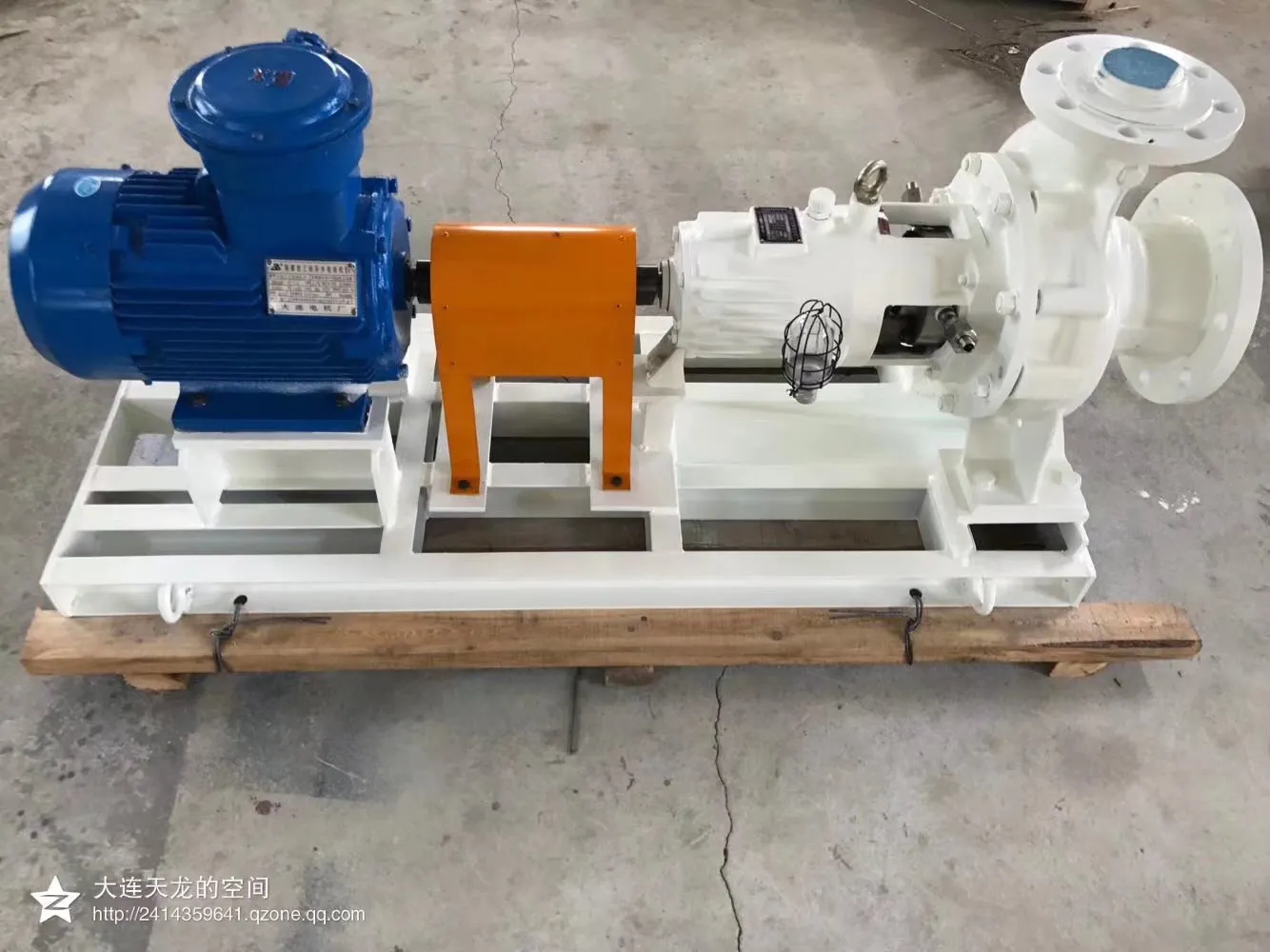
Non-clog sewage pumps are specialized centrifugal pumps designed for the reliable transfer of wastewater containing solids. Their position within the wastewater treatment chain is critical, typically serving as the initial stage for lifting sewage from collection points to treatment facilities or for handling effluent within the treatment process itself. Unlike conventional pumps susceptible to blockage from rags, plastics, and other debris, non-clog pumps utilize impeller designs and hydraulic passages engineered to pass these materials without interruption. Core performance characteristics center around flow rate (typically measured in gallons per minute or cubic meters per hour), total dynamic head (TDH – the maximum height the pump can lift the fluid), and solids handling capacity (expressed as sphere diameter or as a qualified statement regarding specific debris types). The increasing demands of urbanization and stricter environmental regulations necessitate robust and dependable sewage handling systems, establishing non-clog pumps as a cornerstone of modern wastewater infrastructure. A key industry pain point is the high cost associated with pump failures, leading to overflows, environmental contamination, and expensive emergency repairs. Furthermore, maintaining pump efficiency over time, given the abrasive nature of sewage, is a significant operational challenge.
The construction of non-clog sewage pumps relies heavily on materials resistant to corrosion, abrasion, and impact. Pump casings are commonly manufactured from cast iron (ASTM A48 Class 30 or equivalent), ductile iron (ASTM A536 Grade 65-45-12), or stainless steel (304, 316, or duplex grades depending on the severity of the wastewater). Impellers are similarly constructed, with high-chrome iron alloys (e.g., Hi-Chrome) frequently utilized for increased wear resistance. Shafts are typically made of stainless steel (410, 420) for corrosion resistance and torsional strength. Seals are critical components, with silicon carbide versus silicon carbide mechanical seals being preferred for their exceptional durability and resistance to abrasive particles. Manufacturing processes include sand casting for casings, investment casting for impellers (allowing for complex geometries), and CNC machining for precise dimensional control. Welding procedures, if employed (particularly for larger pumps), must adhere to AWS D1.1 standards. Key parameter control focuses on impeller balance (to minimize vibration), casing dimensional accuracy (to ensure proper hydraulic performance), and seal surface finish (to guarantee leak-free operation). Proper heat treatment of cast iron components is also vital to achieve the specified hardness and tensile strength, minimizing premature failure due to abrasive wear. The impeller design itself is crucial; open or recessed impellers are standard, allowing solids to pass through without lodging. The volute casing is designed for optimal hydraulic efficiency with a large, unobstructed flow path.
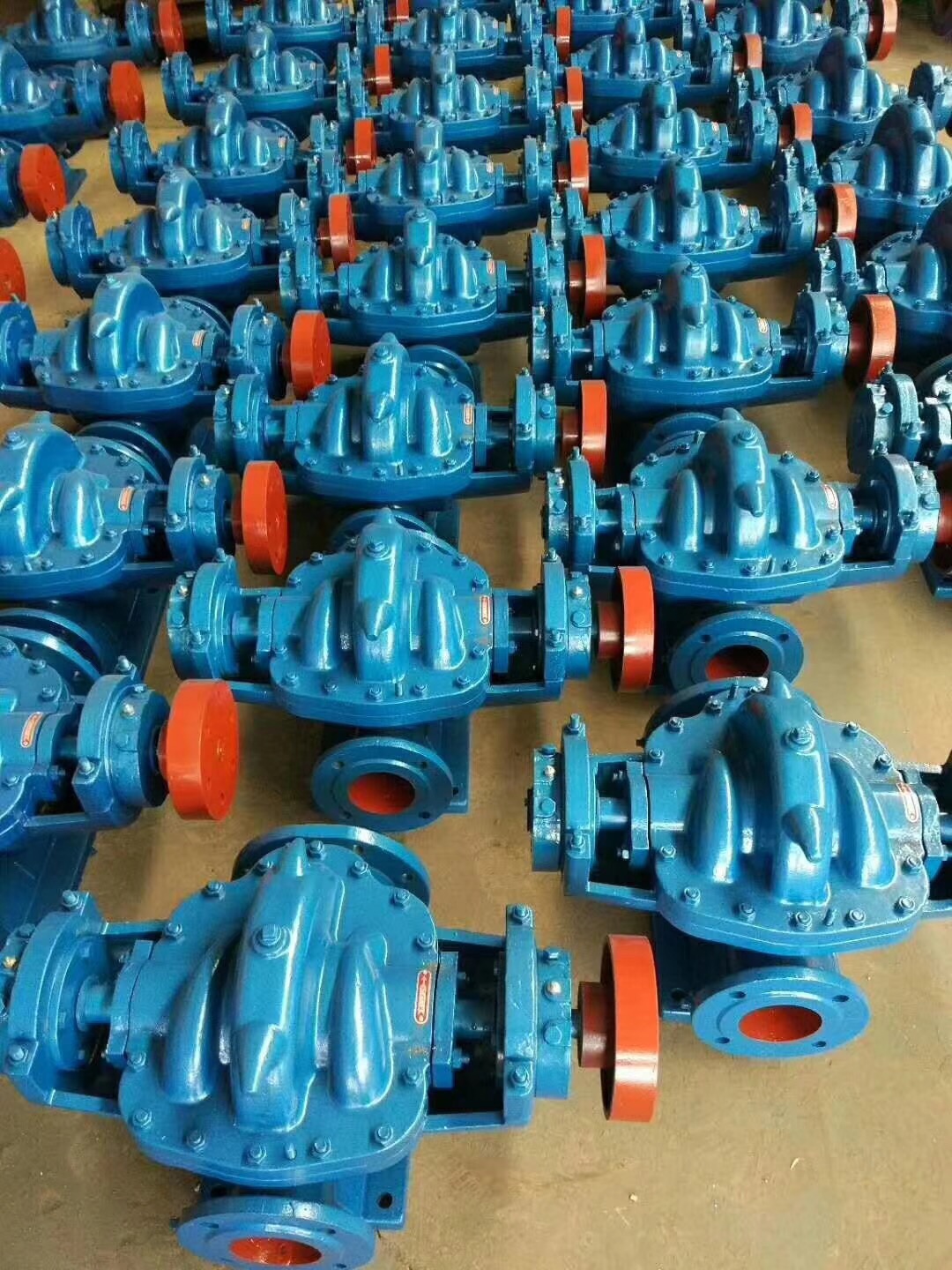
Performance of non-clog sewage pumps is dictated by hydraulic principles and mechanical engineering considerations. Force analysis is crucial in designing the pump shaft and impeller to withstand the radial and axial forces generated by fluid flow and solid impacts. Cavitation is a primary concern; maintaining sufficient Net Positive Suction Head Available (NPSHA) is essential to prevent vapor bubble formation and subsequent impeller damage. Environmental resistance is paramount, necessitating material selection that can withstand the corrosive effects of hydrogen sulfide (H2S), chlorides, and other aggressive chemicals present in sewage. Pumps must also be designed to operate reliably across a range of temperatures. Compliance requirements vary depending on the region, but commonly include standards set by the Hydraulic Institute (HI) for pump performance testing and standards related to electrical safety (UL, CSA, CE). Functional implementation hinges on proper system design, including adequate pipe sizing, strainer installation (to prevent large debris from entering the pump), and control systems for automatic operation and pump protection. Variable Frequency Drives (VFDs) are increasingly utilized to optimize pump performance and reduce energy consumption by adjusting motor speed to match flow demands. Pump curves, generated through rigorous testing, are used to predict pump performance at various flow rates and head pressures, enabling engineers to select the appropriate pump for a specific application. The pump's hydraulic efficiency directly impacts operational costs; minimizing friction losses within the pump is a key design objective.
| Parameter | Unit | Typical Range (Small Pump) | Typical Range (Large Pump) |
|---|---|---|---|
| Flow Rate | GPM (Gallons per Minute) | 50-200 | 500-2000 |
| Total Dynamic Head (TDH) | ft (Feet) | 20-80 | 100-300 |
| Solids Handling Capacity | in (Inches) | Up to 3 | Up to 6 |
| Motor Horsepower | HP | 1-5 | 10-50 |
| Pump Casing Material | - | Cast Iron (A48 Class 30) | Ductile Iron (A536 Grade 65-45-12) |
| Impeller Material | - | High-Chrome Iron | Stainless Steel (304/316) |
Non-clog sewage pumps, while robust, are susceptible to several failure modes. Fatigue cracking in the impeller or casing can occur due to cyclical loading and stress concentration. Delamination of coatings (e.g., epoxy linings) on the casing can lead to corrosion. Abrasion from solids in the wastewater causes wear on the impeller, volute, and seals. Oxidation and corrosion, particularly in the presence of H2S, can degrade metal components. Seal failure is a common issue, often resulting from abrasive wear or improper installation. Preventive maintenance is crucial. Regular inspections should include checking for excessive vibration, unusual noise, and leakage. Impeller and casing wear should be monitored and components replaced when necessary. Seal replacement should be performed on a scheduled basis, dictated by operating conditions and manufacturer recommendations. Lubrication of bearings is essential to prevent premature failure. Periodic cleaning of the pump wet end can remove accumulated debris and maintain hydraulic efficiency. Failure analysis, including metallurgical examination of failed components, can identify the root cause of failures and guide improvements in material selection or pump design. Implementing a condition monitoring program, utilizing vibration analysis and oil analysis, can provide early warning of potential problems, allowing for proactive maintenance and minimizing downtime. Proper pump installation, ensuring alignment and adequate support, is also critical for long-term reliability.
A: Recessed impellers provide a larger flow passage and reduced impeller velocity, significantly minimizing the risk of clogging from stringy or fibrous materials. They also reduce shear forces on solids, preventing damage and ensuring smooth passage through the pump.
A: The casing material directly impacts corrosion resistance. Cast iron is vulnerable to corrosion, particularly in high-sulfide environments. Ductile iron offers improved corrosion resistance and strength. Stainless steel (316) provides superior corrosion resistance but at a higher cost. The selection depends on the specific characteristics of the wastewater being pumped.
A: NPSH (Net Positive Suction Head) is the absolute pressure at the pump suction, minus the vapor pressure of the liquid. Insufficient NPSH leads to cavitation, where vapor bubbles form and collapse, causing impeller damage and reduced pump performance. Maintaining adequate NPSHA is critical, especially when pumping liquids with high temperatures or dissolved gases.
A: VFDs allow pump speed to be adjusted to match actual flow demands. This avoids running the pump at full speed when less flow is needed, reducing energy consumption. They also minimize water hammer and reduce stress on the pump and piping system.
A: Common causes include abrasive wear from solids in the wastewater, improper seal installation, dry running (operating without sufficient liquid lubrication), and chemical attack from corrosive substances. Selecting the appropriate seal material (e.g., silicon carbide vs. silicon carbide) and ensuring proper lubrication are crucial for extending seal life.
Non-clog sewage pumps represent a vital component in modern wastewater management systems. Their specialized design, utilizing robust materials and hydraulic engineering principles, enables the reliable transfer of sewage containing solids, mitigating the risk of blockages and system failures. Understanding the material science behind their construction, coupled with diligent maintenance practices and adherence to relevant industry standards, is paramount to ensuring long-term operational efficiency and minimizing lifecycle costs.
The ongoing trend towards more sustainable and energy-efficient wastewater treatment solutions will continue to drive innovation in non-clog pump technology. Further advancements in impeller design, seal materials, and control systems, such as the integration of advanced sensors and predictive maintenance algorithms, will optimize performance, reduce downtime, and enhance the overall reliability of these critical systems. A proactive approach to maintenance and a thorough understanding of potential failure modes remain essential for maximizing the return on investment in non-clog sewage pump infrastructure.




