English
- Afrikaans
- Albanian
- Amharic
- Arabic
- Armenian
- Azerbaijani
- Basque
- Belarusian
- Bengali
- Bosnian
- Bulgarian
- Catalan
- Cebuano
- Corsican
- Croatian
- Czech
- Danish
- Dutch
- English
- Esperanto
- Estonian
- Finnish
- French
- Frisian
- Galician
- Georgian
- German
- Greek
- Gujarati
- Haitian Creole
- hausa
- hawaiian
- Hebrew
- Hindi
- Miao
- Hungarian
- Icelandic
- igbo
- Indonesian
- irish
- Italian
- Japanese
- Javanese
- Kannada
- kazakh
- Khmer
- Rwandese
- Korean
- Kurdish
- Kyrgyz
- Lao
- Latin
- Latvian
- Lithuanian
- Luxembourgish
- Macedonian
- Malgashi
- Malay
- Malayalam
- Maltese
- Maori
- Marathi
- Mongolian
- Myanmar
- Nepali
- Norwegian
- Norwegian
- Occitan
- Pashto
- Persian
- Polish
- Portuguese
- Punjabi
- Romanian
- Russian
- Samoan
- Scottish Gaelic
- Serbian
- Sesotho
- Shona
- Sindhi
- Sinhala
- Slovak
- Slovenian
- Somali
- Spanish
- Sundanese
- Swahili
- Swedish
- Tagalog
- Tajik
- Tamil
- Tatar
- Telugu
- Thai
- Turkish
- Turkmen
- Ukrainian
- Urdu
- Uighur
- Uzbek
- Vietnamese
- Welsh
- Bantu
- Yiddish
- Yoruba
- Zulu

Telephone: +86 13120555503
Email: frank@cypump.com


Apr . 01, 2024 17:55 Back to list
multistage double suction centrifugal pump Performance Analysis
Introduction
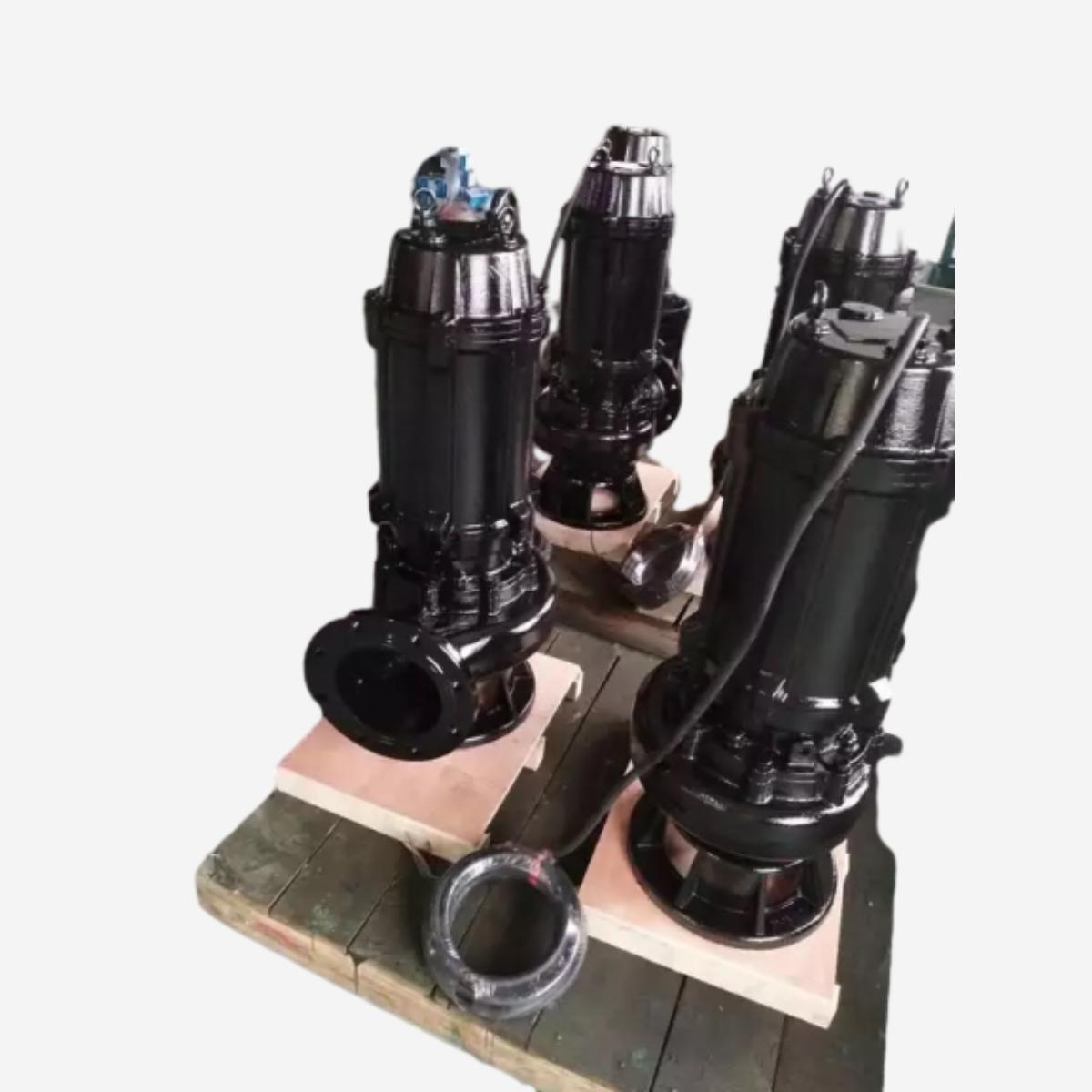
The multistage double suction centrifugal pump is a dynamic machine designed to increase the pressure of a fluid through the transfer of rotational kinetic energy. Positioned within the fluid handling industry chain as a critical component in water supply, boiler feed, irrigation, and industrial processing, it differentiates itself from single-stage pumps through its capacity to achieve substantially higher discharge pressures. This is accomplished by utilizing multiple impellers arranged in series within a single casing. Core performance characteristics revolve around high head (pressure), efficient energy transfer, and the ability to handle relatively large flow rates. Its double suction design, incorporating inlets on both sides of the impeller, minimizes axial thrust and enhances hydraulic performance, particularly crucial in high-pressure applications. A significant industry pain point is achieving optimal efficiency across a wide operating range while mitigating cavitation and maintaining long-term reliability. This guide provides an in-depth analysis of the materials, manufacturing, performance characteristics, potential failure modes, and maintenance procedures associated with these pumps.
Material Science & Manufacturing
The selection of materials is paramount in multistage double suction centrifugal pump construction, dictated by fluid compatibility, operating pressure, and abrasive conditions. Casing materials typically include cast iron (ASTM A48 Class 30), ductile iron (ASTM A536 65-45-12), or stainless steel (304, 316 for corrosive fluids). Impellers are frequently manufactured from cast iron, bronze (C83600), or stainless steel, chosen based on abrasion resistance and corrosion susceptibility. Shafts are generally constructed from high-strength alloy steel (4140, 4340) and undergo heat treatment for enhanced durability and fatigue resistance. Seals utilize materials like carbon-ceramic, silicon carbide, or PTFE-based compounds for effective fluid containment.
Manufacturing processes are complex and demanding. Casing production commonly involves sand casting followed by machining for precision fit. Impeller fabrication employs investment casting or centrifugal casting for intricate designs and accurate dimensional control. The manufacturing process requires stringent quality control at each stage. Welding, when employed for casing assembly or shaft connections, must adhere to AWS D1.1 standards. Balancing of impellers is crucial to minimize vibration and ensure smooth operation (ISO 1940-1). Key parameter control focuses on impeller geometry, casing surface finish, and shaft runout. Proper heat treatment of steel components is essential to achieve desired hardness and tensile strength. The alignment of the pump shaft and impeller is also a critical parameter, commonly checked using laser alignment techniques to minimize bearing stress and maximize efficiency.
Performance & Engineering
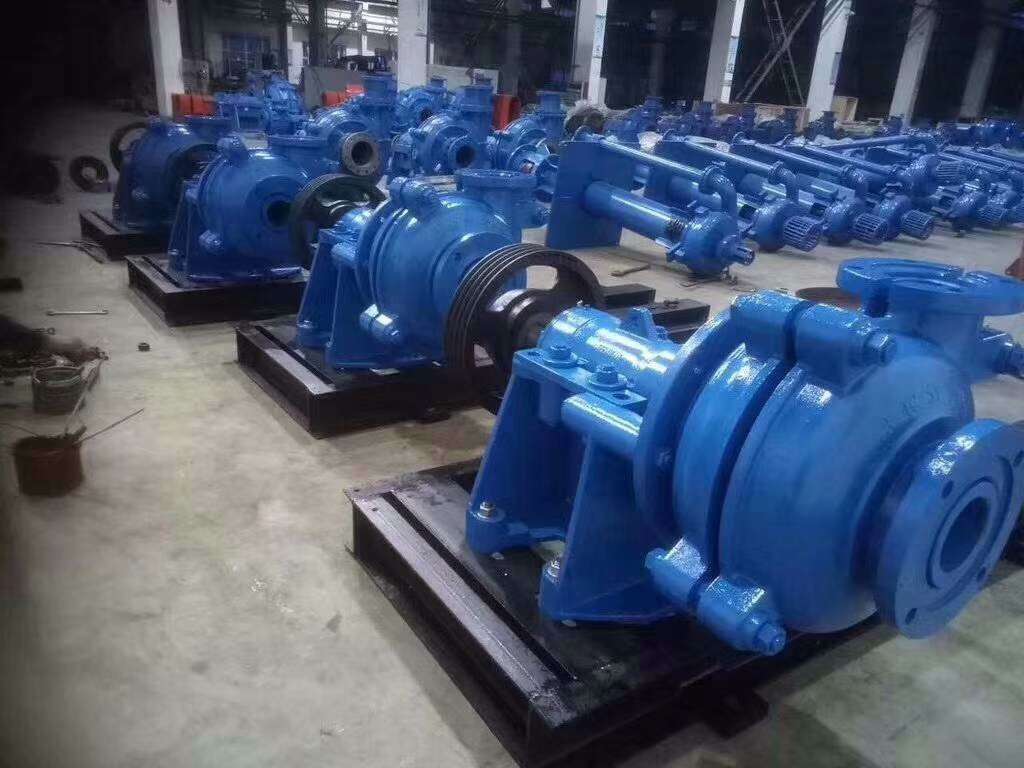
Performance analysis of multistage centrifugal pumps centers on head-capacity curves, efficiency curves, and Net Positive Suction Head Required (NPSHr) calculations. The head developed is proportional to the number of stages (impellers). Force analysis involves evaluating radial and axial thrust forces generated by the impellers. Axial thrust is mitigated by the double-suction design and, in larger pumps, by incorporating balance drums or discs. Environmental resistance is a critical design factor. Pumps operating in corrosive environments require specialized materials and coatings. Pumps exposed to extreme temperatures necessitate thermal expansion considerations in the design of the casing and shaft. Compliance requirements often include adherence to Hydraulic Institute (HI) standards, specifically HI 1.6 for pump testing and HI 1.3 for pump application. Functional implementation demands careful consideration of system head loss, fluid viscosity, and operating conditions. Proper pump selection involves matching the pump curve to the system curve to ensure efficient and stable operation. Cavitation is a significant concern; adequate NPSH available (NPSHa) must exceed NPSHr to prevent impeller damage. Bearing selection is also vital, based on load, speed, and lubrication requirements, commonly utilizing rolling element bearings specified according to ISO 281.
Technical Specifications
| Parameter | Unit | Typical Value (Small Pump) | Typical Value (Large Pump) |
|---|---|---|---|
| Flow Rate | m³/h | 20-100 | 500-2000 |
| Head | m | 50-150 | 300-800 |
| Power | kW | 3-15 | 75-300 |
| Number of Stages | - | 3-5 | 7-12 |
| Impeller Diameter | mm | 150-250 | 400-600 |
| Operating Pressure | MPa | 1.0-2.5 | 4.0-10.0 |
Failure Mode & Maintenance
Common failure modes in multistage double suction centrifugal pumps include bearing failure, impeller damage (due to cavitation, erosion, or corrosion), seal leakage, and shaft breakage. Fatigue cracking in the impeller or casing can occur due to cyclic loading. Delamination of coatings can lead to corrosion and reduced efficiency. Oxidation of metallic components can reduce material strength over time. Cavitation is a primary driver of impeller erosion, manifested as pitting and reduced hydraulic performance. Seal failures are often attributable to improper installation, abrasive particles, or chemical incompatibility. Shaft breakage is typically a consequence of fatigue failure or excessive loading.
Preventative maintenance is critical. Regular vibration analysis (ISO 10816) can detect bearing wear or impeller imbalance. Oil analysis can identify contaminants and assess lubricant condition. Seal inspection and replacement should be performed on a scheduled basis. Casing and impeller inspections for corrosion and erosion are essential. Proper alignment checks should be conducted periodically. For impeller damage, repair or replacement is necessary. For bearing failures, replacement with equivalent or upgraded bearings is recommended. For seal leaks, replacement with compatible seal materials is required. Regular flushing of the pump casing can prevent the buildup of sediment and debris. Correct lubrication protocols, following manufacturer recommendations, are paramount to bearing life and pump performance.
Industry FAQ
Q: What are the primary advantages of a double-suction impeller design compared to a single-suction design in a multistage pump?
A: A double-suction impeller significantly reduces axial thrust, leading to lower bearing loads and improved pump life. It also provides a higher suction-specific speed, enhancing hydraulic efficiency and allowing for larger flow rates at a given head. This is especially beneficial in high-pressure multistage applications where axial thrust is a major concern.
Q: How do I determine the appropriate NPSHa for my application to prevent cavitation?
A: NPSHa is calculated based on system conditions, including fluid temperature, atmospheric pressure, suction pipe length, and fluid velocity. You must compare the calculated NPSHa to the pump’s NPSHr, provided by the manufacturer. A sufficient margin (typically at least 0.5-1 meter) between NPSHa and NPSHr is crucial to avoid cavitation.
Q: What material selection considerations are essential for handling corrosive fluids?
A: For corrosive fluids, stainless steel (316, Duplex) is often preferred for the casing, impeller, and shaft. Non-metallic materials like PTFE or Hastelloy may be used for seals and wear rings. Proper material compatibility charts should be consulted to ensure resistance to the specific fluid’s chemical properties.
Q: What is the significance of pump efficiency curves and how should they be used for pump selection?
A: Pump efficiency curves illustrate the pump's efficiency at different flow rates. Selecting a pump whose best efficiency point (BEP) aligns with the expected operating flow rate maximizes energy efficiency and minimizes operating costs. Operating significantly away from the BEP can lead to reduced efficiency, increased vibration, and potential damage.
Q: How often should bearing lubrication be checked and replenished?
A: Bearing lubrication schedules vary based on operating conditions, bearing type, and manufacturer recommendations. Generally, lubrication should be checked monthly and replenished as needed. Oil analysis is recommended every 6-12 months to assess lubricant condition and detect potential bearing wear.
Conclusion
The multistage double suction centrifugal pump represents a sophisticated solution for high-pressure fluid transfer applications. Its performance hinges on meticulous material selection, precise manufacturing processes, and thorough engineering analysis. Understanding the interplay between hydraulic performance, mechanical integrity, and operational parameters is crucial for ensuring long-term reliability and efficiency. Correct pump selection, informed by system requirements and manufacturer specifications, is paramount to avoiding common failure modes such as cavitation and bearing failure.
Future advancements in pump technology are focused on improved hydraulic designs, advanced materials, and smart monitoring systems for predictive maintenance. The integration of variable frequency drives (VFDs) for optimized energy consumption and the development of corrosion-resistant alloys for harsh environments will continue to drive innovation. By adhering to industry standards and implementing robust maintenance programs, operators can maximize the lifespan and performance of these critical assets, minimizing downtime and reducing total cost of ownership.
-
Comprehensive Guide to Waterproof ORings for Optimal Sealing Solutions
News2026-06-09
-
Septic Pump System Performance Analysis
News2026-06-08
-
pump for septic Material Science
News2026-06-08
-
basement sewer pump Performance Analysis
News2026-06-08
-
submerged pump Performance Engineering
News2026-06-08
-
Septic System Pumps Performance Analysis
News2026-06-08
-
septic system pump Material Science and Manufacturing
News2026-06-07
-
pump for septic tank Material Science Manufacturing
News2026-06-07
-
submersible sewage pump Material Science
News2026-06-07
-
Sewage Ejector Material Science and Manufacturing
News2026-06-07
-
Ejection Pump Material Science
News2026-06-07
-
pump submersible Performance Analysis
News2026-06-06
-
ejector pumps Performance Engineering
News2026-06-06
-
basement ejector pump Material Science Manufacturing
News2026-06-06
-
Septic Tanks Pumping Performance Analysis
News2026-06-06




