English
- Afrikaans
- Albanian
- Amharic
- Arabic
- Armenian
- Azerbaijani
- Basque
- Belarusian
- Bengali
- Bosnian
- Bulgarian
- Catalan
- Cebuano
- Corsican
- Croatian
- Czech
- Danish
- Dutch
- English
- Esperanto
- Estonian
- Finnish
- French
- Frisian
- Galician
- Georgian
- German
- Greek
- Gujarati
- Haitian Creole
- hausa
- hawaiian
- Hebrew
- Hindi
- Miao
- Hungarian
- Icelandic
- igbo
- Indonesian
- irish
- Italian
- Japanese
- Javanese
- Kannada
- kazakh
- Khmer
- Rwandese
- Korean
- Kurdish
- Kyrgyz
- Lao
- Latin
- Latvian
- Lithuanian
- Luxembourgish
- Macedonian
- Malgashi
- Malay
- Malayalam
- Maltese
- Maori
- Marathi
- Mongolian
- Myanmar
- Nepali
- Norwegian
- Norwegian
- Occitan
- Pashto
- Persian
- Polish
- Portuguese
- Punjabi
- Romanian
- Russian
- Samoan
- Scottish Gaelic
- Serbian
- Sesotho
- Shona
- Sindhi
- Sinhala
- Slovak
- Slovenian
- Somali
- Spanish
- Sundanese
- Swahili
- Swedish
- Tagalog
- Tajik
- Tamil
- Tatar
- Telugu
- Thai
- Turkish
- Turkmen
- Ukrainian
- Urdu
- Uighur
- Uzbek
- Vietnamese
- Welsh
- Bantu
- Yiddish
- Yoruba
- Zulu

Telephone: +86 13120555503
Email: frank@cypump.com


Apr . 01, 2024 17:55 Back to list
mixed flow submersible pump Material Science Manufacturing
Introduction
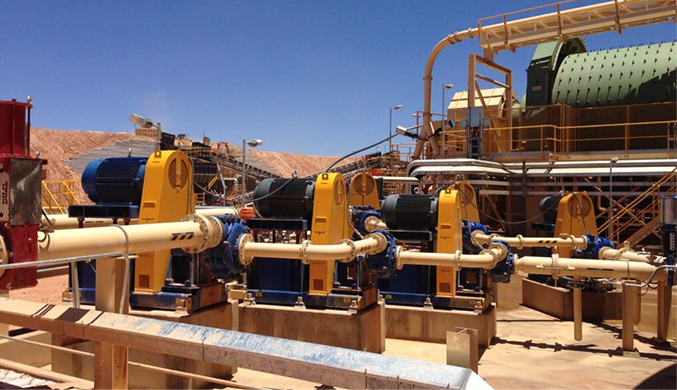
Mixed flow submersible pumps represent a critical component in fluid handling systems across a diverse range of industries, including wastewater treatment, agriculture, mining, and dewatering operations. These pumps, characterized by their impeller design and fully submersible construction, offer a compelling balance between centrifugal and axial flow characteristics. Positioned within the industrial pump chain, they serve as a robust alternative to surface-mounted pumps, eliminating the need for priming and reducing system complexity. Their core performance lies in efficiently moving large volumes of fluid containing solids, often at moderate heads. The increasing demand for reliable and efficient dewatering solutions, coupled with stricter environmental regulations regarding wastewater discharge, drives the continued advancement and adoption of mixed flow submersible pump technology. A key industry pain point is balancing pump efficiency with resistance to abrasive materials and minimizing total lifecycle costs through preventative maintenance and durable design.
Material Science & Manufacturing
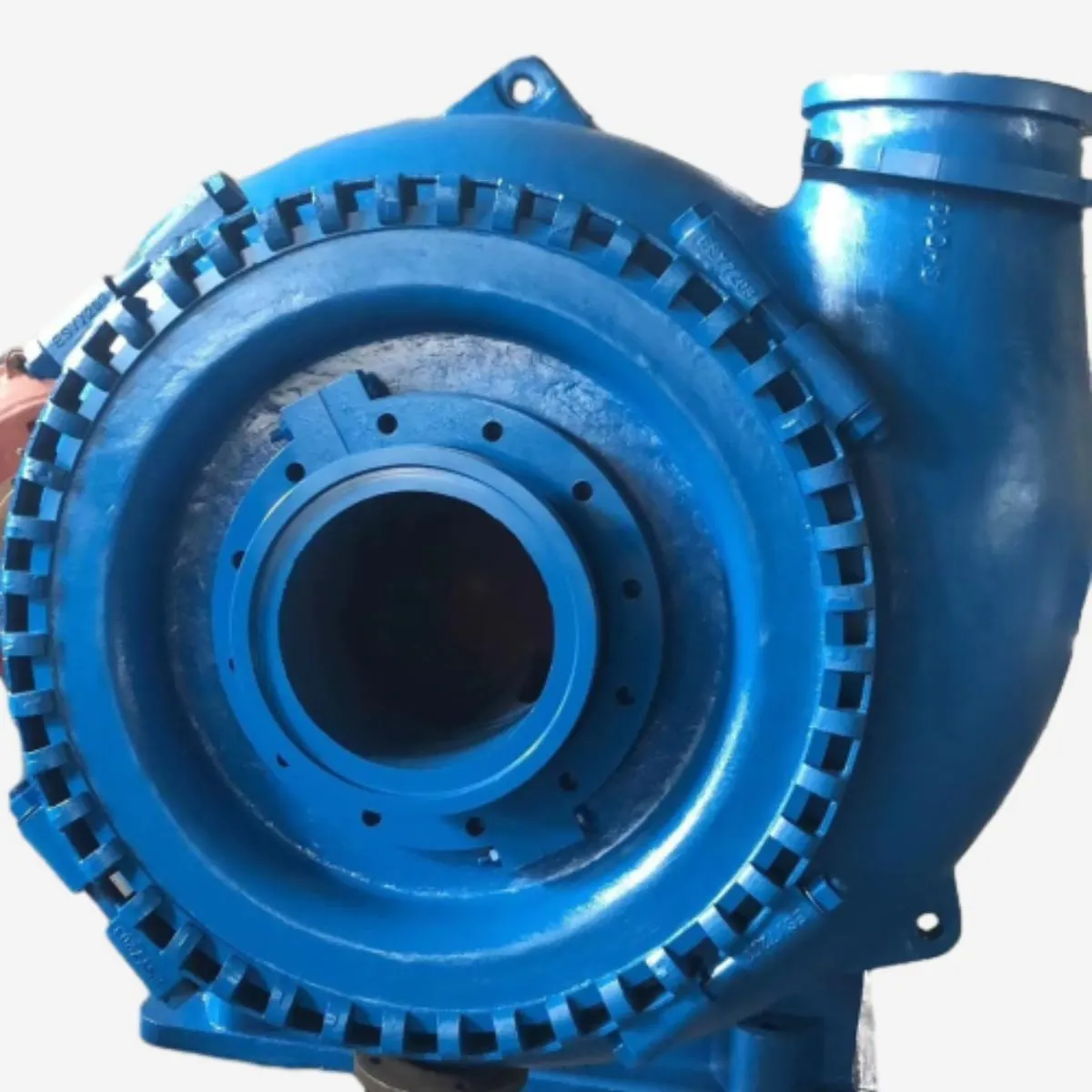
The construction of a mixed flow submersible pump necessitates careful material selection to ensure longevity and performance in harsh operating environments. Pump housings are commonly cast from ductile iron (ASTM A536-83) due to its high tensile strength, impact resistance, and corrosion resistance, often enhanced with epoxy or polyurethane coatings for further protection against chemical attack. Impellers are frequently manufactured from high-chromium cast iron (ASTM A532 Grade 3A) or stainless steel (304 or 316 grades, conforming to ASTM A743) to resist abrasive wear from solids in the pumped fluid. Shafts utilize alloy steel (4140 or similar, conforming to ASTM A276) offering high torsional strength. Seals are typically composed of silicon carbide (SiC) faces, ensuring resistance to abrasion and chemical degradation, coupled with elastomers like Viton or EPDM for static sealing. Manufacturing processes involve sand casting for housings and impellers, followed by precision machining to achieve tight tolerances. Welding procedures (following AWS D1.1 standards) are critical for joining components, requiring qualified welders and non-destructive testing (NDT) like radiographic inspection to verify weld integrity. Parameter control during casting and machining, including melt temperature, cooling rates, and cutting speeds, are paramount to maintain material properties and dimensional accuracy. Fiber-reinforced polymer composites are increasingly used in impeller construction, offering weight reduction and improved corrosion resistance, though long-term durability remains a challenge.
Performance & Engineering
The performance of a mixed flow submersible pump is dictated by a complex interplay of hydraulic forces, impeller geometry, and fluid properties. Force analysis focuses on radial and axial thrust loads generated by the impeller, requiring robust bearing systems – typically deep groove ball bearings or tapered roller bearings, lubricated with oil or grease conforming to NLGI standards – to ensure stable operation and prevent premature failure. Environmental resistance is paramount, requiring the pump to withstand submersion in corrosive fluids (pH levels varying significantly), temperature fluctuations, and potential exposure to UV radiation (for exposed cable connections). Compliance requirements include adherence to hydraulic institute standards (ANSI/HI 14) for pump performance testing and classification. Hydraulic design employs computational fluid dynamics (CFD) to optimize impeller blade profiles, volute geometry, and diffuser design, maximizing efficiency and minimizing cavitation. Functional implementation relies on a sealed motor (IEC 60034-8 classification for submersible motors) providing the necessary torque and speed. The pump's electrical cable must meet stringent safety standards (IEC 60335-2-40) regarding insulation, water tightness, and mechanical protection. A common engineering challenge is mitigating vortex formation at the pump inlet, which can lead to air ingestion and reduced pump performance.
Technical Specifications
| Parameter | Units | Typical Range (Small Pump) | Typical Range (Large Pump) |
|---|---|---|---|
| Flow Rate | m³/h | 10 - 100 | 200 - 1000 |
| Total Head | m | 5 - 20 | 30 - 60 |
| Motor Power | kW | 0.75 - 5.5 | 11 - 75 |
| Solids Handling Capacity | mm | Up to 50 | Up to 100 |
| Maximum Submergence Depth | m | Up to 20 | Up to 50 |
| Impeller Material | - | High-Chromium Cast Iron | Stainless Steel (316) |
Failure Mode & Maintenance
Mixed flow submersible pumps, while robust, are susceptible to various failure modes. Fatigue cracking in the impeller or housing can occur due to cyclic stress from fluid flow and solids impact. Delamination of protective coatings exposes the underlying metal to corrosion. Degradation of elastomer seals leads to leakage and motor failure. Oxidation of electrical cables and connections reduces insulation resistance and increases the risk of short circuits. Abrasive wear of the impeller reduces pump efficiency and flow rate. Failure analysis often reveals that insufficient preventative maintenance is a primary contributor to premature failure. Regular maintenance should include visual inspection for cracks, corrosion, and coating damage; seal replacement on a scheduled basis (typically annually); lubrication of bearings; and electrical testing of cables and connections (using a megohmmeter to check insulation resistance - IEC 60034-18). Ultrasonic testing can detect early signs of impeller fatigue cracking. Proper storage during periods of inactivity is also crucial, preventing corrosion and seal degradation. Monitoring vibration levels using vibration sensors (ISO 10816 standards) provides early warning of bearing failure or impeller imbalance. Backflushing the pump periodically can remove accumulated solids and prevent clogging.
Industry FAQ
Q: What is the impact of solids content on pump selection and longevity?
A: Higher solids content necessitates pumps constructed from abrasion-resistant materials like high-chromium cast iron or stainless steel. Increased impeller wear rates must be factored into maintenance schedules. Furthermore, the pump’s design should incorporate a larger impeller passage to prevent clogging and reduce wear. The velocity of the fluid must also be considered as higher velocities exacerbate abrasive wear.
Q: How does the pumped fluid's chemical composition affect material selection?
A: The chemical composition dictates the required corrosion resistance. Exposure to acidic or alkaline fluids requires materials like stainless steel (316) or specialized alloys with enhanced corrosion resistance. Coatings (epoxy, polyurethane) can provide additional protection but must be chemically compatible with the fluid.
Q: What are the key considerations when selecting a pump for variable flow rate applications?
A: Variable flow rate applications require pumps with a broad performance curve and efficient operation across a range of flow rates. Variable frequency drives (VFDs) can be used to control pump speed and adjust flow rate, but VFD compatibility must be verified. Cavitation can become a concern at low flow rates, requiring careful impeller design.
Q: What are the best practices for grounding and electrical safety with submersible pumps?
A: Proper grounding is critical to prevent electrical shock hazards. The pump’s grounding conductor must be securely connected to a reliable grounding point. Regular inspection of electrical cables and connections is essential to identify and address any damage. Use of a Ground Fault Circuit Interrupter (GFCI) is highly recommended.
Q: How can I optimize pump efficiency and reduce energy consumption?
A: Optimizing pump efficiency involves selecting the right pump size for the application, minimizing head loss in the piping system, and utilizing VFDs to match pump speed to flow demand. Regular impeller cleaning and maintenance can also improve efficiency. Consider impeller trimming to adjust pump performance to the specific operating point.
Conclusion
Mixed flow submersible pumps provide a versatile and reliable solution for a wide range of fluid handling applications. Their ability to handle solids, operate submerged, and deliver moderate head and high flow rates makes them a preferred choice in numerous industries. However, realizing the full potential of these pumps requires careful consideration of material selection, manufacturing quality, and diligent preventative maintenance.
Future development will likely focus on advanced materials, improved hydraulic designs, and the integration of smart sensors for real-time performance monitoring and predictive maintenance. This will enable increased efficiency, reduced lifecycle costs, and enhanced reliability, solidifying the position of mixed flow submersible pumps as a cornerstone of modern fluid handling systems.
-
Precision at the Pump: How Better Machining Protects Flow and Uptime
News2026-11-20
-
Why Pump Reliability Begins Before the First Drop of Fluid
News2026-11-20
-
Beyond the Pump: Designing Safer Access Around Critical Water Infrastructure
News2026-11-20
-
Why Pumping Stations Depend on the Infrastructure Beneath the Pumps
News2026-11-20
-
Beyond the Pump Room: How Smarter Loading Protects Industrial Equipment
News2026-11-19
-
When Pumps Stop: Designing More Resilient Power for Critical Pumping Systems
News2026-11-19
-
The Hidden Role of Dust and Gas Monitoring in Reliable Pump Operations
News2026-11-19
-
The Hidden Role of Mineral Compounds in Extending Industrial Pump Lifespan
News2026-10-12
-
Why Pump System Reliability Depends on Precision Hose Assembly Methods
News2026-09-15
-
How Advanced Imaging Films Are Transforming Pump Component Quality Control
News2026-08-25
-
How Advanced Filtration Protects Pump Systems from Premature Wear and Costly Downtime
News2026-08-25
-
How Steel Material Selection Drives Pump Reliability in Heavy-Duty Systems
News2026-08-25
-
Ensuring Pump System Efficiency: The Role of High-Quality Pipe Fittings and Tubing
News2026-08-24
-
Optimizing Fluid Dynamics and Material Consistency in Industrial Processing
News2026-08-18
-
Innovations and Challenges in Hydraulic Systems for Heavy Machinery
News2026-08-13




