English
- Afrikaans
- Albanian
- Amharic
- Arabic
- Armenian
- Azerbaijani
- Basque
- Belarusian
- Bengali
- Bosnian
- Bulgarian
- Catalan
- Cebuano
- Corsican
- Croatian
- Czech
- Danish
- Dutch
- English
- Esperanto
- Estonian
- Finnish
- French
- Frisian
- Galician
- Georgian
- German
- Greek
- Gujarati
- Haitian Creole
- hausa
- hawaiian
- Hebrew
- Hindi
- Miao
- Hungarian
- Icelandic
- igbo
- Indonesian
- irish
- Italian
- Japanese
- Javanese
- Kannada
- kazakh
- Khmer
- Rwandese
- Korean
- Kurdish
- Kyrgyz
- Lao
- Latin
- Latvian
- Lithuanian
- Luxembourgish
- Macedonian
- Malgashi
- Malay
- Malayalam
- Maltese
- Maori
- Marathi
- Mongolian
- Myanmar
- Nepali
- Norwegian
- Norwegian
- Occitan
- Pashto
- Persian
- Polish
- Portuguese
- Punjabi
- Romanian
- Russian
- Samoan
- Scottish Gaelic
- Serbian
- Sesotho
- Shona
- Sindhi
- Sinhala
- Slovak
- Slovenian
- Somali
- Spanish
- Sundanese
- Swahili
- Swedish
- Tagalog
- Tajik
- Tamil
- Tatar
- Telugu
- Thai
- Turkish
- Turkmen
- Ukrainian
- Urdu
- Uighur
- Uzbek
- Vietnamese
- Welsh
- Bantu
- Yiddish
- Yoruba
- Zulu

Telephone: +86 13120555503
Email: frank@cypump.com


Apr . 01, 2024 17:55 Back to list
mixed flow pumps Performance Analysis
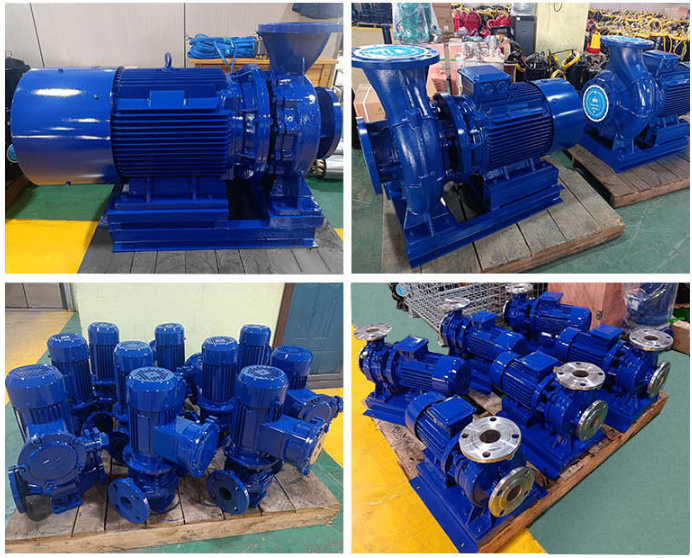
Introduction
Mixed flow pumps represent a significant category within dynamic pumps, occupying a performance niche between centrifugal and axial flow pumps. These pumps utilize a runner design incorporating both axial and radial flow characteristics, resulting in a head-capacity curve that’s advantageous in applications requiring moderate head and high flow rates. Unlike purely centrifugal pumps, which rely solely on centrifugal force, or axial pumps, prioritizing unimpeded flow, mixed flow pumps efficiently combine both mechanisms. This positioning makes them vital in industries like water and wastewater treatment, agricultural irrigation, power generation, and industrial process water circulation. Their robust design, relative simplicity, and high efficiency within their operating range contribute to their widespread adoption. The core performance metric centers around achieving an optimal balance between head generated, flow rate delivered, and overall hydraulic efficiency, making careful selection and application crucial for long-term reliability and cost-effectiveness. A key industry pain point is selecting the appropriate impeller design and casing geometry for a specific fluid and operating condition, as deviations from the optimal design can lead to cavitation, reduced efficiency, and premature wear.
Material Science & Manufacturing
The performance and longevity of mixed flow pumps are intimately tied to the materials used in their construction and the precision of their manufacturing processes. Impellers and casings are commonly manufactured from cast iron (ASTM A48 Class 30), stainless steel (304, 316 – ASTM A743), and, for specialized applications, duplex stainless steel or bronze. Cast iron offers cost-effectiveness and good machinability but is susceptible to corrosion, requiring protective coatings. Stainless steel provides superior corrosion resistance, crucial in handling aggressive fluids, but at a higher material cost. Duplex stainless steel offers even greater corrosion resistance and strength, particularly in chloride-rich environments. The manufacturing process typically involves precision casting, followed by machining and welding. Critical parameters include impeller balancing (to minimize vibration and bearing stress), casing dimensional accuracy (to ensure proper volute geometry and minimize losses), and weld quality (to prevent stress concentrations and potential failure points). Shafts are typically forged from carbon steel (ASTM A105) and hardened to resist torsional stress. Seals are often comprised of materials like silicon carbide or tungsten carbide, selected for their hardness and resistance to abrasion. Surface finish is also crucial; a smoother finish reduces friction and minimizes the risk of cavitation. Manufacturing defects such as porosity in castings, incomplete fusion in welds, or dimensional inaccuracies can significantly compromise pump performance and reliability.
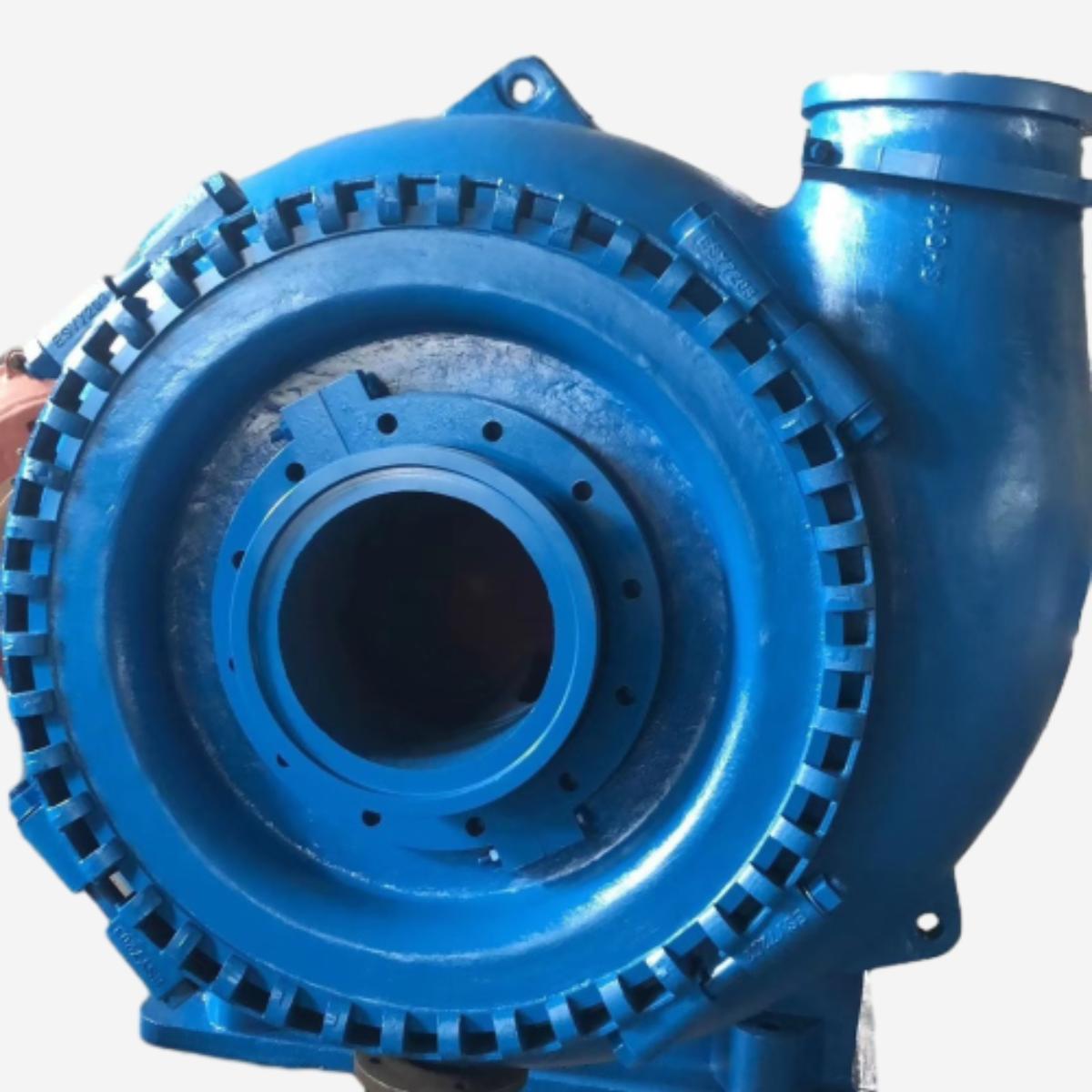
Performance & Engineering
The performance of a mixed flow pump is fundamentally governed by the principles of fluid dynamics and hydraulic engineering. Key engineering considerations include head-capacity curve analysis, Net Positive Suction Head Required (NPSHr) calculation, and hydraulic efficiency optimization. The head-capacity curve dictates the pump’s ability to deliver flow at varying pressures. A steeper curve indicates a greater sensitivity to system resistance. NPSHr represents the minimum pressure required at the pump suction to prevent cavitation, a phenomenon where vapor bubbles form and collapse, causing noise, vibration, and impeller damage. Careful system design is crucial to ensure the available NPSH (NPSHa) exceeds the NPSHr. Hydraulic efficiency, typically ranging from 70% to 85% for well-designed mixed flow pumps, is influenced by factors like impeller geometry, casing design, and fluid viscosity. Computational Fluid Dynamics (CFD) modeling is increasingly used to optimize these parameters and predict pump performance under various operating conditions. Force analysis, including radial and axial thrust loads, is essential for proper bearing selection and shaft design. Environmental resistance must also be considered; pumps operating in corrosive environments require appropriate material selection and protective coatings. Compliance with industry standards like Hydraulic Institute (HI) standards ensures consistent performance and reliability. A critical pain point for engineers is accurately predicting pump performance with varying fluid properties and solids content, as these factors can significantly impact efficiency and wear rates.
Technical Specifications
| Parameter | Unit | Typical Range (Small Pumps - <50 HP) | Typical Range (Large Pumps - >500 HP) |
|---|---|---|---|
| Flow Rate | GPM (US Gallons per Minute) | 50 - 500 | 1000 - 10,000+ |
| Head | ft (Feet) | 20 - 150 | 100 - 500+ |
| Specific Speed (Ns) | RPMGPM/ft^0.75 | 500 - 1500 | 800 - 2000 |
| Pump Efficiency | % | 70 - 80 | 75 - 88 |
| Suction Specific Speed (Ssu) | RPMGPM/ft^0.75 | 4000 – 8000 | 6000 – 12000 |
| Maximum Solid Handling Size | in (Inches) | Up to 0.5 | Up to 2 |
Failure Mode & Maintenance
Mixed flow pumps, while robust, are susceptible to several failure modes. Cavitation, as previously mentioned, is a common cause of impeller erosion and reduced performance. Corrosion, particularly in pumps handling corrosive fluids, can lead to casing and impeller degradation. Mechanical seal failure results in leakage and potential pump seizure. Bearing failure, often stemming from improper lubrication or excessive vibration, can cause shaft misalignment and pump damage. Fatigue cracking, primarily in the impeller and shaft, can occur due to cyclic loading and stress concentrations. A thorough failure analysis is crucial to identify the root cause of any failure. Preventative maintenance is key to maximizing pump lifespan. This includes regular inspection of seals, bearings, and impellers; lubrication according to manufacturer recommendations; vibration monitoring; and performance testing (head-capacity curve verification). Periodic cleaning of the pump casing and impeller to remove debris and scale buildup is also essential. For pumps handling abrasive fluids, wear rings should be regularly inspected and replaced as needed. When replacing components, it’s vital to use OEM-specified parts or equivalent quality replacements. Implementing a predictive maintenance program, leveraging sensor data and machine learning, can further optimize maintenance schedules and minimize downtime. Addressing misalignment promptly is vital as it accelerates wear on bearings and seals.
Industry FAQ
Q: What are the key differences between a mixed flow pump and a centrifugal pump in terms of applications?
A: Centrifugal pumps excel in low-head, high-flow applications like water distribution. Mixed flow pumps bridge the gap, offering a higher head capability than centrifugal pumps while still maintaining good flow rates. Therefore, mixed flow pumps are preferred when moderate head and substantial flow are required, such as in irrigation systems, cooling water circulation, and certain wastewater treatment stages. Selecting the correct pump type is dictated by the specific system head loss and desired flow rate.
Q: How does fluid viscosity affect the performance of a mixed flow pump?
A: Increased fluid viscosity generally reduces pump efficiency and flow rate. Higher viscosity fluids create greater frictional losses within the pump, requiring more power to achieve the same head. Impeller design and pump speed must be carefully considered when handling viscous fluids to mitigate performance degradation.
Q: What are the common materials used for pump casings and why?
A: Cast iron is common for its cost-effectiveness and machinability in non-corrosive applications. Stainless steel (304, 316) is preferred when corrosion resistance is crucial. For aggressive environments, duplex stainless steel offers superior protection. Material selection is always driven by the fluid being pumped and the operational environment.
Q: What are the best practices for preventing cavitation in a mixed flow pump?
A: Ensuring sufficient NPSHa is the primary defense against cavitation. This involves minimizing suction line losses, maintaining adequate suction tank levels, and avoiding excessive pump speeds. Regularly inspecting the impeller for signs of cavitation damage is also vital.
Q: What is the role of impeller trim in optimizing pump performance for a specific application?
A: Impeller trim involves machining the impeller diameter to adjust the pump’s head-capacity curve to match the system requirements. Trimming reduces both head and power consumption. Proper impeller trimming, based on hydraulic calculations, is critical for maximizing pump efficiency and avoiding operating outside the pump's best efficiency point.
Conclusion
Mixed flow pumps represent a versatile solution for a wide range of fluid handling applications demanding a balanced head-capacity profile. Their effectiveness hinges on meticulous material selection, precise manufacturing processes, and a thorough understanding of fluid dynamics principles. Addressing potential failure modes through proactive maintenance and employing advanced diagnostic techniques ensures long-term reliability and operational efficiency.
The future of mixed flow pump technology will likely focus on enhanced hydraulic designs utilizing CFD optimization, the integration of smart sensors for predictive maintenance, and the development of more corrosion-resistant materials. As industries increasingly prioritize energy efficiency and sustainability, the optimization of mixed flow pump performance will remain a critical area of focus. Further research into impeller geometries capable of handling solids-laden fluids without significant performance degradation will also be a key area of advancement.
-
Precision at the Pump: How Better Machining Protects Flow and Uptime
News2026-11-20
-
Why Pump Reliability Begins Before the First Drop of Fluid
News2026-11-20
-
Beyond the Pump: Designing Safer Access Around Critical Water Infrastructure
News2026-11-20
-
Why Pumping Stations Depend on the Infrastructure Beneath the Pumps
News2026-11-20
-
Beyond the Pump Room: How Smarter Loading Protects Industrial Equipment
News2026-11-19
-
When Pumps Stop: Designing More Resilient Power for Critical Pumping Systems
News2026-11-19
-
The Hidden Role of Dust and Gas Monitoring in Reliable Pump Operations
News2026-11-19
-
The Hidden Role of Mineral Compounds in Extending Industrial Pump Lifespan
News2026-10-12
-
Why Pump System Reliability Depends on Precision Hose Assembly Methods
News2026-09-15
-
How Advanced Imaging Films Are Transforming Pump Component Quality Control
News2026-08-25
-
How Advanced Filtration Protects Pump Systems from Premature Wear and Costly Downtime
News2026-08-25
-
How Steel Material Selection Drives Pump Reliability in Heavy-Duty Systems
News2026-08-25
-
Ensuring Pump System Efficiency: The Role of High-Quality Pipe Fittings and Tubing
News2026-08-24
-
Optimizing Fluid Dynamics and Material Consistency in Industrial Processing
News2026-08-18
-
Innovations and Challenges in Hydraulic Systems for Heavy Machinery
News2026-08-13




