English
- Afrikaans
- Albanian
- Amharic
- Arabic
- Armenian
- Azerbaijani
- Basque
- Belarusian
- Bengali
- Bosnian
- Bulgarian
- Catalan
- Cebuano
- Corsican
- Croatian
- Czech
- Danish
- Dutch
- English
- Esperanto
- Estonian
- Finnish
- French
- Frisian
- Galician
- Georgian
- German
- Greek
- Gujarati
- Haitian Creole
- hausa
- hawaiian
- Hebrew
- Hindi
- Miao
- Hungarian
- Icelandic
- igbo
- Indonesian
- irish
- Italian
- Japanese
- Javanese
- Kannada
- kazakh
- Khmer
- Rwandese
- Korean
- Kurdish
- Kyrgyz
- Lao
- Latin
- Latvian
- Lithuanian
- Luxembourgish
- Macedonian
- Malgashi
- Malay
- Malayalam
- Maltese
- Maori
- Marathi
- Mongolian
- Myanmar
- Nepali
- Norwegian
- Norwegian
- Occitan
- Pashto
- Persian
- Polish
- Portuguese
- Punjabi
- Romanian
- Russian
- Samoan
- Scottish Gaelic
- Serbian
- Sesotho
- Shona
- Sindhi
- Sinhala
- Slovak
- Slovenian
- Somali
- Spanish
- Sundanese
- Swahili
- Swedish
- Tagalog
- Tajik
- Tamil
- Tatar
- Telugu
- Thai
- Turkish
- Turkmen
- Ukrainian
- Urdu
- Uighur
- Uzbek
- Vietnamese
- Welsh
- Bantu
- Yiddish
- Yoruba
- Zulu

Telephone: +86 13120555503
Email: frank@cypump.com


Apr . 01, 2024 17:55 Back to list
Mixed Flow Pumps exploring the efficiency and applications of mixed flow pumps
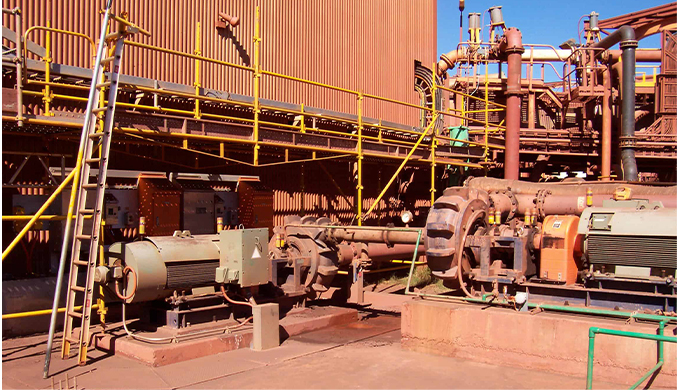
Introduction
Mixed flow pumps represent a critical technology within the fluid machinery sector, bridging the performance characteristics of radial and axial flow designs. Positioned between these two archetypes, mixed flow pumps excel in applications demanding moderate head and high flow rates. Their technical position in the industrial chain is substantial, functioning as core components in water distribution, irrigation, drainage, power generation, and numerous process industries. Core performance characteristics are defined by their specific speed – typically between 70 and 180 – which dictates the impeller geometry and resulting head-flow curve. A key industry pain point is accurately selecting the optimal pump type for a specific application. Improper selection leads to inefficiencies, increased energy consumption, premature wear, and potential system failures. Understanding the nuanced interplay between impeller design, casing volute geometry, and operating conditions is paramount. This guide will provide a comprehensive technical analysis of mixed flow pump efficiency, application considerations, and maintenance protocols.
Material Science & Manufacturing
The performance and longevity of a mixed flow pump are heavily reliant on the materials used in its construction and the precision of the manufacturing processes. Impellers and casings are commonly fabricated from stainless steels (304, 316, 17-4PH) due to their corrosion resistance and mechanical strength. Cast iron (ASTM A48 Class 30) remains prevalent for less demanding applications, offering cost-effectiveness. Shafts typically utilize high-strength alloy steels (4140, 4340) to withstand torsional stress and bending moments. Manufacturing predominantly involves investment casting for complex impeller geometries, followed by precision machining to achieve tight tolerances on blade profiles and surface finishes. Casing manufacturing utilizes sand casting or centrifugal casting. Critical parameters include impeller blade angle, blade thickness, and the surface roughness of flow passages. Welding processes, particularly TIG and MIG, are used for joining components. Welding parameters – current, voltage, travel speed, and shielding gas composition – must be precisely controlled to prevent distortion and ensure weld integrity, minimizing residual stresses and potential for stress corrosion cracking. Non-destructive testing (NDT), including liquid penetrant inspection, magnetic particle inspection, and ultrasonic testing, is crucial for verifying weld quality and detecting internal flaws. Surface treatments, such as electroplating or ceramic coatings, are applied to enhance wear resistance and corrosion protection.
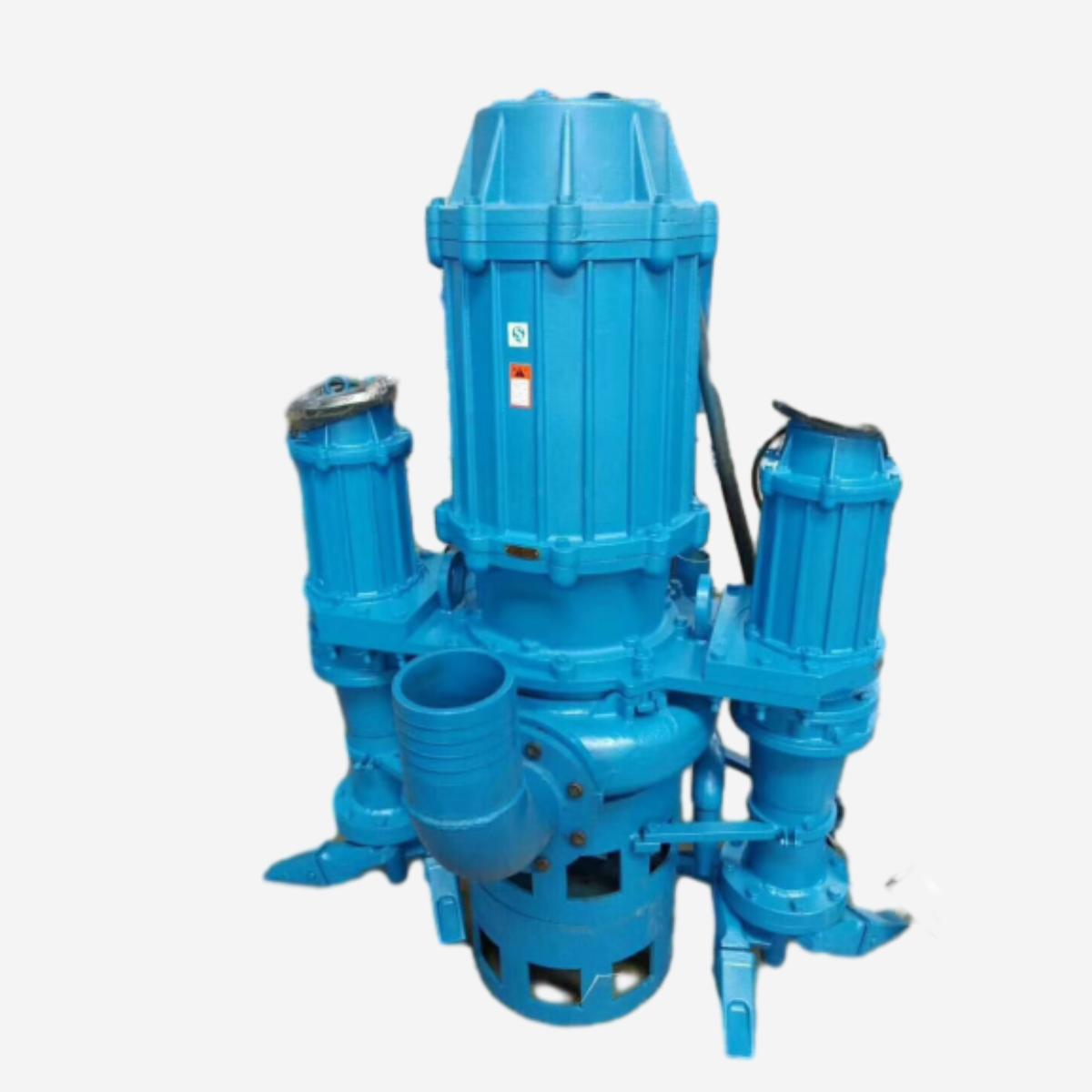
Performance & Engineering
Mixed flow pump performance is governed by fundamental fluid dynamics principles. Force analysis focuses on balancing hydraulic forces acting on the impeller with mechanical forces generated by the shaft and bearings. Centrifugal forces due to impeller rotation, coupled with pressure distributions, induce significant stresses on impeller blades. Finite element analysis (FEA) is routinely employed to optimize impeller design and ensure structural integrity under varying operating conditions. Environmental resistance is a critical consideration. Exposure to corrosive fluids requires careful material selection and the application of protective coatings. Temperature variations can impact material properties and clearances within the pump. Cavitation, the formation and collapse of vapor bubbles, is a major performance limiter. It occurs when the absolute pressure at the impeller inlet falls below the vapor pressure of the fluid, leading to erosion damage and reduced pump efficiency. Net Positive Suction Head Required (NPSHr) is a key parameter in preventing cavitation. Compliance requirements vary depending on the application. For potable water applications, pumps must conform to NSF/ANSI 61 standards. For hazardous environments, ATEX or IECEx certification may be necessary. Functional implementation involves careful system integration. Proper piping design, including suction and discharge piping diameter and length, minimizes head losses and optimizes pump performance. Variable frequency drives (VFDs) are commonly used to control pump speed and flow rate, enabling energy savings and process optimization.
Technical Specifications
| Parameter | Unit | Typical Range | Application Influence |
|---|---|---|---|
| Flow Rate | m³/h | 50 – 2000 | Determines pump capacity for desired system throughput. |
| Total Head | m | 5 – 50 | Indicates the pump's ability to overcome system resistance. |
| Specific Speed (Ns) | rpm | 70 – 180 | Classifies pump type and dictates impeller geometry. |
| Pump Efficiency | % | 70 – 85 | Directly impacts energy consumption and operating costs. |
| Impeller Diameter | mm | 150 – 600 | Affects flow rate and head characteristics. |
| NPSHr | m | 2 – 10 | Critical for preventing cavitation; must be lower than NPSHa. |
Failure Mode & Maintenance
Mixed flow pumps are susceptible to several failure modes. Fatigue cracking in impeller blades is common, particularly under cyclical loading. This is exacerbated by cavitation erosion and stress concentrations. Delamination of protective coatings can lead to corrosion and reduced performance. Bearing failures are often caused by improper lubrication, misalignment, or excessive loading. Shaft failures can occur due to torsional fatigue or bending stress. Seal failures result in leakage and potential contamination. Oxidation and corrosion of internal components reduce efficiency and can lead to catastrophic failures. Preventive maintenance is crucial for extending pump life. Regular visual inspections should be conducted to identify signs of wear, corrosion, or leakage. Vibration analysis can detect bearing imbalances and misalignment. Oil analysis monitors lubricant condition and detects wear debris. Impeller cleaning removes deposits and restores hydraulic efficiency. Bearing lubrication should be performed according to manufacturer recommendations. Seal replacement prevents leakage. Periodic impeller balancing minimizes vibration. In the event of a failure, root cause analysis is essential to identify the underlying issue and prevent recurrence. This may involve metallographic examination of fractured components or fluid analysis to determine the presence of corrosive agents.
Industry FAQ
Q: What is the primary difference between a mixed flow pump and a centrifugal pump in terms of application suitability?
A: Centrifugal pumps are ideal for high-flow, low-head applications, while mixed flow pumps are better suited for moderate-flow, moderate-head applications. The impeller design dictates this difference. Centrifugal pumps primarily impart radial velocity to the fluid, whereas mixed flow pumps impart both radial and axial velocity components. Consequently, mixed flow pumps are often preferred for applications like irrigation and drainage where a balance between flow rate and head is required.
Q: How does impeller trim affect the pump's Best Efficiency Point (BEP)?
A: Trimming the impeller reduces both the flow rate and the head produced by the pump. It effectively shifts the pump's performance curve to the left. This can be used to match the pump's operating point to a specific system requirement, but it also reduces the pump’s overall efficiency. Operating significantly away from the BEP reduces efficiency and increases wear.
Q: What preventative measures should be taken to mitigate the risk of cavitation?
A: Ensuring sufficient Net Positive Suction Head Available (NPSHa) is the most critical step. This involves minimizing suction pipe losses, raising the liquid level in the suction tank, and reducing fluid temperature. Regularly inspecting the impeller for signs of erosion is also crucial. Proper system design and operation are key to preventing cavitation damage.
Q: What material selection considerations are paramount when handling abrasive fluids?
A: For abrasive fluids, wear-resistant materials like high chrome cast iron or ceramic coatings are recommended for impeller and casing components. Hardened stainless steels may also be suitable. The choice depends on the severity of the abrasion. Regular inspection and replacement of wear parts are essential to maintain performance.
Q: How can Variable Frequency Drives (VFDs) improve the efficiency of a mixed flow pump system?
A: VFDs allow precise control of pump speed, enabling the pump to operate closer to its BEP for a wider range of flow demands. This reduces energy consumption and minimizes wear. VFDs also provide soft starting and stopping, reducing stress on the pump and electrical system.
Conclusion
Mixed flow pumps represent a versatile and efficient solution for a broad spectrum of fluid handling applications. Their performance characteristics, situated between radial and axial flow designs, offer a compelling balance of flow rate and head. Careful consideration of material science, manufacturing processes, and system integration is paramount to maximizing pump efficiency and reliability. Addressing potential failure modes through proactive maintenance practices ensures long-term operational integrity.
Future advancements in mixed flow pump technology will likely focus on optimizing impeller geometry using computational fluid dynamics (CFD) simulations, developing novel wear-resistant materials, and integrating smart sensors for predictive maintenance. The continued adoption of VFDs and intelligent control systems will further enhance energy efficiency and process optimization, solidifying the mixed flow pump's position as a critical component in diverse industrial sectors.
-
Precision at the Pump: How Better Machining Protects Flow and Uptime
News2026-11-20
-
Why Pump Reliability Begins Before the First Drop of Fluid
News2026-11-20
-
Beyond the Pump: Designing Safer Access Around Critical Water Infrastructure
News2026-11-20
-
Why Pumping Stations Depend on the Infrastructure Beneath the Pumps
News2026-11-20
-
Beyond the Pump Room: How Smarter Loading Protects Industrial Equipment
News2026-11-19
-
When Pumps Stop: Designing More Resilient Power for Critical Pumping Systems
News2026-11-19
-
The Hidden Role of Dust and Gas Monitoring in Reliable Pump Operations
News2026-11-19
-
The Hidden Role of Mineral Compounds in Extending Industrial Pump Lifespan
News2026-10-12
-
Why Pump System Reliability Depends on Precision Hose Assembly Methods
News2026-09-15
-
How Advanced Imaging Films Are Transforming Pump Component Quality Control
News2026-08-25
-
How Advanced Filtration Protects Pump Systems from Premature Wear and Costly Downtime
News2026-08-25
-
How Steel Material Selection Drives Pump Reliability in Heavy-Duty Systems
News2026-08-25
-
Ensuring Pump System Efficiency: The Role of High-Quality Pipe Fittings and Tubing
News2026-08-24
-
Optimizing Fluid Dynamics and Material Consistency in Industrial Processing
News2026-08-18
-
Innovations and Challenges in Hydraulic Systems for Heavy Machinery
News2026-08-13




