English
- Afrikaans
- Albanian
- Amharic
- Arabic
- Armenian
- Azerbaijani
- Basque
- Belarusian
- Bengali
- Bosnian
- Bulgarian
- Catalan
- Cebuano
- Corsican
- Croatian
- Czech
- Danish
- Dutch
- English
- Esperanto
- Estonian
- Finnish
- French
- Frisian
- Galician
- Georgian
- German
- Greek
- Gujarati
- Haitian Creole
- hausa
- hawaiian
- Hebrew
- Hindi
- Miao
- Hungarian
- Icelandic
- igbo
- Indonesian
- irish
- Italian
- Japanese
- Javanese
- Kannada
- kazakh
- Khmer
- Rwandese
- Korean
- Kurdish
- Kyrgyz
- Lao
- Latin
- Latvian
- Lithuanian
- Luxembourgish
- Macedonian
- Malgashi
- Malay
- Malayalam
- Maltese
- Maori
- Marathi
- Mongolian
- Myanmar
- Nepali
- Norwegian
- Norwegian
- Occitan
- Pashto
- Persian
- Polish
- Portuguese
- Punjabi
- Romanian
- Russian
- Samoan
- Scottish Gaelic
- Serbian
- Sesotho
- Shona
- Sindhi
- Sinhala
- Slovak
- Slovenian
- Somali
- Spanish
- Sundanese
- Swahili
- Swedish
- Tagalog
- Tajik
- Tamil
- Tatar
- Telugu
- Thai
- Turkish
- Turkmen
- Ukrainian
- Urdu
- Uighur
- Uzbek
- Vietnamese
- Welsh
- Bantu
- Yiddish
- Yoruba
- Zulu

Telephone: +86 13120555503
Email: frank@cypump.com


Apr . 01, 2024 17:55 Back to list
Mixed Flow Pump Working Principle Performance Analysis
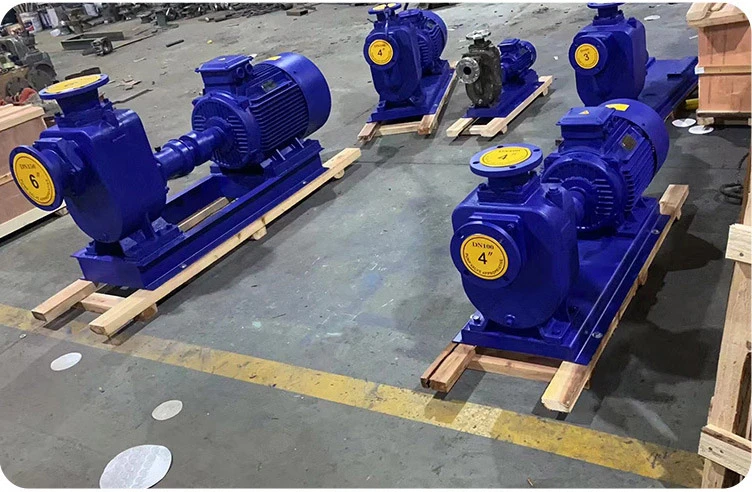
Introduction
Mixed flow pumps represent a critical component in a vast array of industrial applications, bridging the performance characteristics of both radial and axial flow pumps. Their design incorporates both axial and centrifugal flow principles, resulting in a head-capacity curve optimized for medium head and high flow rate requirements. Unlike purely radial pumps which rely heavily on centrifugal force, or axial pumps which primarily employ propeller-like action, the mixed flow pump utilizes a combination of both. This makes them particularly well-suited for applications like municipal water supply, agricultural irrigation, and industrial process water circulation, where significant fluid volume must be moved efficiently against moderate pressure. The impeller design, featuring blades with both radial and axial components, is central to the pump’s functionality. Understanding the nuanced interplay of these flow characteristics is essential for effective selection, operation, and maintenance of these pumps within complex industrial systems. Core pain points within the industry revolve around cavitation prevention, impeller erosion, and maintaining consistent performance under varying fluid conditions. This guide provides an in-depth analysis of mixed flow pump working principles, material considerations, performance characteristics, and potential failure modes.
Material Science & Manufacturing
The performance and longevity of a mixed flow pump are heavily dependent on the materials utilized in its construction and the precision of the manufacturing processes. Impellers are commonly cast from ductile iron (ASTM A536 Grade 65-45-12) for its tensile strength and resistance to erosion, particularly in applications involving abrasive fluids. However, for highly corrosive environments – such as those encountered in chemical processing or seawater applications – stainless steel alloys (316L, duplex stainless steels) are preferred due to their superior corrosion resistance. Pump casings are typically constructed from cast iron (ASTM A48 Class 30) or steel, with surface coatings (epoxy, polyurethane) frequently applied to enhance corrosion protection. Shafts require high-strength alloy steels (4140, 4340) heat treated to achieve the necessary hardness and fatigue resistance. Manufacturing processes are equally critical. Impeller casting requires meticulous control of the sand mold composition and pouring temperature to minimize defects like porosity and shrinkage. Machining tolerances for the impeller blades and wear rings are paramount to maintaining hydraulic efficiency. Welding, employed in casing fabrication, must adhere to standards like AWS D1.1 to ensure structural integrity. Non-destructive testing (NDT), including radiographic inspection and ultrasonic testing, are routinely implemented to identify internal flaws in castings and welds. Surface finishing (shot blasting, polishing) is used to improve corrosion resistance and reduce friction losses. Parameter control during manufacturing includes precise monitoring of casting temperatures, machining speeds, welding currents, and coating application thickness.
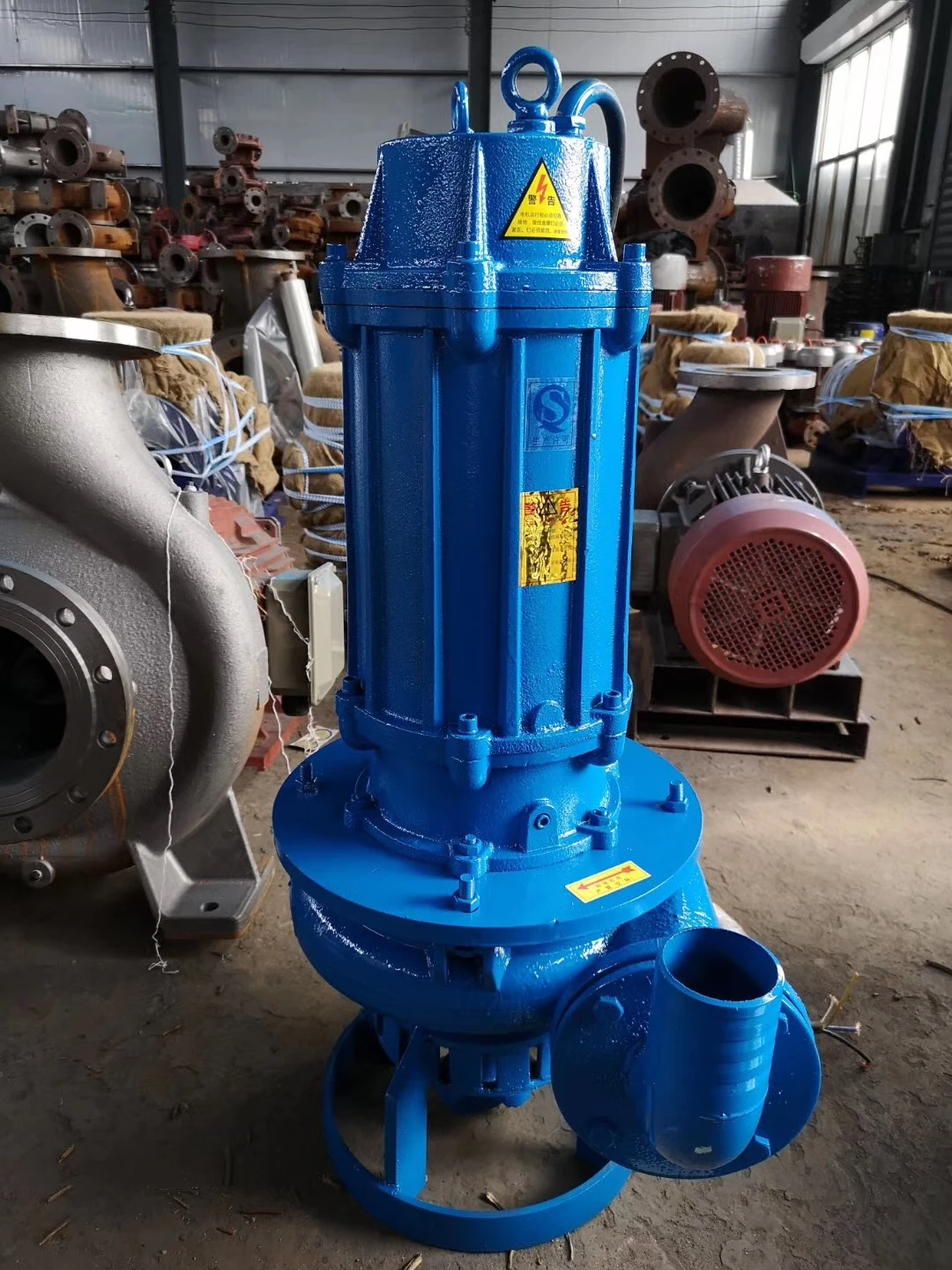
Performance & Engineering
The hydraulic performance of a mixed flow pump is dictated by the impeller geometry, the volute casing design, and the operating conditions. Force analysis centers on balancing the radial forces generated by the impeller with the structural support provided by the pump casing and bearings. Axial thrust, caused by pressure differences across the impeller, must also be effectively managed, often through the use of balancing devices like balance drums or opposed impellers. Environmental resistance is a key consideration, especially in outdoor installations. Pumps must be able to withstand temperature fluctuations, humidity, and potential exposure to harsh weather conditions. The pump’s Net Positive Suction Head Required (NPSHr) is a critical parameter, and proper system design must ensure that the Net Positive Suction Head Available (NPSHa) exceeds the NPSHr to prevent cavitation. Cavitation, the formation and collapse of vapor bubbles within the pump, can cause significant erosion damage to the impeller and casing. Compliance requirements vary by region and application. For potable water applications, pumps must meet standards like NSF/ANSI 61 for lead content and material compatibility. Energy efficiency standards, such as those mandated by the Department of Energy (DOE) in the US, dictate minimum performance levels. Functional implementation involves careful consideration of the pump’s operating point on its head-capacity curve. Selecting a pump that operates near its Best Efficiency Point (BEP) maximizes efficiency and minimizes energy consumption.
Technical Specifications
| Parameter | Typical Value (Units) | Range | Standard Test Condition |
|---|---|---|---|
| Flow Rate | 1000 m³/hr | 100 – 5000 m³/hr | 20°C Water, 1 atm |
| Head | 20 m | 5 – 50 m | 20°C Water, 1 atm |
| Impeller Diameter | 300 mm | 150 – 800 mm | N/A |
| Specific Speed (Ns) | 150-300 | 80-400 | Calculated based on flow rate and head |
| Pump Efficiency | 82% | 70-88% | BEP, 20°C Water, 1 atm |
| Operating Temperature | 25°C | -10°C to 100°C (material dependent) | Ambient Temperature |
Failure Mode & Maintenance
Mixed flow pumps are susceptible to several failure modes. Cavitation erosion, as previously discussed, is a prevalent issue, manifesting as pitting and damage to the impeller and casing surfaces. Mechanical seals are prone to leakage due to wear, abrasion, or incompatibility with the pumped fluid. Bearing failure can occur due to inadequate lubrication, contamination, or excessive loading. Impeller imbalance, caused by erosion or material defects, leads to vibration and potential structural failure. Corrosion, particularly in aggressive fluid environments, weakens pump components. Fatigue cracking can develop in the impeller and casing due to cyclic loading. Maintenance strategies should prioritize preventative measures. Regular vibration analysis detects bearing wear and impeller imbalance. Periodic inspection of mechanical seals identifies potential leakage points. Proper lubrication schedules ensure adequate bearing protection. Impeller cleaning and coating (e.g., ceramic coating) mitigate erosion. Corrosion monitoring and protective coatings extend component lifespan. Routine performance testing (flow rate, head, power consumption) identifies deviations from baseline performance, indicating potential issues. Scheduled overhaul and component replacement (bearings, seals, wear rings) are critical for long-term reliability. Failure analysis, including metallographic examination and fracture surface analysis, is essential for identifying the root cause of failures and implementing corrective actions.
Industry FAQ
Q: What is the primary advantage of a mixed flow pump over a centrifugal pump for large-volume water transfer?
A: The primary advantage lies in the higher flow rates achievable at a given impeller diameter compared to a purely centrifugal pump. Mixed flow pumps generate a significant axial flow component, allowing them to move larger volumes of fluid while maintaining a reasonable head. This makes them more efficient for applications like irrigation and large-scale water distribution where flow is prioritized.
Q: How do you mitigate the risk of cavitation in a mixed flow pump installation?
A: Mitigating cavitation involves ensuring sufficient NPSHa. This is achieved by minimizing suction lift, maximizing suction pipe diameter, reducing fluid temperature, and minimizing pressure losses in the suction piping. Regular monitoring of suction pressure and visual inspection for impeller damage are also crucial.
Q: What material selection criteria are most important when pumping abrasive fluids?
A: When pumping abrasive fluids, selecting materials with high hardness and erosion resistance is paramount. High-chrome cast iron, hardened stainless steels, and ceramic coatings are common choices for impeller and casing components. Regular inspection and replacement of wear parts are also essential.
Q: How does impeller trim affect pump performance and efficiency?
A: Impeller trim, reducing the impeller diameter, lowers both the head and flow rate of the pump. While it can be used to adjust the pump to a specific operating point, excessive trimming can significantly reduce pump efficiency and increase the risk of cavitation. It’s vital to consult pump performance curves and manufacturer recommendations before trimming an impeller.
Q: What are the key considerations for selecting a variable frequency drive (VFD) for a mixed flow pump?
A: Key considerations include the pump’s motor horsepower, the required speed range, and harmonic distortion mitigation. VFDs can significantly improve energy efficiency by matching pump speed to flow demand, but proper grounding and filtering are essential to prevent motor damage and interference with other electrical equipment.
Conclusion
Mixed flow pumps offer a compelling solution for applications demanding high flow rates at moderate heads. Their unique hydraulic design, blending axial and centrifugal flow principles, provides an efficiency advantage over traditional pump types in specific operating regimes. However, successful implementation relies on a thorough understanding of material science, manufacturing precision, and careful consideration of operating conditions to mitigate risks associated with cavitation, erosion, and corrosion.
Future advancements in mixed flow pump technology will likely focus on optimizing impeller geometries using computational fluid dynamics (CFD), developing more durable and corrosion-resistant materials, and integrating intelligent control systems for predictive maintenance and energy optimization. Continued refinement of these pumps is vital for addressing the evolving demands of water management, industrial processing, and other critical infrastructure sectors.
-
Precision at the Pump: How Better Machining Protects Flow and Uptime
News2026-11-20
-
Why Pump Reliability Begins Before the First Drop of Fluid
News2026-11-20
-
Beyond the Pump: Designing Safer Access Around Critical Water Infrastructure
News2026-11-20
-
Why Pumping Stations Depend on the Infrastructure Beneath the Pumps
News2026-11-20
-
Beyond the Pump Room: How Smarter Loading Protects Industrial Equipment
News2026-11-19
-
When Pumps Stop: Designing More Resilient Power for Critical Pumping Systems
News2026-11-19
-
The Hidden Role of Dust and Gas Monitoring in Reliable Pump Operations
News2026-11-19
-
The Hidden Role of Mineral Compounds in Extending Industrial Pump Lifespan
News2026-10-12
-
Why Pump System Reliability Depends on Precision Hose Assembly Methods
News2026-09-15
-
How Advanced Imaging Films Are Transforming Pump Component Quality Control
News2026-08-25
-
How Advanced Filtration Protects Pump Systems from Premature Wear and Costly Downtime
News2026-08-25
-
How Steel Material Selection Drives Pump Reliability in Heavy-Duty Systems
News2026-08-25
-
Ensuring Pump System Efficiency: The Role of High-Quality Pipe Fittings and Tubing
News2026-08-24
-
Optimizing Fluid Dynamics and Material Consistency in Industrial Processing
News2026-08-18
-
Innovations and Challenges in Hydraulic Systems for Heavy Machinery
News2026-08-13




