English
- Afrikaans
- Albanian
- Amharic
- Arabic
- Armenian
- Azerbaijani
- Basque
- Belarusian
- Bengali
- Bosnian
- Bulgarian
- Catalan
- Cebuano
- Corsican
- Croatian
- Czech
- Danish
- Dutch
- English
- Esperanto
- Estonian
- Finnish
- French
- Frisian
- Galician
- Georgian
- German
- Greek
- Gujarati
- Haitian Creole
- hausa
- hawaiian
- Hebrew
- Hindi
- Miao
- Hungarian
- Icelandic
- igbo
- Indonesian
- irish
- Italian
- Japanese
- Javanese
- Kannada
- kazakh
- Khmer
- Rwandese
- Korean
- Kurdish
- Kyrgyz
- Lao
- Latin
- Latvian
- Lithuanian
- Luxembourgish
- Macedonian
- Malgashi
- Malay
- Malayalam
- Maltese
- Maori
- Marathi
- Mongolian
- Myanmar
- Nepali
- Norwegian
- Norwegian
- Occitan
- Pashto
- Persian
- Polish
- Portuguese
- Punjabi
- Romanian
- Russian
- Samoan
- Scottish Gaelic
- Serbian
- Sesotho
- Shona
- Sindhi
- Sinhala
- Slovak
- Slovenian
- Somali
- Spanish
- Sundanese
- Swahili
- Swedish
- Tagalog
- Tajik
- Tamil
- Tatar
- Telugu
- Thai
- Turkish
- Turkmen
- Ukrainian
- Urdu
- Uighur
- Uzbek
- Vietnamese
- Welsh
- Bantu
- Yiddish
- Yoruba
- Zulu

Telephone: +86 13120555503
Email: frank@cypump.com


Apr . 01, 2024 17:55 Back to list
mixed flow pump Performance Analysis
Introduction
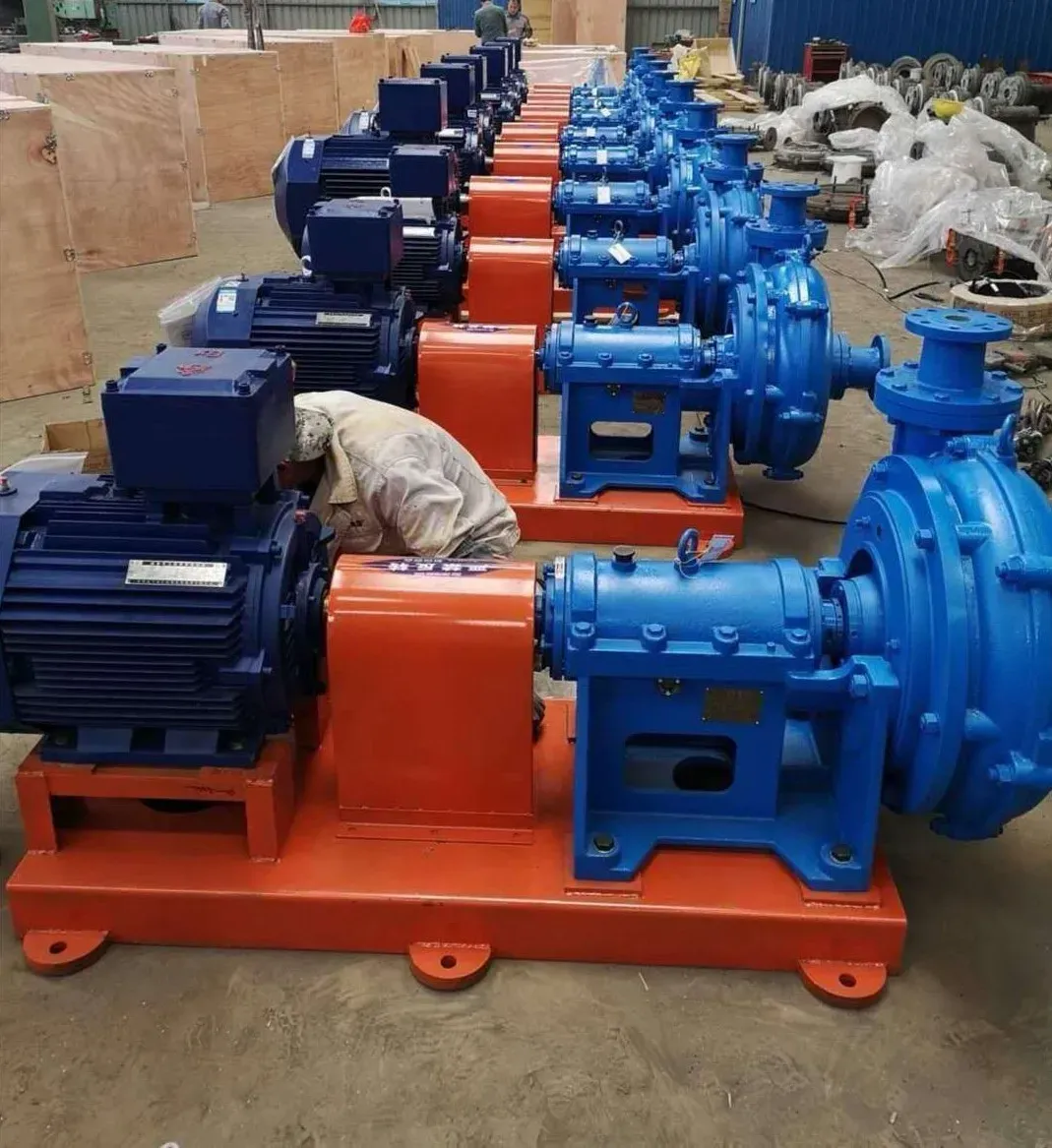
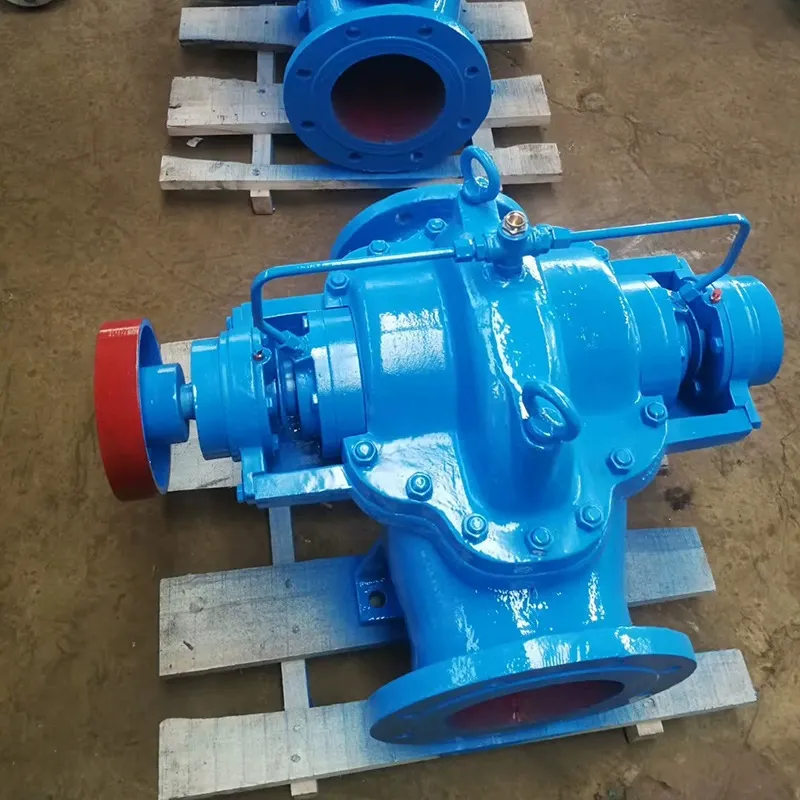
The mixed flow pump is a dynamic centrifugal pump characterized by its ability to deliver fluid with a discharge head and flow rate intermediate between those of a radial-flow and an axial-flow pump. Positioned strategically within the industrial fluid handling chain, it finds application in diverse sectors including wastewater treatment, irrigation, power generation, and industrial process water circulation. Its core performance characteristics – high flow rate, moderate head, and relatively high efficiency – make it a preferred choice where significant fluid volumes need to be moved efficiently against moderate resistance. The design combines aspects of both radial and axial flow, leveraging impeller blade geometry to impart both centrifugal force and axial thrust to the fluid, resulting in a combined flow pattern. A key industry pain point is selecting the correct impeller profile and pump speed to optimize efficiency for a specific application's head-flow curve. Improper selection leads to energy waste, cavitation, and reduced component lifespan.
Material Science & Manufacturing
The primary material for mixed flow pump construction is typically cast iron (ASTM A48 Class 30) due to its cost-effectiveness and good corrosion resistance in many applications. However, for aggressive fluids or marine environments, materials like stainless steel (316L, offering superior chloride resistance) and duplex stainless steels (UNS S31803, providing even higher strength and corrosion resistance) are employed. Impeller materials commonly include bronze (C83600) for its wear resistance and low cavitation susceptibility, or high-chrome cast iron for abrasive slurry applications. Manufacturing involves several critical steps. Impeller casting requires precise mold design and controlled solidification to minimize porosity and ensure accurate blade profiles. Welding of pump casings necessitates qualified procedures (AWS D1.1) and non-destructive testing (NDT) – radiographic testing (RT) and ultrasonic testing (UT) – to verify weld integrity and prevent cracking. Shaft material selection, often alloy steel (4140), demands careful heat treatment (quenching and tempering) to achieve optimal hardness and tensile strength. Surface treatments like epoxy coatings are frequently applied to pump casings to enhance corrosion protection. Key parameter control during manufacturing focuses on impeller balancing (to minimize vibration), casing dimensional accuracy (to maintain proper clearances), and shaft straightness (to prevent bearing wear). Chemical compatibility is paramount; the pump materials must be resistant to degradation from the pumped fluid. For example, pumping hydrocarbons requires materials resistant to swelling and cracking.
Performance & Engineering
Performance analysis of mixed flow pumps hinges on understanding the relationship between flow rate (Q), head (H), and power consumption (P), often represented by the pump’s performance curve. Force analysis involves considering hydraulic forces acting on the impeller blades, radial forces on the shaft, and axial thrust. Bearing selection (typically rolling element bearings) must account for these forces and ensure adequate fatigue life (L10 life). Environmental resistance is critical; pumps operating outdoors require robust sealing systems (mechanical seals conforming to API 682) to prevent ingress of moisture and contaminants. Cavitation is a major concern. Net Positive Suction Head Required (NPSHr) – a pump characteristic – must be less than the Net Positive Suction Head Available (NPSHa) in the system to avoid vapor bubble formation and subsequent impeller erosion. Pump efficiency is affected by impeller design, blade angle, and internal clearances. Computational Fluid Dynamics (CFD) simulations are routinely employed to optimize impeller geometry and minimize hydraulic losses. Compliance requirements include adherence to hydraulic institute standards (HI), and potentially local regulations regarding energy efficiency and noise emissions. The Vaneless diffuser design is a key engineering aspect to convert kinetic energy into pressure energy.
Technical Specifications
| Parameter | Unit | Typical Value (Small Pump) | Typical Value (Large Pump) |
|---|---|---|---|
| Flow Rate | m³/h | 50 | 1500 |
| Head | m | 10 | 40 |
| Power | kW | 3 | 150 |
| Impeller Diameter | mm | 200 | 800 |
| Pump Speed | RPM | 1450 | 750 |
| Suction Pipe Diameter | mm | 50 | 300 |
Failure Mode & Maintenance
Common failure modes in mixed flow pumps include impeller erosion due to abrasive particles in the fluid, bearing failure caused by misalignment or insufficient lubrication, shaft corrosion, seal leakage leading to fluid loss and potential motor damage, and cavitation erosion. Fatigue cracking can occur in the impeller and casing due to cyclic loading. Delamination of protective coatings exposes the underlying metal to corrosion. Degradation of elastomer components in seals can lead to reduced sealing effectiveness. Oxidation of metallic components can weaken structural integrity. Failure analysis often involves visual inspection, non-destructive testing (dye penetrant testing, ultrasonic testing), and metallurgical examination. Preventative maintenance is crucial. Regular lubrication of bearings (following manufacturer’s recommendations), seal inspection and replacement, impeller cleaning to remove deposits, and alignment checks are essential. Vibration analysis can detect early signs of bearing wear or imbalance. Periodic inspection of the pump casing for corrosion and erosion is also recommended. For severe corrosion, consider cathodic protection. Scheduled overhaul, including impeller replacement and casing repair, should be performed based on operating hours and fluid conditions. Proper system design, including adequate strainers and filters, minimizes abrasive wear.
Industry FAQ
Q: What is the primary difference between a mixed flow pump and a centrifugal pump in terms of application?
A: Centrifugal pumps are best suited for high head, low flow applications, whereas mixed flow pumps excel in applications requiring moderate head and high flow. Mixed flow pumps are preferred when efficiently moving large volumes of fluid against moderate resistance, such as in irrigation or wastewater treatment, while centrifugal pumps are better for applications like boosting water pressure in pipelines.
Q: How does impeller design influence the efficiency of a mixed flow pump?
A: Impeller blade angle, number of blades, and profile significantly impact pump efficiency. An optimized blade angle ensures efficient energy transfer to the fluid, minimizing hydraulic losses. The number of blades affects the flow pattern and head developed. CFD analysis is used to refine the impeller design for maximum efficiency for a specific operating point.
Q: What materials should be specified for a mixed flow pump handling seawater?
A: Seawater’s high chloride content necessitates the use of corrosion-resistant materials. Stainless steel (316L) is a common choice, but duplex stainless steels (UNS S31803) or even super duplex stainless steels offer superior corrosion resistance, particularly in aggressive seawater environments. Special attention should be paid to seal materials, opting for those compatible with saltwater.
Q: What are the key indicators of cavitation in a mixed flow pump and how can it be mitigated?
A: Indicators include a noisy operation (a rattling sound), reduced pump performance, and impeller erosion. Mitigation involves ensuring sufficient NPSHa, reducing suction pipe losses, increasing suction pipe diameter, lowering pump speed, or selecting a pump with a lower NPSHr.
Q: What maintenance practices are crucial for extending the lifespan of a mixed flow pump’s mechanical seal?
A: Regularly inspect the seal for leakage or signs of wear. Ensure proper lubrication of the seal faces. Maintain clean fluid conditions by using appropriate filtration systems. Verify proper shaft alignment and minimize vibration, as both contribute to seal failure. Periodic seal flushing can remove abrasive particles and dissipate heat.
Conclusion
The mixed flow pump stands as a vital component in numerous industrial fluid handling systems, offering an optimal balance between flow rate and head. Successful implementation relies heavily on meticulous material selection, precise manufacturing processes, and a thorough understanding of performance characteristics and potential failure modes. Proper maintenance protocols, incorporating regular inspection and preventative measures, are essential for maximizing pump lifespan and ensuring reliable operation.
Future developments in mixed flow pump technology are focused on enhancing efficiency through advanced impeller designs, incorporating smart monitoring systems for predictive maintenance, and developing new materials that offer increased corrosion resistance and durability. Optimizing pump performance through variable frequency drives (VFDs) will also continue to be a key area of focus, enabling energy savings and improved process control.
-
Precision at the Pump: How Better Machining Protects Flow and Uptime
News2026-11-20
-
Why Pump Reliability Begins Before the First Drop of Fluid
News2026-11-20
-
Beyond the Pump: Designing Safer Access Around Critical Water Infrastructure
News2026-11-20
-
Why Pumping Stations Depend on the Infrastructure Beneath the Pumps
News2026-11-20
-
Beyond the Pump Room: How Smarter Loading Protects Industrial Equipment
News2026-11-19
-
When Pumps Stop: Designing More Resilient Power for Critical Pumping Systems
News2026-11-19
-
The Hidden Role of Dust and Gas Monitoring in Reliable Pump Operations
News2026-11-19
-
The Hidden Role of Mineral Compounds in Extending Industrial Pump Lifespan
News2026-10-12
-
Why Pump System Reliability Depends on Precision Hose Assembly Methods
News2026-09-15
-
How Advanced Imaging Films Are Transforming Pump Component Quality Control
News2026-08-25
-
How Advanced Filtration Protects Pump Systems from Premature Wear and Costly Downtime
News2026-08-25
-
How Steel Material Selection Drives Pump Reliability in Heavy-Duty Systems
News2026-08-25
-
Ensuring Pump System Efficiency: The Role of High-Quality Pipe Fittings and Tubing
News2026-08-24
-
Optimizing Fluid Dynamics and Material Consistency in Industrial Processing
News2026-08-18
-
Innovations and Challenges in Hydraulic Systems for Heavy Machinery
News2026-08-13




