English
- Afrikaans
- Albanian
- Amharic
- Arabic
- Armenian
- Azerbaijani
- Basque
- Belarusian
- Bengali
- Bosnian
- Bulgarian
- Catalan
- Cebuano
- Corsican
- Croatian
- Czech
- Danish
- Dutch
- English
- Esperanto
- Estonian
- Finnish
- French
- Frisian
- Galician
- Georgian
- German
- Greek
- Gujarati
- Haitian Creole
- hausa
- hawaiian
- Hebrew
- Hindi
- Miao
- Hungarian
- Icelandic
- igbo
- Indonesian
- irish
- Italian
- Japanese
- Javanese
- Kannada
- kazakh
- Khmer
- Rwandese
- Korean
- Kurdish
- Kyrgyz
- Lao
- Latin
- Latvian
- Lithuanian
- Luxembourgish
- Macedonian
- Malgashi
- Malay
- Malayalam
- Maltese
- Maori
- Marathi
- Mongolian
- Myanmar
- Nepali
- Norwegian
- Norwegian
- Occitan
- Pashto
- Persian
- Polish
- Portuguese
- Punjabi
- Romanian
- Russian
- Samoan
- Scottish Gaelic
- Serbian
- Sesotho
- Shona
- Sindhi
- Sinhala
- Slovak
- Slovenian
- Somali
- Spanish
- Sundanese
- Swahili
- Swedish
- Tagalog
- Tajik
- Tamil
- Tatar
- Telugu
- Thai
- Turkish
- Turkmen
- Ukrainian
- Urdu
- Uighur
- Uzbek
- Vietnamese
- Welsh
- Bantu
- Yiddish
- Yoruba
- Zulu

Telephone: +86 13120555503
Email: frank@cypump.com


Apr . 01, 2024 17:55 Back to list
mixed flow pump impeller Performance Analysis
Introduction
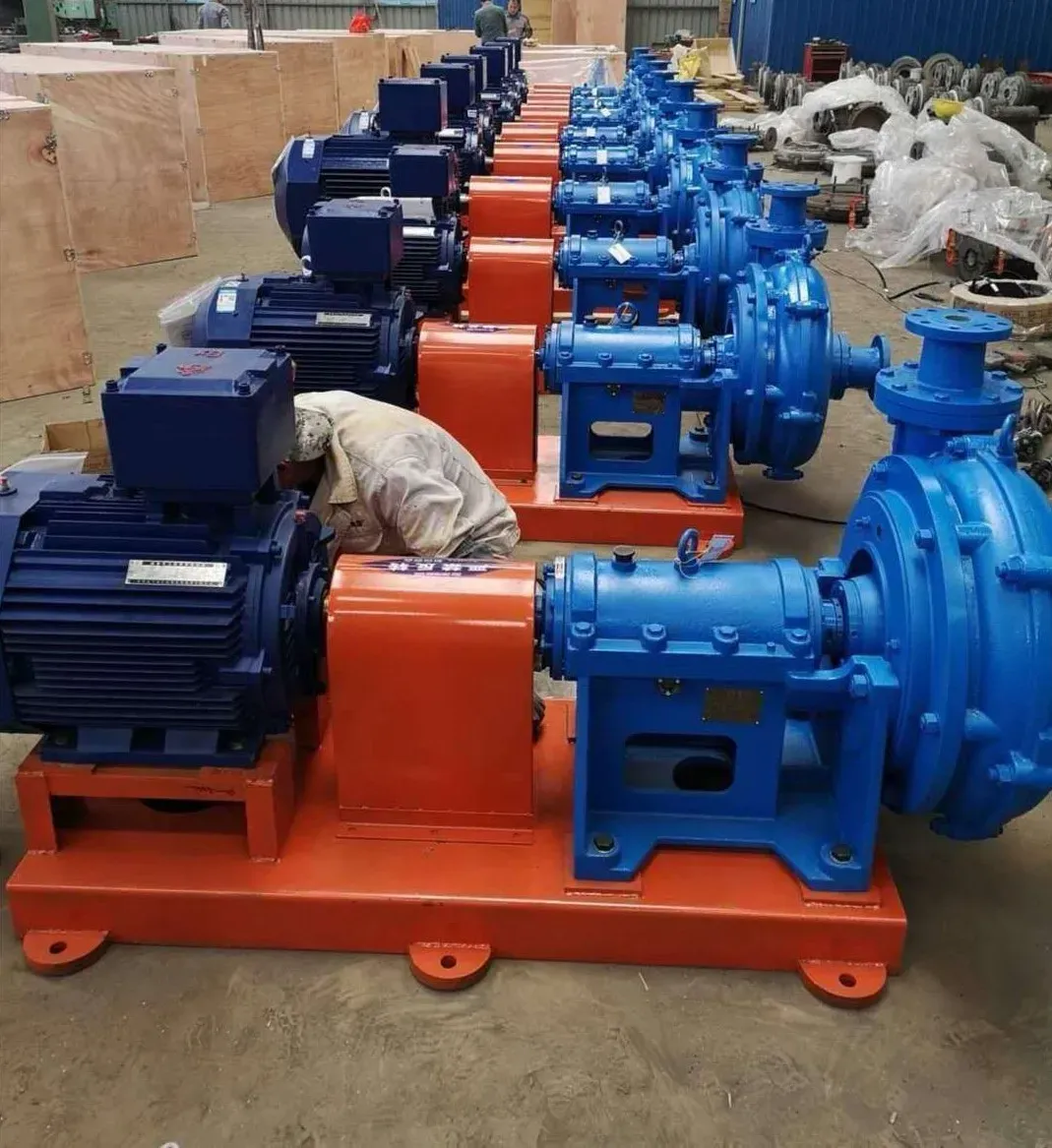
The mixed flow pump impeller is a crucial component in pumps designed to deliver fluids at medium head and flow rates. Positioned between centrifugal and axial pump designs, it combines characteristics of both, offering a compromise between pressure generation and volumetric flow. Its primary function is to convert rotational kinetic energy into hydrodynamic energy, thereby increasing the fluid’s pressure and velocity. Within the industrial pump chain, the impeller represents the core hydraulic element, directly impacting pump efficiency, reliability, and operational lifespan. Core performance characteristics include specific speed, head-flow curve, and efficiency, all heavily influenced by impeller geometry, material selection, and manufacturing precision. A key industry pain point lies in balancing impeller durability with hydraulic performance, especially when handling abrasive or corrosive fluids. Optimizing impeller design for cavitation resistance and minimizing energy losses are also paramount concerns for operators and engineers.
Material Science & Manufacturing
Mixed flow pump impellers are commonly manufactured from a range of materials, each offering unique properties. Cast iron (ASTM A48 Class 30) provides good abrasion resistance and cost-effectiveness, frequently used in water and wastewater applications. Stainless steel (304, 316, or duplex grades conforming to ASTM A743) is favored for corrosive environments, offering superior resistance to chemical attack. For high-temperature applications, alloys like Hastelloy (ASTM B333) are employed, though at a significant cost premium. The manufacturing process typically involves investment casting, sand casting, or, for smaller impellers, precision machining from solid billets. Investment casting yields the most complex geometries with excellent surface finish, but is more expensive. Sand casting is cost-effective for larger impellers, however requires subsequent machining to achieve tight tolerances. Key parameters during manufacturing include mold accuracy, alloy composition verification (using techniques like Optical Emission Spectroscopy), and heat treatment to achieve desired hardness and tensile strength. Welding, if employed for impeller repair or fabrication of complex designs, necessitates stringent quality control including radiographic inspection (ASTM E94) and penetration testing (ASTM E165) to ensure structural integrity. Surface treatments like epoxy coatings or hard chrome plating are used to further enhance corrosion and erosion resistance. Careful control of cooling rates during heat treatment is critical to prevent distortion and maintain dimensional stability.
Performance & Engineering
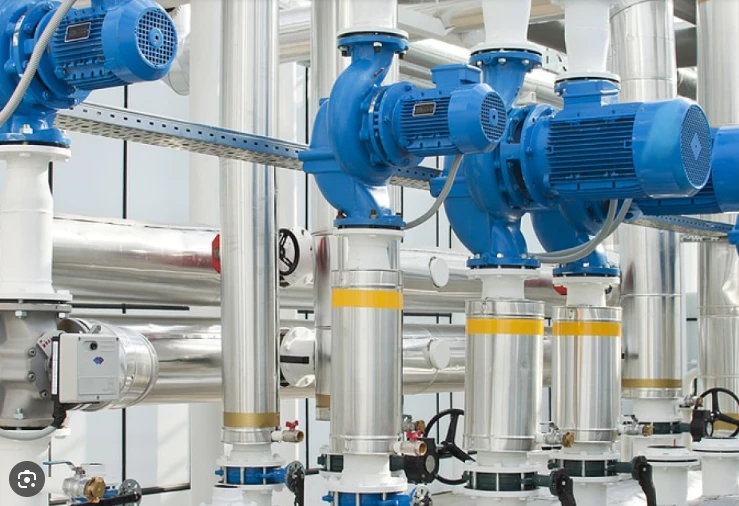
The performance of a mixed flow pump impeller is governed by complex fluid dynamics. Force analysis focuses on centrifugal forces induced by rotation, fluid pressure on the impeller blades, and shear stresses. Blade angle, blade number, and impeller diameter significantly influence head, flow rate, and efficiency. Computational Fluid Dynamics (CFD) modeling is crucial for optimizing impeller geometry to minimize turbulence and maximize hydraulic performance. Environmental resistance considerations include cavitation, erosion, and corrosion. Cavitation, caused by pressure drops below the liquid's vapor pressure, leads to impeller damage and reduced efficiency. Increasing suction head, reducing impeller speed, and employing cavitation-resistant materials (like stainless steel) are mitigation strategies. Erosion, particularly when handling abrasive slurries, necessitates wear-resistant coatings and careful material selection. Compliance requirements vary based on application; for example, pumps used in potable water systems must conform to NSF/ANSI 61 standards, ensuring materials are safe for contact with drinking water. ATEX directives (EN 60079) apply to pumps used in potentially explosive atmospheres, requiring specific design features and certification to prevent ignition sources. Proper impeller balancing (ISO 1940-1) is paramount to minimize vibration and extend bearing life.
Technical Specifications
| Impeller Diameter (mm) | Number of Blades | Specific Speed (Ns) | Maximum Head (m) |
|---|---|---|---|
| 200 | 5 | 120-180 | 25 |
| 300 | 6 | 150-220 | 40 |
| 400 | 7 | 180-280 | 60 |
| 500 | 8 | 220-350 | 80 |
| 600 | 9 | 280-400 | 100 |
| 700 | 10 | 350-500 | 120 |
Failure Mode & Maintenance
Common failure modes for mixed flow pump impellers include fatigue cracking, erosion, corrosion, and cavitation damage. Fatigue cracking typically originates at stress concentration points, such as blade roots or weldments, and propagates under cyclical loading. Erosion is caused by the impact of solid particles in the fluid, gradually wearing away the impeller material. Corrosion arises from electrochemical reactions between the impeller material and the fluid, leading to material degradation. Cavitation damage manifests as pitting and surface deformation due to the implosion of vapor bubbles. Failure analysis techniques include visual inspection, dye penetrant testing (ASTM E165), ultrasonic testing (ASTM E797), and metallographic examination to identify the root cause of failure. Preventive maintenance involves regular inspection for signs of wear, corrosion, or cracking. Balancing the impeller periodically (ISO 1940-1) is essential to minimize vibration. For severely worn or damaged impellers, repair options include welding (followed by post-weld heat treatment and non-destructive testing) or complete replacement. Implementing appropriate filtration systems to remove abrasive particles from the fluid can significantly extend impeller lifespan. Proper lubrication of pump bearings and seals also contributes to overall system reliability.
Industry FAQ
Q: What material is best suited for a mixed flow pump impeller handling seawater?
A: For seawater applications, duplex stainless steel (e.g., UNS S31803 or S32205) is generally the most suitable material. It offers superior resistance to chloride-induced pitting and crevice corrosion compared to standard 316 stainless steel. Nickel alloys like Hastelloy can be considered for particularly aggressive environments, but are considerably more expensive.
Q: How can I minimize cavitation damage in my pump system?
A: Several strategies can reduce cavitation risk. Increasing the Net Positive Suction Head Available (NPSHa) is crucial. Reducing impeller speed, optimizing impeller design for lower pressure drops, and ensuring proper system piping to minimize flow restrictions can also help. Regular monitoring of pump vibration is an indicator of cavitation onset.
Q: What is the impact of impeller imbalance on pump performance and lifespan?
A: Impeller imbalance causes vibration, which leads to increased bearing wear, seal failure, and potential damage to the pump casing. It also reduces pump efficiency and increases energy consumption. Regular dynamic balancing (ISO 1940-1) is essential for maintaining optimal performance and extending pump lifespan.
Q: What are the common causes of erosion in mixed flow pump impellers?
A: Erosion is primarily caused by the impact of abrasive particles (sand, grit, etc.) in the pumped fluid. The severity of erosion depends on particle size, concentration, velocity, and the impeller material's hardness. Implementing appropriate filtration systems and selecting wear-resistant materials (e.g., hard iron, ceramic coatings) are effective mitigation strategies.
Q: What non-destructive testing (NDT) methods are recommended for impeller inspection?
A: Dye penetrant testing (ASTM E165) is effective for detecting surface cracks. Ultrasonic testing (ASTM E797) can detect both surface and subsurface defects. Radiographic inspection (ASTM E94) is used for weld inspection. Visual inspection is always the first step in identifying potential problems.
Conclusion
The mixed flow pump impeller represents a critical engineering component requiring careful consideration of material science, manufacturing processes, and operational parameters. Balancing hydraulic performance with durability and resistance to environmental factors is essential for ensuring reliable and efficient pump operation. Optimized impeller design, coupled with appropriate material selection and robust maintenance practices, are key to maximizing lifespan and minimizing lifecycle costs.
Future advancements in impeller technology will likely focus on utilizing additive manufacturing techniques for creating complex geometries and incorporating advanced materials with enhanced wear and corrosion resistance. Further development of CFD modeling capabilities will enable even more precise optimization of impeller designs for specific applications, leading to improved pump efficiency and reduced energy consumption. Continued adherence to relevant international standards remains paramount for ensuring the safety and reliability of these critical components.
-
Precision at the Pump: How Better Machining Protects Flow and Uptime
News2026-11-20
-
Why Pump Reliability Begins Before the First Drop of Fluid
News2026-11-20
-
Beyond the Pump: Designing Safer Access Around Critical Water Infrastructure
News2026-11-20
-
Why Pumping Stations Depend on the Infrastructure Beneath the Pumps
News2026-11-20
-
Beyond the Pump Room: How Smarter Loading Protects Industrial Equipment
News2026-11-19
-
When Pumps Stop: Designing More Resilient Power for Critical Pumping Systems
News2026-11-19
-
The Hidden Role of Dust and Gas Monitoring in Reliable Pump Operations
News2026-11-19
-
The Hidden Role of Mineral Compounds in Extending Industrial Pump Lifespan
News2026-10-12
-
Why Pump System Reliability Depends on Precision Hose Assembly Methods
News2026-09-15
-
How Advanced Imaging Films Are Transforming Pump Component Quality Control
News2026-08-25
-
How Advanced Filtration Protects Pump Systems from Premature Wear and Costly Downtime
News2026-08-25
-
How Steel Material Selection Drives Pump Reliability in Heavy-Duty Systems
News2026-08-25
-
Ensuring Pump System Efficiency: The Role of High-Quality Pipe Fittings and Tubing
News2026-08-24
-
Optimizing Fluid Dynamics and Material Consistency in Industrial Processing
News2026-08-18
-
Innovations and Challenges in Hydraulic Systems for Heavy Machinery
News2026-08-13




