English
- Afrikaans
- Albanian
- Amharic
- Arabic
- Armenian
- Azerbaijani
- Basque
- Belarusian
- Bengali
- Bosnian
- Bulgarian
- Catalan
- Cebuano
- Corsican
- Croatian
- Czech
- Danish
- Dutch
- English
- Esperanto
- Estonian
- Finnish
- French
- Frisian
- Galician
- Georgian
- German
- Greek
- Gujarati
- Haitian Creole
- hausa
- hawaiian
- Hebrew
- Hindi
- Miao
- Hungarian
- Icelandic
- igbo
- Indonesian
- irish
- Italian
- Japanese
- Javanese
- Kannada
- kazakh
- Khmer
- Rwandese
- Korean
- Kurdish
- Kyrgyz
- Lao
- Latin
- Latvian
- Lithuanian
- Luxembourgish
- Macedonian
- Malgashi
- Malay
- Malayalam
- Maltese
- Maori
- Marathi
- Mongolian
- Myanmar
- Nepali
- Norwegian
- Norwegian
- Occitan
- Pashto
- Persian
- Polish
- Portuguese
- Punjabi
- Romanian
- Russian
- Samoan
- Scottish Gaelic
- Serbian
- Sesotho
- Shona
- Sindhi
- Sinhala
- Slovak
- Slovenian
- Somali
- Spanish
- Sundanese
- Swahili
- Swedish
- Tagalog
- Tajik
- Tamil
- Tatar
- Telugu
- Thai
- Turkish
- Turkmen
- Ukrainian
- Urdu
- Uighur
- Uzbek
- Vietnamese
- Welsh
- Bantu
- Yiddish
- Yoruba
- Zulu

Telephone: +86 13120555503
Email: frank@cypump.com


Apr . 01, 2024 17:55 Back to list
Mixed Flow Pump Hydraulic Performance Analysis
Introduction
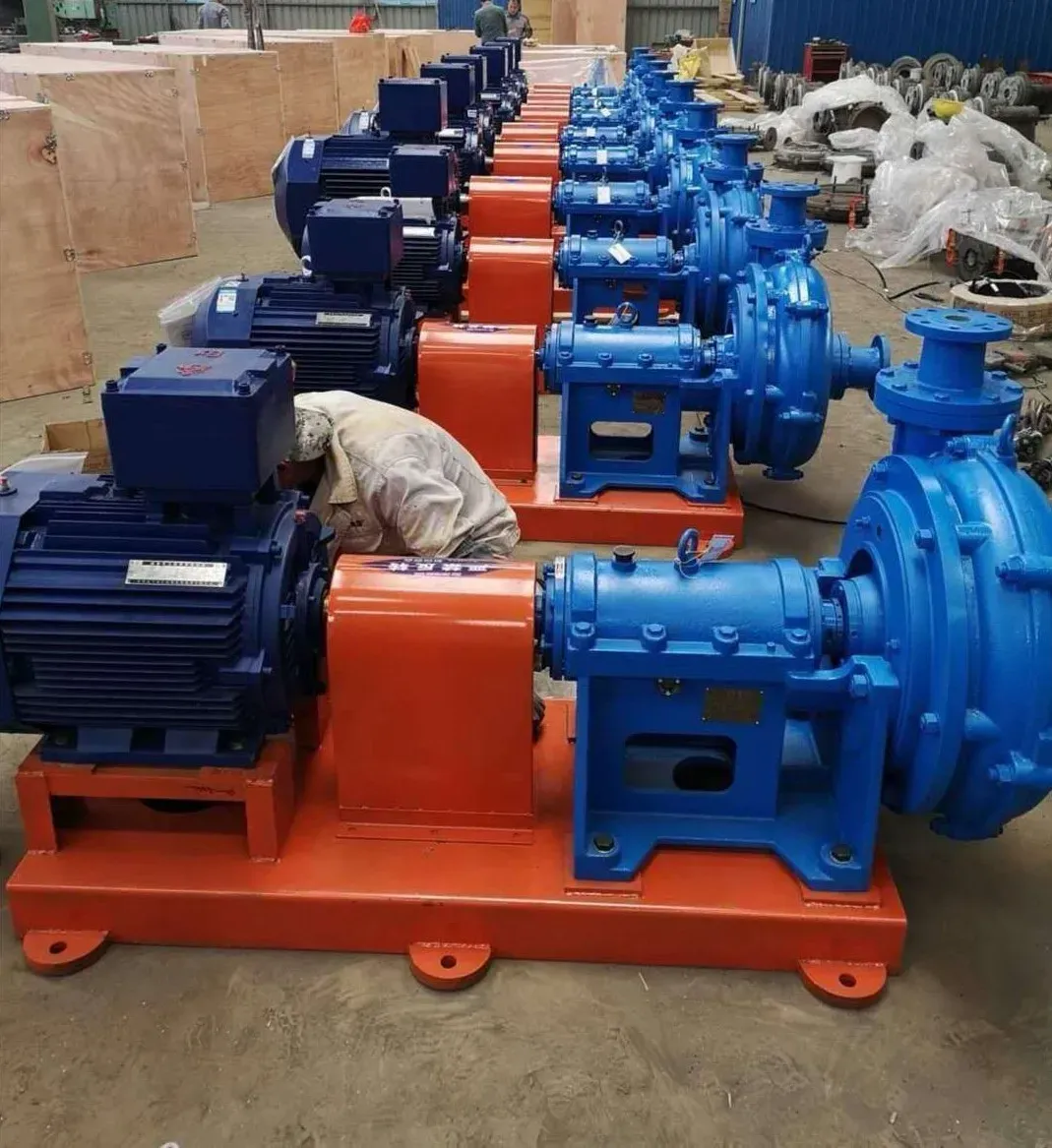
The mixed flow pump is a dynamic centrifugal pump characterized by its unique impeller design and volute casing geometry. Positioned within the industrial fluid transfer chain between radial and axial flow pumps, it delivers a hydraulic performance profile exhibiting characteristics of both. Unlike purely radial pumps which impart primarily centrifugal force, and axial pumps which move fluid parallel to the impeller shaft, the mixed flow pump imparts both axial and radial forces to the fluid. This results in higher head development than axial flow pumps at a given flow rate, and higher flow rates than radial flow pumps at a given head. Core performance indicators include flow rate (typically ranging from 100 to 10,000 m³/hr), head (ranging from 1 to 40 meters depending on impeller design and operating speed), and efficiency (ranging from 70% to 85% depending on the specific application and design parameters). The pump is widely employed in applications such as irrigation, drainage, municipal water supply, cooling water circulation, and low-lift pumping stations. A primary industry pain point is optimizing impeller geometry to balance head and flow requirements for specific application needs, leading to inefficiencies if not properly addressed. Furthermore, cavitation and erosion are constant concerns requiring careful material selection and operational monitoring.
Material Science & Manufacturing
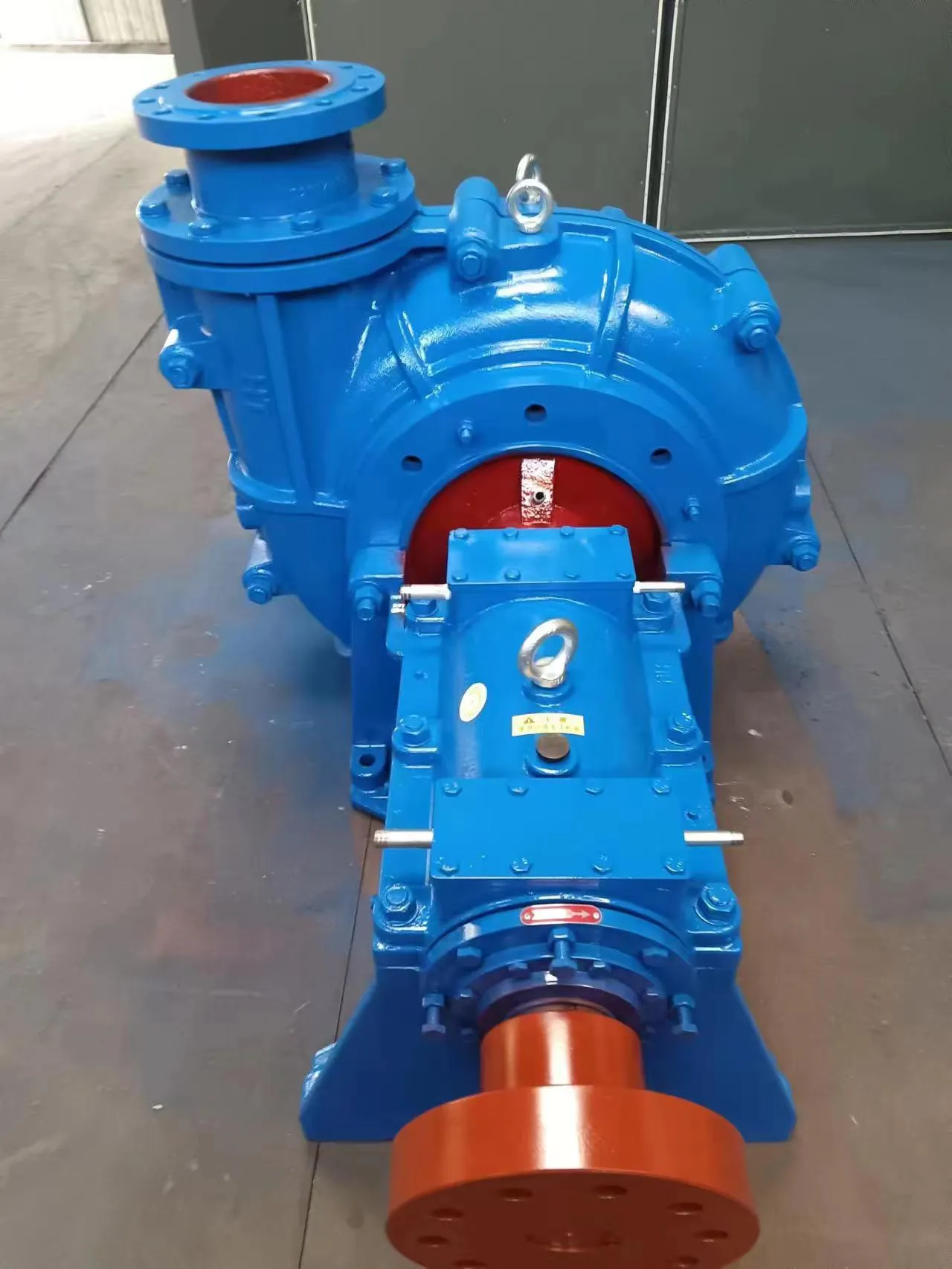
The construction of a mixed flow pump necessitates materials with high corrosion resistance, mechanical strength, and erosion resistance. Common materials include cast iron (ASTM A48 Class 30 for general-purpose applications), stainless steel (304, 316, and duplex stainless steels for corrosive environments, adhering to ASTM A240 standards), and bronze (for impellers requiring superior erosion resistance, conforming to ASTM B148). The impeller, the heart of the pump, is typically manufactured using investment casting or sand casting followed by precision machining. Impeller design requires meticulous control of blade angles, blade thickness, and hub geometry. Manufacturing tolerances are crucial; deviations can significantly impact hydraulic performance. The pump casing is often manufactured using sand casting or shell molding. Parameter control during casting is critical to minimize porosity and ensure structural integrity. Welding (AWS D1.1 for steel components) is used for joining casing sections, requiring qualified welders and rigorous non-destructive testing (NDT) such as radiographic testing (RT) and ultrasonic testing (UT) to ensure weld quality. Surface treatments like epoxy coating (conforming to ISO 12944) are commonly applied to the casing to enhance corrosion resistance. Shaft materials typically comprise alloy steel (4140 or 4340, compliant with ASTM A29/A29M), which is hardened and tempered to achieve high tensile strength and fatigue resistance. Proper heat treatment (following AMS 2750 standards) is vital to optimize material properties.
Performance & Engineering
Mixed flow pump performance is governed by the principles of fluid dynamics, specifically the Euler turbine equation and the Navier-Stokes equations. Force analysis focuses on balancing the hydraulic forces acting on the impeller, shaft, and casing. Centrifugal and axial thrust forces are calculated to ensure minimal bearing loads and prevent shaft deflection. Environmental resistance is a key design consideration. Pumps operating in corrosive environments require careful material selection and protective coatings. Temperature extremes can affect material properties and seal performance; therefore, thermal analysis (using Finite Element Analysis - FEA software) is performed to ensure structural integrity across the operating temperature range. Compliance requirements vary by region and application. For potable water applications, pumps must comply with NSF/ANSI 61 standards for material safety. For wastewater applications, compliance with local environmental regulations is crucial. Functional implementation necessitates careful selection of motor size, coupling type, and control systems. Variable Frequency Drives (VFDs) are often employed to optimize pump performance and reduce energy consumption. Pump characteristic curves (head-flow, power-flow, efficiency-flow) are generated through hydraulic testing (following ISO 9906 standards) to ensure the pump meets the required performance specifications. Cavitation prevention is paramount; Net Positive Suction Head Required (NPSHr) must be carefully calculated and compared to the Net Positive Suction Head Available (NPSHa) to avoid pump damage.
Technical Specifications
| Parameter | Unit | Typical Range (Small Pump) | Typical Range (Large Pump) |
|---|---|---|---|
| Flow Rate | m³/hr | 20-500 | 500-10,000 |
| Head | m | 2-10 | 10-40 |
| Impeller Diameter | mm | 150-300 | 300-800 |
| Power | kW | 1.5-10 | 10-200 |
| Efficiency | % | 70-80 | 75-85 |
| Maximum Solid Handling | mm | 5-10 | 10-50 |
Failure Mode & Maintenance
Common failure modes in mixed flow pumps include impeller cavitation (due to low NPSHa, manifesting as pitting and erosion), bearing failure (resulting from excessive loads or inadequate lubrication), shaft cracking (induced by fatigue or corrosion), and seal leakage (caused by wear or improper installation). Cavitation leads to localized high stresses, causing material removal. Fatigue cracking can occur in the impeller blades due to cyclic loading. Delamination of coatings can occur due to poor adhesion or chemical attack. Oxidation and corrosion are prevalent in pumps handling corrosive fluids. Preventive maintenance is crucial for extending pump life. Regular monitoring of vibration levels (using ISO 10816 standards) can detect bearing wear or impeller imbalance. Periodic inspection of the impeller and casing for signs of erosion or corrosion is essential. Lubrication of bearings should be performed according to manufacturer recommendations (utilizing appropriate grease grades conforming to NLGI standards). Seals should be inspected and replaced as needed. Regular alignment checks of the pump and motor (following ISO 1940-1) are vital to minimize vibration and bearing loads. In case of cavitation damage, impeller repair or replacement may be necessary. For corrosion-related failures, material upgrades or protective coatings should be considered. Scheduled pump overhaul and component replacement based on operational hours and performance data is a best practice.
Industry FAQ
Q: What is the primary difference between a mixed flow pump and a centrifugal pump in terms of specific speed?
A: Specific speed (Ns) is a dimensionless parameter that characterizes the pump's geometry and performance. Centrifugal pumps typically have lower specific speeds (under 80), indicating a predominantly radial flow, while axial flow pumps have higher specific speeds (over 10,000), indicating primarily axial flow. Mixed flow pumps fall within the intermediate range (approximately 80-10,000), demonstrating a combination of radial and axial flow characteristics. This translates to a different head-flow curve and suitability for various applications.
Q: How does impeller trim affect the pump's performance curve?
A: Impeller trimming reduces the impeller diameter, lowering both the head and flow rate produced by the pump. The pump curve shifts downwards, resulting in reduced efficiency at the original operating point. While trimming can be used to match the pump performance to a specific system requirement, excessive trimming can significantly degrade pump efficiency and increase the risk of cavitation.
Q: What materials are best suited for a mixed flow pump handling seawater?
A: Seawater is highly corrosive due to its chloride content. For seawater applications, duplex stainless steels (e.g., 2205, 2507 conforming to ASTM A240) or high-nickel alloys (e.g., Alloy 20) are recommended for wetted parts, including the impeller, casing, and shaft. Sacrificial anodes (e.g., zinc or aluminum) may also be used to provide cathodic protection.
Q: What are the key considerations for selecting a VFD for a mixed flow pump?
A: Key considerations include the pump’s motor horsepower, voltage requirements, and operating speed range. The VFD must be properly sized to handle the pump’s starting current and provide smooth speed control. Harmonic filtering may be required to mitigate electromagnetic interference. It's important to ensure the VFD is compatible with the pump's motor type and control system.
Q: What diagnostic tools can be used to identify the root cause of pump vibration?
A: Vibration analysis is the primary diagnostic tool. Techniques include FFT (Fast Fourier Transform) analysis to identify the frequency components of the vibration, waveform analysis to assess vibration shape, and phase analysis to determine the source of the vibration. Other tools include oil analysis to detect bearing wear particles, and thermal imaging to identify hot spots indicating potential problems.
Conclusion
The mixed flow pump represents a versatile solution for a wide range of fluid transfer applications, bridging the performance gap between radial and axial designs. Its effectiveness is deeply rooted in precise material selection, advanced manufacturing techniques, and a thorough understanding of hydraulic principles. Optimizing impeller geometry and implementing robust preventive maintenance programs are crucial for ensuring long-term reliability and efficiency.
Looking ahead, advancements in computational fluid dynamics (CFD) and materials science promise further improvements in mixed flow pump performance and durability. The integration of smart sensors and predictive maintenance algorithms will enable proactive identification of potential failures, minimizing downtime and maximizing operational lifespan. Continued adherence to industry standards and best practices will solidify the mixed flow pump’s position as a cornerstone of industrial fluid handling systems.
-
Precision at the Pump: How Better Machining Protects Flow and Uptime
News2026-11-20
-
Why Pump Reliability Begins Before the First Drop of Fluid
News2026-11-20
-
Beyond the Pump: Designing Safer Access Around Critical Water Infrastructure
News2026-11-20
-
Why Pumping Stations Depend on the Infrastructure Beneath the Pumps
News2026-11-20
-
Beyond the Pump Room: How Smarter Loading Protects Industrial Equipment
News2026-11-19
-
When Pumps Stop: Designing More Resilient Power for Critical Pumping Systems
News2026-11-19
-
The Hidden Role of Dust and Gas Monitoring in Reliable Pump Operations
News2026-11-19
-
The Hidden Role of Mineral Compounds in Extending Industrial Pump Lifespan
News2026-10-12
-
Why Pump System Reliability Depends on Precision Hose Assembly Methods
News2026-09-15
-
How Advanced Imaging Films Are Transforming Pump Component Quality Control
News2026-08-25
-
How Advanced Filtration Protects Pump Systems from Premature Wear and Costly Downtime
News2026-08-25
-
How Steel Material Selection Drives Pump Reliability in Heavy-Duty Systems
News2026-08-25
-
Ensuring Pump System Efficiency: The Role of High-Quality Pipe Fittings and Tubing
News2026-08-24
-
Optimizing Fluid Dynamics and Material Consistency in Industrial Processing
News2026-08-18
-
Innovations and Challenges in Hydraulic Systems for Heavy Machinery
News2026-08-13




