English
- Afrikaans
- Albanian
- Amharic
- Arabic
- Armenian
- Azerbaijani
- Basque
- Belarusian
- Bengali
- Bosnian
- Bulgarian
- Catalan
- Cebuano
- Corsican
- Croatian
- Czech
- Danish
- Dutch
- English
- Esperanto
- Estonian
- Finnish
- French
- Frisian
- Galician
- Georgian
- German
- Greek
- Gujarati
- Haitian Creole
- hausa
- hawaiian
- Hebrew
- Hindi
- Miao
- Hungarian
- Icelandic
- igbo
- Indonesian
- irish
- Italian
- Japanese
- Javanese
- Kannada
- kazakh
- Khmer
- Rwandese
- Korean
- Kurdish
- Kyrgyz
- Lao
- Latin
- Latvian
- Lithuanian
- Luxembourgish
- Macedonian
- Malgashi
- Malay
- Malayalam
- Maltese
- Maori
- Marathi
- Mongolian
- Myanmar
- Nepali
- Norwegian
- Norwegian
- Occitan
- Pashto
- Persian
- Polish
- Portuguese
- Punjabi
- Romanian
- Russian
- Samoan
- Scottish Gaelic
- Serbian
- Sesotho
- Shona
- Sindhi
- Sinhala
- Slovak
- Slovenian
- Somali
- Spanish
- Sundanese
- Swahili
- Swedish
- Tagalog
- Tajik
- Tamil
- Tatar
- Telugu
- Thai
- Turkish
- Turkmen
- Ukrainian
- Urdu
- Uighur
- Uzbek
- Vietnamese
- Welsh
- Bantu
- Yiddish
- Yoruba
- Zulu

Telephone: +86 13120555503
Email: frank@cypump.com


Apr . 01, 2024 17:55 Back to list
Mixed Flow Pump Design Performance Analysis
Introduction
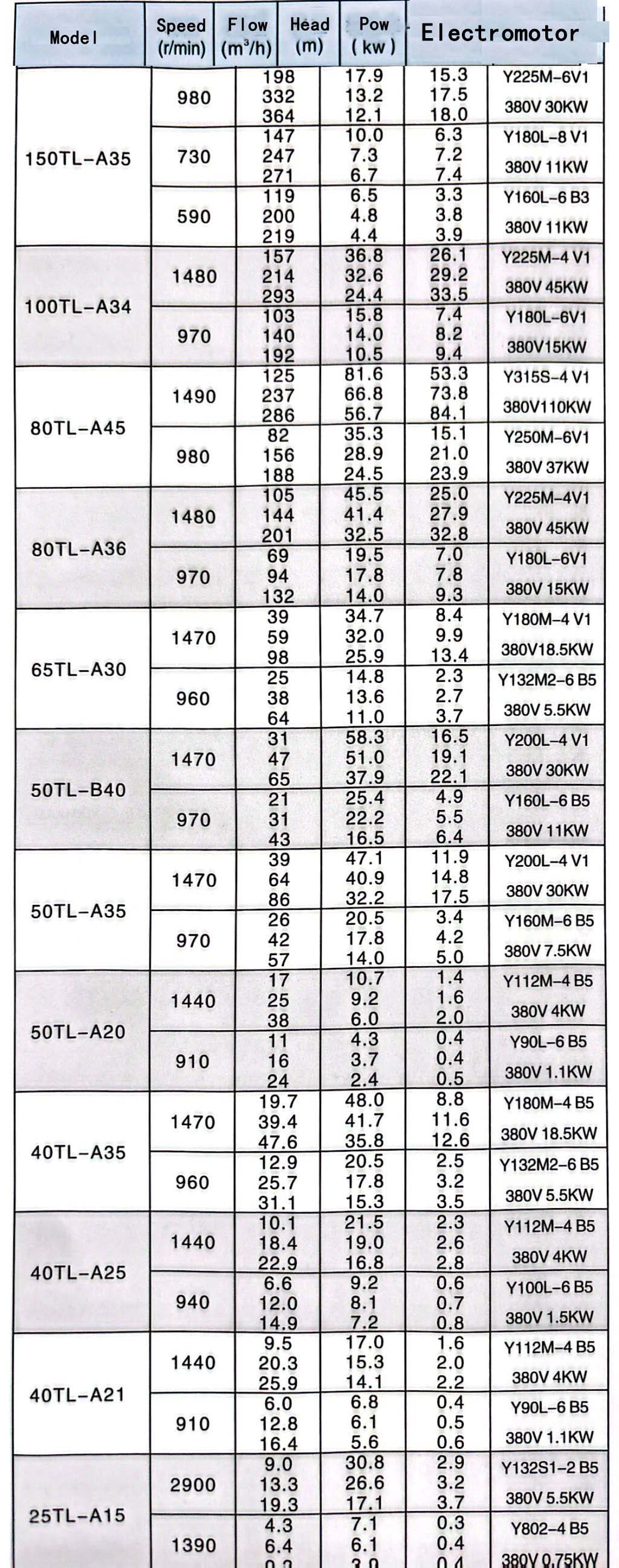
Mixed flow pumps represent a critical component in a wide range of industrial applications, bridging the gap between radial and axial flow designs. Characterized by a combination of centrifugal and propeller action, these pumps offer a balanced performance profile suitable for medium head and high flow rate requirements. They are extensively employed in applications such as water and wastewater treatment, irrigation, power generation (cooling water circulation), and industrial process fluid handling. The technical position within the industry chain places the mixed flow pump as a crucial downstream element, reliant on advancements in motor technology, impeller metallurgy, and seal design for optimal performance and longevity. Core performance characteristics are defined by specific speed, which dictates the balance between head and flow, efficiency, and susceptibility to cavitation. Addressing industry pain points, such as maintaining consistent performance across varying fluid viscosities and minimizing energy consumption, are central to contemporary mixed flow pump development.
Material Science & Manufacturing
The selection of materials for mixed flow pumps is paramount, dictated by the fluid being pumped and the operating environment. Impellers are commonly cast from ductile iron (ASTM A536 Grade 65-45-12) for robust mechanical properties and corrosion resistance, particularly when handling clean water. However, for aggressive fluids, stainless steel alloys (316L, 17-4 PH) are employed, offering superior resistance to chemical attack. Casing materials mirror impeller choices, with ductile iron being prevalent for freshwater applications and stainless steel or specialized alloys (e.g., Hastelloy) for corrosive environments. Shafts typically utilize high-strength alloy steel (e.g., 4140, quenched and tempered) to withstand torsional stress and bending loads. Manufacturing processes for impellers involve precision casting, followed by machining to achieve accurate blade profiles. Critical parameters controlled during impeller casting include mold temperature, cooling rate, and alloy composition to ensure structural integrity and minimize porosity. Casings are typically manufactured via sand casting or investment casting for complex geometries. Welding processes (SMAW, GTAW) are used for joining casing components, requiring strict adherence to welding procedures and non-destructive testing (NDT) – radiography, ultrasonic testing – to prevent defects. Surface treatments, such as epoxy coatings or ceramic linings, are applied to casings to enhance corrosion resistance and reduce friction losses. Bearings utilize specialized high-speed greases with appropriate viscosity and additives to mitigate wear and heat generation.
Performance & Engineering
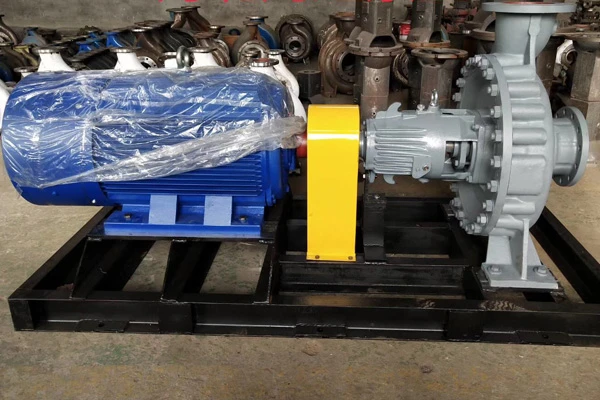
The performance of a mixed flow pump is fundamentally governed by fluid dynamics principles. Force analysis involves evaluating radial and axial thrust forces generated by the impeller, requiring appropriately sized bearings and shaft support structures. Cavitation, a critical failure mechanism, occurs when the absolute pressure within the impeller drops below the vapor pressure of the fluid, forming vapor bubbles that collapse and erode the impeller surface. Net Positive Suction Head Required (NPSHr) is a key parameter that must be meticulously calculated and maintained to prevent cavitation. Environmental resistance considerations include thermal expansion and contraction due to temperature variations, demanding appropriate sealing and alignment strategies. Hydraulic efficiency, a key performance indicator, is maximized through optimized impeller blade geometry and casing design, minimizing flow separation and turbulence. Compliance requirements dictate adherence to standards such as Hydraulic Institute (HI) standards for pump testing and performance classification. The pump’s volute casing is engineered to convert velocity energy into pressure energy efficiently, necessitating precise dimensional tolerances and smooth surface finishes. Finite Element Analysis (FEA) is routinely employed to analyze stress distribution within the impeller and casing, optimizing structural integrity and preventing fatigue failure. Pump curves, representing the relationship between head, flow rate, and efficiency, are generated through rigorous hydraulic testing conforming to ISO 9906 standards.
Technical Specifications
| Parameter | Unit | Typical Value (Low Range) | Typical Value (High Range) |
|---|---|---|---|
| Flow Rate | m³/h | 10 | 1000 |
| Total Head | m | 5 | 80 |
| Specific Speed (Ns) | rpm | 80 | 200 |
| Impeller Diameter | mm | 150 | 800 |
| Power Input | kW | 1.5 | 500 |
| Maximum Solid Handling Size | mm | 0 | 50 |
Failure Mode & Maintenance
Common failure modes in mixed flow pumps include impeller cavitation erosion, bearing failure, shaft misalignment, seal leakage, and casing corrosion. Cavitation erosion manifests as pitting and material loss on the impeller blades, exacerbated by high fluid velocities and inadequate NPSH. Bearing failure can result from lubricant degradation, contamination, or excessive loading, leading to increased vibration and eventual seizure. Shaft misalignment causes increased stress on bearings and seals, accelerating wear and potentially leading to catastrophic failure. Seal leakage occurs due to seal wear, damage, or improper installation, resulting in fluid loss and potential environmental contamination. Casing corrosion is driven by the chemical composition of the pumped fluid and can lead to structural weakening and leakage. Preventative maintenance strategies include regular vibration analysis, lubricant monitoring, impeller inspection (using non-destructive testing), seal replacement based on manufacturer recommendations, and corrosion monitoring. Corrective maintenance involves impeller repair or replacement, bearing replacement, shaft realignment, and seal replacement. Root cause analysis should be performed following any major failure to identify and address underlying issues, such as inadequate NPSH, improper lubrication, or corrosion-inducing fluid conditions. Periodic impeller balancing is crucial to minimize vibration and extend bearing life. Implementing a robust preventative maintenance program based on operating hours and fluid characteristics is essential for maximizing pump uptime and minimizing life-cycle costs.
Industry FAQ
Q: What is the optimal operating range for a mixed flow pump to maximize efficiency?
A: The optimal operating range is typically within 80-110% of the Best Efficiency Point (BEP) as indicated on the pump curve. Operating significantly outside this range leads to increased energy consumption, cavitation risk, and accelerated wear.
Q: How does fluid viscosity affect the performance of a mixed flow pump?
A: Increased fluid viscosity reduces pump head and flow rate, and increases power consumption. Pump curves are typically developed for water-like fluids; adjustments are required for viscous fluids using correction factors outlined in HI standards.
Q: What are the key considerations for selecting a material for a mixed flow pump handling seawater?
A: Seawater is highly corrosive due to chloride content. Materials such as duplex stainless steel, super austenitic stainless steel, or nickel-based alloys are recommended for wetted parts. Cathodic protection may also be necessary.
Q: How can I diagnose cavitation in a mixed flow pump?
A: Common indicators include a characteristic rattling noise, reduced pump performance, and visual evidence of impeller damage (pitting, erosion). Monitoring NPSHa (Net Positive Suction Head Available) and comparing it to NPSHr (Net Positive Suction Head Required) is critical.
Q: What is the typical lifespan of a mixed flow pump impeller?
A: Impeller lifespan varies significantly depending on operating conditions and fluid properties. With proper maintenance and operating within design parameters, a well-maintained impeller can last 10-20 years or longer. However, aggressive fluids or cavitation can significantly reduce lifespan.
Conclusion
Mixed flow pumps represent a versatile solution for applications demanding medium head and high flow rates. Their performance characteristics are deeply rooted in the principles of fluid dynamics, material science, and precision manufacturing. Successful implementation relies on careful material selection, meticulous attention to NPSH requirements, and adherence to relevant industry standards.
Future advancements in mixed flow pump technology are focused on improving hydraulic efficiency through optimized impeller designs utilizing Computational Fluid Dynamics (CFD), reducing energy consumption via variable frequency drives (VFDs), and enhancing reliability through predictive maintenance strategies based on sensor data and machine learning algorithms. Optimizing these pumps remains central to improving the efficiency and sustainability of numerous industrial processes.
-
Precision at the Pump: How Better Machining Protects Flow and Uptime
News2026-11-20
-
Why Pump Reliability Begins Before the First Drop of Fluid
News2026-11-20
-
Beyond the Pump: Designing Safer Access Around Critical Water Infrastructure
News2026-11-20
-
Why Pumping Stations Depend on the Infrastructure Beneath the Pumps
News2026-11-20
-
Beyond the Pump Room: How Smarter Loading Protects Industrial Equipment
News2026-11-19
-
When Pumps Stop: Designing More Resilient Power for Critical Pumping Systems
News2026-11-19
-
The Hidden Role of Dust and Gas Monitoring in Reliable Pump Operations
News2026-11-19
-
The Hidden Role of Mineral Compounds in Extending Industrial Pump Lifespan
News2026-10-12
-
Why Pump System Reliability Depends on Precision Hose Assembly Methods
News2026-09-15
-
How Advanced Imaging Films Are Transforming Pump Component Quality Control
News2026-08-25
-
How Advanced Filtration Protects Pump Systems from Premature Wear and Costly Downtime
News2026-08-25
-
How Steel Material Selection Drives Pump Reliability in Heavy-Duty Systems
News2026-08-25
-
Ensuring Pump System Efficiency: The Role of High-Quality Pipe Fittings and Tubing
News2026-08-24
-
Optimizing Fluid Dynamics and Material Consistency in Industrial Processing
News2026-08-18
-
Innovations and Challenges in Hydraulic Systems for Heavy Machinery
News2026-08-13




