English
- Afrikaans
- Albanian
- Amharic
- Arabic
- Armenian
- Azerbaijani
- Basque
- Belarusian
- Bengali
- Bosnian
- Bulgarian
- Catalan
- Cebuano
- Corsican
- Croatian
- Czech
- Danish
- Dutch
- English
- Esperanto
- Estonian
- Finnish
- French
- Frisian
- Galician
- Georgian
- German
- Greek
- Gujarati
- Haitian Creole
- hausa
- hawaiian
- Hebrew
- Hindi
- Miao
- Hungarian
- Icelandic
- igbo
- Indonesian
- irish
- Italian
- Japanese
- Javanese
- Kannada
- kazakh
- Khmer
- Rwandese
- Korean
- Kurdish
- Kyrgyz
- Lao
- Latin
- Latvian
- Lithuanian
- Luxembourgish
- Macedonian
- Malgashi
- Malay
- Malayalam
- Maltese
- Maori
- Marathi
- Mongolian
- Myanmar
- Nepali
- Norwegian
- Norwegian
- Occitan
- Pashto
- Persian
- Polish
- Portuguese
- Punjabi
- Romanian
- Russian
- Samoan
- Scottish Gaelic
- Serbian
- Sesotho
- Shona
- Sindhi
- Sinhala
- Slovak
- Slovenian
- Somali
- Spanish
- Sundanese
- Swahili
- Swedish
- Tagalog
- Tajik
- Tamil
- Tatar
- Telugu
- Thai
- Turkish
- Turkmen
- Ukrainian
- Urdu
- Uighur
- Uzbek
- Vietnamese
- Welsh
- Bantu
- Yiddish
- Yoruba
- Zulu

Telephone: +86 13120555503
Email: frank@cypump.com


Apr . 01, 2024 17:55 Back to list
Mixed Flow Pump Definition and Performance Analysis
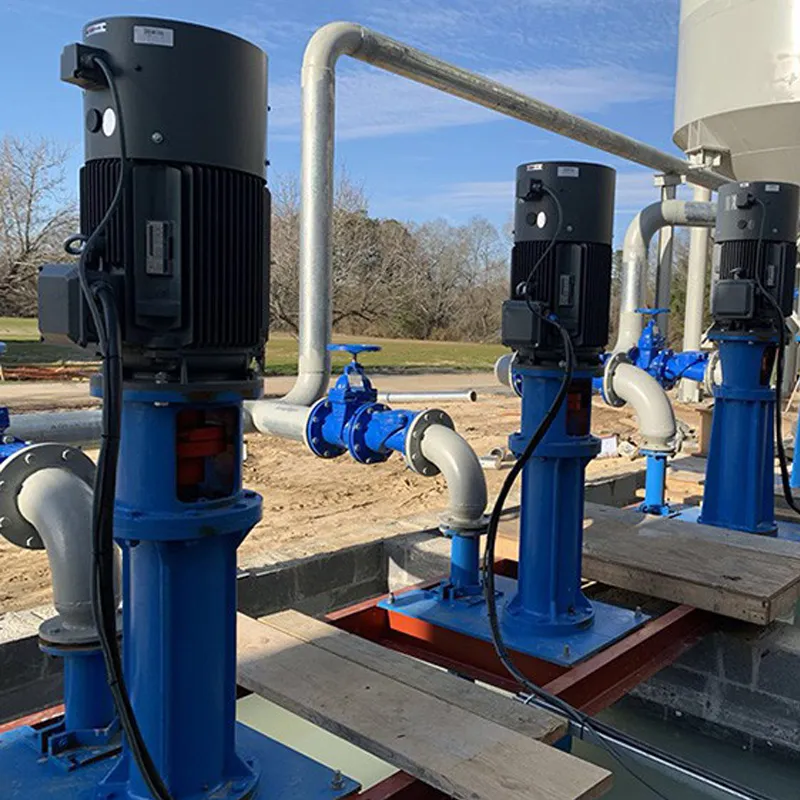
Introduction
A mixed flow pump is a type of dynamic pump that combines the characteristics of both radial and axial flow pumps. Unlike purely radial pumps which impart primarily centrifugal force, or axial pumps which move fluid parallel to the impeller shaft, mixed flow pumps discharge fluid at an angle between these two directions. This design results in higher head generation compared to axial pumps and higher flow rates compared to radial pumps for a given impeller diameter and speed. Positioned within the industrial fluid transfer chain, mixed flow pumps serve a critical role in applications requiring moderate head and high flow, frequently encountered in wastewater treatment, irrigation, drainage, and low-lift pumping stations. Core performance characteristics are defined by its specific speed, generally ranging between 70 and 250, dictating its optimal operating point. Understanding the nuanced interaction between impeller geometry, flow velocity, and pressure distribution is crucial for effective application and maintenance of these pumps.
Material Science & Manufacturing
The construction of a mixed flow pump necessitates careful material selection and precise manufacturing processes to withstand corrosive environments and mechanical stresses. Common materials include cast iron (ASTM A48 Class 30) for pump casings, offering good machinability and cost-effectiveness, though susceptible to corrosion. Stainless steel (304, 316 – ASTM A743 CA15) is employed for impellers and shafts, providing superior corrosion resistance, particularly in applications handling aggressive fluids. Duplex stainless steels (e.g., UNS S31803) are increasingly favored for seawater applications due to their enhanced pitting resistance. Impellers are typically manufactured using investment casting or centrifugal casting, ensuring dimensional accuracy and minimizing porosity. Casing construction commonly utilizes sand casting followed by rigorous quality control inspections. Shaft material undergoes heat treatment to achieve desired hardness and tensile strength. Critical parameters in manufacturing include impeller blade angle (directly affecting head and flow), surface finish (impacting hydraulic efficiency), and impeller balancing (minimizing vibration). Welding processes, if used, must adhere to standards such as AWS D1.1 for structural steel welding, with post-weld heat treatment to relieve residual stresses. Furthermore, elastomer seals (e.g., Nitrile, Viton) are critical for shaft sealing, demanding precise dimensional control and compatibility with the pumped fluid.
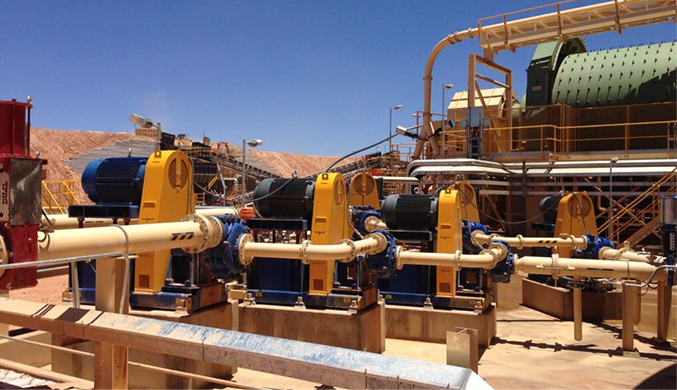
Performance & Engineering
The performance of a mixed flow pump is governed by complex hydrodynamic principles. Force analysis centers around balancing centrifugal and axial forces acting on the impeller. The impeller’s blade geometry, including its inlet and outlet angles, significantly influences the pump’s head-flow curve. Environmental resistance is paramount; pumps operating outdoors require robust corrosion protection (coatings such as epoxy or polyurethane conforming to ISO 12944) and weatherproofing. Cavitation is a primary concern, particularly at high speeds or with fluctuating flow rates. Net Positive Suction Head Required (NPSHr) must be carefully calculated and maintained to prevent vapor lock and impeller damage (following Hydraulic Institute Standards). Compliance requirements vary depending on the application. For example, pumps used in potable water systems must meet NSF/ANSI 61 standards for material safety. Wastewater pumps often require compliance with local environmental regulations regarding discharge limits. Finite Element Analysis (FEA) is commonly employed during the design phase to optimize impeller stress distribution and casing structural integrity, ensuring long-term reliability. Proper alignment between the pump and driver (motor) is crucial to minimize vibration and bearing wear, typically adhering to guidelines outlined in ISO 10816.
Technical Specifications
| Parameter | Typical Range (Small Pumps - <50HP) | Typical Range (Medium Pumps - 50-250HP) | Typical Range (Large Pumps - >250HP) |
|---|---|---|---|
| Flow Rate (GPM) | 50-500 | 500-5000 | 5000-20000+ |
| Total Head (ft) | 10-50 | 50-200 | 200-500+ |
| Specific Speed (Ns) | 80-150 | 150-220 | 220-280 |
| Impeller Diameter (in) | 4-12 | 12-36 | 36-72+ |
| Maximum Solid Handling (in) | 0.25-1 | 1-2 | 2-4+ |
| Pump Efficiency (%) | 65-80 | 75-88 | 80-92 |
Failure Mode & Maintenance
Mixed flow pumps are susceptible to several failure modes. Fatigue cracking in the impeller, particularly around the blade roots, can occur due to cyclical loading. Corrosion, especially in the casing and impeller, degrades material strength and reduces hydraulic efficiency. Cavitation erosion damages impeller blades, creating pits and reducing performance. Shaft misalignment leads to bearing failure and increased vibration. Seal leakage causes fluid loss and potential environmental contamination. Degradation of elastomer seals is common due to chemical attack or temperature extremes. Oxidation of metallic components can occur in aggressive environments. Preventative maintenance is critical. Regular vibration analysis (ISO 10816) identifies imbalances and misalignment. Impeller inspections (visual and NDT – Non-Destructive Testing) detect cracks and erosion. Seal replacement should be performed on a scheduled basis, dictated by operating conditions and fluid compatibility. Lubrication of bearings (following manufacturer’s recommendations) is essential. Regular cleaning of the pump casing and impeller removes debris and prevents clogging. Performance monitoring (head-flow curves) identifies deviations from optimal operation. Routine checks of NPSHa versus NPSHr ensure adequate suction conditions. Implementing a condition-based maintenance program, leveraging data analytics, maximizes pump uptime and minimizes life-cycle costs.
Industry FAQ
Q: What are the key differences between a mixed flow and a centrifugal pump regarding efficiency and application?
A: Centrifugal pumps generally exhibit higher efficiency at lower flow rates and higher heads, making them ideal for applications like boiler feed water. Mixed flow pumps offer a broader operating range, delivering higher flow rates at moderate heads, and are more suitable for applications such as wastewater management and irrigation where high volume is paramount. Mixed flow pump efficiency can decrease rapidly outside its designed operating point, making proper selection crucial.
Q: How does impeller trim impact the performance curve of a mixed flow pump?
A: Reducing the impeller diameter (trimming) decreases both the head and flow rate of the pump. It’s a common practice to adjust pump performance to match a specific system requirement. However, excessive trimming can significantly reduce efficiency and increase the risk of cavitation. Careful calculation and adherence to manufacturer’s guidelines are essential.
Q: What material selection considerations are important when handling abrasive fluids?
A: When dealing with abrasive fluids, materials with high hardness and wear resistance are essential. Hardened cast iron, stainless steel alloys (like duplex stainless steel), or even specialized coatings (e.g., ceramic coatings) should be considered for the impeller and casing. Selecting appropriate seals resistant to abrasion is also critical.
Q: What are the implications of operating a mixed flow pump outside of its Best Efficiency Point (BEP)?
A: Operating outside the BEP leads to reduced efficiency, increased energy consumption, and potentially accelerated wear and tear. Significant deviations can induce cavitation, vibration, and increased noise levels. The system curve should be carefully analyzed to ensure the pump operates near its BEP for optimal performance and longevity.
Q: What methods can be used to mitigate vibration in a mixed flow pump system?
A: Mitigating vibration involves addressing the root cause. This includes proper alignment between the pump and driver, impeller balancing, ensuring adequate pipe support, and minimizing flow disturbances in the suction and discharge piping. Vibration analysis (ISO 10816) helps identify the source and severity of vibration, guiding corrective actions.
Conclusion
The mixed flow pump represents a versatile solution for fluid transfer applications demanding high flow rates and moderate head. Its performance is intrinsically linked to careful material selection, precise manufacturing, and a thorough understanding of hydrodynamic principles. Addressing potential failure modes through proactive maintenance and adhering to relevant industry standards are crucial for maximizing pump reliability and minimizing lifecycle costs.
Ultimately, successful implementation of a mixed flow pump system requires a holistic approach, encompassing detailed system analysis, appropriate pump selection, and a commitment to ongoing monitoring and maintenance. The evolution of pump design, coupled with advancements in material science and condition monitoring technologies, promises to further enhance the efficiency and longevity of these critical industrial components.
-
Precision at the Pump: How Better Machining Protects Flow and Uptime
News2026-11-20
-
Why Pump Reliability Begins Before the First Drop of Fluid
News2026-11-20
-
Beyond the Pump: Designing Safer Access Around Critical Water Infrastructure
News2026-11-20
-
Why Pumping Stations Depend on the Infrastructure Beneath the Pumps
News2026-11-20
-
Beyond the Pump Room: How Smarter Loading Protects Industrial Equipment
News2026-11-19
-
When Pumps Stop: Designing More Resilient Power for Critical Pumping Systems
News2026-11-19
-
The Hidden Role of Dust and Gas Monitoring in Reliable Pump Operations
News2026-11-19
-
The Hidden Role of Mineral Compounds in Extending Industrial Pump Lifespan
News2026-10-12
-
Why Pump System Reliability Depends on Precision Hose Assembly Methods
News2026-09-15
-
How Advanced Imaging Films Are Transforming Pump Component Quality Control
News2026-08-25
-
How Advanced Filtration Protects Pump Systems from Premature Wear and Costly Downtime
News2026-08-25
-
How Steel Material Selection Drives Pump Reliability in Heavy-Duty Systems
News2026-08-25
-
Ensuring Pump System Efficiency: The Role of High-Quality Pipe Fittings and Tubing
News2026-08-24
-
Optimizing Fluid Dynamics and Material Consistency in Industrial Processing
News2026-08-18
-
Innovations and Challenges in Hydraulic Systems for Heavy Machinery
News2026-08-13




