English
- Afrikaans
- Albanian
- Amharic
- Arabic
- Armenian
- Azerbaijani
- Basque
- Belarusian
- Bengali
- Bosnian
- Bulgarian
- Catalan
- Cebuano
- Corsican
- Croatian
- Czech
- Danish
- Dutch
- English
- Esperanto
- Estonian
- Finnish
- French
- Frisian
- Galician
- Georgian
- German
- Greek
- Gujarati
- Haitian Creole
- hausa
- hawaiian
- Hebrew
- Hindi
- Miao
- Hungarian
- Icelandic
- igbo
- Indonesian
- irish
- Italian
- Japanese
- Javanese
- Kannada
- kazakh
- Khmer
- Rwandese
- Korean
- Kurdish
- Kyrgyz
- Lao
- Latin
- Latvian
- Lithuanian
- Luxembourgish
- Macedonian
- Malgashi
- Malay
- Malayalam
- Maltese
- Maori
- Marathi
- Mongolian
- Myanmar
- Nepali
- Norwegian
- Norwegian
- Occitan
- Pashto
- Persian
- Polish
- Portuguese
- Punjabi
- Romanian
- Russian
- Samoan
- Scottish Gaelic
- Serbian
- Sesotho
- Shona
- Sindhi
- Sinhala
- Slovak
- Slovenian
- Somali
- Spanish
- Sundanese
- Swahili
- Swedish
- Tagalog
- Tajik
- Tamil
- Tatar
- Telugu
- Thai
- Turkish
- Turkmen
- Ukrainian
- Urdu
- Uighur
- Uzbek
- Vietnamese
- Welsh
- Bantu
- Yiddish
- Yoruba
- Zulu

Telephone: +86 13120555503
Email: frank@cypump.com


Apr . 01, 2024 17:55 Back to list
Mixed Flow Pump Applications Performance Analysis
Introduction
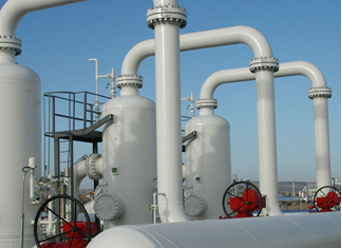
Mixed flow pumps represent a crucial component in a wide array of industrial fluid handling systems, bridging the gap between radial and axial flow designs. Positioned within the industrial chain, these pumps follow upstream processes such as fluid sourcing and pre-treatment, and precede downstream applications including distribution, process cooling, or effluent management. Characterized by a combination of centrifugal force and axial flow, mixed flow pumps offer a balance of high flow rates and moderate head pressures. This makes them particularly well-suited for applications involving large volume transfers, such as municipal water supply, agricultural irrigation, and industrial wastewater treatment. Core performance metrics include flow rate (typically measured in m³/h or GPM), head (expressed in meters or feet), efficiency (%), and Net Positive Suction Head Required (NPSHr), which dictates the minimum inlet pressure required to prevent cavitation. The increasing demand for energy-efficient fluid handling solutions drives ongoing refinement in mixed flow pump design and material selection. A key industry pain point remains the optimization of pump efficiency across a wide operational range, alongside the need for robust designs capable of handling abrasive or corrosive fluids without significant degradation.
Material Science & Manufacturing
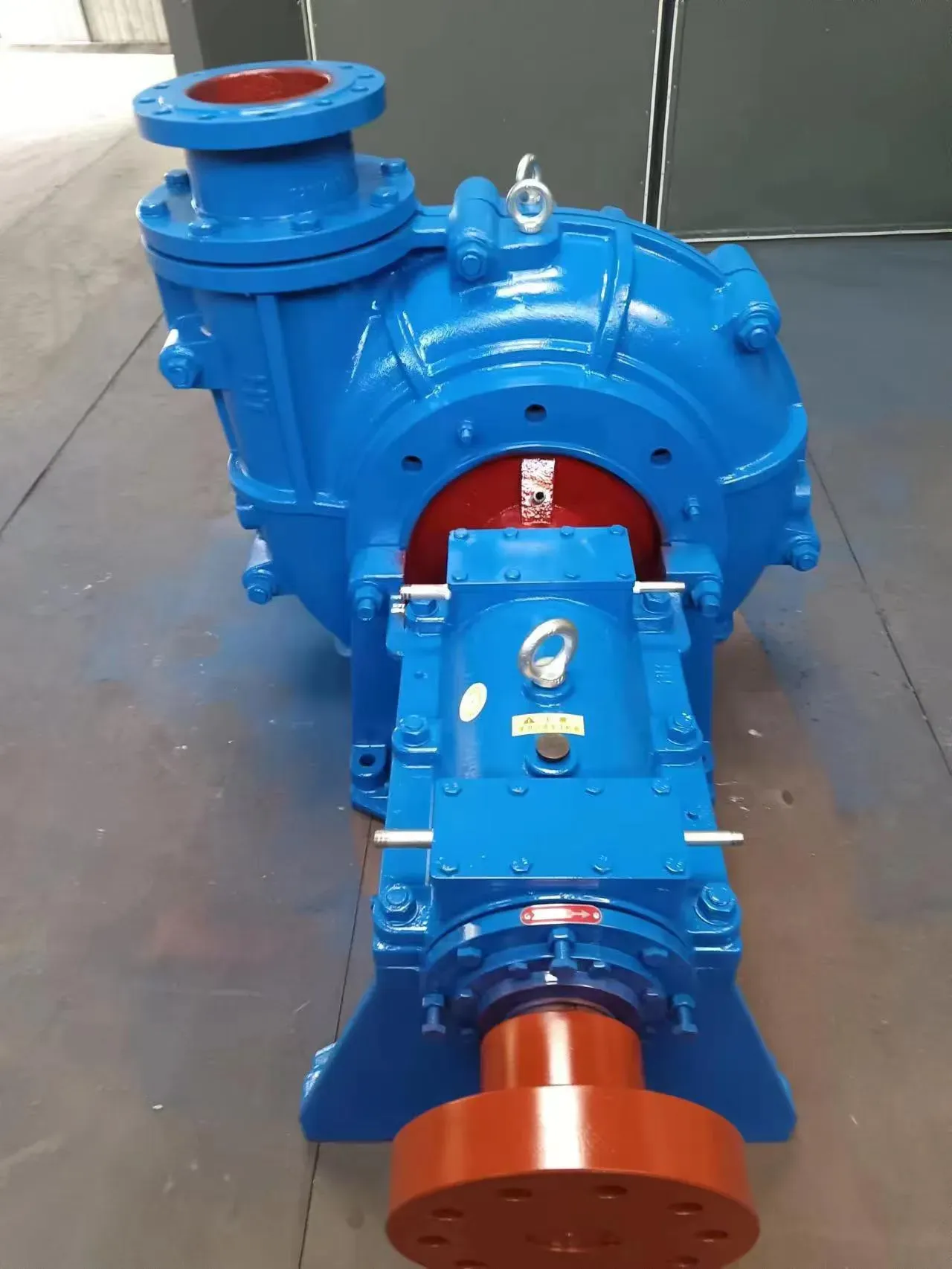
The construction of mixed flow pumps typically involves a combination of cast iron, stainless steel (304, 316, duplex), and engineered polymers. Cast iron, particularly gray cast iron, offers cost-effectiveness and good damping characteristics, but its corrosion resistance is limited. Stainless steels provide superior corrosion resistance and are preferred for handling aggressive fluids, although at a higher cost. Duplex stainless steels offer increased strength and improved resistance to pitting and crevice corrosion, crucial for seawater applications. Polymers, such as polypropylene or PTFE, are used for impellers and wear rings where resistance to abrasion or chemical attack is paramount. Manufacturing processes center around precision casting, machining, and welding. Impellers are often manufactured using investment casting for complex geometries and tight tolerances. Welding, particularly stainless steel welding, requires stringent control of heat input and shielding gas composition to prevent sensitization and maintain corrosion resistance. Key parameters during impeller casting include mold temperature, pouring rate, and solidification time, all impacting the impeller’s hydrodynamic performance. Pump casings are typically manufactured using sand casting or shell molding, requiring precise pattern making to ensure dimensional accuracy and smooth internal surfaces. Surface treatments, such as epoxy coatings or ceramic linings, are often applied to enhance corrosion resistance and reduce frictional losses. Furthermore, balancing of the impeller is crucial to minimize vibration and extend bearing life; this is accomplished through dynamic balancing techniques adhering to ISO 1940 standards.
Performance & Engineering
The performance of a mixed flow pump is fundamentally governed by fluid dynamics principles, specifically the Euler turbine equation and the Navier-Stokes equations. Force analysis focuses on balancing hydraulic forces acting on the impeller and shaft, minimizing radial loads on bearings, and preventing shaft deflection. Environmental resistance is a critical consideration, particularly in outdoor installations. Pumps are subjected to temperature fluctuations, humidity, and potential exposure to corrosive atmospheres. Selection of appropriate materials and protective coatings are vital for long-term reliability. Compliance requirements vary depending on the application and geographical region. For potable water applications, pumps must conform to NSF/ANSI 61 standards regarding lead content and material compatibility. For industrial applications, adherence to API 610 standards for centrifugal pumps is often mandatory, dictating specific design, testing, and quality control procedures. Functional implementation requires careful consideration of the system head curve and pump performance curve. Operating the pump at or near its Best Efficiency Point (BEP) maximizes efficiency and minimizes wear. Variable Frequency Drives (VFDs) are frequently employed to adjust pump speed and flow rate, optimizing performance under varying demand conditions. Cavitation, a major concern, occurs when the absolute pressure at the impeller inlet falls below the liquid's vapor pressure, forming vapor bubbles that collapse and damage the impeller. NPSHr calculations and proper system design are critical to prevent cavitation. Hydraulic Institute standards provide guidelines for NPSHr determination and pump selection.
Technical Specifications
| Parameter | Unit | Typical Range (Small Pump) | Typical Range (Large Pump) |
|---|---|---|---|
| Flow Rate | m³/h | 0.5 - 20 | 50 - 500 |
| Head | m | 5 - 30 | 30 - 150 |
| Power | kW | 0.75 - 7.5 | 20 - 200 |
| Impeller Diameter | mm | 150 - 400 | 600 - 1200 |
| Efficiency | % | 65 - 75 | 75 - 85 |
| NPSHr | m | 1 - 3 | 3 - 10 |
Failure Mode & Maintenance
Mixed flow pumps are susceptible to several failure modes. Fatigue cracking in the impeller, particularly around the blade roots, is a common issue arising from cyclic loading and stress concentrations. Corrosion-induced erosion of the impeller and casing can significantly reduce pump performance and lifespan, especially when handling abrasive fluids. Cavitation damage manifests as pitting on the impeller surface, leading to reduced head and flow rate. Shaft misalignment or bearing failure results in excessive vibration, noise, and potential catastrophic failure. Seal failure can cause leakage and contamination. Preventative maintenance is crucial. Regular vibration analysis can detect early signs of bearing wear or imbalance. Impeller inspection for cavitation damage and corrosion is essential. Lubrication of bearings should be performed according to manufacturer's recommendations. Seal replacement should be scheduled based on operating hours and fluid characteristics. Periodic performance testing, including flow rate, head, and power consumption measurements, can identify degradation in pump efficiency. For cast iron components, regular coating inspections and repairs are recommended to maintain corrosion protection. In cases of severe cavitation damage, impeller repair or replacement may be necessary. Furthermore, a robust predictive maintenance program leveraging sensor data and machine learning algorithms can optimize maintenance schedules and minimize downtime.
Industry FAQ
Q: What are the key considerations when selecting a mixed flow pump for a wastewater treatment plant?
A: Key considerations include the solids content of the wastewater, the presence of abrasive particles, and the potential for corrosive chemicals. Pump materials must be selected to withstand these conditions, often necessitating stainless steel construction or specialized coatings. The pump's impeller design should be capable of handling solids without clogging, and the NPSHr should be carefully calculated to prevent cavitation due to variations in wastewater levels.
Q: How does impeller trim affect pump performance and efficiency?
A: Impeller trimming reduces the impeller diameter, lowering the pump’s head and flow rate. While this can be a cost-effective way to match pump performance to a specific system requirement, it also reduces the pump’s efficiency. Excessive trimming can lead to significant performance degradation and increased cavitation risk. A pump curve recalculation is essential after impeller trimming to accurately predict performance.
Q: What are the benefits of using a VFD with a mixed flow pump?
A: VFDs allow for precise control of pump speed and flow rate, optimizing performance to match varying demand. This results in significant energy savings, reduced mechanical stress on the pump, and extended lifespan. VFDs also provide soft starting capabilities, minimizing water hammer and reducing stress on the piping system.
Q: How can I diagnose cavitation in a mixed flow pump?
A: Common indicators of cavitation include a rattling or pinging noise from the pump, reduced head and flow rate, and pitting on the impeller surface. Monitoring the NPSHa (Net Positive Suction Head Available) and comparing it to the NPSHr is crucial. Low NPSHa indicates a higher risk of cavitation.
Q: What is the role of bearing lubrication in extending pump life?
A: Proper bearing lubrication is critical for reducing friction, dissipating heat, and preventing wear. Using the correct type of lubricant and adhering to the manufacturer’s recommended lubrication schedule are essential. Regular oil analysis can detect early signs of bearing degradation and allow for proactive maintenance.
Conclusion
Mixed flow pumps offer a versatile solution for a broad spectrum of industrial fluid handling challenges, exhibiting a compelling balance between flow rate and head pressure. Successful implementation relies on a thorough understanding of material science, manufacturing processes, and hydrodynamic principles. Optimizing pump performance necessitates careful consideration of system requirements, adherence to relevant industry standards, and a proactive approach to maintenance.
Future developments in mixed flow pump technology will likely focus on enhancing efficiency through advanced impeller designs and surface treatments, improving corrosion resistance with novel materials, and integrating smart sensors and data analytics for predictive maintenance. The continued drive for sustainable and energy-efficient fluid handling solutions will undoubtedly shape the evolution of this critical component in industrial infrastructure.
-
Precision at the Pump: How Better Machining Protects Flow and Uptime
News2026-11-20
-
Why Pump Reliability Begins Before the First Drop of Fluid
News2026-11-20
-
Beyond the Pump: Designing Safer Access Around Critical Water Infrastructure
News2026-11-20
-
Why Pumping Stations Depend on the Infrastructure Beneath the Pumps
News2026-11-20
-
Beyond the Pump Room: How Smarter Loading Protects Industrial Equipment
News2026-11-19
-
When Pumps Stop: Designing More Resilient Power for Critical Pumping Systems
News2026-11-19
-
The Hidden Role of Dust and Gas Monitoring in Reliable Pump Operations
News2026-11-19
-
The Hidden Role of Mineral Compounds in Extending Industrial Pump Lifespan
News2026-10-12
-
Why Pump System Reliability Depends on Precision Hose Assembly Methods
News2026-09-15
-
How Advanced Imaging Films Are Transforming Pump Component Quality Control
News2026-08-25
-
How Advanced Filtration Protects Pump Systems from Premature Wear and Costly Downtime
News2026-08-25
-
How Steel Material Selection Drives Pump Reliability in Heavy-Duty Systems
News2026-08-25
-
Ensuring Pump System Efficiency: The Role of High-Quality Pipe Fittings and Tubing
News2026-08-24
-
Optimizing Fluid Dynamics and Material Consistency in Industrial Processing
News2026-08-18
-
Innovations and Challenges in Hydraulic Systems for Heavy Machinery
News2026-08-13




