English
- Afrikaans
- Albanian
- Amharic
- Arabic
- Armenian
- Azerbaijani
- Basque
- Belarusian
- Bengali
- Bosnian
- Bulgarian
- Catalan
- Cebuano
- Corsican
- Croatian
- Czech
- Danish
- Dutch
- English
- Esperanto
- Estonian
- Finnish
- French
- Frisian
- Galician
- Georgian
- German
- Greek
- Gujarati
- Haitian Creole
- hausa
- hawaiian
- Hebrew
- Hindi
- Miao
- Hungarian
- Icelandic
- igbo
- Indonesian
- irish
- Italian
- Japanese
- Javanese
- Kannada
- kazakh
- Khmer
- Rwandese
- Korean
- Kurdish
- Kyrgyz
- Lao
- Latin
- Latvian
- Lithuanian
- Luxembourgish
- Macedonian
- Malgashi
- Malay
- Malayalam
- Maltese
- Maori
- Marathi
- Mongolian
- Myanmar
- Nepali
- Norwegian
- Norwegian
- Occitan
- Pashto
- Persian
- Polish
- Portuguese
- Punjabi
- Romanian
- Russian
- Samoan
- Scottish Gaelic
- Serbian
- Sesotho
- Shona
- Sindhi
- Sinhala
- Slovak
- Slovenian
- Somali
- Spanish
- Sundanese
- Swahili
- Swedish
- Tagalog
- Tajik
- Tamil
- Tatar
- Telugu
- Thai
- Turkish
- Turkmen
- Ukrainian
- Urdu
- Uighur
- Uzbek
- Vietnamese
- Welsh
- Bantu
- Yiddish
- Yoruba
- Zulu

Telephone: +86 13120555503
Email: frank@cypump.com


Apr . 01, 2024 17:55 Back to list
Mixed Flow Pump advantages and disadvantages Performance Analysis
Introduction
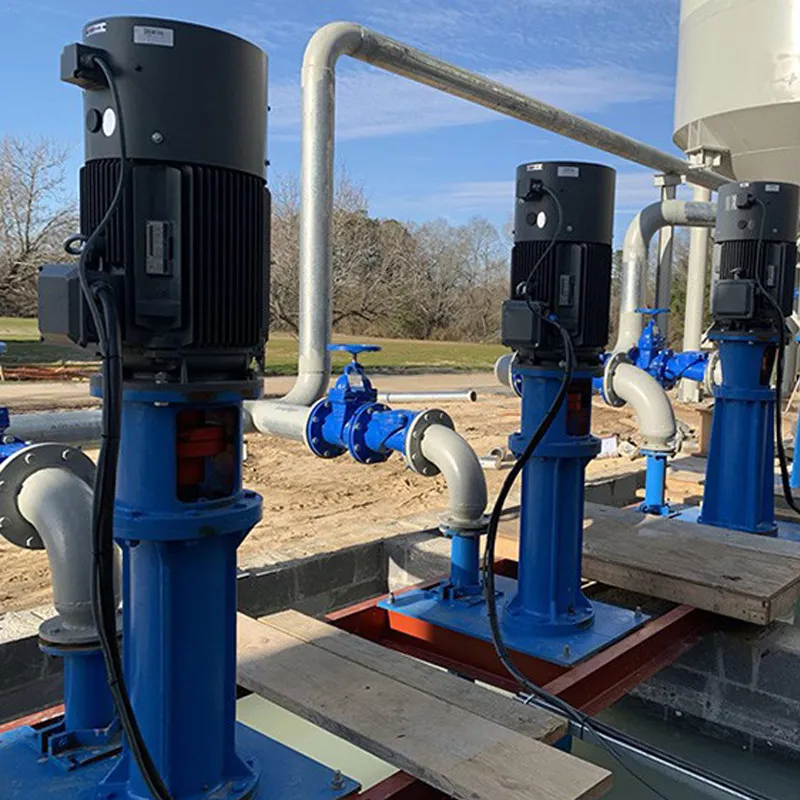
Mixed flow pumps represent a significant category within dynamic pumps, positioned between radial and axial flow designs. They are characterized by the combined action of radial and axial flow components, offering a versatile solution for a broad range of hydraulic applications. This design results in a head-capacity curve that differs substantially from either purely radial or axial pumps, making them particularly well-suited for applications requiring moderate head and high flow rates. These pumps are extensively utilized in water supply, wastewater treatment, irrigation, and industrial process cooling. A core challenge within the industry revolves around optimizing impeller geometry to balance head generation and energy efficiency, while also mitigating cavitation risks particularly prevalent at higher operating speeds. The selection of appropriate materials for construction, considering the transported fluid’s corrosivity and abrasive content, is paramount to long-term operational reliability and minimizing life-cycle costs. This guide will provide an in-depth technical overview of mixed flow pumps, covering materials, manufacturing, performance, potential failure modes, and relevant industry standards.
Material Science & Manufacturing
The primary material for mixed flow pump construction is typically cast iron (ASTM A48 Class 30), chosen for its cost-effectiveness and reasonable corrosion resistance in fresh water applications. However, for aggressive fluids, stainless steel alloys (304, 316 – ASTM A743) are essential, providing superior resistance to chemical attack and erosion. Duplex stainless steels (e.g., 2205 – ASTM A992) offer even greater corrosion resistance, particularly in seawater or chloride-rich environments. Impeller materials often utilize higher grades of stainless steel or specialized bronze alloys (e.g., ASTM B148) to withstand the high stresses induced by fluid dynamic forces. Shafts are commonly constructed from high-strength carbon steel (e.g., AISI 4140) and hardened for increased wear resistance.
Manufacturing processes begin with pattern making and mold creation for casting the pump housing and impeller. Precision casting techniques, such as investment casting, are employed for complex impeller geometries to minimize surface defects and ensure accurate dimensional tolerances. Welding (SMAW, GMAW – AWS D1.1) is used for joining larger components, requiring rigorous non-destructive testing (NDT) such as radiographic testing (RT – ASME Section V) and ultrasonic testing (UT – ASME Section V) to verify weld integrity. Impeller blades are often manufactured using precision machining (CNC milling) to achieve the desired hydrodynamic profile. Surface treatments, including epoxy coatings (ASTM D3805) and thermal spraying (ASME Code VII), are applied to enhance corrosion resistance and wear protection. Critical parameters during manufacturing include impeller balancing (ISO 1940-1) to minimize vibration and shaft alignment (ISO 7441) to prevent premature bearing failure.
Performance & Engineering
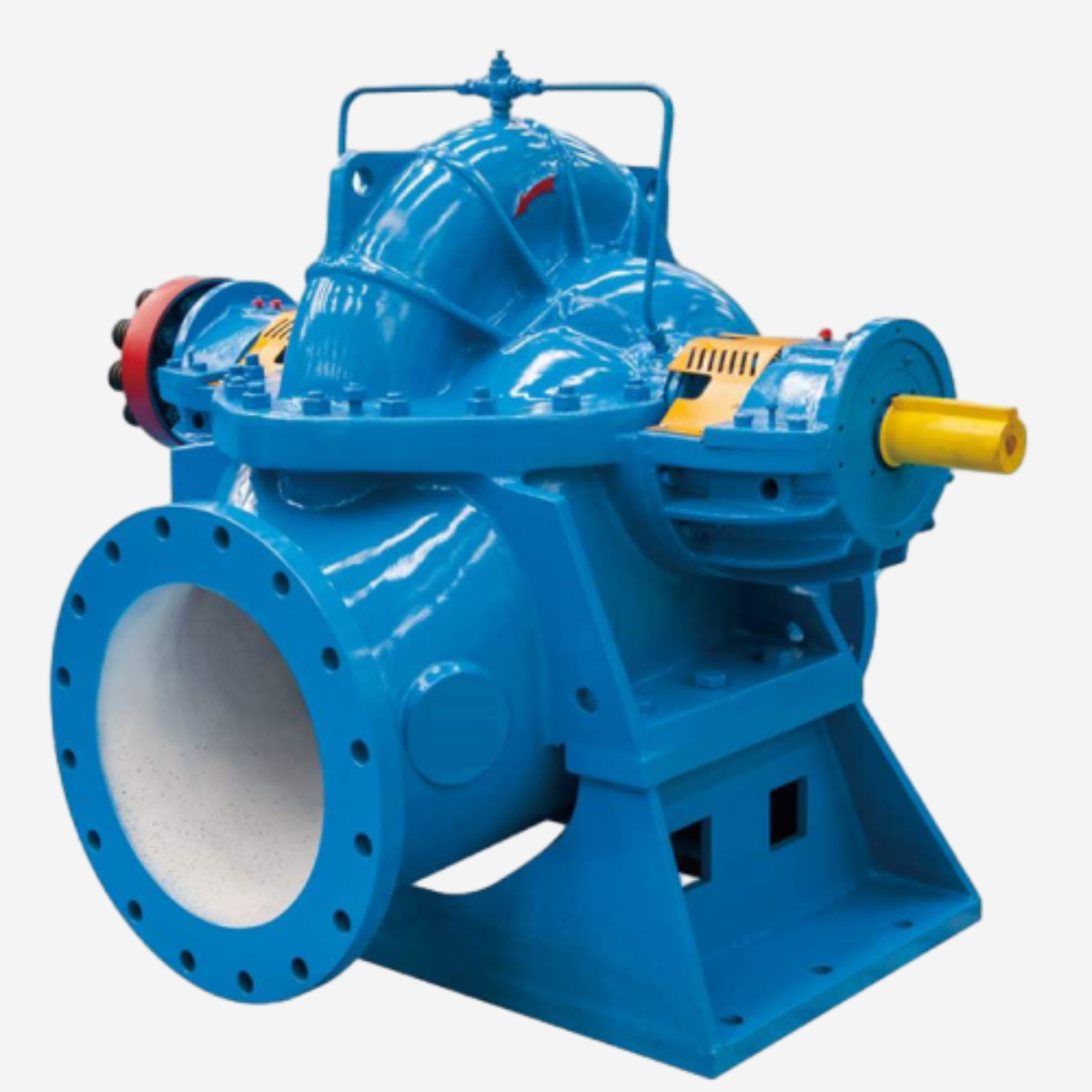
Mixed flow pumps operate based on the principle of converting rotational kinetic energy into pressure and flow. The impeller imparts both axial and radial velocity components to the fluid. Performance characteristics are governed by the specific speed (Ns), a dimensionless parameter that distinguishes between radial, axial, and mixed flow designs. Mixed flow pumps typically have a specific speed between 90 and 150. Force analysis involves calculating the hydraulic forces acting on the impeller blades, considering factors such as fluid velocity, density, and blade angle. These forces induce bending stresses and torsional loads on the impeller and shaft, necessitating robust mechanical design. Cavitation, the formation and collapse of vapor bubbles within the fluid, is a significant concern, particularly at high speeds and low suction pressures. Net Positive Suction Head Required (NPSHr) is a critical parameter that must be carefully considered to avoid cavitation damage (ANSI/HI Standard 1.6). Environmental resistance is dependent on the materials selected; however, temperature fluctuations can cause thermal expansion and contraction, which must be accounted for in the pump's design. Compliance requirements, such as those outlined by the European Union's ErP Directive (2009/125/EC), mandate minimum efficiency standards for pumps to reduce energy consumption.
Technical Specifications
| Parameter | Typical Range | Units | Industry Standard |
|---|---|---|---|
| Flow Rate | 50 – 5000 | m³/hr | ISO 9906 |
| Head | 5 – 50 | m | ANSI/HI 1.1 |
| Specific Speed (Ns) | 90 – 150 | - | ANSI/HI 1.6 |
| Efficiency | 70 – 85 | % | ISO 9906 |
| Operating Temperature | -20 – 120 | °C | DIN EN 735 |
| Maximum Solid Handling Size | Up to 50 | mm | ASTM D3805 (for coatings) |
Failure Mode & Maintenance
Common failure modes in mixed flow pumps include impeller erosion and corrosion, particularly when handling abrasive or corrosive fluids. Cavitation damage manifests as pitting and erosion on the impeller blades and pump casing. Bearing failure can occur due to inadequate lubrication, misalignment, or excessive loads. Shaft cracking can result from fatigue stress induced by repeated loading and unloading. Mechanical seal failure leads to leakage and reduced pump efficiency. Degradation of elastomer components (e.g., O-rings, seals) occurs due to chemical attack or temperature extremes. Oxidation of metallic components can lead to corrosion and weakening of materials.
Preventative maintenance is crucial for extending pump life. Regular inspection of impeller blades for wear and corrosion is recommended. Lubrication schedules should be strictly adhered to, using appropriate lubricants specified by the manufacturer (ISO 3448). Periodic vibration analysis (ISO 10816) can detect early signs of bearing or impeller imbalance. Shaft alignment should be checked and corrected regularly. Mechanical seals should be inspected and replaced as needed. Flushing of the pump casing to remove accumulated debris is essential. For severe cavitation damage, impeller replacement or refurbishment may be required. Routine performance monitoring, including flow rate, head, and power consumption, helps identify deviations from normal operating conditions and potential problems. Proper strainer installation upstream of the pump is essential to prevent solid ingestion and impeller damage.
Industry FAQ
Q: What are the key advantages of a mixed flow pump compared to a centrifugal pump for wastewater applications?
A: Mixed flow pumps generally offer a steeper head-capacity curve than centrifugal pumps, allowing them to maintain a more stable flow rate over a wider range of system conditions. This is particularly beneficial in wastewater applications where flow rates can fluctuate significantly. They also typically exhibit higher efficiencies at lower heads compared to radial flow pumps.
Q: What material selection considerations are most important when pumping abrasive fluids?
A: When handling abrasive fluids, selecting materials with high hardness and wear resistance is critical. High-chrome cast iron or specialized abrasion-resistant alloys are commonly used for the impeller and pump casing. The use of hardened stainless steels for critical components can also extend service life. Regular inspection and replacement of worn parts are also crucial.
Q: How can cavitation be prevented in a mixed flow pump installation?
A: Preventing cavitation requires ensuring adequate Net Positive Suction Head Available (NPSHa) at the pump suction. This involves minimizing suction line losses, maintaining proper suction pressure, and avoiding excessive operating speeds. Proper pump sizing is also important; an undersized pump is more prone to cavitation.
Q: What are the typical maintenance intervals for a mixed flow pump operating continuously in a municipal water treatment plant?
A: Typical maintenance intervals include monthly visual inspections, quarterly lubrication of bearings, annual vibration analysis, and bi-annual mechanical seal inspections. Impeller inspections and cleaning should be performed annually, and major overhauls including impeller replacement are typically scheduled every 3-5 years, depending on operating conditions and fluid characteristics.
Q: How does the impeller geometry impact the pump’s efficiency and head-capacity curve?
A: The impeller blade angle, number of blades, and blade profile significantly impact pump performance. Increasing the blade angle generally increases the head generated but can reduce the flow rate. Optimizing the blade profile minimizes hydraulic losses and improves efficiency. Computational Fluid Dynamics (CFD) analysis is commonly used to refine impeller designs for specific applications.
Conclusion
Mixed flow pumps represent a compelling engineering solution for applications demanding moderate head and high flow rates. Their design, blending both radial and axial flow characteristics, offers a versatility that positions them as a workhorse in various industries, including water and wastewater treatment, irrigation, and industrial process cooling. The selection of appropriate materials, meticulous manufacturing practices, and adherence to rigorous maintenance schedules are crucial for maximizing operational lifespan and efficiency. Understanding the potential failure modes, particularly cavitation and erosion, and implementing preventative measures are essential for ensuring reliable and cost-effective performance.
Future advancements in mixed flow pump technology will likely focus on enhancing impeller designs using advanced CFD modeling and additive manufacturing techniques to optimize hydraulic performance and reduce energy consumption. The integration of smart sensors and data analytics will enable predictive maintenance strategies, minimizing downtime and improving overall system reliability. Further research into corrosion-resistant materials will extend pump life in aggressive fluid applications, reducing life-cycle costs and environmental impact.
-
Precision at the Pump: How Better Machining Protects Flow and Uptime
News2026-11-20
-
Why Pump Reliability Begins Before the First Drop of Fluid
News2026-11-20
-
Beyond the Pump: Designing Safer Access Around Critical Water Infrastructure
News2026-11-20
-
Why Pumping Stations Depend on the Infrastructure Beneath the Pumps
News2026-11-20
-
Beyond the Pump Room: How Smarter Loading Protects Industrial Equipment
News2026-11-19
-
When Pumps Stop: Designing More Resilient Power for Critical Pumping Systems
News2026-11-19
-
The Hidden Role of Dust and Gas Monitoring in Reliable Pump Operations
News2026-11-19
-
The Hidden Role of Mineral Compounds in Extending Industrial Pump Lifespan
News2026-10-12
-
Why Pump System Reliability Depends on Precision Hose Assembly Methods
News2026-09-15
-
How Advanced Imaging Films Are Transforming Pump Component Quality Control
News2026-08-25
-
How Advanced Filtration Protects Pump Systems from Premature Wear and Costly Downtime
News2026-08-25
-
How Steel Material Selection Drives Pump Reliability in Heavy-Duty Systems
News2026-08-25
-
Ensuring Pump System Efficiency: The Role of High-Quality Pipe Fittings and Tubing
News2026-08-24
-
Optimizing Fluid Dynamics and Material Consistency in Industrial Processing
News2026-08-18
-
Innovations and Challenges in Hydraulic Systems for Heavy Machinery
News2026-08-13




