English
- Afrikaans
- Albanian
- Amharic
- Arabic
- Armenian
- Azerbaijani
- Basque
- Belarusian
- Bengali
- Bosnian
- Bulgarian
- Catalan
- Cebuano
- Corsican
- Croatian
- Czech
- Danish
- Dutch
- English
- Esperanto
- Estonian
- Finnish
- French
- Frisian
- Galician
- Georgian
- German
- Greek
- Gujarati
- Haitian Creole
- hausa
- hawaiian
- Hebrew
- Hindi
- Miao
- Hungarian
- Icelandic
- igbo
- Indonesian
- irish
- Italian
- Japanese
- Javanese
- Kannada
- kazakh
- Khmer
- Rwandese
- Korean
- Kurdish
- Kyrgyz
- Lao
- Latin
- Latvian
- Lithuanian
- Luxembourgish
- Macedonian
- Malgashi
- Malay
- Malayalam
- Maltese
- Maori
- Marathi
- Mongolian
- Myanmar
- Nepali
- Norwegian
- Norwegian
- Occitan
- Pashto
- Persian
- Polish
- Portuguese
- Punjabi
- Romanian
- Russian
- Samoan
- Scottish Gaelic
- Serbian
- Sesotho
- Shona
- Sindhi
- Sinhala
- Slovak
- Slovenian
- Somali
- Spanish
- Sundanese
- Swahili
- Swedish
- Tagalog
- Tajik
- Tamil
- Tatar
- Telugu
- Thai
- Turkish
- Turkmen
- Ukrainian
- Urdu
- Uighur
- Uzbek
- Vietnamese
- Welsh
- Bantu
- Yiddish
- Yoruba
- Zulu

Telephone: +86 13120555503
Email: frank@cypump.com


Apr . 01, 2024 17:55 Back to list
Metal Lined Slurry Pump Manufacturers top oem in the Industry
Introduction
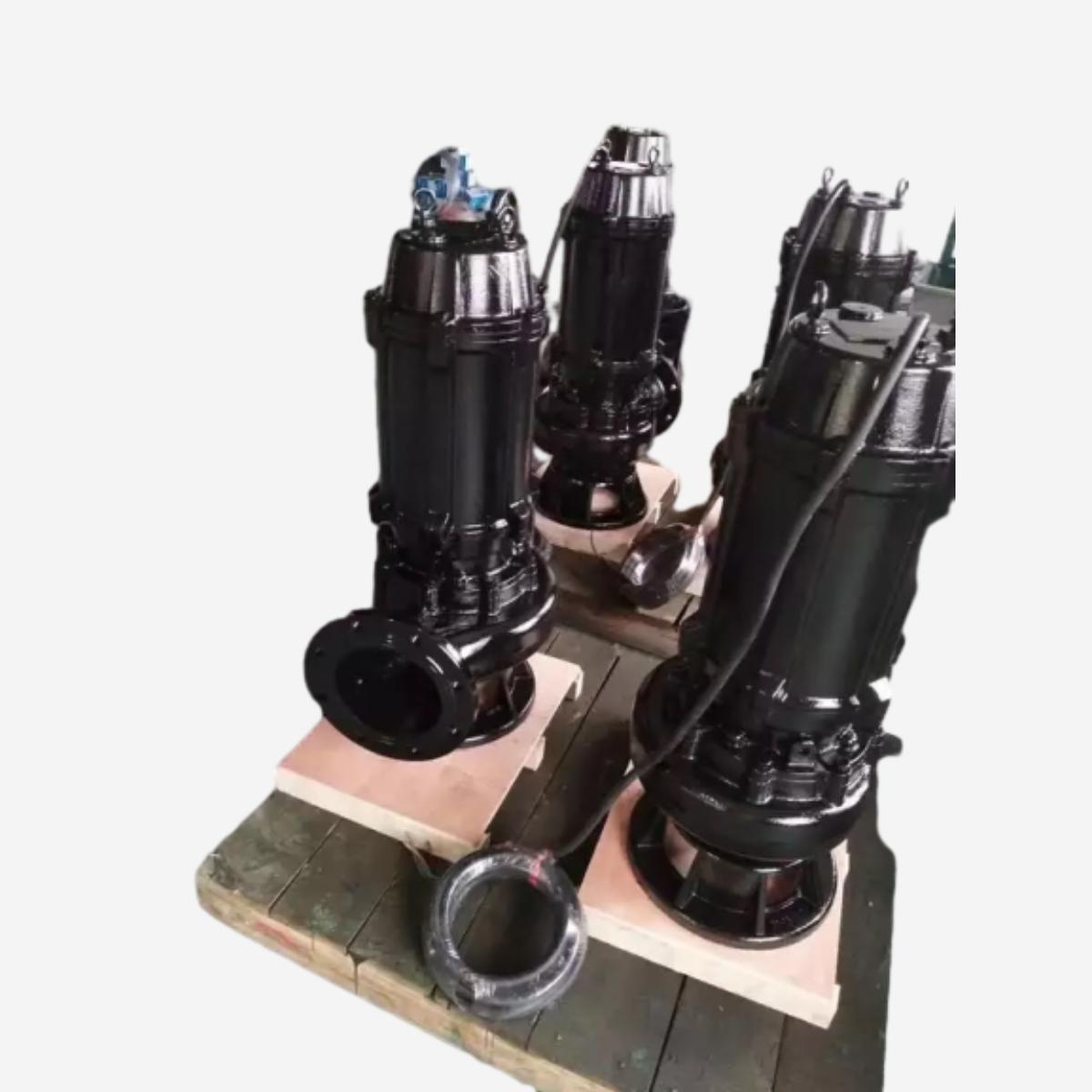
Metal lined slurry pumps are critical components in industries dealing with abrasive and corrosive fluids, including mining, chemical processing, wastewater treatment, and dredging. These pumps utilize a protective metallic lining – typically alloys of nickel, chrome, or tungsten – within the pump casing and impeller to extend service life and maintain hydraulic efficiency in harsh operating environments. The global market for these pumps is driven by increasing demands for efficient materials handling and process reliability. Top oem metal lined slurry pump manufacturers focus on delivering customized solutions tailored to specific slurry compositions, flow rates, and pressure requirements. The technical position in the industrial chain involves raw material sourcing (metals, elastomers, castings), precision machining, welding, lining application, assembly, quality control, and ultimately, integration into larger processing systems. Core performance metrics include abrasion resistance, corrosion resistance, hydraulic efficiency, and mechanical reliability. The selection process requires a deep understanding of the slurry's characteristics and the pump's operating conditions to avoid premature failure and ensure long-term cost-effectiveness.
Material Science & Manufacturing
The performance of metal-lined slurry pumps hinges on the interplay of material properties and manufacturing processes. Pump casings are commonly constructed from high-strength ductile iron or carbon steel, providing structural integrity. The internal lining materials are selected based on the slurry's chemical and abrasive composition. High-chrome cast iron (typically 15-30% chromium) offers excellent resistance to abrasion but limited corrosion resistance. Nickel-based alloys (e.g., Hastelloy, Inconel) provide superior corrosion resistance but are more expensive. Tungsten carbide coatings offer the highest abrasion resistance for extremely abrasive slurries. Elastomer linings, such as natural rubber or synthetic polymers, are used for applications requiring shock absorption or resistance to specific chemicals.
Manufacturing involves several key processes. Casting forms the initial pump casing shape. Precision machining creates the necessary internal geometries. Welding is critical for applying the metal lining. Several techniques are employed: arc welding with specialized electrodes, PTA (Plasma Transferred Arc) welding for controlled alloy deposition, and thermal spraying for creating metallurgical bonds. Parameter control during welding is paramount. Preheating minimizes thermal stress, while controlled cooling prevents cracking. Post-weld heat treatment (PWHT) can further relieve residual stresses and enhance mechanical properties. Lining thickness and uniformity are rigorously inspected using ultrasonic testing and dye penetrant inspection. Impellers are often manufactured using investment casting for complex geometries and tight tolerances. Balancing of the impeller is crucial to minimize vibration and ensure smooth operation. The final assembly incorporates robust shaft seals and bearing arrangements designed to withstand the demanding operating conditions.
Performance & Engineering
The performance of a metal-lined slurry pump is dictated by hydraulic design and mechanical engineering principles. Hydraulic analysis, typically employing Computational Fluid Dynamics (CFD), optimizes impeller geometry and casing volute shape to maximize efficiency and minimize erosion. Force analysis considers the impact forces from abrasive particles on the lining, the pressure forces within the pump, and the loads on the shaft and bearings. The pump’s Net Positive Suction Head Required (NPSHr) must be carefully matched to the available NPSHa to prevent cavitation, which can rapidly erode the lining. Environmental resistance is a crucial factor. Pumps operating in cold climates require materials that maintain ductility at low temperatures. In corrosive environments, lining selection must prevent galvanic corrosion between the lining and the pump casing. Compliance requirements vary by region and industry. API 610 standards govern the design and manufacture of centrifugal pumps, while specific industries (e.g., mining) may have additional requirements for safety and environmental protection. Finite Element Analysis (FEA) is routinely employed to validate structural integrity and predict stress concentrations in critical components.
Technical Specifications
| Pump Capacity (m³/hr) | Discharge Head (m) | Lining Material | Maximum Solids Concentration (% by weight) |
|---|---|---|---|
| 5 - 500 | 10 - 100 | High Chrome Cast Iron | Up to 30 |
| 10 - 800 | 20 - 150 | Nickel-Chrome Alloy | Up to 60 |
| 20 - 1200 | 30 - 200 | Hastelloy C-276 | Up to 70 |
| 30 - 1500 | 40 - 250 | Tungsten Carbide | Up to 80 |
| 50 - 2000 | 50 - 300 | Natural Rubber | Up to 40 |
| 100 - 2500 | 60 - 350 | Synthetic Polymer (EPDM) | Up to 50 |
Failure Mode & Maintenance
Slurry pump failures typically stem from abrasive wear, corrosion, erosion, and mechanical fatigue. Abrasive wear is the most common failure mode, particularly in high-solids-content slurries. Particle impact causes material loss from the lining and impeller. Corrosion can degrade the lining material, especially in acidic or alkaline slurries. Erosion, a combination of abrasion and corrosion, accelerates material loss. Mechanical fatigue can occur in the shaft, impeller, or casing due to cyclic loading and vibration. Failure analysis often reveals a combination of these mechanisms. Cracking in the lining, impeller damage, and bearing failure are common indicators of impending failure. Regular maintenance is crucial. This includes visual inspection for wear and corrosion, monitoring bearing temperatures and vibrations, and periodic replacement of wear parts (liners, impellers, seals). Preventive maintenance programs based on operating hours or slurry volume can significantly extend pump life. Non-destructive testing methods, such as ultrasonic thickness gauging, can assess lining wear without disassembly. Proper alignment of the pump and motor is essential to minimize vibration and prevent shaft fatigue. Lubrication of bearings is critical to reduce friction and prevent overheating. Regular cleaning of the pump casing and impeller can remove abrasive build-up and improve hydraulic efficiency.
Industry FAQ
Q: What are the key considerations when selecting a lining material for a highly abrasive slurry containing sharp, angular particles?
A: For highly abrasive slurries with sharp, angular particles, maximizing abrasion resistance is paramount. Tungsten carbide coatings or high-chrome cast iron are generally the preferred choices. While tungsten carbide offers the highest wear resistance, it’s significantly more expensive. High-chrome cast iron provides a cost-effective alternative, but may require more frequent replacement. Particle size and shape are critical; smaller particles cause more uniform wear, while larger, angular particles create localized stress concentrations.
Q: How do you mitigate the risk of galvanic corrosion between a metal lining and a carbon steel pump casing in a seawater application?
A: Galvanic corrosion can be significant in seawater environments. To mitigate this, sacrificial anodes (e.g., zinc or aluminum) can be installed on the pump casing to protect the lining. Alternatively, a non-conductive barrier coating can be applied between the lining and the casing. Selecting a lining material with a similar electrochemical potential to the carbon steel can also reduce the corrosion rate. Proper electrical isolation of the pump from other metallic components is also crucial.
Q: What is the impact of impeller design on the pump’s resistance to erosion and abrasion?
A: Impeller design plays a critical role. A streamlined impeller with smooth flow passages minimizes turbulence and reduces the impact velocity of abrasive particles. Impellers with wear-resistant coatings (e.g., tungsten carbide) or a robust profile can withstand higher levels of abrasion. The impeller’s vane angle and number influence the slurry’s velocity and direction, affecting erosion patterns. CFD analysis can optimize impeller design to minimize erosion and maximize efficiency.
Q: What are the common causes of pump vibration, and how can they be addressed?
A: Common causes of pump vibration include impeller imbalance, misalignment between the pump and motor, bearing wear, cavitation, and resonance. Impeller imbalance can be corrected by dynamic balancing. Misalignment should be addressed by precise alignment using laser alignment tools. Worn bearings should be replaced. Cavitation can be prevented by ensuring adequate NPSHa. Resonance can be mitigated by modifying the pump's mounting configuration or operating speed.
Q: How often should the metal lining of a slurry pump be inspected and replaced?
A: Inspection frequency depends on the severity of the service. As a general guideline, visual inspection should be conducted monthly, with more detailed ultrasonic thickness gauging performed every six months. Replacement should be considered when the lining thickness is reduced by 20-30%, or when significant wear or cracking is observed. Maintaining accurate records of lining wear rates can help predict replacement intervals and optimize maintenance schedules.
Conclusion
Metal-lined slurry pumps represent a crucial technology for industries handling abrasive and corrosive fluids. Their performance and longevity are intrinsically linked to the selection of appropriate materials, precise manufacturing processes, and diligent maintenance practices. Understanding the complex interplay between slurry characteristics, pump design, and operating conditions is essential for maximizing pump life and minimizing total cost of ownership. Top oem manufacturers provide specialized expertise in materials selection and custom pump design.
Future developments in this field will likely focus on advanced materials with enhanced wear and corrosion resistance, improved hydraulic designs to reduce erosion, and the integration of sensor-based monitoring systems for predictive maintenance. The growing emphasis on sustainability will drive the development of more efficient pumps that reduce energy consumption and minimize environmental impact. Continued innovation in metal lining technologies will be critical for meeting the evolving demands of the process industries.
-
Precision at the Pump: How Better Machining Protects Flow and Uptime
News2026-11-20
-
Why Pump Reliability Begins Before the First Drop of Fluid
News2026-11-20
-
Beyond the Pump: Designing Safer Access Around Critical Water Infrastructure
News2026-11-20
-
Why Pumping Stations Depend on the Infrastructure Beneath the Pumps
News2026-11-20
-
Beyond the Pump Room: How Smarter Loading Protects Industrial Equipment
News2026-11-19
-
When Pumps Stop: Designing More Resilient Power for Critical Pumping Systems
News2026-11-19
-
The Hidden Role of Dust and Gas Monitoring in Reliable Pump Operations
News2026-11-19
-
The Hidden Role of Mineral Compounds in Extending Industrial Pump Lifespan
News2026-10-12
-
Why Pump System Reliability Depends on Precision Hose Assembly Methods
News2026-09-15
-
How Advanced Imaging Films Are Transforming Pump Component Quality Control
News2026-08-25
-
How Advanced Filtration Protects Pump Systems from Premature Wear and Costly Downtime
News2026-08-25
-
How Steel Material Selection Drives Pump Reliability in Heavy-Duty Systems
News2026-08-25
-
Ensuring Pump System Efficiency: The Role of High-Quality Pipe Fittings and Tubing
News2026-08-24
-
Optimizing Fluid Dynamics and Material Consistency in Industrial Processing
News2026-08-18
-
Innovations and Challenges in Hydraulic Systems for Heavy Machinery
News2026-08-13




