English
- Afrikaans
- Albanian
- Amharic
- Arabic
- Armenian
- Azerbaijani
- Basque
- Belarusian
- Bengali
- Bosnian
- Bulgarian
- Catalan
- Cebuano
- Corsican
- Croatian
- Czech
- Danish
- Dutch
- English
- Esperanto
- Estonian
- Finnish
- French
- Frisian
- Galician
- Georgian
- German
- Greek
- Gujarati
- Haitian Creole
- hausa
- hawaiian
- Hebrew
- Hindi
- Miao
- Hungarian
- Icelandic
- igbo
- Indonesian
- irish
- Italian
- Japanese
- Javanese
- Kannada
- kazakh
- Khmer
- Rwandese
- Korean
- Kurdish
- Kyrgyz
- Lao
- Latin
- Latvian
- Lithuanian
- Luxembourgish
- Macedonian
- Malgashi
- Malay
- Malayalam
- Maltese
- Maori
- Marathi
- Mongolian
- Myanmar
- Nepali
- Norwegian
- Norwegian
- Occitan
- Pashto
- Persian
- Polish
- Portuguese
- Punjabi
- Romanian
- Russian
- Samoan
- Scottish Gaelic
- Serbian
- Sesotho
- Shona
- Sindhi
- Sinhala
- Slovak
- Slovenian
- Somali
- Spanish
- Sundanese
- Swahili
- Swedish
- Tagalog
- Tajik
- Tamil
- Tatar
- Telugu
- Thai
- Turkish
- Turkmen
- Ukrainian
- Urdu
- Uighur
- Uzbek
- Vietnamese
- Welsh
- Bantu
- Yiddish
- Yoruba
- Zulu

Telephone: +86 13120555503
Email: frank@cypump.com


Apr . 01, 2024 17:55 Back to list
macerator pump septic tank Performance Analysis
Introduction
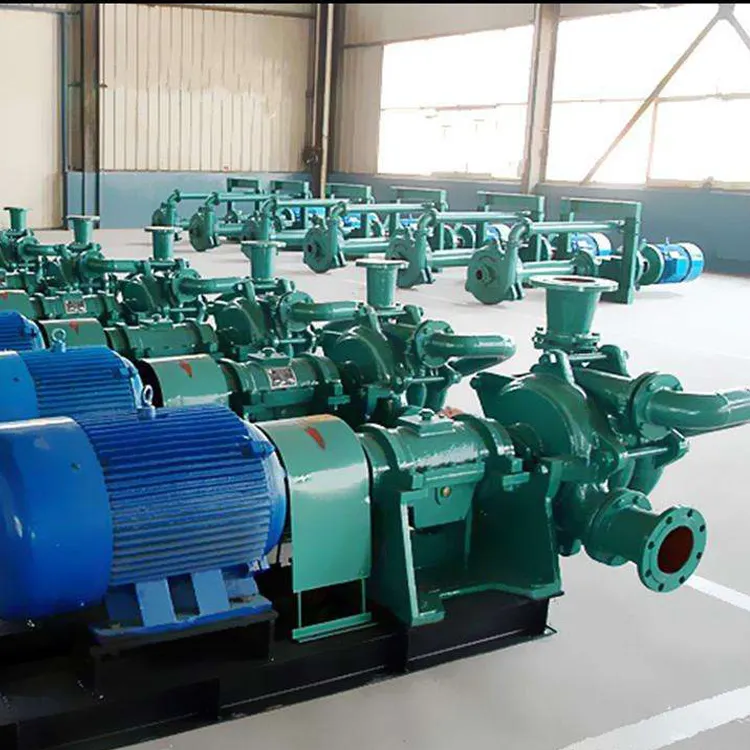
Macerator pump septic tank systems represent a significant advancement in onsite wastewater treatment, particularly suited for properties where conventional gravity-fed systems are impractical due to soil conditions, topography, or limited space. Unlike traditional septic systems that rely on gravity to move wastewater, macerator systems utilize a grinder pump to reduce solid waste to a slurry before discharge into the septic tank and subsequent drainfield. This technology addresses common pain points such as drainfield clogging, slow drainage, and the need for large septic tanks. The system comprises a macerating pump unit, a septic tank, and a typically smaller drainfield. The core performance characteristics revolve around efficient solids reduction, consistent effluent flow, and reliable operation in challenging installation environments. These systems are gaining prevalence in areas with high water tables, clay-rich soils, and properties lacking the necessary elevation for gravity flow.
Material Science & Manufacturing
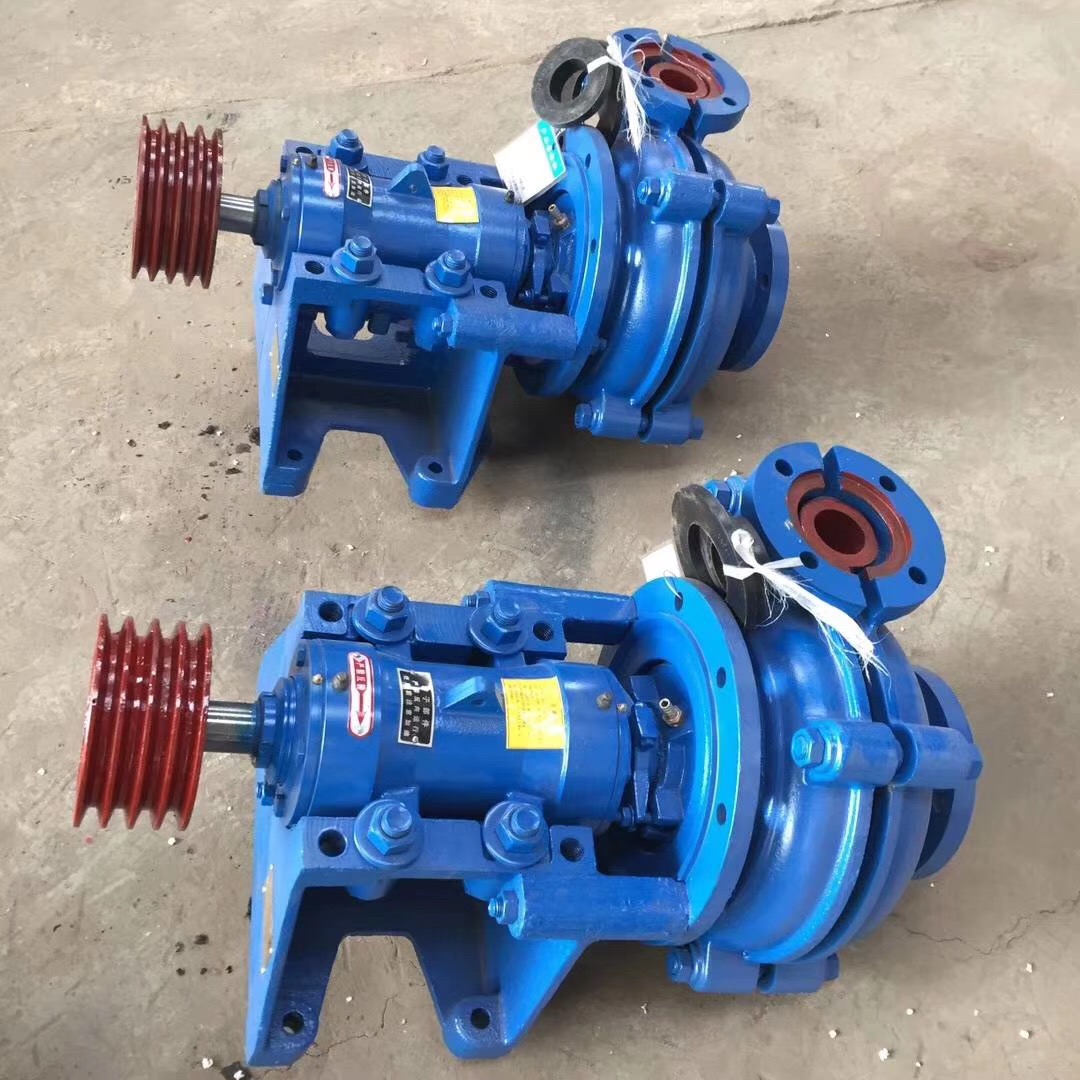
The construction of a macerator pump septic tank system involves a diverse range of materials, each chosen for specific properties relating to durability, chemical resistance, and performance. The septic tank itself is commonly fabricated from reinforced concrete, high-density polyethylene (HDPE), or fiberglass. Reinforced concrete offers robust structural integrity and longevity, but is susceptible to cracking over time due to ground movement and chemical attack. HDPE provides excellent chemical resistance, is lightweight, and features inherent flexibility. Fiberglass is corrosion-resistant, lightweight, and offers a smooth interior surface, minimizing solids buildup. The macerator pump housing is typically constructed from stainless steel (304 or 316 grade) or engineered polymers. Stainless steel offers superior wear resistance and corrosion protection, crucial for handling abrasive wastewater solids. The impeller and cutting blades within the pump are hardened stainless steel to withstand continuous grinding. Manufacturing involves precision machining of the pump components, followed by rigorous testing for impeller balance and hydraulic performance. The electric motor driving the pump is usually a submersible, thermally protected induction motor, encapsulated to prevent water ingress. Key parameter control during manufacturing focuses on maintaining tight tolerances in pump clearances, ensuring proper seal integrity, and verifying the chemical resistance of all wetted parts. The drainfield piping is generally PVC or polypropylene, selected for their resistance to degradation from wastewater constituents.
Performance & Engineering
The performance of a macerator pump septic tank system hinges on several critical engineering considerations. Force analysis centers on the hydraulic forces exerted by the wastewater flow and the mechanical stresses on the pump components. Pump selection must account for total dynamic head (TDH), which includes elevation difference, friction losses in piping, and pressure requirements at the drainfield. The impeller design directly impacts pump efficiency and solids handling capability. Environmental resistance is paramount; the system must withstand fluctuating temperatures, soil moisture levels, and potential exposure to corrosive elements in the soil. Compliance requirements, dictated by local and national regulations (discussed in the footer), specify minimum treatment standards for effluent quality (BOD, TSS, ammonia) and require regular system inspections. Functional implementation involves proper sizing of the septic tank and drainfield based on anticipated wastewater flow rates and soil percolation rates. Backflow prevention devices are essential to prevent wastewater from returning to the potable water supply. Control systems, often utilizing float switches and timers, regulate pump operation to prevent overload and ensure consistent effluent delivery. Alarm systems are integrated to alert homeowners to pump failures, high water levels, or other malfunctions. The system must be engineered to minimize noise pollution from the pump operation, often requiring sound-dampening enclosures.
Technical Specifications
| Parameter | Typical Value (Residential Application) | Units | Testing Standard |
|---|---|---|---|
| Pump Motor Horsepower | 0.75 - 1.5 | HP | IEEE 45 |
| Maximum Flow Rate | 60 - 120 | GPM (Gallons Per Minute) | ASTM D3018 |
| Maximum Total Dynamic Head | 50 - 100 | Feet | Hydraulic Institute Standards |
| Solids Handling Capability | Up to 1 inch diameter | Inches | Internal Testing (Manufacturer Specific) |
| Septic Tank Capacity | 750 - 1500 | Gallons | Local Regulations |
| Power Supply | 120/240 | VAC (Volts AC) | UL 508A |
Failure Mode & Maintenance
Macerator pump septic tank systems, while robust, are susceptible to specific failure modes. Fatigue cracking of the pump impeller, often due to continuous impact from abrasive solids, is a common issue. Delamination of the pump housing or septic tank material can occur over time due to chemical degradation or physical stress. Pump motor failure, caused by overheating, electrical faults, or bearing wear, is also prevalent. Drainfield clogging, despite the maceration process, can happen if excessive grease, non-biodegradable materials, or fine particles accumulate. Seal failures can lead to leakage and pump inefficiency. Oxidation and corrosion of metallic components, particularly in corrosive soil environments, can significantly reduce system lifespan. Preventative maintenance is crucial. This includes annual pump inspections for impeller wear and seal integrity, regular septic tank cleaning to remove accumulated sludge, and careful monitoring of effluent quality. Avoiding the disposal of grease, feminine hygiene products, and other non-biodegradable items into the system is paramount. Periodic drainfield inspection and potential rejuvenation (e.g., drainfield aeration) can extend its lifespan. In the event of pump failure, a thorough inspection is needed to identify the root cause – electrical issues, mechanical damage, or blockage. Proper grounding and surge protection are vital to prevent electrical damage. A maintenance schedule outlining regular inspections, cleaning, and component replacement should be established and followed diligently.
Industry FAQ
Q: What are the primary advantages of a macerator pump system compared to a traditional gravity-fed system?
A: Macerator pump systems offer significant advantages where soil conditions or topography are unfavorable for gravity flow. They allow for installation in areas with high water tables, clay-rich soils, or sloping properties. They also reduce the required drainfield size and allow for more flexible tank placement. The maceration process helps prevent drainfield clogging and improves effluent distribution.
Q: How often does the macerator pump require servicing, and what does typical maintenance entail?
A: The macerator pump typically requires annual servicing. This includes a visual inspection for leaks, checking impeller wear, verifying seal integrity, and cleaning the pump housing. The septic tank should be pumped every 3-5 years, depending on usage. Electrical connections should be inspected for corrosion and proper grounding.
Q: What types of materials are compatible with the wastewater stream and will not degrade the system components?
A: Stainless steel (304/316), high-density polyethylene (HDPE), and polypropylene are generally compatible with wastewater. Avoid introducing harsh chemicals, excessive grease, feminine hygiene products, and non-biodegradable materials into the system. Regular use of septic tank additives is generally not recommended and can sometimes be detrimental.
Q: What are the common causes of pump failure, and how can these be mitigated?
A: Common causes of pump failure include impeller wear, seal failure, motor overheating, and electrical issues. Mitigation strategies include regular maintenance, avoiding the disposal of inappropriate materials, ensuring proper electrical grounding and surge protection, and selecting a pump with appropriate horsepower for the application.
Q: What regulatory standards govern the installation and operation of macerator pump septic tank systems?
A: Installation and operation are governed by a combination of local, state, and national regulations. These typically include standards set by the EPA, state environmental agencies, and local health departments. Compliance requirements often specify minimum treatment standards for effluent quality (BOD, TSS, ammonia) and require regular system inspections and permitting.
Conclusion
Macerator pump septic tank systems provide a viable and often superior solution for onsite wastewater treatment in challenging environments. Their ability to effectively reduce solids, handle difficult soil conditions, and offer flexible installation options makes them increasingly attractive for residential and commercial applications. The longevity and performance of these systems are directly tied to material selection, precise manufacturing processes, and diligent preventative maintenance.
Looking forward, advancements in pump technology, such as variable speed drives and improved impeller designs, will likely enhance system efficiency and reduce energy consumption. Integration with smart monitoring systems, providing real-time data on pump performance and effluent quality, will further streamline maintenance and ensure regulatory compliance. Continued research into durable, corrosion-resistant materials will also extend system lifespan and reduce lifecycle costs.
-
Precision at the Pump: How Better Machining Protects Flow and Uptime
News2026-11-20
-
Why Pump Reliability Begins Before the First Drop of Fluid
News2026-11-20
-
Beyond the Pump: Designing Safer Access Around Critical Water Infrastructure
News2026-11-20
-
Why Pumping Stations Depend on the Infrastructure Beneath the Pumps
News2026-11-20
-
Beyond the Pump Room: How Smarter Loading Protects Industrial Equipment
News2026-11-19
-
When Pumps Stop: Designing More Resilient Power for Critical Pumping Systems
News2026-11-19
-
The Hidden Role of Dust and Gas Monitoring in Reliable Pump Operations
News2026-11-19
-
The Hidden Role of Mineral Compounds in Extending Industrial Pump Lifespan
News2026-10-12
-
Why Pump System Reliability Depends on Precision Hose Assembly Methods
News2026-09-15
-
How Advanced Imaging Films Are Transforming Pump Component Quality Control
News2026-08-25
-
How Advanced Filtration Protects Pump Systems from Premature Wear and Costly Downtime
News2026-08-25
-
How Steel Material Selection Drives Pump Reliability in Heavy-Duty Systems
News2026-08-25
-
Ensuring Pump System Efficiency: The Role of High-Quality Pipe Fittings and Tubing
News2026-08-24
-
Optimizing Fluid Dynamics and Material Consistency in Industrial Processing
News2026-08-18
-
Innovations and Challenges in Hydraulic Systems for Heavy Machinery
News2026-08-13




