English
- Afrikaans
- Albanian
- Amharic
- Arabic
- Armenian
- Azerbaijani
- Basque
- Belarusian
- Bengali
- Bosnian
- Bulgarian
- Catalan
- Cebuano
- Corsican
- Croatian
- Czech
- Danish
- Dutch
- English
- Esperanto
- Estonian
- Finnish
- French
- Frisian
- Galician
- Georgian
- German
- Greek
- Gujarati
- Haitian Creole
- hausa
- hawaiian
- Hebrew
- Hindi
- Miao
- Hungarian
- Icelandic
- igbo
- Indonesian
- irish
- Italian
- Japanese
- Javanese
- Kannada
- kazakh
- Khmer
- Rwandese
- Korean
- Kurdish
- Kyrgyz
- Lao
- Latin
- Latvian
- Lithuanian
- Luxembourgish
- Macedonian
- Malgashi
- Malay
- Malayalam
- Maltese
- Maori
- Marathi
- Mongolian
- Myanmar
- Nepali
- Norwegian
- Norwegian
- Occitan
- Pashto
- Persian
- Polish
- Portuguese
- Punjabi
- Romanian
- Russian
- Samoan
- Scottish Gaelic
- Serbian
- Sesotho
- Shona
- Sindhi
- Sinhala
- Slovak
- Slovenian
- Somali
- Spanish
- Sundanese
- Swahili
- Swedish
- Tagalog
- Tajik
- Tamil
- Tatar
- Telugu
- Thai
- Turkish
- Turkmen
- Ukrainian
- Urdu
- Uighur
- Uzbek
- Vietnamese
- Welsh
- Bantu
- Yiddish
- Yoruba
- Zulu

Telephone: +86 13120555503
Email: frank@cypump.com


Apr . 01, 2024 17:55 Back to list
lift pump for sewer Performance and Engineering
Introduction
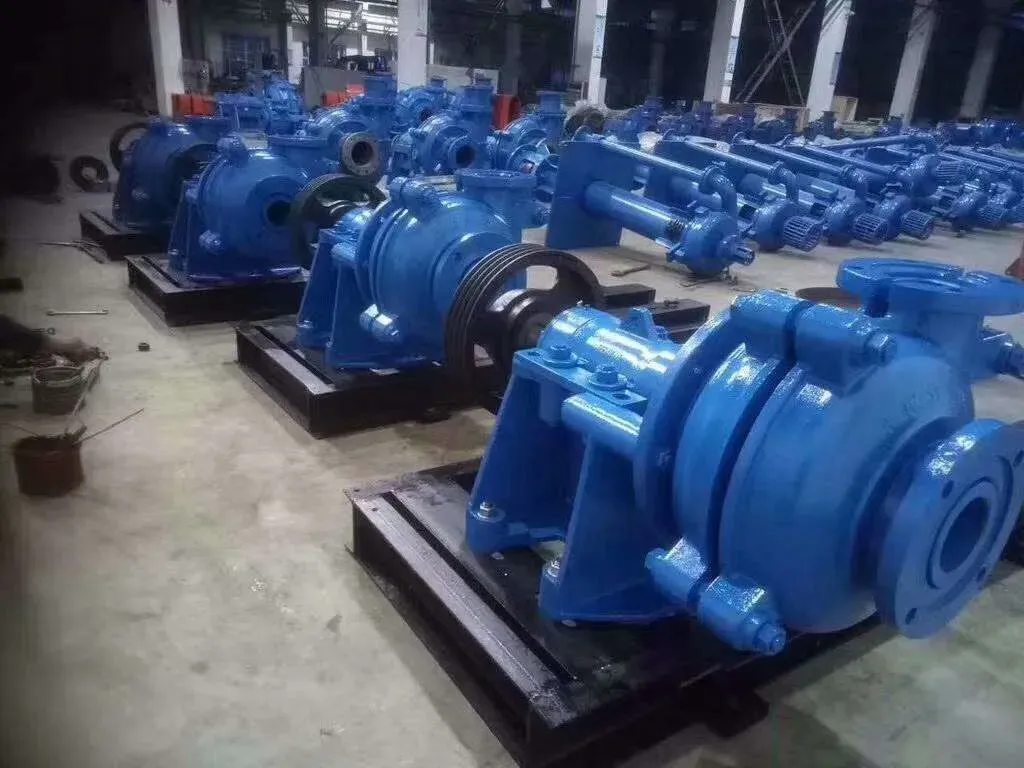
Lift pumps for sewer applications are critical components in wastewater management systems, designed to transfer sewage from lower elevations to higher elevations, or to overcome hydraulic obstacles in gravity-fed systems. These pumps are essential for maintaining efficient sewage flow, preventing backups, and ensuring compliance with environmental regulations. Their technical position within the wastewater treatment chain is pre-treatment, focusing on conveyance. Core performance characteristics center around flow rate (gallons per minute or liters per second), total dynamic head (TDH – the height the pump can lift the fluid, plus friction losses), motor horsepower, and solids handling capability. A significant industry pain point is pump failure due to abrasive solids, corrosion from hydrogen sulfide (H₂S), and improper sizing for the specific application, leading to costly downtime and environmental concerns. Ensuring reliable operation requires careful material selection, proper installation, and a robust maintenance schedule. Modern lift pump systems increasingly integrate smart monitoring and control features to optimize performance and predict potential failures.
Material Science & Manufacturing
Lift pumps for sewer are commonly constructed from materials selected for their resistance to corrosion and abrasion. Cast iron, particularly ductile iron (ASTM A536-83), is frequently used for pump casings and impellers due to its strength and cost-effectiveness. However, in particularly corrosive environments, stainless steel (304, 316, or duplex stainless steels conforming to ASTM A743) is preferred, offering superior resistance to sulfide stress cracking and pitting corrosion. Impeller materials also include high-chrome iron alloys for enhanced abrasion resistance, crucial for handling sand, grit, and other solids. Pump shaft materials typically utilize 4140 or 4340 alloy steel, heat-treated for high tensile strength and fatigue resistance. Manufacturing processes involve several key stages. Casing fabrication often employs sand casting or investment casting, followed by machining to precise tolerances. Impellers are frequently produced via centrifugal casting or investment casting, ensuring accurate blade profiles and balance. Shafts are machined from bar stock, with critical dimensions held to strict specifications. Pump assembly involves careful alignment of rotating components, sealing with mechanical seals (typically silicon carbide faces for high abrasion resistance) and gaskets (EPDM or Viton depending on the fluid characteristics). Welding processes, when employed, require qualified welders and adherence to AWS D1.1 standards to ensure structural integrity. Parameter control during manufacturing focuses on dimensional accuracy, surface finish, and material hardness to optimize pump performance and longevity.
Performance & Engineering
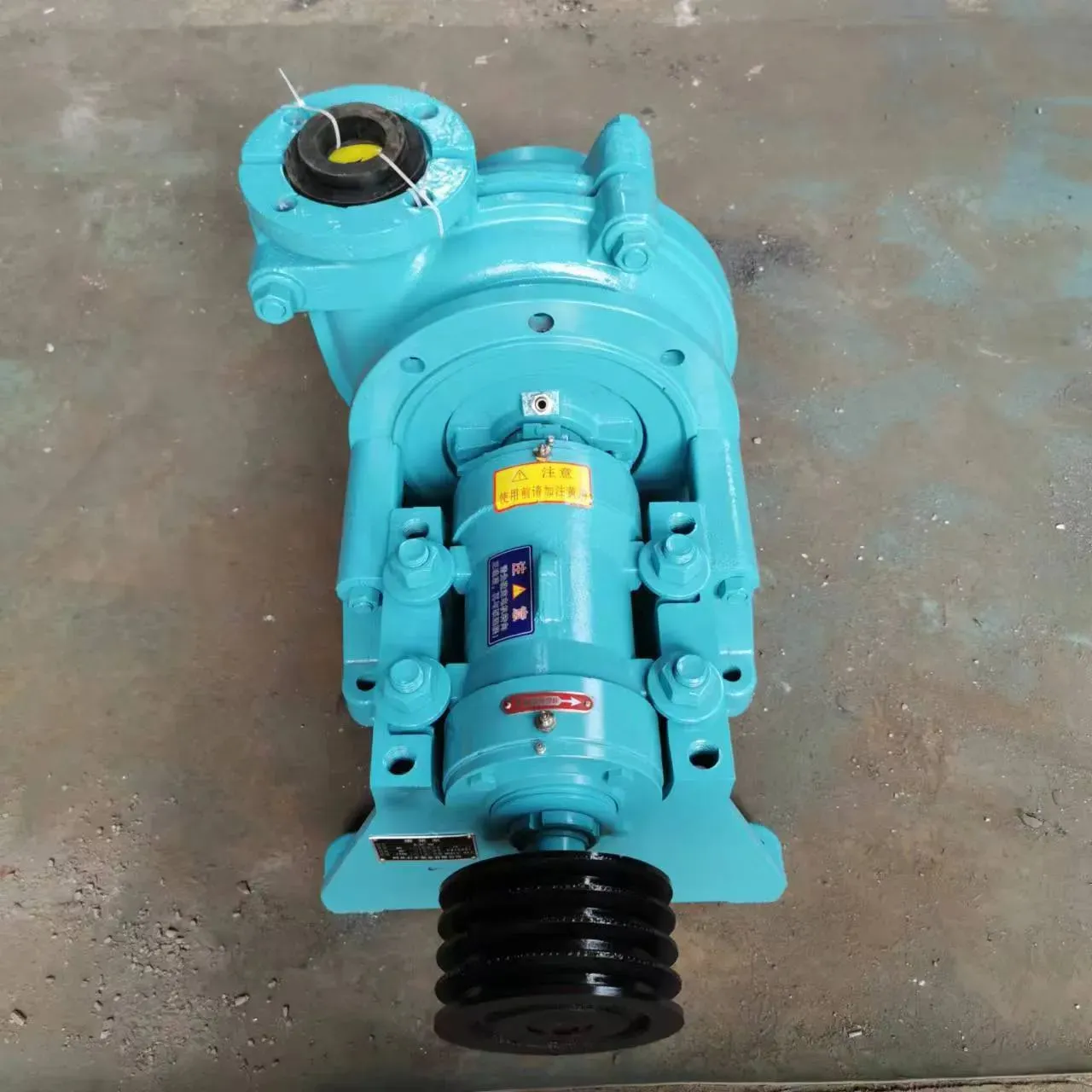
The performance of a lift pump is governed by fluid dynamics principles and mechanical engineering considerations. Force analysis involves calculating the radial and axial thrusts on the impeller, which are dependent on flow rate, pressure differential, and impeller geometry. These forces are countered by bearings – typically ball or roller bearings – selected for their load-carrying capacity and durability. Environmental resistance is a key factor, particularly concerning temperature extremes and exposure to corrosive gases. Pumps operating in cold climates require freeze protection measures, such as heating jackets or insulation. The presence of hydrogen sulfide (H₂S) in sewage necessitates corrosion-resistant materials and potentially the implementation of H₂S scrubbing systems. Compliance requirements vary by region but generally include standards related to electrical safety (UL 508A, CSA C22.2 No. 10), pump performance (Hydraulic Institute standards), and environmental protection (EPA regulations). Functional implementation often involves sophisticated control systems, including level sensors, variable frequency drives (VFDs), and programmable logic controllers (PLCs). VFDs allow for precise control of pump speed, optimizing energy consumption and minimizing hydraulic shock. Pump curves, generated through hydraulic testing (following ISO 9906), are essential for selecting the appropriate pump for a given application. Proper suction and discharge piping design, minimizing friction losses and preventing cavitation, is also critical for optimal performance. NPSH (Net Positive Suction Head) calculations are vital to prevent cavitation damage to the impeller.
Technical Specifications
| Parameter | Unit | Typical Value (Small Residential) | Typical Value (Large Municipal) |
|---|---|---|---|
| Flow Rate | GPM (Gallons per Minute) | 20-50 | 500-2000 |
| Total Dynamic Head (TDH) | Feet | 10-30 | 50-150 |
| Motor Horsepower | HP | 1/2 - 1 | 10-50 |
| Solids Handling Capability | Inches | Up to 2 | Up to 4 |
| Impeller Material | - | Cast Iron (Ductile) | Stainless Steel (316) or High-Chrome Iron |
| Casing Material | - | Cast Iron (Ductile) | Stainless Steel (304/316) |
Failure Mode & Maintenance
Lift pumps are susceptible to several failure modes. Fatigue cracking in the impeller or casing can occur due to cyclical loading and stress concentration. Delamination of coatings (if applied) can lead to corrosion. Degradation of elastomers (seals and gaskets) results in leakage. Oxidation of metallic components, particularly in the presence of H₂S, weakens the material and promotes corrosion. Abrasive wear from solids causes erosion of the impeller and casing. Bearing failure is a common issue, often stemming from inadequate lubrication or excessive loading. Cavitation, resulting from low NPSH, causes pitting and erosion of the impeller. Maintenance solutions include regular inspection for wear and corrosion, lubrication of bearings according to manufacturer’s recommendations, cleaning of pump intakes to prevent clogging, and replacement of worn seals and gaskets. Periodic vibration analysis can detect bearing wear and imbalance. Monitoring of pump performance parameters (flow rate, pressure, power consumption) can identify deviations from normal operation, indicating potential problems. Implementing a preventive maintenance schedule, including periodic pump overhauls, can significantly extend pump lifespan. Consideration should be given to using corrosion inhibitors to mitigate sulfide corrosion. In situations with high solids content, the installation of a pre-screen or grit removal system can reduce abrasive wear.
Industry FAQ
Q: What is the most common cause of lift pump failure in municipal wastewater systems?
A: The most common cause is typically solids-induced wear and corrosion from hydrogen sulfide (H₂S). Abrasive materials within the sewage, such as sand and grit, erode impeller and casing surfaces. Simultaneously, H₂S corrodes metallic components, leading to structural weakening and eventual failure. Implementing grit removal systems and utilizing corrosion-resistant materials are key mitigation strategies.
Q: How do you determine the appropriate size lift pump for a given application?
A: Proper pump sizing requires a thorough analysis of the system's hydraulic profile. This includes determining the maximum flow rate, the total dynamic head (TDH), and the characteristics of the sewage being pumped. The TDH is calculated by summing the static lift, friction losses in the piping, and any pressure at the discharge point. Pump curves should be consulted to select a pump that delivers the required flow rate at the calculated TDH.
Q: What are the benefits of using a variable frequency drive (VFD) with a lift pump?
A: VFDs offer significant advantages, including energy savings, reduced hydraulic shock, and extended pump life. By adjusting the pump speed to match the actual flow demand, VFDs minimize energy consumption. Slower starts and stops reduce water hammer and stress on the piping system. Precise speed control also allows for optimized performance and reduced wear and tear on the pump components.
Q: What materials are best suited for lift pumps handling highly corrosive sewage?
A: In highly corrosive environments, stainless steel (specifically 316 or duplex stainless steel) is the preferred material for both the pump casing and impeller. These alloys offer superior resistance to sulfide stress cracking, pitting corrosion, and general corrosion. Additionally, using mechanical seals with silicon carbide faces and EPDM or Viton gaskets enhances corrosion resistance.
Q: How often should a lift pump undergo preventative maintenance?
A: Preventative maintenance frequency depends on the operating conditions and pump usage. However, a general guideline is to conduct a visual inspection every 3-6 months, including checking for leaks, unusual noises, and vibration. Bearing lubrication should be performed according to the manufacturer's recommendations, typically every 6-12 months. A full pump overhaul, including impeller inspection and seal replacement, should be performed every 3-5 years.
Conclusion
Lift pumps for sewer represent a critical infrastructural component for effective wastewater management. Their selection, installation, and maintenance demand a comprehensive understanding of fluid dynamics, material science, and relevant industry standards. Proper material selection – prioritizing corrosion resistance and abrasion resistance – is paramount to ensuring long-term reliability and minimizing life-cycle costs.
The integration of advanced technologies, such as VFDs and smart monitoring systems, further optimizes performance, reduces energy consumption, and enables predictive maintenance strategies. Adherence to established industry standards (ISO, ASTM) and implementation of robust preventative maintenance programs are essential for maximizing pump lifespan and safeguarding environmental compliance.
-
Comprehensive Guide to Waterproof ORings for Optimal Sealing Solutions
News2026-06-09
-
submergable pump Material Science
News2026-06-23
-
sewer injection pump Performance Engineering
News2026-06-23
-
Sewer Ejector Pump System Performance Analysis
News2026-06-23
-
septic tank pump for sale Performance Engineering
News2026-06-23
-
septic pump for sale Performance Engineering
News2026-06-23
-
septic ejector system Performance Analysis
News2026-06-22
-
replace septic pump Performance Analysis
News2026-06-22
-
pump system septic tank Performance Analysis
News2026-06-22
-
lift pump for sewer Performance and Engineering
News2026-06-22
-
industrial submersible water pump Material Science
News2026-06-22
-
industrial submersible pumps Material Science and Manufacturing
News2026-06-21
-
best sewer ejector pump Performance Analysis
News2026-06-21
-
best septic pump Performance Analysis
News2026-06-21
-
1 2 hp septic pump Performance Engineering
News2026-06-21




