English
- Afrikaans
- Albanian
- Amharic
- Arabic
- Armenian
- Azerbaijani
- Basque
- Belarusian
- Bengali
- Bosnian
- Bulgarian
- Catalan
- Cebuano
- Corsican
- Croatian
- Czech
- Danish
- Dutch
- English
- Esperanto
- Estonian
- Finnish
- French
- Frisian
- Galician
- Georgian
- German
- Greek
- Gujarati
- Haitian Creole
- hausa
- hawaiian
- Hebrew
- Hindi
- Miao
- Hungarian
- Icelandic
- igbo
- Indonesian
- irish
- Italian
- Japanese
- Javanese
- Kannada
- kazakh
- Khmer
- Rwandese
- Korean
- Kurdish
- Kyrgyz
- Lao
- Latin
- Latvian
- Lithuanian
- Luxembourgish
- Macedonian
- Malgashi
- Malay
- Malayalam
- Maltese
- Maori
- Marathi
- Mongolian
- Myanmar
- Nepali
- Norwegian
- Norwegian
- Occitan
- Pashto
- Persian
- Polish
- Portuguese
- Punjabi
- Romanian
- Russian
- Samoan
- Scottish Gaelic
- Serbian
- Sesotho
- Shona
- Sindhi
- Sinhala
- Slovak
- Slovenian
- Somali
- Spanish
- Sundanese
- Swahili
- Swedish
- Tagalog
- Tajik
- Tamil
- Tatar
- Telugu
- Thai
- Turkish
- Turkmen
- Ukrainian
- Urdu
- Uighur
- Uzbek
- Vietnamese
- Welsh
- Bantu
- Yiddish
- Yoruba
- Zulu

Telephone: +86 13120555503
Email: frank@cypump.com


Apr . 01, 2024 17:55 Back to list
lift pump for septic system Material Science Manufacturing
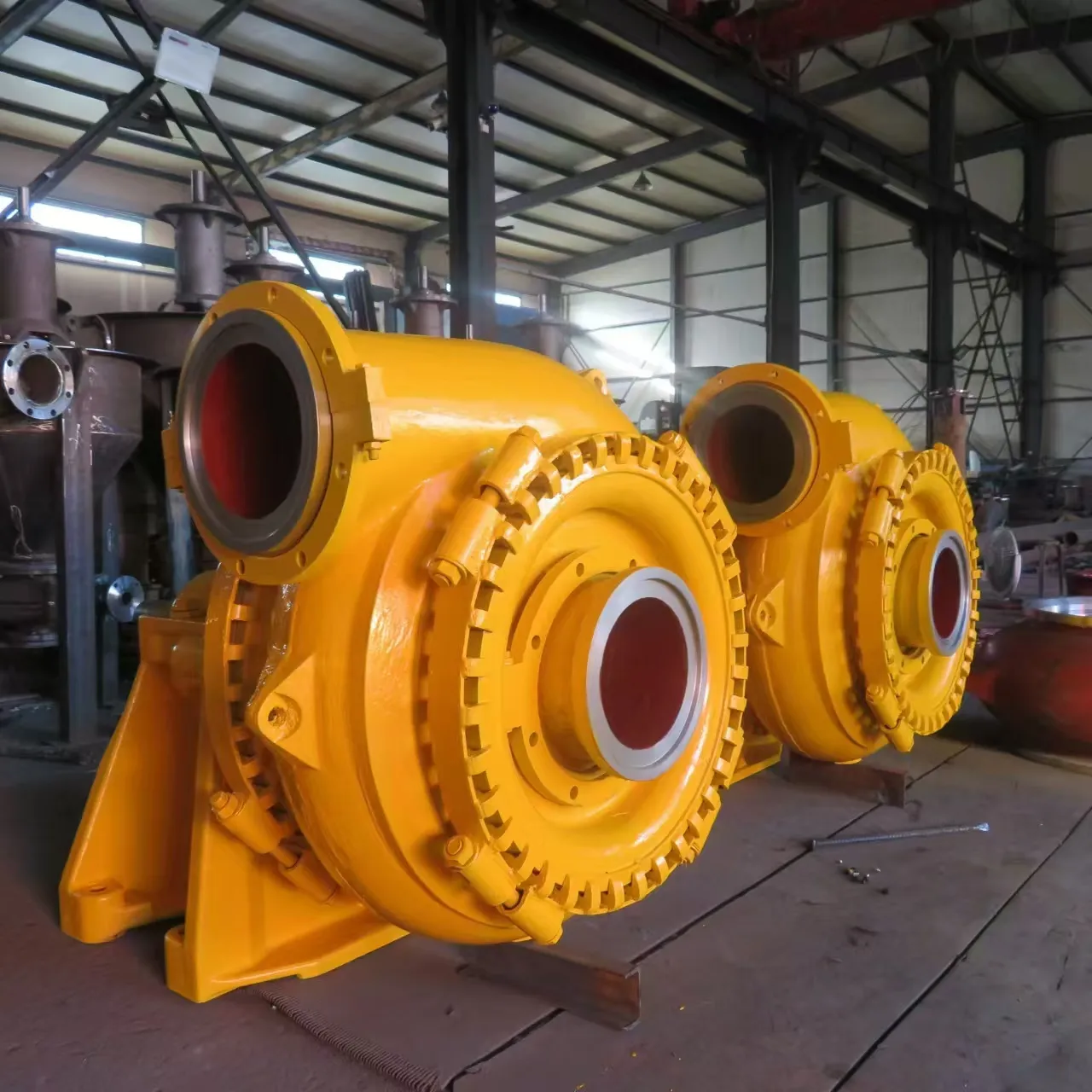
Introduction
Lift pumps for septic systems are essential components in wastewater management, facilitating the transfer of effluent from a septic tank to a drain field located at a higher elevation. These pumps overcome gravitational limitations inherent in many residential and commercial septic system designs. They are specifically engineered to handle the unique challenges posed by septic waste – namely, the presence of solids and abrasive materials – unlike pumps designed for clean water applications. Their technical position within the wastewater treatment chain places them directly after primary treatment (the septic tank) and before secondary treatment (the drain field). Core performance characteristics include pumping capacity (gallons per minute – GPM), total dynamic head (TDH – the vertical distance the pump can lift the fluid, plus friction losses in the piping), and the ability to effectively macerate or shear solids to prevent clogging. Industry pain points center around pump failure due to solids buildup, corrosion from hydrogen sulfide (H2S) gas produced during anaerobic digestion, and inadequate pump sizing leading to inefficient system operation and potential drain field overload. Proper selection, installation, and maintenance are critical for ensuring long-term, reliable operation and preventing costly system failures.
Material Science & Manufacturing
The construction of lift pumps for septic systems necessitates materials resistant to corrosive elements and capable of handling abrasive solids. Pump housings are commonly manufactured from cast iron (ASTM A48 Class 30), offering good strength and wear resistance, but require protective coatings to prevent corrosion. Increasingly, thermoplastic materials like polypropylene (PP) and high-density polyethylene (HDPE) are utilized due to their inherent corrosion resistance to H2S and other septic tank gases, though they may exhibit lower mechanical strength. Impeller materials typically consist of stainless steel (304 or 316 grade - ASTM A240), chosen for its superior corrosion resistance and ability to withstand impact from solids. Shafts are generally constructed from 4140 alloy steel (ASTM A297), heat treated for enhanced strength and durability. Manufacturing processes involve several key stages. Housing construction employs sand casting or investment casting to achieve the required complex geometries. Impeller fabrication utilizes investment casting or machining from solid stock. Critical parameters during manufacturing include dimensional accuracy of the impeller vanes (impacts pump efficiency) and the uniformity of protective coatings (critical for corrosion prevention). Welding, where used, must adhere to AWS D1.1 standards to ensure structural integrity. Mechanical seals, crucial for preventing leakage, are typically manufactured from silicon carbide (SiC) or tungsten carbide (WC) faces, providing exceptional wear resistance. The pump's float switch assembly, responsible for automatic pump activation and deactivation based on liquid level, utilizes encapsulated switches for reliable operation in humid and corrosive environments. Proper control of material composition and adherence to stringent manufacturing tolerances are paramount to ensuring the longevity and performance of these pumps.
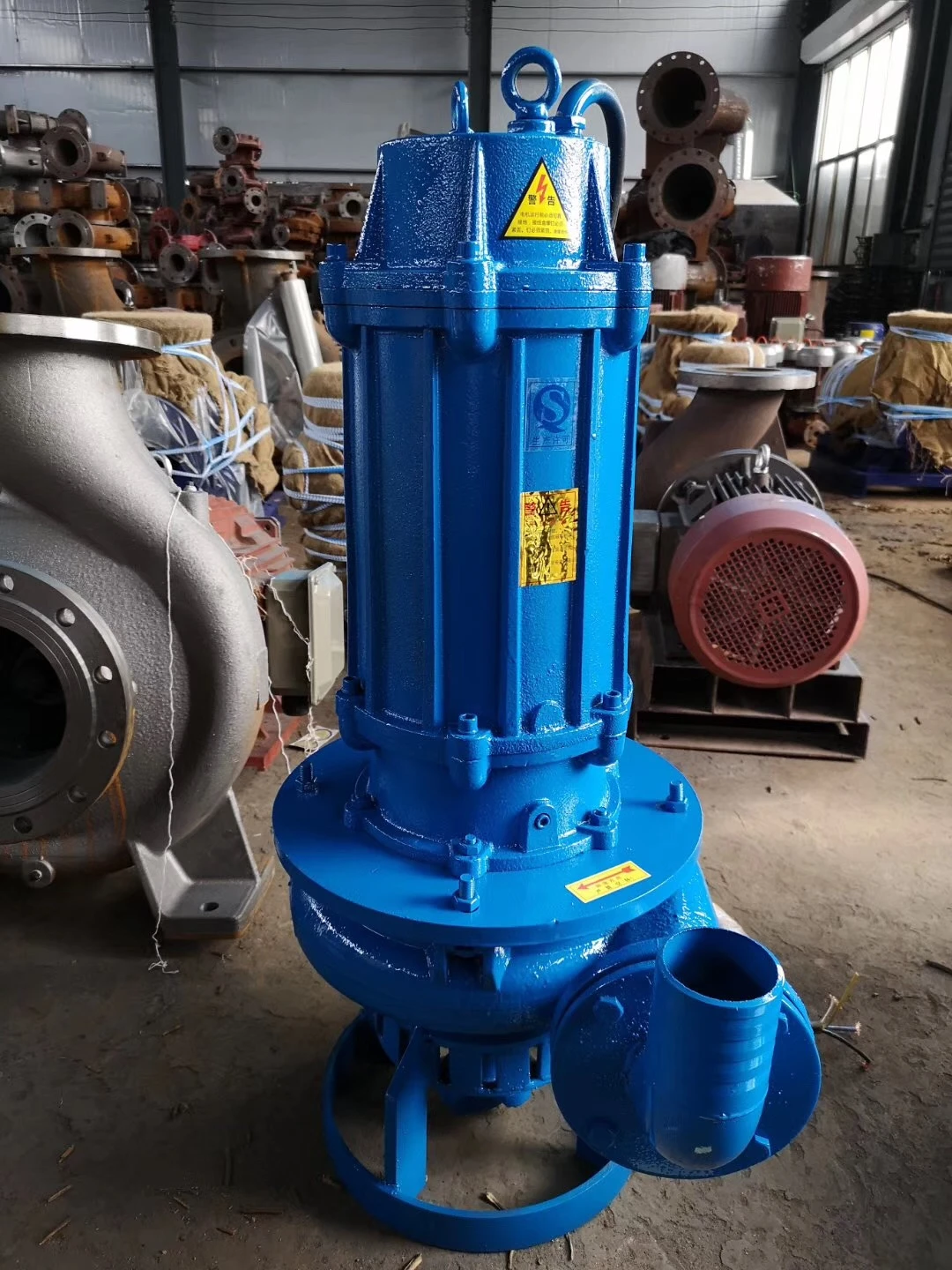
Performance & Engineering
The performance of a lift pump is dictated by its hydraulic design and motor characteristics. Key engineering considerations include the pump’s flow rate (GPM) versus head (TDH) curve. This curve represents the pump's capacity to deliver fluid at various elevations, accounting for frictional losses within the piping system. Force analysis is critical in designing the pump housing and impeller to withstand the pressures generated during operation. Finite element analysis (FEA) is often employed to optimize structural integrity and minimize stress concentrations. Environmental resistance, specifically the pump’s ability to operate in a corrosive septic tank environment, is paramount. The pump must be capable of withstanding continuous exposure to H2S, methane, and other corrosive gases. Compliance requirements include adherence to National Electrical Code (NEC) standards for electrical safety and potentially local plumbing codes regulating wastewater disposal. Functional implementation involves the correct sizing of the pump to match the system’s flow requirements, ensuring adequate maceration capability to prevent clogging, and properly configuring the float switch system to prevent pump dry-running or continuous operation. Pump curves are generated through rigorous testing in accordance with Hydraulic Institute standards (ANSI/HI 1.6). Motor selection is crucial; typically, submersible motors are used, encapsulated to prevent moisture ingress and designed for continuous duty operation (IEC 60034-1). Proper venting of the pump chamber is also essential to prevent pressure buildup and ensure efficient operation.
Technical Specifications
| Parameter | Unit | Typical Range | Testing Standard |
|---|---|---|---|
| Flow Rate (GPM) | Gallons per Minute | 40 - 120 | ANSI/HI 1.6 |
| Total Dynamic Head (TDH) | Feet | 10 - 50 | ANSI/HI 1.6 |
| Motor Horsepower | HP | 1/2 - 2 | IEC 60034-1 |
| Impeller Type | - | Vortex, Recessed, or Cutter | Manufacturer Specification |
| Solids Handling Capability | Inches | Up to 2 | Manufacturer Specification |
| Minimum Wet Well Depth | Inches | 18 | Manufacturer Recommendation |
Failure Mode & Maintenance
Lift pump failures in septic systems are often attributable to several common modes. Fatigue cracking of the impeller, particularly in pumps handling abrasive solids, is a frequent issue. Corrosion, driven by H2S and other corrosive gases, can lead to weakening of the pump housing and internal components. Clogging due to the accumulation of solids (grease, rags, etc.) is a primary cause of pump failure, often resulting in motor overheating and burnout. Seal failure, allowing wastewater to enter the motor housing, is another common problem. Delamination of protective coatings on cast iron housings exposes the underlying metal to corrosion. Oxidation of electrical connections can lead to intermittent operation or complete pump failure. Preventative maintenance is critical. Regular inspection of the pump and wet well is essential, removing any accumulated debris. Annual inspection and replacement of the mechanical seal is recommended. Periodic testing of the float switch system ensures proper operation. Lubrication of motor bearings (where applicable) extends motor life. When troubleshooting, it’s crucial to check for voltage imbalances, tripped circuit breakers, and signs of corrosion. If clogging is suspected, the pump should be carefully removed and thoroughly cleaned. For corrosion-related failures, consider upgrading to pumps constructed from more corrosion-resistant materials like HDPE or stainless steel. Proper pump sizing and adequate wet well volume are essential to minimize pump cycling and extend service life.
Industry FAQ
Q: What is the optimal pump size for my septic system?
A: Determining the correct pump size requires a detailed analysis of your system’s flow requirements, the vertical lift (TDH), and the distance to the drain field. An undersized pump will struggle to keep up with peak flows, leading to drain field overloading. An oversized pump will cycle frequently, reducing its lifespan and potentially causing damage to the piping. Consult a qualified septic system designer or engineer to perform a hydraulic calculation based on your specific system parameters. Consider peak flow rates, not just average daily flow.
Q: How often should I inspect my lift pump?
A: Annual inspection is generally recommended. This should include a visual inspection of the pump housing, impeller, and float switch. Check for signs of corrosion, leakage, or damage. Also, inspect the wet well for debris and sediment buildup. More frequent inspections (e.g., quarterly) may be necessary in systems prone to excessive solids loading.
Q: What type of impeller is best for my application?
A: The impeller type depends on the characteristics of the wastewater. Vortex impellers are suitable for handling liquids with high solids content, as they minimize clogging. Recessed impellers offer good efficiency for clear liquids but are more susceptible to clogging. Cutter impellers are designed to macerate solids, preventing clogging but may consume more energy.
Q: What causes hydrogen sulfide corrosion, and how can it be mitigated?
A: Hydrogen sulfide (H2S) is a byproduct of anaerobic digestion in the septic tank. It reacts with moisture to form sulfuric acid, which corrodes metal components. Mitigation strategies include using corrosion-resistant materials like HDPE or stainless steel, ensuring proper ventilation of the wet well, and potentially utilizing chemical inhibitors to reduce H2S levels.
Q: What are the warning signs of a failing lift pump?
A: Common warning signs include prolonged pump run times, unusual noises (grinding, rattling), decreased flow rate, frequent pump cycling, and a sewage backup. If you observe any of these symptoms, it’s essential to investigate the issue promptly to prevent a complete system failure.
Conclusion
Lift pumps for septic systems represent a critical link in wastewater management, demanding careful selection, installation, and maintenance to ensure reliable operation. The longevity and performance of these pumps are heavily influenced by material science considerations – specifically the resistance of components to corrosive environments and abrasive solids. Understanding the principles of pump performance, including flow rate, total dynamic head, and impeller design, is essential for optimizing system efficiency and preventing failures.
Looking forward, advancements in pump technology will likely focus on improving energy efficiency, enhancing solids handling capabilities, and developing more durable, corrosion-resistant materials. Implementing remote monitoring systems with real-time performance data will enable proactive maintenance and prevent costly system failures. Adherence to relevant industry standards and best practices will continue to be paramount in ensuring the long-term sustainability of septic systems.
-
Comprehensive Guide to Waterproof ORings for Optimal Sealing Solutions
News2026-06-09
-
septic tank pump system Performance Analysis
News2026-06-15
-
septic system lift pump Performance Analysis
News2026-06-15
-
septic pumps for sale Performance Analysis
News2026-06-15
-
lift pump for septic system Material Science Manufacturing
News2026-06-15
-
Ejector Pit and Pump System Performance
News2026-06-15
-
basement plumbing pump Performance Engineering
News2026-06-14
-
water submersible pump Performance Engineering
News2026-06-14
-
Septic Systems with Pumps Performance Analysis
News2026-06-14
-
Septic Pump Systems Performance Analysis
News2026-06-14
-
septic ejector pump Material Science and Manufacturing
News2026-06-14
-
septic effluent pump Performance and Engineering
News2026-06-13
-
ejector sump pump Performance Engineering
News2026-06-13
-
Wastewater Pump Performance Analysis
News2026-06-13
-
waste water pumps Material Science Manufacturing
News2026-06-13




