English
- Afrikaans
- Albanian
- Amharic
- Arabic
- Armenian
- Azerbaijani
- Basque
- Belarusian
- Bengali
- Bosnian
- Bulgarian
- Catalan
- Cebuano
- Corsican
- Croatian
- Czech
- Danish
- Dutch
- English
- Esperanto
- Estonian
- Finnish
- French
- Frisian
- Galician
- Georgian
- German
- Greek
- Gujarati
- Haitian Creole
- hausa
- hawaiian
- Hebrew
- Hindi
- Miao
- Hungarian
- Icelandic
- igbo
- Indonesian
- irish
- Italian
- Japanese
- Javanese
- Kannada
- kazakh
- Khmer
- Rwandese
- Korean
- Kurdish
- Kyrgyz
- Lao
- Latin
- Latvian
- Lithuanian
- Luxembourgish
- Macedonian
- Malgashi
- Malay
- Malayalam
- Maltese
- Maori
- Marathi
- Mongolian
- Myanmar
- Nepali
- Norwegian
- Norwegian
- Occitan
- Pashto
- Persian
- Polish
- Portuguese
- Punjabi
- Romanian
- Russian
- Samoan
- Scottish Gaelic
- Serbian
- Sesotho
- Shona
- Sindhi
- Sinhala
- Slovak
- Slovenian
- Somali
- Spanish
- Sundanese
- Swahili
- Swedish
- Tagalog
- Tajik
- Tamil
- Tatar
- Telugu
- Thai
- Turkish
- Turkmen
- Ukrainian
- Urdu
- Uighur
- Uzbek
- Vietnamese
- Welsh
- Bantu
- Yiddish
- Yoruba
- Zulu

Telephone: +86 13120555503
Email: frank@cypump.com


Apr . 01, 2024 17:55 Back to list
lift pump for septic system efficient solutions for wastewater performance engineering
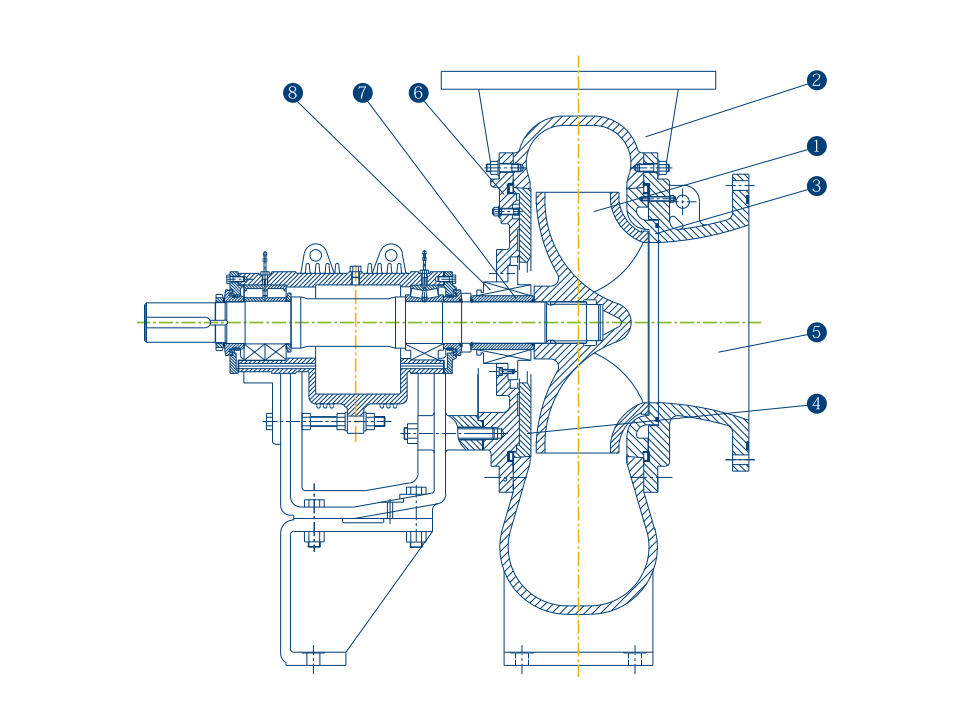
Introduction
Lift pumps for septic systems represent a critical component in wastewater management for properties located at elevations higher than the local sewer line or where gravity alone cannot effectively transport effluent. These submersible pumps are engineered to overcome static head and deliver consistent flow to the septic tank or treatment system. Their role extends beyond mere conveyance; efficient lift pump operation directly impacts the longevity of the entire septic system, preventing backups, maintaining optimal bacterial activity within the tank, and ensuring regulatory compliance. This guide provides a comprehensive technical overview of lift pumps in septic applications, covering material science, manufacturing processes, performance characteristics, failure modes, and relevant industry standards. Core industry pain points revolve around pump selection for specific hydraulic profiles, mitigating corrosion in aggressive wastewater environments, and achieving long-term reliability with minimal maintenance. Improperly sized or maintained lift pumps can lead to costly repairs, environmental contamination, and system failure, making a thorough understanding of their operation paramount for engineers, installers, and homeowners.
Material Science & Manufacturing
Lift pumps utilized in septic systems are typically constructed from materials selected for their resistance to corrosion and abrasion inherent in wastewater. Pump housings are commonly cast iron (ASTM A48 Class 30) with an epoxy coating to provide a barrier against sulfide attack. Impellers, responsible for generating hydraulic force, are often manufactured from high-density polypropylene (HDPE) or stainless steel (316SS), chosen for their resistance to both abrasive solids and chemical degradation. Shafts are typically 410 stainless steel, hardened to resist torsional stress. Seals are a critical component; Viton (fluoroelastomer) is frequently used for its chemical compatibility with a broad range of wastewater constituents. Manufacturing processes vary. Cast iron housings utilize sand casting followed by machining and epoxy coating application. Plastic impellers are produced via injection molding, demanding precise temperature and pressure control to achieve dimensional accuracy and prevent warping. Motor housings are often aluminum alloy die-cast, requiring careful control of alloy composition and cooling rates to minimize porosity. Quality control at each stage, including hydrostatic testing of the housing and dynamic balancing of the impeller, is crucial to ensure performance and longevity. The selection of materials must account for the expected pH range (typically 6.0 – 8.0 in a healthy septic system, but potentially lower in systems with excessive infiltration) and the presence of specific corrosive elements such as hydrogen sulfide (H2S) and chlorides.
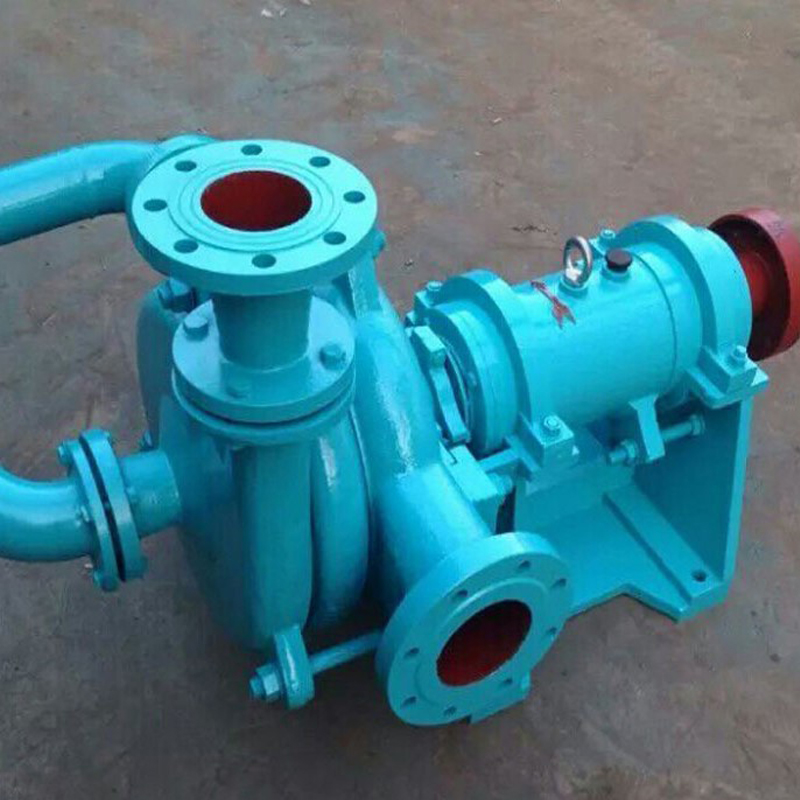
Performance & Engineering
Lift pump performance is primarily defined by its pump curve, detailing the relationship between flow rate (gallons per minute - GPM) and total dynamic head (TDH) expressed in feet. TDH encompasses static head (vertical distance the pump lifts the effluent), friction losses within the piping system, and any pressure requirements at the discharge point. Correct pump sizing necessitates accurate calculation of TDH. Force analysis involves consideration of the motor's horsepower requirement to overcome these forces and maintain the desired flow rate. Environmental resistance is crucial; pumps must be fully submersible and capable of operating continuously in wet, potentially corrosive environments. Compliance requirements, dictated by local and national regulations (detailed in the Standards section), often specify minimum pump efficiency standards and alarm requirements for high liquid level or pump failure. Functional implementation includes the integration of a float switch system for automatic pump activation and deactivation based on liquid level. Redundancy is often incorporated via dual-pump systems for critical applications, ensuring continued operation in the event of a single pump failure. Proper electrical grounding and overcurrent protection (circuit breakers or fuses) are essential for safety and preventing motor damage. Hydraulic Institute standards (HI) provide guidelines for pump testing and performance evaluation.
Technical Specifications
| Parameter | Typical Range (Residential Septic) | Units | Testing Standard |
|---|---|---|---|
| Flow Rate | 40-120 | GPM | ANSI/HI 1.4 |
| Total Dynamic Head (TDH) | 10-50 | Feet | Calculated per Darcy-Weisbach equation |
| Motor Horsepower | 1/2 - 1.5 | HP | NEMA MG 1 |
| Voltage | 120/240 | VAC | UL 508A |
| Solids Handling Capacity | Up to 2 | Inches | Manufacturer Specification |
| Discharge Pipe Size | 1.25 - 2 | Inches | Based on flow rate and pipe friction loss |
Failure Mode & Maintenance
Common failure modes in septic lift pumps include impeller clogging (due to solids accumulation), motor burnout (caused by overheating or electrical issues), seal failure (leading to leakage and reduced pumping efficiency), and float switch malfunction (resulting in continuous or intermittent pump operation). Fatigue cracking of the pump housing can occur over time due to cyclical stress. Delamination of the epoxy coating exposes the cast iron to corrosion. Hydrogen sulfide (H2S) induced corrosion is a significant concern, particularly in systems with prolonged periods of inactivity. Maintenance procedures should include regular inspection of the pump intake screen for debris, periodic cleaning of the pump basin to remove sediment buildup, and annual inspection of the float switch for proper operation. Electrical connections should be checked for corrosion and tightness. Motor windings should be tested for insulation resistance to detect potential overheating. Preventative maintenance, including periodic pump station cleaning and professional inspection, can significantly extend pump life and minimize the risk of catastrophic failure. Replacing pumps proactively based on monitored run-time hours is also a common strategy. Failure analysis often involves visual inspection for corrosion, wear, and damage, as well as electrical testing to diagnose motor issues.
Industry FAQ
Q: What is the correct method for determining the required lift pump horsepower for my septic system?
A: Determining horsepower requires a precise calculation of the Total Dynamic Head (TDH). This includes static head (vertical lift), friction losses in the piping (calculated using the Darcy-Weisbach equation based on pipe material, diameter, and length), and any pressure requirements at the discharge point. Once TDH and the desired flow rate are known, a pump curve should be consulted to select a pump that can deliver the necessary flow at the calculated head. Over-sizing the pump is inefficient, while under-sizing will lead to inadequate performance.
Q: How can I mitigate corrosion in a septic lift pump station?
A: Corrosion mitigation strategies include selecting pumps constructed from corrosion-resistant materials (stainless steel, epoxy-coated cast iron), ensuring proper ventilation to reduce H2S concentration, utilizing sacrificial anodes to protect metallic components, and implementing a regular maintenance schedule that includes inspection and cleaning of the pump station. Chemical dosing systems can also be employed to adjust pH and reduce corrosivity.
Q: What are the key considerations when selecting a float switch system for a septic lift pump?
A: Float switch selection depends on the basin shape, pump cycle requirements, and potential for solids interference. Vertical floats are common but can be prone to entanglement in debris. Spherical floats are less susceptible to entanglement. Dual-float systems (one for pump start, one for pump stop) provide greater reliability. The float switch should be properly weighted and positioned to ensure accurate level sensing.
Q: What are the common causes of pump burnout in a septic lift pump application?
A: Pump burnout is often caused by overheating due to insufficient cooling (low liquid level), electrical issues (voltage imbalances, shorts), impeller clogging (leading to increased motor load), or running the pump against a closed discharge valve. Regular inspection of the electrical connections and ensuring adequate liquid level are crucial preventative measures.
Q: What is the recommended maintenance schedule for a septic lift pump system?
A: A recommended maintenance schedule includes monthly visual inspection of the pump basin and float switches, quarterly cleaning of the intake screen, annual inspection of electrical connections and motor windings, and periodic professional inspection (every 3-5 years) to assess pump performance and identify potential issues before they escalate.
Conclusion
Lift pumps are indispensable components of efficient wastewater management in septic systems, particularly where gravity alone is insufficient. Selecting the correct pump, constructed from corrosion-resistant materials, and ensuring proper installation and maintenance are paramount for long-term reliability and system performance. Understanding the interplay between hydraulic forces, material science, and regulatory compliance is critical for engineers, installers, and homeowners alike.
Future trends in lift pump technology include the development of more energy-efficient pumps with variable frequency drives (VFDs) for optimized performance, advanced monitoring systems for remote diagnostics and predictive maintenance, and improved impeller designs to enhance solids handling capabilities. Implementing these advancements will further contribute to the sustainability and cost-effectiveness of septic wastewater treatment.
-
Precision at the Pump: How Better Machining Protects Flow and Uptime
News2026-11-20
-
Why Pump Reliability Begins Before the First Drop of Fluid
News2026-11-20
-
Beyond the Pump: Designing Safer Access Around Critical Water Infrastructure
News2026-11-20
-
Why Pumping Stations Depend on the Infrastructure Beneath the Pumps
News2026-11-20
-
Beyond the Pump Room: How Smarter Loading Protects Industrial Equipment
News2026-11-19
-
When Pumps Stop: Designing More Resilient Power for Critical Pumping Systems
News2026-11-19
-
The Hidden Role of Dust and Gas Monitoring in Reliable Pump Operations
News2026-11-19
-
The Hidden Role of Mineral Compounds in Extending Industrial Pump Lifespan
News2026-10-12
-
Why Pump System Reliability Depends on Precision Hose Assembly Methods
News2026-09-15
-
How Advanced Imaging Films Are Transforming Pump Component Quality Control
News2026-08-25
-
How Advanced Filtration Protects Pump Systems from Premature Wear and Costly Downtime
News2026-08-25
-
How Steel Material Selection Drives Pump Reliability in Heavy-Duty Systems
News2026-08-25
-
Ensuring Pump System Efficiency: The Role of High-Quality Pipe Fittings and Tubing
News2026-08-24
-
Optimizing Fluid Dynamics and Material Consistency in Industrial Processing
News2026-08-18
-
Innovations and Challenges in Hydraulic Systems for Heavy Machinery
News2026-08-13




