English
- Afrikaans
- Albanian
- Amharic
- Arabic
- Armenian
- Azerbaijani
- Basque
- Belarusian
- Bengali
- Bosnian
- Bulgarian
- Catalan
- Cebuano
- Corsican
- Croatian
- Czech
- Danish
- Dutch
- English
- Esperanto
- Estonian
- Finnish
- French
- Frisian
- Galician
- Georgian
- German
- Greek
- Gujarati
- Haitian Creole
- hausa
- hawaiian
- Hebrew
- Hindi
- Miao
- Hungarian
- Icelandic
- igbo
- Indonesian
- irish
- Italian
- Japanese
- Javanese
- Kannada
- kazakh
- Khmer
- Rwandese
- Korean
- Kurdish
- Kyrgyz
- Lao
- Latin
- Latvian
- Lithuanian
- Luxembourgish
- Macedonian
- Malgashi
- Malay
- Malayalam
- Maltese
- Maori
- Marathi
- Mongolian
- Myanmar
- Nepali
- Norwegian
- Norwegian
- Occitan
- Pashto
- Persian
- Polish
- Portuguese
- Punjabi
- Romanian
- Russian
- Samoan
- Scottish Gaelic
- Serbian
- Sesotho
- Shona
- Sindhi
- Sinhala
- Slovak
- Slovenian
- Somali
- Spanish
- Sundanese
- Swahili
- Swedish
- Tagalog
- Tajik
- Tamil
- Tatar
- Telugu
- Thai
- Turkish
- Turkmen
- Ukrainian
- Urdu
- Uighur
- Uzbek
- Vietnamese
- Welsh
- Bantu
- Yiddish
- Yoruba
- Zulu

Telephone: +86 13120555503
Email: frank@cypump.com


Apr . 01, 2024 17:55 Back to list
liberty submersible sewage pumps Performance Engineering
Introduction
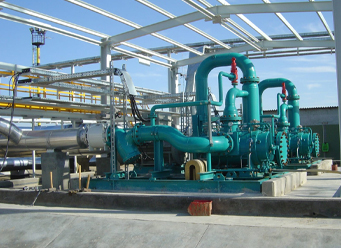
Liberty submersible sewage pumps are engineered for the reliable and efficient transfer of wastewater, sewage, and solids-laden liquids. Positioned within the wastewater treatment and municipal infrastructure chain, these pumps serve as critical components in lift stations, sewage treatment plants, and industrial applications requiring robust fluid handling. Their core performance characteristics revolve around high solids handling capacity, abrasion resistance, and the ability to operate effectively in submerged conditions. Unlike centrifugal pumps designed for clean fluids, Liberty pumps address the specific challenges posed by aggressive environments and substantial particulate matter, preventing clogging and ensuring consistent operation. A key differentiator is their sealed motor design, protecting against moisture ingress and maximizing service life in corrosive environments. This guide provides an in-depth technical examination of these pumps, covering material science, manufacturing, performance engineering, failure modes, and applicable industry standards.
Material Science & Manufacturing
The construction of Liberty submersible sewage pumps necessitates a careful selection of materials to withstand the harsh operating conditions. Pump casings are commonly manufactured from ductile iron (ASTM A536 Grade 65-45-12) chosen for its tensile strength, impact resistance, and corrosion resistance, particularly when coupled with protective coatings. Impellers, responsible for imparting kinetic energy to the fluid, are frequently constructed from high-chrome cast iron (typically containing 13-28% chromium) to resist abrasive wear from solid particles. Shafts are typically manufactured from 4140 alloy steel, heat-treated to achieve high yield strength and torsional rigidity. Seals are critical components; Liberty pumps utilize multiple mechanical seals typically constructed from silicon carbide faces with Viton® or EPDM elastomers for compatibility with various wastewater compositions. The manufacturing process begins with casting the pump housing and impeller. Critical dimensions are verified through Coordinate Measuring Machines (CMM) to ensure adherence to design specifications. Welding processes, such as Shielded Metal Arc Welding (SMAW) or Gas Tungsten Arc Welding (GTAW), are employed for joining components, requiring stringent quality control to prevent porosity and ensure structural integrity. Motor housings are typically cast aluminum or stainless steel. Motor windings are insulated with Class H insulation materials, capable of withstanding high temperatures and moisture. Pump assembly involves precise fitting of seals, bearings, and impeller alignment, followed by rigorous hydrostatic testing to verify leak-proof operation. Parameter control focuses on maintaining consistent alloy composition, heat treatment temperatures, and weld quality to guarantee long-term performance.
Performance & Engineering
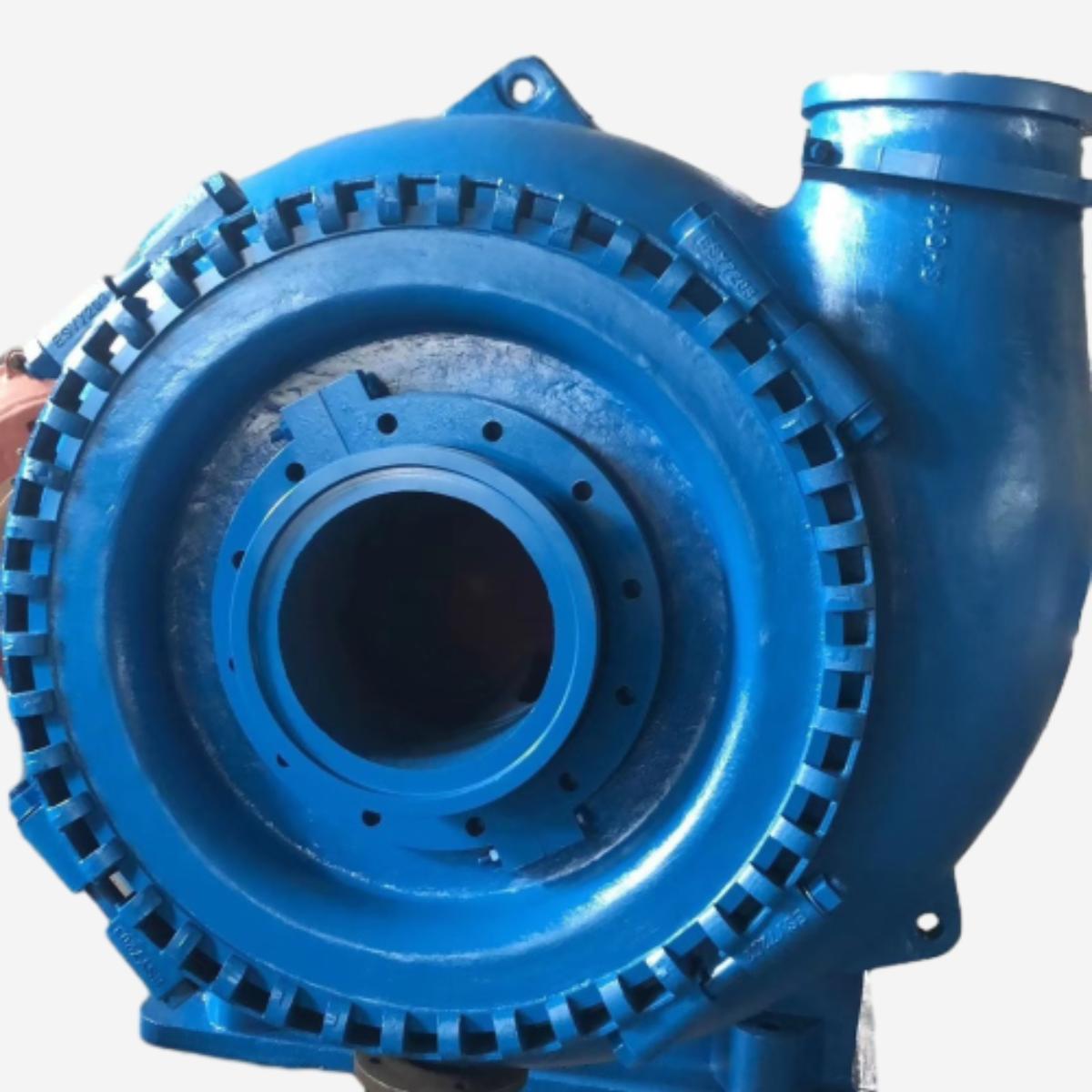
The performance of Liberty submersible sewage pumps is heavily influenced by hydraulic design and motor characteristics. Force analysis is crucial, accounting for radial loads from impeller dynamics and axial thrust from fluid pressure. Pump curves, generated through rigorous testing, define the relationship between flow rate, head (pressure), and power consumption. These curves are essential for proper pump selection based on system requirements. Environmental resistance is a key consideration. Pumps are designed to operate continuously submerged in wastewater, often containing corrosive chemicals and abrasive solids. Coatings, such as epoxy or polyurethane, are applied to metallic surfaces to provide a barrier against corrosion. Cable and seal materials are selected for compatibility with common wastewater constituents, including hydrogen sulfide (H2S) and chlorine compounds. Compliance requirements vary by region. In the United States, pumps must meet EPA standards for energy efficiency and solids handling. European standards (EN 12950) dictate performance criteria and safety regulations. Functional implementation involves careful consideration of pump sizing, piping layout, and control systems. Variable Frequency Drives (VFDs) are often employed to optimize pump speed and energy consumption based on fluctuating flow demands. Pump selection must account for the specific gravity and viscosity of the wastewater being handled, as well as the potential for solids buildup and clogging. Regular monitoring of pump performance parameters, such as motor current and vibration levels, is essential for preventative maintenance and early detection of potential issues.
Technical Specifications
| Model Number | Maximum Flow Rate (GPM) | Maximum Head (ft) | Motor Horsepower (HP) |
|---|---|---|---|
| LCS-260 | 125 | 60 | 2 |
| LCS-370 | 200 | 80 | 3 |
| LCS-580 | 350 | 110 | 5 |
| LCS-790 | 500 | 140 | 7.5 |
| LCS-1000 | 750 | 170 | 10 |
| LCS-1200 | 1000 | 200 | 15 |
Failure Mode & Maintenance
Liberty submersible sewage pumps, despite their robust design, are susceptible to several failure modes. Fatigue cracking in the impeller or pump housing can occur due to cyclic stress from fluid flow and solids impact. Delamination of protective coatings can accelerate corrosion. Bearing failure, often indicated by increased vibration and noise, is typically caused by inadequate lubrication or contamination. Seal failure, leading to motor ingress, is a common issue stemming from abrasive particles or chemical attack. Oxidation of electrical components can occur in humid environments. Proper maintenance is crucial for preventing these failures. Regular inspection of seals and bearings is recommended, along with lubrication according to manufacturer’s specifications. Monitoring motor current and temperature can detect potential winding issues. Periodic cleaning of the pump intake and impeller is essential to prevent clogging. Preventative maintenance schedules should include routine testing of cable integrity and corrosion protection. When repairing a pump, using only genuine Liberty replacement parts is vital to maintain performance and warranty validity. Failure analysis should involve a thorough examination of the failed component to identify the root cause and prevent recurrence. For example, accelerated impeller wear suggests the pump is being used in an application with excessive solids concentration, requiring a different pump model or pre-screening of the influent.
Industry FAQ
Q: What is the impact of wastewater temperature on pump performance and longevity?
A: Elevated wastewater temperatures can reduce the viscosity of the fluid, potentially increasing flow rates but also accelerating the degradation of elastomers within the seals. High temperatures can also shorten the lifespan of motor insulation. Liberty pumps are designed to operate within a specified temperature range (typically up to 90°F or 32°C). Operating outside this range requires derating the pump’s capacity or implementing cooling measures.
Q: How does the solids handling capability of Liberty pumps compare to other pump types?
A: Liberty pumps are specifically engineered for high solids handling capacity, exceeding that of standard centrifugal pumps. Their impeller designs incorporate recessed or vortex configurations that allow solids to pass through without causing clogging. The impeller materials (high-chrome cast iron) are also highly abrasion resistant. However, exceeding the pump’s maximum solids size rating can still lead to operational issues.
Q: What are the key considerations when selecting a pump for a variable flow application?
A: For variable flow applications, it’s crucial to consider the pump’s ability to operate efficiently across a wide range of flow rates and heads. Using a Variable Frequency Drive (VFD) to control pump speed is highly recommended. Pump curves should be analyzed to ensure that the pump operates within its optimal efficiency range for the expected flow profile. The pump’s motor should also be appropriately sized to handle the VFD’s operating characteristics.
Q: What types of corrosion are most common in sewage pump applications, and how are they mitigated?
A: Hydrogen sulfide (H2S) corrosion and microbiologically influenced corrosion (MIC) are prevalent in sewage pump applications. H2S forms sulfuric acid when it reacts with moisture, corroding metallic surfaces. MIC occurs when bacteria accelerate corrosion rates. Mitigation strategies include using corrosion-resistant materials (ductile iron with epoxy coatings), controlling H2S levels through chemical treatment, and implementing cathodic protection systems.
Q: What is the recommended maintenance schedule for a Liberty submersible sewage pump in a typical municipal lift station?
A: A typical maintenance schedule includes monthly visual inspections for leaks and unusual noise, quarterly checks of motor current and vibration levels, semi-annual inspection and lubrication of bearings, and annual inspection and replacement of seals as needed. Regular cleaning of the pump intake screen and removal of any accumulated debris are also essential.
Conclusion
Liberty submersible sewage pumps represent a critical technology within wastewater management systems, offering a reliable and efficient solution for handling demanding fluid transfer applications. Their robust construction, utilizing corrosion-resistant materials and engineered designs, ensures long-term performance in harsh environments. Understanding the principles of material science, hydraulic engineering, and preventative maintenance is essential for optimizing pump selection, operation, and longevity.
Future developments in this field are likely to focus on enhancing pump efficiency through advanced hydraulic designs, integrating smart sensors for predictive maintenance, and improving motor technologies to reduce energy consumption. Continued adherence to industry standards and best practices will be crucial for maintaining the reliability and sustainability of wastewater infrastructure.
-
Precision at the Pump: How Better Machining Protects Flow and Uptime
News2026-11-20
-
Why Pump Reliability Begins Before the First Drop of Fluid
News2026-11-20
-
Beyond the Pump: Designing Safer Access Around Critical Water Infrastructure
News2026-11-20
-
Why Pumping Stations Depend on the Infrastructure Beneath the Pumps
News2026-11-20
-
Beyond the Pump Room: How Smarter Loading Protects Industrial Equipment
News2026-11-19
-
When Pumps Stop: Designing More Resilient Power for Critical Pumping Systems
News2026-11-19
-
The Hidden Role of Dust and Gas Monitoring in Reliable Pump Operations
News2026-11-19
-
The Hidden Role of Mineral Compounds in Extending Industrial Pump Lifespan
News2026-10-12
-
Why Pump System Reliability Depends on Precision Hose Assembly Methods
News2026-09-15
-
How Advanced Imaging Films Are Transforming Pump Component Quality Control
News2026-08-25
-
How Advanced Filtration Protects Pump Systems from Premature Wear and Costly Downtime
News2026-08-25
-
How Steel Material Selection Drives Pump Reliability in Heavy-Duty Systems
News2026-08-25
-
Ensuring Pump System Efficiency: The Role of High-Quality Pipe Fittings and Tubing
News2026-08-24
-
Optimizing Fluid Dynamics and Material Consistency in Industrial Processing
News2026-08-18
-
Innovations and Challenges in Hydraulic Systems for Heavy Machinery
News2026-08-13




