English
- Afrikaans
- Albanian
- Amharic
- Arabic
- Armenian
- Azerbaijani
- Basque
- Belarusian
- Bengali
- Bosnian
- Bulgarian
- Catalan
- Cebuano
- Corsican
- Croatian
- Czech
- Danish
- Dutch
- English
- Esperanto
- Estonian
- Finnish
- French
- Frisian
- Galician
- Georgian
- German
- Greek
- Gujarati
- Haitian Creole
- hausa
- hawaiian
- Hebrew
- Hindi
- Miao
- Hungarian
- Icelandic
- igbo
- Indonesian
- irish
- Italian
- Japanese
- Javanese
- Kannada
- kazakh
- Khmer
- Rwandese
- Korean
- Kurdish
- Kyrgyz
- Lao
- Latin
- Latvian
- Lithuanian
- Luxembourgish
- Macedonian
- Malgashi
- Malay
- Malayalam
- Maltese
- Maori
- Marathi
- Mongolian
- Myanmar
- Nepali
- Norwegian
- Norwegian
- Occitan
- Pashto
- Persian
- Polish
- Portuguese
- Punjabi
- Romanian
- Russian
- Samoan
- Scottish Gaelic
- Serbian
- Sesotho
- Shona
- Sindhi
- Sinhala
- Slovak
- Slovenian
- Somali
- Spanish
- Sundanese
- Swahili
- Swedish
- Tagalog
- Tajik
- Tamil
- Tatar
- Telugu
- Thai
- Turkish
- Turkmen
- Ukrainian
- Urdu
- Uighur
- Uzbek
- Vietnamese
- Welsh
- Bantu
- Yiddish
- Yoruba
- Zulu

Telephone: +86 13120555503
Email: frank@cypump.com


Apr . 01, 2024 17:55 Back to list
liberty submersible sewage pump Material Science Manufacturing
Introduction
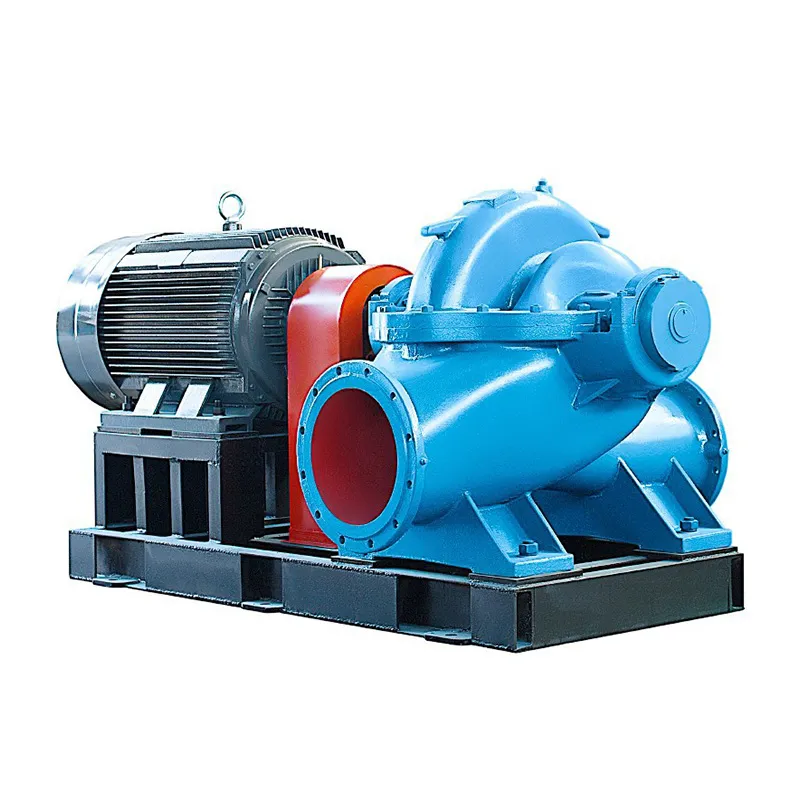
Liberty submersible sewage pumps are centrifugal pumps specifically designed for the efficient and reliable removal of wastewater, sewage, and solids-laden fluids. They occupy a critical niche within municipal and industrial wastewater treatment systems, as well as commercial and residential dewatering applications. Unlike traditional sewage ejectors, submersible pumps are fully immersed in the fluid they are pumping, eliminating the need for priming and reducing noise levels. Their robust construction and ability to handle abrasive materials distinguish them within the broader pump industry. Core performance characteristics include flow rate (gallons per minute or liters per second), total dynamic head (TDH) – the maximum height the pump can lift the fluid – and solids handling capability, typically measured in inches or millimeters. A key industry pain point is pump failure due to clogging, corrosion, or motor burnout, necessitating high maintenance costs and system downtime. Liberty pumps address these challenges through impeller design, material selection, and built-in overload protection.
Material Science & Manufacturing
The construction of Liberty submersible sewage pumps relies on a selection of materials engineered to withstand the corrosive and abrasive nature of wastewater. Pump housings are commonly manufactured from ductile iron (ASTM A536-83), chosen for its high tensile strength, ductility, and resistance to corrosion. Impellers are often constructed from high-chrome cast iron or stainless steel (304 or 316), providing enhanced abrasion resistance for handling solids. Shafts utilize stainless steel (410 or 431) for strength and corrosion resistance. Seals are typically comprised of silicon carbide (SiC) faces, a ceramic material selected for its hardness and chemical inertness, ensuring reliable sealing against fluid leakage. Manufacturing processes include sand casting for the housing, investment casting for impellers with complex geometries, and CNC machining for precise component fabrication. Welding processes, such as shielded metal arc welding (SMAW) or gas tungsten arc welding (GTAW), are used for joining components, requiring stringent quality control to prevent porosity and ensure weld integrity. The motor housing utilizes epoxy-coated aluminum, providing electrical insulation and corrosion protection. Parameter control during manufacturing is crucial, focusing on dimensional accuracy, material composition verification, and non-destructive testing (NDT) methods like ultrasonic testing to detect internal flaws.
Performance & Engineering
The performance of a Liberty submersible sewage pump is governed by fundamental hydraulic principles and engineering considerations. Force analysis focuses on radial and axial thrust loads exerted on the impeller and shaft, respectively, due to fluid pressure and flow. Pump curves, generated through rigorous testing, illustrate the relationship between flow rate, head, and power consumption. Environmental resistance is critical, as pumps operate in potentially corrosive and abrasive environments. Corrosion mitigation strategies include material selection, protective coatings, and cathodic protection systems. Pump efficiency, a crucial metric, is optimized through impeller design, minimizing hydraulic losses and maximizing energy transfer. The impeller's vane geometry is tailored to specific applications, balancing solids handling capability with pumping efficiency. Motor selection is based on the required horsepower (HP) to overcome TDH and deliver the desired flow rate. Compliance requirements, such as National Electrical Manufacturers Association (NEMA) standards for motor performance and UL listing for safety, are paramount. Furthermore, pumps must adhere to environmental regulations concerning wastewater discharge and energy efficiency. Electrical components are encapsulated for moisture protection, and pumps undergo rigorous testing, including hydrodynamic performance testing and dielectric strength testing, to ensure reliability and safety.
Technical Specifications
| Model Number | Horsepower (HP) | Maximum Flow Rate (GPM) | Maximum Head (ft) |
|---|---|---|---|
| LSG25 | 1/2 | 75 | 45 |
| LSG50 | 3/4 | 120 | 60 |
| LSG75 | 1 | 150 | 75 |
| LSG100 | 1.5 | 200 | 90 |
| LSG150 | 2 | 280 | 110 |
| LSG200 | 3 | 350 | 130 |
Failure Mode & Maintenance
Liberty submersible sewage pumps, despite their robust design, are susceptible to several failure modes. Clogging, caused by the accumulation of rags, debris, and solids, is a common issue, leading to reduced flow and potential motor overload. Fatigue cracking in the impeller or housing can occur due to cyclical loading and stress concentration. Delamination of protective coatings can expose underlying metal to corrosion. Motor burnout can result from overheating, caused by insufficient cooling, voltage imbalances, or overload conditions. Shaft failure can stem from bearing wear, misalignment, or excessive radial loads. Seal failure leads to leakage and potential motor contamination. Preventative maintenance is critical for extending pump life. Regular inspection for clogs and debris removal is essential. Lubrication of bearings, following manufacturer's specifications, minimizes friction and wear. Voltage and current monitoring ensures proper motor operation. Periodic testing of the pump’s electrical insulation identifies potential grounding issues. For clogged pumps, a thorough flushing procedure should be employed. Damaged impellers require replacement. Corroded housings may necessitate repair or replacement. Scheduled maintenance programs, based on pump runtime and operating conditions, significantly reduce the likelihood of catastrophic failures and optimize system performance.
Industry FAQ
Q: What is the optimal impeller material for handling highly abrasive sewage containing grit and sand?
A: For applications with high concentrations of abrasive materials, a high-chrome cast iron impeller is generally recommended. The addition of chromium significantly increases the impeller’s hardness and wear resistance, extending its service life compared to standard cast iron or stainless steel in such conditions. Regular inspection and replacement, as needed, remain crucial preventative measures.
Q: How does the pump's motor protection system function, and what types of overloads does it protect against?
A: Liberty pumps typically incorporate a thermal overload protection system within the motor. This system utilizes bimetallic strips or electronic sensors to detect excessive motor temperature. It protects against both overload conditions, where the pump is drawing excessive current due to a blockage or increased head, and locked rotor conditions, where the motor is unable to start. The protection system trips a circuit breaker or relay, shutting off power to the motor to prevent damage.
Q: What is the significance of the pump’s solids handling capability, and how is it measured?
A: Solids handling capability refers to the maximum size of solid particles the pump can effectively pass without clogging. It's typically measured in inches or millimeters. A higher solids handling capability is critical for sewage and wastewater applications, where the fluid often contains rags, plastics, and other debris. The impeller design, particularly the vane geometry and clearance, dictates the pump’s solids handling capacity.
Q: What are the key considerations for selecting the appropriate pump horsepower (HP) for a specific application?
A: HP selection is determined by the total dynamic head (TDH) and the required flow rate. TDH is the sum of static head (vertical lift), friction losses in the piping, and velocity head. Accurate TDH calculation is essential. The pump’s performance curve is then consulted to determine the HP required to achieve the desired flow rate at the calculated TDH. Oversizing the motor can lead to inefficiency, while undersizing can result in pump failure.
Q: What type of seal is most resistant to the chemical constituents commonly found in sewage and wastewater?
A: Silicon carbide (SiC) mechanical seals are the industry standard for submersible sewage pumps due to their exceptional resistance to abrasion and a wide range of chemicals commonly found in wastewater, including hydrogen sulfide, chlorides, and acids. SiC’s hardness and chemical inertness ensure a long service life and reliable sealing performance.
Conclusion
Liberty submersible sewage pumps represent a sophisticated engineering solution for the demanding requirements of wastewater management. Their robust construction, utilizing corrosion-resistant materials and advanced manufacturing techniques, ensures reliable performance in harsh environments. Understanding the interplay between hydraulic principles, motor characteristics, and material science is crucial for proper pump selection, installation, and maintenance. Addressing potential failure modes through preventative maintenance programs and adherence to industry standards mitigates downtime and extends pump life.
Continued innovation in impeller design, motor efficiency, and sensor technology will further enhance the performance and longevity of these critical components of wastewater infrastructure. Future trends include smart pump systems with remote monitoring and predictive maintenance capabilities, optimizing energy consumption and minimizing operational costs. A comprehensive understanding of these technologies empowers engineers and procurement professionals to make informed decisions, ensuring sustainable and efficient wastewater treatment solutions.
-
Precision at the Pump: How Better Machining Protects Flow and Uptime
News2026-11-20
-
Why Pump Reliability Begins Before the First Drop of Fluid
News2026-11-20
-
Beyond the Pump: Designing Safer Access Around Critical Water Infrastructure
News2026-11-20
-
Why Pumping Stations Depend on the Infrastructure Beneath the Pumps
News2026-11-20
-
Beyond the Pump Room: How Smarter Loading Protects Industrial Equipment
News2026-11-19
-
When Pumps Stop: Designing More Resilient Power for Critical Pumping Systems
News2026-11-19
-
The Hidden Role of Dust and Gas Monitoring in Reliable Pump Operations
News2026-11-19
-
The Hidden Role of Mineral Compounds in Extending Industrial Pump Lifespan
News2026-10-12
-
Why Pump System Reliability Depends on Precision Hose Assembly Methods
News2026-09-15
-
How Advanced Imaging Films Are Transforming Pump Component Quality Control
News2026-08-25
-
How Advanced Filtration Protects Pump Systems from Premature Wear and Costly Downtime
News2026-08-25
-
How Steel Material Selection Drives Pump Reliability in Heavy-Duty Systems
News2026-08-25
-
Ensuring Pump System Efficiency: The Role of High-Quality Pipe Fittings and Tubing
News2026-08-24
-
Optimizing Fluid Dynamics and Material Consistency in Industrial Processing
News2026-08-18
-
Innovations and Challenges in Hydraulic Systems for Heavy Machinery
News2026-08-13




