English
- Afrikaans
- Albanian
- Amharic
- Arabic
- Armenian
- Azerbaijani
- Basque
- Belarusian
- Bengali
- Bosnian
- Bulgarian
- Catalan
- Cebuano
- Corsican
- Croatian
- Czech
- Danish
- Dutch
- English
- Esperanto
- Estonian
- Finnish
- French
- Frisian
- Galician
- Georgian
- German
- Greek
- Gujarati
- Haitian Creole
- hausa
- hawaiian
- Hebrew
- Hindi
- Miao
- Hungarian
- Icelandic
- igbo
- Indonesian
- irish
- Italian
- Japanese
- Javanese
- Kannada
- kazakh
- Khmer
- Rwandese
- Korean
- Kurdish
- Kyrgyz
- Lao
- Latin
- Latvian
- Lithuanian
- Luxembourgish
- Macedonian
- Malgashi
- Malay
- Malayalam
- Maltese
- Maori
- Marathi
- Mongolian
- Myanmar
- Nepali
- Norwegian
- Norwegian
- Occitan
- Pashto
- Persian
- Polish
- Portuguese
- Punjabi
- Romanian
- Russian
- Samoan
- Scottish Gaelic
- Serbian
- Sesotho
- Shona
- Sindhi
- Sinhala
- Slovak
- Slovenian
- Somali
- Spanish
- Sundanese
- Swahili
- Swedish
- Tagalog
- Tajik
- Tamil
- Tatar
- Telugu
- Thai
- Turkish
- Turkmen
- Ukrainian
- Urdu
- Uighur
- Uzbek
- Vietnamese
- Welsh
- Bantu
- Yiddish
- Yoruba
- Zulu

Telephone: +86 13120555503
Email: frank@cypump.com


Apr . 01, 2024 17:55 Back to list
liberty pumps submersible sewage pump Performance Analysis
Introduction
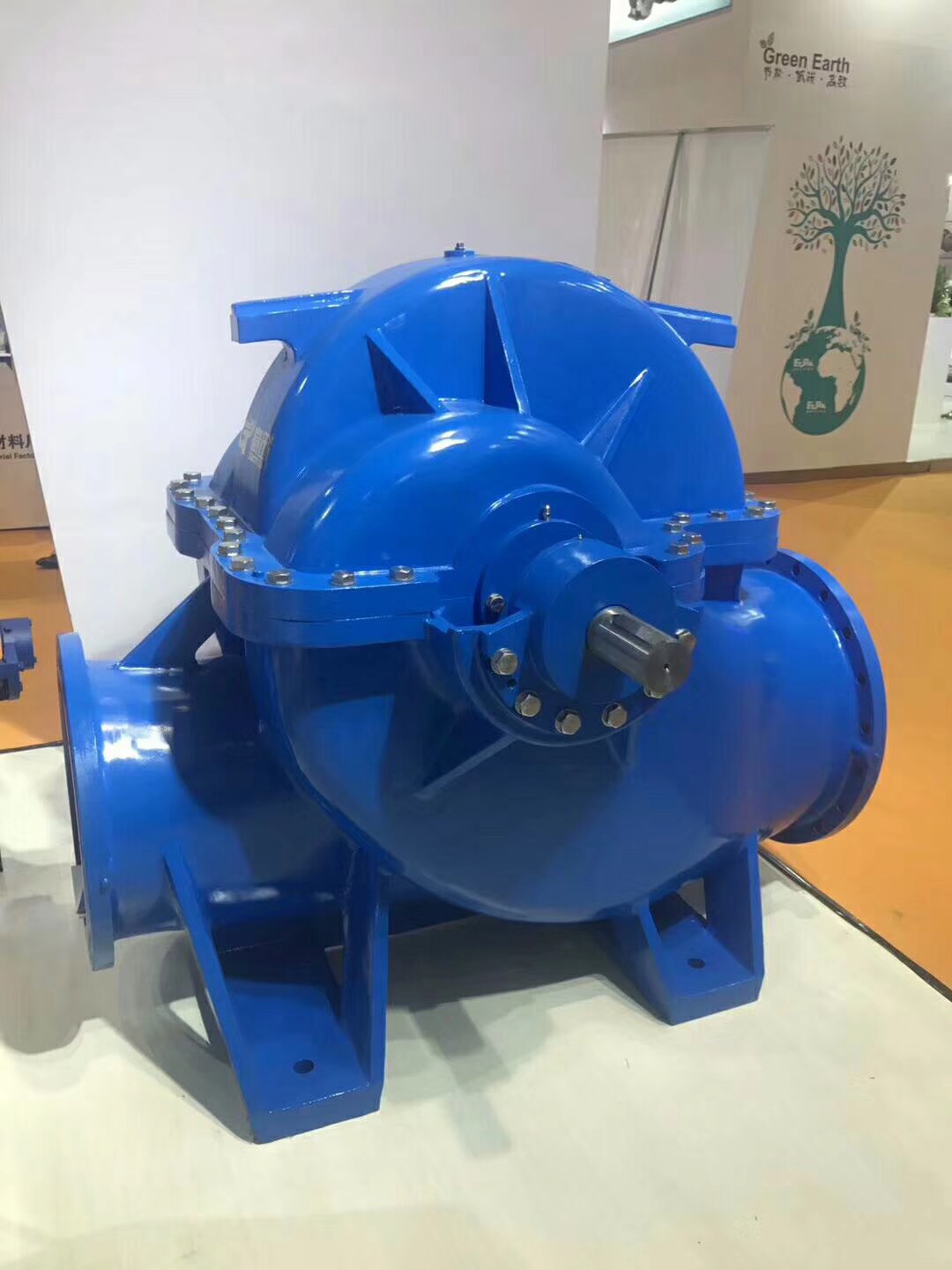
Liberty Pumps submersible sewage pumps are critical components in wastewater management systems, designed for the reliable removal of solids-laden wastewater in residential, commercial, and industrial applications. Positioned within the fluid handling industry chain, these pumps function downstream from collection sources (e.g., septic tanks, lift stations) and upstream from treatment facilities. Their core performance characteristics – flow rate, head, and solids handling capability – directly impact system efficiency and prevent costly blockages and backups. The pumps utilize centrifugal impellers submerged in the fluid, requiring robust materials to resist corrosion, abrasion, and continuous operation in harsh environments. Understanding their material science, engineering principles, and maintenance requirements is essential for optimal performance and longevity. This guide provides a comprehensive technical overview, addressing industry pain points related to pump selection, operational reliability, and life-cycle cost.
Material Science & Manufacturing
The construction of Liberty Pumps submersible sewage pumps prioritizes materials selected for their resistance to the aggressive chemical and physical environment of wastewater. Key components and their respective materials include: Pump Housing: Typically constructed from cast iron (ASTM A48 Class 30) due to its high tensile strength and cost-effectiveness. Epoxy coating is applied to further enhance corrosion resistance. Impeller: Often manufactured from high-chrome cast iron, providing exceptional abrasion resistance against solids. Alternative materials like stainless steel (316 or 440C) are utilized in applications requiring greater chemical resistance or handling of particularly abrasive media. Motor Housing: Commonly composed of stainless steel (304) for its superior corrosion resistance in submerged conditions. Seals: Mechanical seals utilizing silicon carbide faces and Viton elastomers are employed to prevent water ingress and ensure long-term operation. The choice of elastomer is crucial, as it must maintain its integrity in contact with a diverse range of chemicals present in wastewater. Cables: Submersible power cables are constructed with a chlorosulfonated polyethylene (CSPE) jacket, offering excellent resistance to oil, chemicals, and abrasion. The conductor material is typically copper.
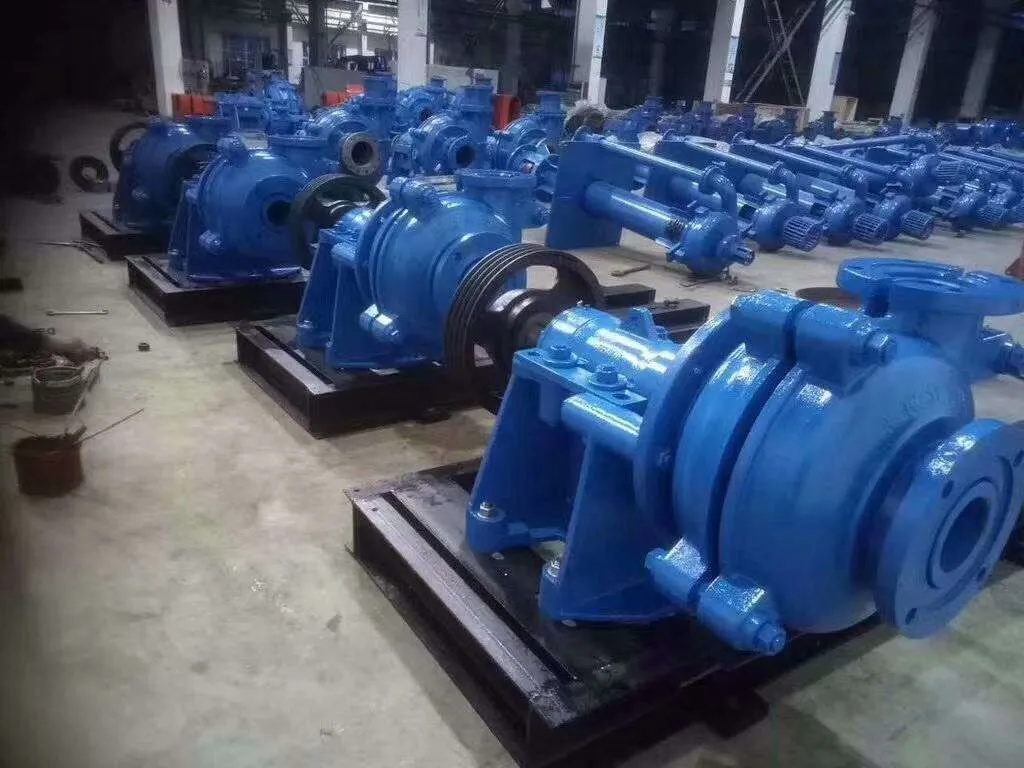
Manufacturing processes are equally critical. Casting: The cast iron components are produced using sand casting, followed by rigorous quality control inspections to detect porosity and structural defects. Machining: Precision machining is employed to ensure accurate impeller dimensions and tight tolerances for the pump housing, optimizing hydraulic performance. Welding: Where stainless steel components are joined, shielded metal arc welding (SMAW) or gas tungsten arc welding (GTAW) are used, with careful attention paid to weld penetration and corrosion resistance. Epoxy Coating: The epoxy coating is applied via electrostatic spraying, ensuring uniform coverage and optimal adhesion. Assembly: Final assembly is performed in a controlled environment to prevent contamination and ensure proper seal installation. Key parameter control during manufacturing includes impeller balance (to minimize vibration), seal concentricity (to prevent leakage), and cable termination integrity (to ensure electrical safety).
Performance & Engineering
The performance of a Liberty Pump submersible sewage pump is dictated by several key engineering considerations. Hydraulic Design: The impeller geometry is optimized for efficient solids handling and high flow rates at the specified head. Volute casing design is crucial for converting velocity energy into pressure energy, maximizing pump efficiency. Motor Selection: Induction motors, typically NEMA-rated, are selected based on the required horsepower (HP) to achieve the desired pump performance. Motor insulation class (typically H or F) determines the maximum operating temperature. Pump Curve Analysis: Performance curves (flow rate vs. head) are generated to determine the pump’s operating point for a given application. Selecting a pump with a curve that aligns with the system’s requirements is essential for optimal efficiency and prevents motor overload. Force Analysis: Submerged pumps experience significant hydrodynamic forces, particularly during solids passage. Finite element analysis (FEA) is used to optimize the pump housing and impeller design to withstand these forces and prevent structural failure. Environmental Resistance: The pump must withstand continuous submersion in corrosive wastewater. Material selection and protective coatings (epoxy) are critical for preventing corrosion. Additionally, the pump must be capable of operating reliably across a wide range of temperatures. Compliance Requirements: Liberty Pumps adhere to numerous industry standards, including those related to electrical safety (UL 508A) and pump performance (Hydraulic Institute standards). Proper grounding and electrical protection are vital for safe operation.
Technical Specifications
| Model Number | Horsepower (HP) | Maximum Flow Rate (GPM) | Maximum Head (ft) |
|---|---|---|---|
| LMCS-50 | 1/2 | 75 | 25 |
| LMCS-75 | 3/4 | 100 | 30 |
| LMCS-100 | 1 | 125 | 35 |
| LMCS-150 | 1.5 | 175 | 40 |
| LMCS-200 | 2 | 225 | 45 |
| LMCS-300 | 3 | 300 | 50 |
Failure Mode & Maintenance
Liberty Pumps, despite their robust design, are susceptible to several failure modes. Impeller Wear: Abrasion from solids in the wastewater can lead to impeller erosion, reducing pump performance and efficiency. Regular inspection and replacement of the impeller are necessary. Seal Failure: Mechanical seal failure is a common issue, resulting in water ingress and potential motor damage. Factors contributing to seal failure include abrasive particles, chemical attack, and improper installation. Preventative maintenance involves periodic seal replacement and lubrication. Motor Winding Failure: Overheating, voltage fluctuations, and moisture ingress can lead to motor winding insulation breakdown and eventual failure. Motor temperature monitoring and proper electrical protection are crucial. Bearing Failure: Bearing failure can occur due to contamination, lack of lubrication, or excessive loading. Regular lubrication and inspection of bearings are essential. Clogging: Blockage of the impeller or volute by large solids can cause pump overload and potential damage. Installation of a properly sized inlet screen is recommended. Corrosion: Corrosion of the pump housing or other components can compromise structural integrity. Applying protective coatings and selecting corrosion-resistant materials can mitigate this issue.
Maintenance procedures include: Regular Inspection: Visual inspection for signs of corrosion, leakage, or damage. Impeller Inspection & Replacement: Check for wear and replace as needed. Seal Replacement: Periodic replacement based on operating conditions. Bearing Lubrication: Follow manufacturer’s recommendations for lubrication intervals. Electrical Connection Check: Ensure all connections are tight and corrosion-free. Pump Wet Well Cleaning: Regularly remove accumulated solids from the wet well to prevent clogging and maintain adequate pump submergence. Motor Insulation Testing: Perform megohmmeter testing to assess motor winding insulation integrity.
Industry FAQ
Q: What is the typical lifespan of a Liberty Pump submersible sewage pump under normal operating conditions?
A: The typical lifespan of a Liberty Pump ranges from 5 to 15 years, depending on operating conditions, wastewater composition, and maintenance practices. Pumps handling highly abrasive or corrosive media will have a shorter lifespan. Regular maintenance significantly extends pump life.
Q: What type of wastewater can a Liberty Pump handle effectively, and are there any limitations?
A: Liberty Pumps are designed to handle typical domestic sewage, including solids up to a specified diameter (typically 2-3 inches, depending on the model). They can also handle some industrial wastewater, but compatibility should be verified. Limitations include highly flammable liquids, excessive grease buildup, and extremely abrasive materials that accelerate impeller wear.
Q: How do I determine the correct pump size for my application?
A: Pump sizing requires careful consideration of the system's flow rate and total dynamic head (TDH). TDH includes static head (vertical distance the pump must lift the fluid) and friction losses in the piping system. A pump curve should be analyzed to ensure the selected pump operates efficiently within the desired range.
Q: What are the primary causes of pump failure, and how can they be prevented?
A: Primary causes include impeller wear, seal failure, motor winding failure, and clogging. Prevention involves regular maintenance (inspection, lubrication, seal replacement), proper inlet screening, and ensuring electrical protection against voltage fluctuations and overloads.
Q: What is the significance of the motor insulation class (H or F)?
A: The motor insulation class indicates the maximum operating temperature the motor windings can withstand. Class H insulation (180°C) offers greater thermal protection than Class F insulation (155°C), making it suitable for more demanding applications and higher ambient temperatures.
Conclusion
Liberty Pumps submersible sewage pumps represent a vital technology in wastewater management, offering reliable and efficient solids handling capabilities. Their performance and longevity are fundamentally linked to material selection, manufacturing precision, and diligent maintenance. Understanding the potential failure modes – impeller wear, seal failure, and motor degradation – is critical for implementing effective preventative maintenance strategies. The selection of the appropriate pump model, based on flow rate, head requirements, and wastewater characteristics, is paramount for optimal system performance and minimized life-cycle costs.
Looking forward, advancements in materials science and motor technology will likely lead to even more durable and energy-efficient submersible sewage pumps. Increased integration of smart monitoring systems, providing real-time data on pump performance and operating conditions, will further enhance preventative maintenance capabilities and reduce downtime. Continuous adherence to industry standards and best practices will ensure the continued reliability and effectiveness of these critical components in wastewater infrastructure.
-
Precision at the Pump: How Better Machining Protects Flow and Uptime
News2026-11-20
-
Why Pump Reliability Begins Before the First Drop of Fluid
News2026-11-20
-
Beyond the Pump: Designing Safer Access Around Critical Water Infrastructure
News2026-11-20
-
Why Pumping Stations Depend on the Infrastructure Beneath the Pumps
News2026-11-20
-
Beyond the Pump Room: How Smarter Loading Protects Industrial Equipment
News2026-11-19
-
When Pumps Stop: Designing More Resilient Power for Critical Pumping Systems
News2026-11-19
-
The Hidden Role of Dust and Gas Monitoring in Reliable Pump Operations
News2026-11-19
-
The Hidden Role of Mineral Compounds in Extending Industrial Pump Lifespan
News2026-10-12
-
Why Pump System Reliability Depends on Precision Hose Assembly Methods
News2026-09-15
-
How Advanced Imaging Films Are Transforming Pump Component Quality Control
News2026-08-25
-
How Advanced Filtration Protects Pump Systems from Premature Wear and Costly Downtime
News2026-08-25
-
How Steel Material Selection Drives Pump Reliability in Heavy-Duty Systems
News2026-08-25
-
Ensuring Pump System Efficiency: The Role of High-Quality Pipe Fittings and Tubing
News2026-08-24
-
Optimizing Fluid Dynamics and Material Consistency in Industrial Processing
News2026-08-18
-
Innovations and Challenges in Hydraulic Systems for Heavy Machinery
News2026-08-13




