English
- Afrikaans
- Albanian
- Amharic
- Arabic
- Armenian
- Azerbaijani
- Basque
- Belarusian
- Bengali
- Bosnian
- Bulgarian
- Catalan
- Cebuano
- Corsican
- Croatian
- Czech
- Danish
- Dutch
- English
- Esperanto
- Estonian
- Finnish
- French
- Frisian
- Galician
- Georgian
- German
- Greek
- Gujarati
- Haitian Creole
- hausa
- hawaiian
- Hebrew
- Hindi
- Miao
- Hungarian
- Icelandic
- igbo
- Indonesian
- irish
- Italian
- Japanese
- Javanese
- Kannada
- kazakh
- Khmer
- Rwandese
- Korean
- Kurdish
- Kyrgyz
- Lao
- Latin
- Latvian
- Lithuanian
- Luxembourgish
- Macedonian
- Malgashi
- Malay
- Malayalam
- Maltese
- Maori
- Marathi
- Mongolian
- Myanmar
- Nepali
- Norwegian
- Norwegian
- Occitan
- Pashto
- Persian
- Polish
- Portuguese
- Punjabi
- Romanian
- Russian
- Samoan
- Scottish Gaelic
- Serbian
- Sesotho
- Shona
- Sindhi
- Sinhala
- Slovak
- Slovenian
- Somali
- Spanish
- Sundanese
- Swahili
- Swedish
- Tagalog
- Tajik
- Tamil
- Tatar
- Telugu
- Thai
- Turkish
- Turkmen
- Ukrainian
- Urdu
- Uighur
- Uzbek
- Vietnamese
- Welsh
- Bantu
- Yiddish
- Yoruba
- Zulu

Telephone: +86 13120555503
Email: frank@cypump.com


Apr . 01, 2024 17:55 Back to list
kzn slurry pumps essential features and benefits Material Science Manufacturing
Introduction
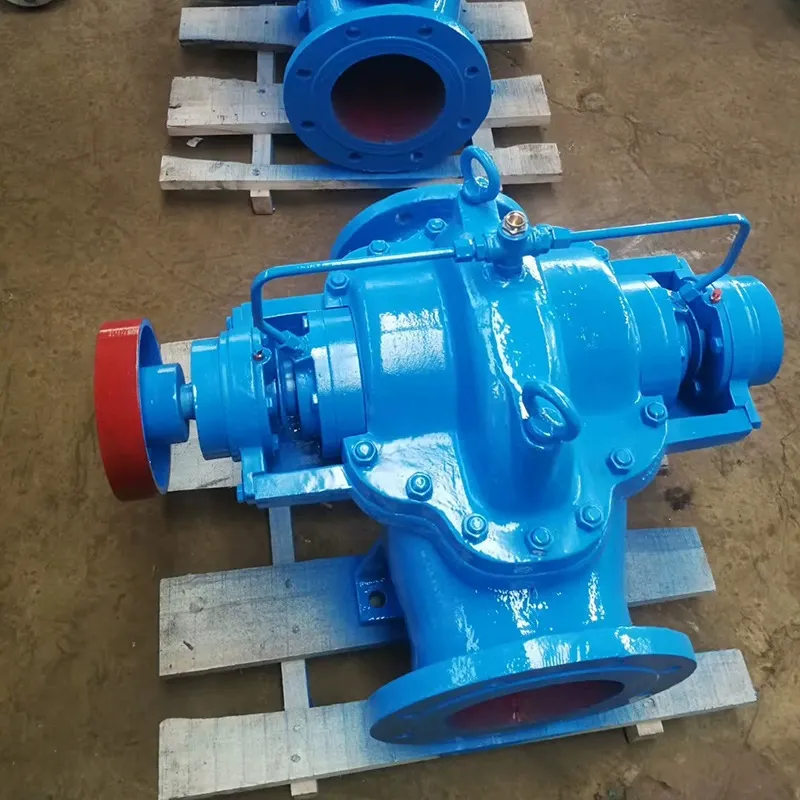
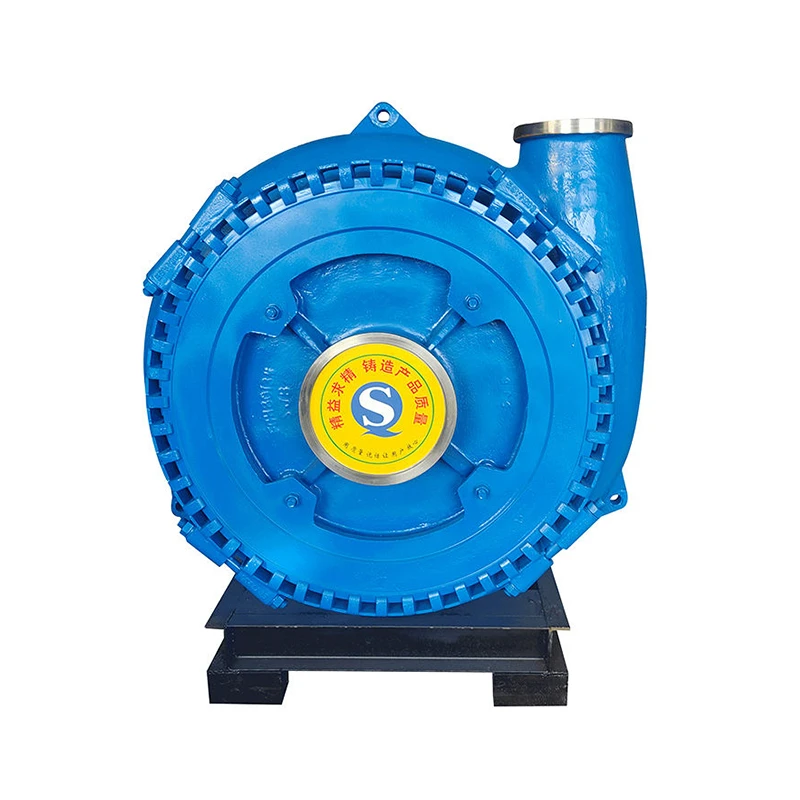
KZN slurry pumps are positive displacement pumps specifically engineered for the demanding task of transporting abrasive and highly concentrated slurries. Positioned within the industrial fluid handling chain between process generation and final deposition or processing, they represent a critical component in industries like mining, wastewater treatment, chemical processing, and dredging. Unlike centrifugal pumps which struggle with high solids content and abrasive materials, KZN pumps utilize a peristaltic pumping mechanism, creating a seal-less fluid path minimizing wear and maximizing operational uptime. Core performance characteristics include high flow rates at low speeds, consistent discharge pressure, and the ability to handle fluids with solids concentrations up to 80% by weight. The pump's modular design and robust construction contribute to its suitability for continuous and demanding industrial applications, addressing a significant pain point in industries facing high maintenance costs and frequent pump failures due to abrasion and corrosion.
Material Science & Manufacturing
The KZN slurry pump’s performance hinges on the careful selection of materials and a robust manufacturing process. The pump housing is typically constructed from high-density polyethylene (HDPE) offering excellent chemical resistance to a wide range of aggressive fluids. However, for applications involving highly corrosive media, polypropylene (PP) or even specialized elastomers like Viton are employed. The core peristaltic pumping element—the hose—is the most critical component. Common hose materials include natural rubber (NR) for general purpose slurries, EPDM for moderate chemical resistance, and Hypalon or chlorobutyl for enhanced resistance to acids, oils, and solvents. The hose’s durometer (hardness) is a critical parameter, influencing both abrasion resistance and pumping efficiency; a higher durometer provides increased abrasion resistance but can reduce volumetric efficiency. Manufacturing involves a precise molding process for the housing and a stringent quality control regime for the hose, including hydrostatic pressure testing and dimensional inspection. The hose’s wall thickness is also precisely controlled to ensure long service life and prevent premature failure. Welding procedures, when utilized for metallic components (e.g., rotor supports), adhere to AWS D1.1 standards to guarantee structural integrity. Parameter control focuses on maintaining consistent hose dimensions, minimizing voids in the HDPE housing, and ensuring precise alignment of the rotor and hose to maximize pumping efficiency and minimize stress on the hose.
Performance & Engineering
The performance of KZN slurry pumps is governed by a complex interplay of fluid dynamics, mechanical engineering principles, and material properties. Force analysis focuses on the compressive forces exerted by the rotor on the hose, which determines the hose's lifespan. Finite Element Analysis (FEA) is utilized during the design phase to optimize rotor geometry and minimize stress concentrations. Environmental resistance is critical, particularly in outdoor applications. HDPE and PP housings exhibit excellent UV resistance, but prolonged exposure can lead to degradation. Hose materials are selected based on operating temperature and chemical compatibility. Compliance requirements vary by industry. In the mining sector, pumps must adhere to MSHA standards for safety. Wastewater treatment applications require compliance with EPA regulations regarding leak prevention and materials compatibility. Functional implementation relies on the precise timing and control of the rotor's rotation. The pumping rate is directly proportional to the rotor speed and the hose’s inner diameter. The pump’s ability to self-prime is a significant advantage, eliminating the need for initial flooding and simplifying startup procedures. Cavitation is not a concern with KZN pumps due to the positive displacement action; however, excessive suction lift can lead to hose collapse and reduced performance. The pump’s discharge head is largely independent of flow rate, providing consistent pressure even with varying slurry concentrations.
Technical Specifications
| Parameter | Unit | KZN-50 | KZN-100 |
|---|---|---|---|
| Maximum Flow Rate | m³/hr | 50 | 100 |
| Maximum Discharge Pressure | bar | 6 | 4 |
| Maximum Solids Handling Size | mm | 75 | 100 |
| Maximum Solids Concentration | % by Weight | 80 | 70 |
| Hose Material (Standard) | - | Natural Rubber | EPDM |
| Power Requirement | kW | 1.5 | 3.0 |
Failure Mode & Maintenance
KZN slurry pump failures typically stem from hose degradation, rotor wear, or housing damage. Fatigue cracking of the hose is a common failure mode, particularly with abrasive slurries. The rate of cracking is influenced by hose material, slurry particle size and shape, and operating pressure. Delamination can occur if the hose material is not properly bonded to the reinforcement layers. Degradation of the hose material due to chemical attack can also lead to premature failure. Oxidation and UV exposure can embrittle the hose, reducing its flexibility and increasing the risk of cracking. Rotor wear occurs due to contact with the hose and abrasive particles. Housing damage can result from impact or corrosion. Preventive maintenance is crucial. Regular inspection of the hose for wear and tear is essential. Hose replacement should be performed based on a defined schedule or when signs of degradation are observed. Lubrication of the rotor bearings is also important to minimize wear. Periodic cleaning of the pump housing can prevent corrosion. Correct installation and alignment are critical to minimizing stress on the hose and rotor. Failure analysis should be conducted whenever a pump fails prematurely to identify the root cause and prevent recurrence. Record keeping of maintenance activities and failure data is highly recommended for optimizing pump performance and extending service life.
Industry FAQ
Q: What are the advantages of a KZN pump over a centrifugal pump when handling highly abrasive slurries?
A: Centrifugal pumps are susceptible to wear from abrasive particles, leading to decreased efficiency and frequent impeller replacements. KZN pumps, with their seal-less design and peristaltic pumping action, eliminate internal wear points and can handle slurries with significantly higher solids content without significant performance degradation. This translates to lower maintenance costs and increased uptime.
Q: How does the hose material affect the pump’s performance and lifespan?
A: Hose material dictates the pump's chemical resistance, abrasion resistance, and temperature range. Natural rubber is suitable for general-purpose applications, but EPDM, Hypalon, or chlorobutyl are necessary for more aggressive chemicals or extreme temperatures. A harder durometer hose offers greater abrasion resistance but may reduce volumetric efficiency. Proper hose selection is critical for maximizing lifespan and preventing premature failure.
Q: What is the recommended maintenance schedule for a KZN slurry pump?
A: A typical maintenance schedule includes daily visual inspection for leaks or abnormal noise, weekly check of rotor lubrication, monthly inspection of the hose for wear, and quarterly check of mounting bolts and connections. Hose replacement frequency depends on the slurry’s abrasiveness and concentration, but should be performed proactively to avoid unscheduled downtime.
Q: Can KZN pumps handle shear-sensitive fluids?
A: Yes, KZN pumps are well-suited for shear-sensitive fluids. The gentle peristaltic pumping action minimizes turbulence and reduces the risk of damaging delicate particles or biological materials. This makes them ideal for applications in the food processing, pharmaceutical, and biotechnology industries.
Q: What are the limitations of KZN slurry pumps?
A: KZN pumps generally have lower maximum discharge pressures compared to centrifugal pumps. They are also typically less efficient for low-solids, low-viscosity fluids. The hose is a wear component and will require periodic replacement, impacting lifecycle cost. Selecting the right hose material is critical to ensure compatibility with the pumped fluid and extend its lifespan.
Conclusion
KZN slurry pumps represent a robust and reliable solution for handling abrasive and concentrated slurries across a diverse range of industrial applications. Their seal-less design, coupled with careful material selection and a peristaltic pumping mechanism, minimizes wear, reduces maintenance costs, and maximizes operational uptime. The key to successful implementation lies in understanding the specific characteristics of the slurry—its abrasiveness, chemical composition, and solids concentration—and selecting the appropriate hose material and pump configuration.
Continued advancements in hose materials and pump control technologies promise to further enhance the performance and efficiency of KZN slurry pumps. Future developments may include self-monitoring systems for predicting hose wear and automated control algorithms for optimizing pumping parameters based on real-time slurry conditions. Proper maintenance and adherence to industry standards are paramount to ensuring the long-term reliability and cost-effectiveness of these vital industrial components.
-
Precision at the Pump: How Better Machining Protects Flow and Uptime
News2026-11-20
-
Why Pump Reliability Begins Before the First Drop of Fluid
News2026-11-20
-
Beyond the Pump: Designing Safer Access Around Critical Water Infrastructure
News2026-11-20
-
Why Pumping Stations Depend on the Infrastructure Beneath the Pumps
News2026-11-20
-
Beyond the Pump Room: How Smarter Loading Protects Industrial Equipment
News2026-11-19
-
When Pumps Stop: Designing More Resilient Power for Critical Pumping Systems
News2026-11-19
-
The Hidden Role of Dust and Gas Monitoring in Reliable Pump Operations
News2026-11-19
-
The Hidden Role of Mineral Compounds in Extending Industrial Pump Lifespan
News2026-10-12
-
Why Pump System Reliability Depends on Precision Hose Assembly Methods
News2026-09-15
-
How Advanced Imaging Films Are Transforming Pump Component Quality Control
News2026-08-25
-
How Advanced Filtration Protects Pump Systems from Premature Wear and Costly Downtime
News2026-08-25
-
How Steel Material Selection Drives Pump Reliability in Heavy-Duty Systems
News2026-08-25
-
Ensuring Pump System Efficiency: The Role of High-Quality Pipe Fittings and Tubing
News2026-08-24
-
Optimizing Fluid Dynamics and Material Consistency in Industrial Processing
News2026-08-18
-
Innovations and Challenges in Hydraulic Systems for Heavy Machinery
News2026-08-13




