English
- Afrikaans
- Albanian
- Amharic
- Arabic
- Armenian
- Azerbaijani
- Basque
- Belarusian
- Bengali
- Bosnian
- Bulgarian
- Catalan
- Cebuano
- Corsican
- Croatian
- Czech
- Danish
- Dutch
- English
- Esperanto
- Estonian
- Finnish
- French
- Frisian
- Galician
- Georgian
- German
- Greek
- Gujarati
- Haitian Creole
- hausa
- hawaiian
- Hebrew
- Hindi
- Miao
- Hungarian
- Icelandic
- igbo
- Indonesian
- irish
- Italian
- Japanese
- Javanese
- Kannada
- kazakh
- Khmer
- Rwandese
- Korean
- Kurdish
- Kyrgyz
- Lao
- Latin
- Latvian
- Lithuanian
- Luxembourgish
- Macedonian
- Malgashi
- Malay
- Malayalam
- Maltese
- Maori
- Marathi
- Mongolian
- Myanmar
- Nepali
- Norwegian
- Norwegian
- Occitan
- Pashto
- Persian
- Polish
- Portuguese
- Punjabi
- Romanian
- Russian
- Samoan
- Scottish Gaelic
- Serbian
- Sesotho
- Shona
- Sindhi
- Sinhala
- Slovak
- Slovenian
- Somali
- Spanish
- Sundanese
- Swahili
- Swedish
- Tagalog
- Tajik
- Tamil
- Tatar
- Telugu
- Thai
- Turkish
- Turkmen
- Ukrainian
- Urdu
- Uighur
- Uzbek
- Vietnamese
- Welsh
- Bantu
- Yiddish
- Yoruba
- Zulu

Telephone: +86 13120555503
Email: frank@cypump.com


Apr . 01, 2024 17:55 Back to list
interchangeable slurry pump suppliers for reliable performance Technical Analysis
Introduction
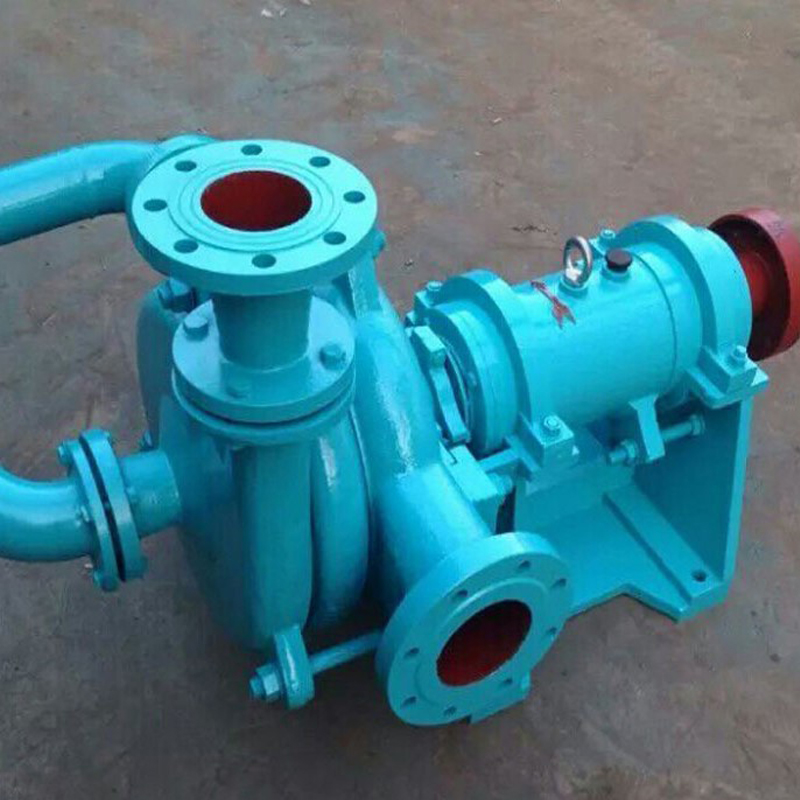
Interchangeable slurry pumps represent a critical component in numerous industrial processes, primarily those involving the transport of abrasive or corrosive fluids. These pumps, distinguished by their ability to utilize standardized componentry across different pump bodies, offer significant advantages in maintenance, inventory management, and operational cost reduction. Their technical position within the fluid handling industry chain is as a robust, high-reliability solution for applications where downtime is costly and process continuity is paramount. Slurry pumps are fundamentally centrifugal pumps adapted for high-solids content, utilizing specialized impeller designs and materials to resist wear and erosion. Core performance characteristics are defined by flow rate (typically measured in gallons per minute or cubic meters per hour), head (the height to which the pump can lift the slurry, measured in feet or meters), and solids handling capability (the maximum particle size and concentration the pump can effectively transport). The increased adoption of standardized interchangeable parts directly addresses the significant pain points of long lead times for replacement parts, specialized inventory requirements, and the need for highly trained technicians for each pump model. This guide will provide an in-depth technical analysis of interchangeable slurry pump systems, covering material science, manufacturing processes, performance engineering, failure modes, and relevant industry standards.
Material Science & Manufacturing
The selection of materials for slurry pump components is dictated by the properties of the slurry being handled. Common materials include high-chrome cast iron (for abrasive slurries, offering excellent wear resistance), stainless steel (for corrosive slurries, providing chemical inertness), and specialized alloys like duplex stainless steel and Hastelloy (for highly corrosive and abrasive combinations). The impeller, volute casing, and liner are particularly susceptible to wear and corrosion. Manufacturing processes vary depending on the component and material. Impellers are typically investment cast or produced using centrifugal casting to achieve complex geometries and high density. Volute casings are often manufactured via sand casting, shell molding, or, for smaller pumps, utilizing investment casting or even 3D printing. Liners, providing a sacrificial wear layer, are often rubber or polyurethane, applied through molding or bonding processes. Critical parameter control during manufacturing includes dimensional accuracy (to maintain tight clearances and prevent cavitation), surface finish (to minimize friction and enhance wear resistance), and heat treatment (to optimize material hardness and toughness). Welding processes, when employed for repairs or fabrication, must adhere to stringent standards (e.g., ASME Section IX) to ensure weld integrity and prevent cracking. Material hardness, measured by Rockwell C or Vickers hardness scales, is a crucial indicator of wear resistance. Chemical composition verification, using techniques like X-ray fluorescence (XRF), is essential to confirm alloy compliance. Furthermore, understanding the slurry's pH and temperature is critical when selecting appropriate gasket and seal materials, such as Viton, EPDM, or PTFE, to prevent chemical degradation and leakage.
Performance & Engineering
Slurry pump performance is governed by the principles of fluid dynamics and mechanical engineering. Force analysis considers centrifugal force, hydraulic thrust, and radial loads imposed by the slurry. Impeller design—including vane angle, blade thickness, and impeller diameter—directly influences flow rate, head, and efficiency. Environmental resistance is crucial, particularly in outdoor installations or harsh environments. This includes protection against temperature extremes, humidity, and potential exposure to corrosive atmospheres. Pump housings are often coated with epoxy or polyurethane to enhance corrosion protection. Compliance requirements vary depending on the application and geographic location. For example, pumps used in mining applications may need to comply with MSHA (Mine Safety and Health Administration) standards. Pumps handling food-grade materials must meet FDA (Food and Drug Administration) regulations. Electrical components must be certified for use in hazardous locations (e.g., ATEX or IECEx). Functional implementation necessitates careful consideration of system head loss, slurry density, and viscosity. Pump curves, generated through hydraulic testing, are essential for selecting the appropriate pump size and operating point. Net Positive Suction Head Required (NPSHr) must be carefully calculated and maintained to prevent cavitation, which can cause impeller damage and reduced pump performance. Variable Frequency Drives (VFDs) are increasingly used to control pump speed and flow rate, optimizing energy consumption and process control.
Technical Specifications
| Parameter | Unit | Typical Range (Small Pump) | Typical Range (Large Pump) |
|---|---|---|---|
| Flow Rate | GPM (US) | 50-200 | 500-2000 |
| Head | ft | 20-80 | 100-300 |
| Solids Handling Size | in | 0.5-2 | 2-6 |
| Slurry Concentration | % by weight | 10-30 | 30-70 |
| Pump Material (Casing) | - | High Chrome Iron | Duplex Stainless Steel |
| Pump Material (Impeller) | - | High Chrome Iron | High Chrome Iron/Rubber lined |
Failure Mode & Maintenance
Slurry pump failures are typically categorized by wear mechanisms and operational issues. Fatigue cracking, particularly in the impeller and volute casing, can occur due to cyclic loading and stress concentrations. Erosion, caused by the impact of abrasive particles, leads to material loss and dimensional changes. Corrosion, driven by chemical reactions between the slurry and pump materials, weakens components and promotes leakage. Cavitation, resulting from low NPSH, creates localized high pressures that damage the impeller. Shaft misalignment and bearing failure contribute to vibration and premature wear. Regular maintenance is critical to prevent these failures. Preventive maintenance includes visual inspections for wear and corrosion, lubrication of bearings, tightening of bolts, and replacement of wear liners. Predictive maintenance utilizes techniques like vibration analysis and oil analysis to detect early signs of failure. Failure analysis, conducted after a pump failure, involves examining the failed components to determine the root cause and implement corrective actions. Impeller balancing is crucial to minimize vibration. Seal replacement should be performed according to manufacturer recommendations. Proper slurry preparation, including screening and classification, can reduce abrasive wear. Monitoring pump performance parameters (flow rate, head, power consumption) can help identify deviations from normal operation and indicate potential problems.
Industry FAQ
Q: What is the primary advantage of using interchangeable slurry pump components versus proprietary designs?
A: The primary advantage is reduced inventory costs and faster turnaround times for repairs. With interchangeable components, you don't need to stock a full range of parts for every pump model. A single set of standardized components can be used across multiple pump bodies, simplifying logistics and minimizing downtime. It also fosters competition among suppliers, potentially leading to lower component prices.
Q: How does the slurry's composition impact the selection of pump materials?
A: The slurry’s composition is the most critical factor. High abrasive content necessitates wear-resistant materials like high-chrome cast iron or ceramic. Corrosive slurries demand chemically inert materials like stainless steel or specialized alloys. The slurry's pH, temperature, and particle size distribution also influence material selection. A thorough slurry analysis is essential before specifying pump materials.
Q: What are the key considerations when preventing cavitation in a slurry pump?
A: Ensuring adequate Net Positive Suction Head Available (NPSHa) is paramount. This involves optimizing suction line design, minimizing suction lift, and controlling slurry temperature. Proper impeller design and pump speed also play a role. Regularly inspecting the impeller for signs of cavitation damage is crucial.
Q: What maintenance procedures are most effective in extending the lifespan of a slurry pump?
A: Implementing a robust preventive maintenance schedule is key. This includes regular lubrication, inspection of wear liners, seal replacement, and impeller balancing. Vibration analysis and oil analysis can provide early warnings of potential failures. Proper slurry management, such as screening and classification, can also significantly reduce wear.
Q: How do VFDs contribute to the efficiency and longevity of slurry pump systems?
A: VFDs allow for precise control of pump speed and flow rate, optimizing energy consumption and reducing mechanical stress. By matching pump output to process demands, VFDs minimize wear and tear on pump components and extend overall system lifespan. They also provide soft starting and stopping, reducing hydraulic shock.
Conclusion
Interchangeable slurry pumps represent a significant advancement in fluid handling technology, offering substantial benefits in terms of cost savings, maintenance efficiency, and operational reliability. The successful implementation of these systems, however, hinges on a thorough understanding of material science, manufacturing processes, and performance engineering principles. Selecting the appropriate materials for the slurry being handled, maintaining strict quality control during manufacturing, and implementing a comprehensive maintenance program are critical for maximizing pump lifespan and minimizing downtime.
Looking ahead, the trend towards increased automation and data analytics will further enhance the performance and reliability of slurry pump systems. Real-time monitoring of pump parameters, coupled with predictive maintenance algorithms, will enable proactive interventions and prevent catastrophic failures. The continued development of new materials and pump designs will address the challenges posed by increasingly abrasive and corrosive slurries, ensuring the continued effectiveness of these vital industrial components.
-
Precision at the Pump: How Better Machining Protects Flow and Uptime
News2026-11-20
-
Why Pump Reliability Begins Before the First Drop of Fluid
News2026-11-20
-
Beyond the Pump: Designing Safer Access Around Critical Water Infrastructure
News2026-11-20
-
Why Pumping Stations Depend on the Infrastructure Beneath the Pumps
News2026-11-20
-
Beyond the Pump Room: How Smarter Loading Protects Industrial Equipment
News2026-11-19
-
When Pumps Stop: Designing More Resilient Power for Critical Pumping Systems
News2026-11-19
-
The Hidden Role of Dust and Gas Monitoring in Reliable Pump Operations
News2026-11-19
-
The Hidden Role of Mineral Compounds in Extending Industrial Pump Lifespan
News2026-10-12
-
Why Pump System Reliability Depends on Precision Hose Assembly Methods
News2026-09-15
-
How Advanced Imaging Films Are Transforming Pump Component Quality Control
News2026-08-25
-
How Advanced Filtration Protects Pump Systems from Premature Wear and Costly Downtime
News2026-08-25
-
How Steel Material Selection Drives Pump Reliability in Heavy-Duty Systems
News2026-08-25
-
Ensuring Pump System Efficiency: The Role of High-Quality Pipe Fittings and Tubing
News2026-08-24
-
Optimizing Fluid Dynamics and Material Consistency in Industrial Processing
News2026-08-18
-
Innovations and Challenges in Hydraulic Systems for Heavy Machinery
News2026-08-13




