English
- Afrikaans
- Albanian
- Amharic
- Arabic
- Armenian
- Azerbaijani
- Basque
- Belarusian
- Bengali
- Bosnian
- Bulgarian
- Catalan
- Cebuano
- Corsican
- Croatian
- Czech
- Danish
- Dutch
- English
- Esperanto
- Estonian
- Finnish
- French
- Frisian
- Galician
- Georgian
- German
- Greek
- Gujarati
- Haitian Creole
- hausa
- hawaiian
- Hebrew
- Hindi
- Miao
- Hungarian
- Icelandic
- igbo
- Indonesian
- irish
- Italian
- Japanese
- Javanese
- Kannada
- kazakh
- Khmer
- Rwandese
- Korean
- Kurdish
- Kyrgyz
- Lao
- Latin
- Latvian
- Lithuanian
- Luxembourgish
- Macedonian
- Malgashi
- Malay
- Malayalam
- Maltese
- Maori
- Marathi
- Mongolian
- Myanmar
- Nepali
- Norwegian
- Norwegian
- Occitan
- Pashto
- Persian
- Polish
- Portuguese
- Punjabi
- Romanian
- Russian
- Samoan
- Scottish Gaelic
- Serbian
- Sesotho
- Shona
- Sindhi
- Sinhala
- Slovak
- Slovenian
- Somali
- Spanish
- Sundanese
- Swahili
- Swedish
- Tagalog
- Tajik
- Tamil
- Tatar
- Telugu
- Thai
- Turkish
- Turkmen
- Ukrainian
- Urdu
- Uighur
- Uzbek
- Vietnamese
- Welsh
- Bantu
- Yiddish
- Yoruba
- Zulu

Telephone: +86 13120555503
Email: frank@cypump.com


Apr . 01, 2024 17:55 Back to list
innovative submersible slurry pumps featuring agitator Performance Engineering
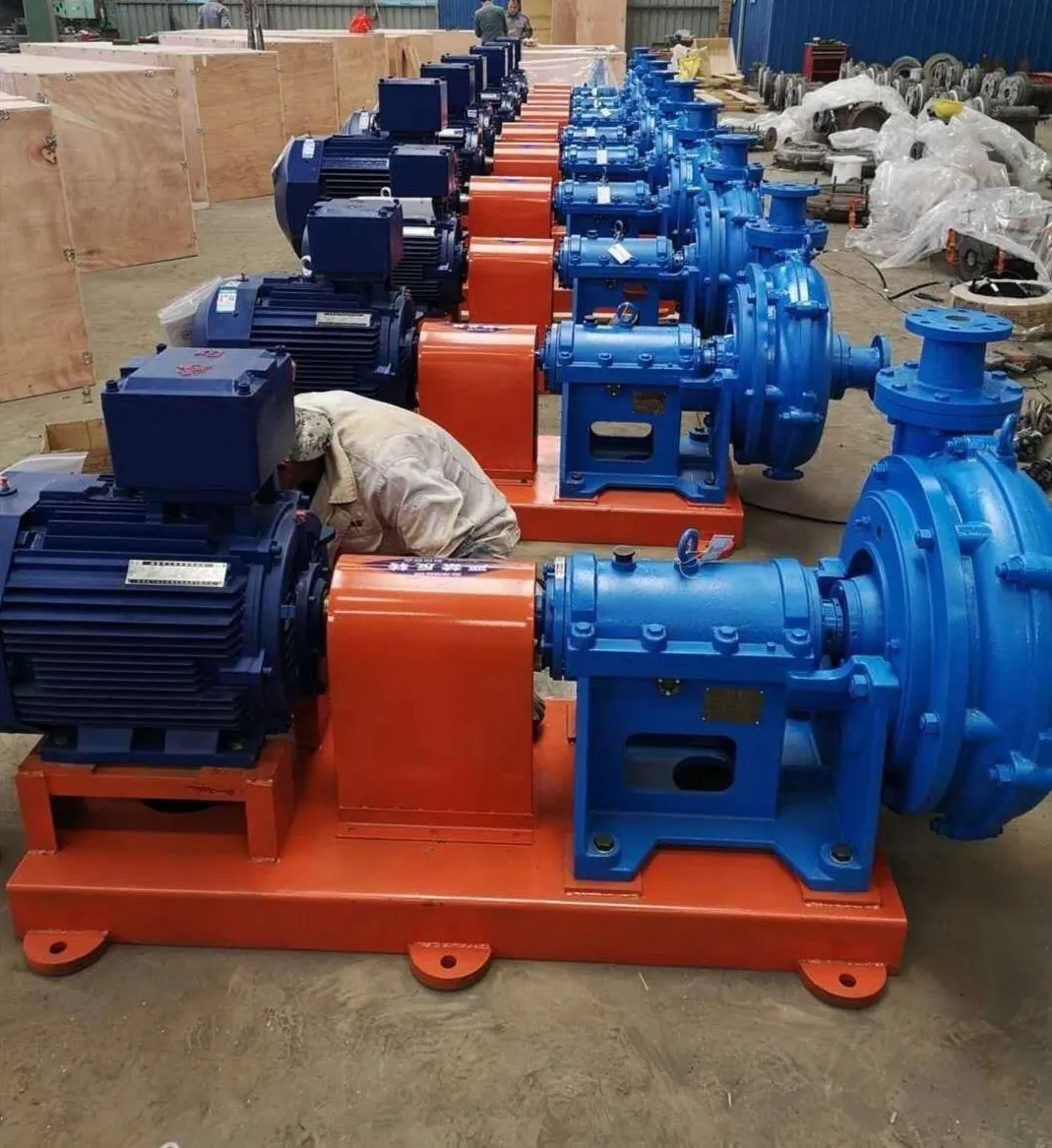
Introduction
Submersible slurry pumps with agitators are engineered solutions for the challenging task of transporting abrasive and dense fluids in industries such as mining, wastewater treatment, construction, and chemical processing. Unlike conventional pumps that rely on gravity or suction, submersible pumps are designed to operate entirely submerged within the fluid, eliminating the need for priming and minimizing the risk of cavitation. The integrated agitator component is crucial for preventing solids settlement and maintaining a homogenous mixture, ensuring continuous and efficient pumping even with highly concentrated slurries. These pumps represent a significant advancement over traditional methods, offering increased reliability, reduced maintenance, and improved overall system efficiency. Their technical position within the industrial chain centers around fluid handling as a critical process step, often dictating the overall productivity and operational cost of larger systems. Core performance characteristics include flow rate, head pressure, solids handling capability, and the longevity of wetted components when exposed to abrasive media.
Material Science & Manufacturing
The construction of innovative submersible slurry pumps featuring agitators necessitates a careful selection of materials resistant to abrasion, corrosion, and impact. Pump casings are commonly fabricated from high-chrome cast iron (typically with 26-28% chromium content) offering exceptional hardness and wear resistance against abrasive particles. Impellers, the primary components responsible for generating fluid flow, are similarly constructed from high-chrome iron or utilize specialized polymer composites for lighter-duty applications. Agitator blades employ similar materials to ensure prolonged lifespan. Shaft materials are critically important and are often constructed from high-strength alloy steels like 4140 or 4340, undergoing heat treatment for increased tensile strength and torsional resistance. Seals are typically mechanical seals comprised of silicon carbide faces rotating against tungsten carbide stators, providing a robust barrier against slurry leakage and ingress. Manufacturing processes involve several key steps: casting of the pump housing and impeller, precision machining of wetted components, welding of shaft assemblies (requiring stringent quality control to ensure weld integrity), and rubber lining of casing interiors for enhanced corrosion protection. Parameter control is essential throughout, especially regarding hardness testing of cast iron components (typically 58-62 HRC), dimensional accuracy of impellers (to ensure hydraulic efficiency), and weld penetration depth for structural reliability. Electrodeposition coating using epoxy or polyurethane is often applied to external surfaces for corrosion resistance.
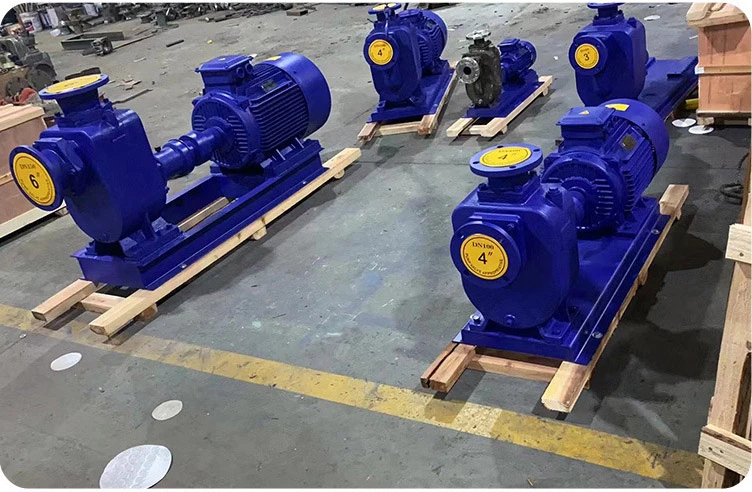
Performance & Engineering
Performance analysis of submersible slurry pumps centers around hydraulic efficiency, solids handling capacity, and reliability under continuous operation. Force analysis must consider the hydrodynamic forces exerted on the impeller and agitator, the static and dynamic loads on the shaft and bearings, and the pressure differentials within the pump casing. Environmental resistance is a key consideration, requiring pumps to withstand varying fluid temperatures, pH levels, and the presence of corrosive agents. Compliance requirements depend on the application, including adherence to standards for electrical safety (IEC Ex, ATEX for hazardous environments), pump performance (ISO 9906), and materials traceability. Functional implementation relies on a robust motor-pump integration, with the motor typically enclosed in a hermetically sealed compartment filled with oil for cooling and lubrication. The agitator’s performance is dictated by its blade pitch, rotational speed, and positioning within the pump casing; optimal design ensures effective solids suspension without excessive energy consumption. Cavitation, a primary concern in pumping applications, is mitigated through careful impeller design and maintenance of adequate submergence depth. Pump selection requires a thorough understanding of slurry characteristics, including solids concentration, particle size distribution, specific gravity, and flow rate requirements. Bearing selection impacts pump life; commonly used bearing types include deep-groove ball bearings and tapered roller bearings, lubricated with grease or oil depending on load and speed.
Technical Specifications
| Parameter | Unit | Typical Range (Small Pump) | Typical Range (Large Pump) |
|---|---|---|---|
| Flow Rate | m³/hr | 5 – 50 | 100 – 500 |
| Head (Discharge Pressure) | m | 10 – 30 | 40 – 100 |
| Motor Power | kW | 1.5 – 7.5 | 15 – 75 |
| Maximum Solids Size | mm | 10 – 25 | 50 – 100 |
| Slurry Concentration (Max) | % by weight | 20 – 40 | 50 – 70 |
| Impeller Material | - | High Chrome Iron | High Chrome Iron/Polymer Composite |
Failure Mode & Maintenance
Submersible slurry pumps, despite their robust design, are susceptible to failure modes related to abrasive wear, corrosion, and mechanical stress. Fatigue cracking can occur in the impeller and agitator blades due to cyclic loading, particularly when handling highly abrasive slurries. Delamination of rubber lining within the pump casing leads to accelerated corrosion of the underlying metal. Degradation of mechanical seals results in slurry leakage and potential motor failure. Oxidation of shaft components, particularly in corrosive environments, reduces their strength and increases the risk of fracture. Abrasive wear is the most common failure mode, leading to impeller erosion and reduced pump performance. Preventative maintenance is crucial and includes regular inspection of mechanical seals, bearing lubrication, and visual assessment of impeller and agitator wear. Scheduled replacement of wear components, such as impellers and rubber lining, minimizes downtime and extends pump life. Oil analysis within the motor compartment can detect contamination and degradation, indicating potential motor issues. Failure analysis should involve metallurgical examination of failed components to identify the root cause of failure and implement corrective actions. Routine monitoring of pump vibration can detect bearing wear and misalignment before catastrophic failure occurs. Proper slurry pre-treatment, such as screening to remove large solids, can significantly reduce abrasive wear.
Industry FAQ
Q: What is the primary advantage of a submersible pump with an agitator over a traditional surface-mounted pump for slurry applications?
A: The primary advantage is eliminating the need for priming and reducing the risk of cavitation. Submersible pumps operate directly within the slurry, removing suction lift limitations. The agitator ensures solids remain in suspension, preventing settling and maintaining consistent pumping performance, something surface pumps struggle with when handling settling slurries.
Q: How do you select the appropriate agitator design for a specific slurry application?
A: Agitator design depends on slurry viscosity, solids concentration, and particle size. Higher viscosity slurries require lower rotational speeds and larger blade pitch. High solids concentration applications benefit from designs that create stronger shear forces to prevent settling. Computational Fluid Dynamics (CFD) modeling is often used to optimize agitator performance.
Q: What materials are best suited for pump components handling highly corrosive slurries?
A: For highly corrosive slurries, duplex stainless steels, super-duplex stainless steels, and specialized polymer coatings are recommended. The specific material selection depends on the type of corrosive agent (acid, alkali, chlorides). Rubber linings are also effective in providing a barrier against corrosion.
Q: What are the key considerations for electrical safety when deploying submersible slurry pumps?
A: Electrical safety is paramount. Pumps must be appropriately grounded and equipped with overcurrent protection. Cable entry points require robust sealing to prevent water ingress. Hazardous area classifications (ATEX, IEC Ex) must be considered, and pumps certified for the specific zone are required. Regular inspection of cable insulation is vital.
Q: How does abrasive wear impact pump performance, and what strategies can be employed to mitigate it?
A: Abrasive wear reduces impeller efficiency, decreases flow rate and head, and ultimately leads to pump failure. Mitigation strategies include using wear-resistant materials (high-chrome iron, ceramic coatings), minimizing slurry velocity, implementing slurry pre-treatment (screening, desanding), and scheduling regular replacement of wear components.
Conclusion
Innovative submersible slurry pumps featuring agitators represent a sophisticated and reliable solution for handling abrasive and dense fluids across a diverse range of industries. Their inherent design advantages – elimination of priming issues, prevention of solids settling, and simplified installation – translate to improved operational efficiency and reduced lifecycle costs. The selection of appropriate materials, coupled with diligent preventative maintenance, is crucial for maximizing pump lifespan and ensuring consistent performance in challenging applications.
Future advancements in this technology will likely focus on further optimizing impeller and agitator designs using computational modeling, incorporating smart sensors for predictive maintenance, and developing more durable and corrosion-resistant materials. The integration of variable frequency drives (VFDs) will enable precise flow control and energy optimization, further enhancing the overall value proposition of these pumps. As industries increasingly prioritize sustainability and operational efficiency, the demand for advanced slurry pumping solutions will continue to grow.
-
Precision at the Pump: How Better Machining Protects Flow and Uptime
News2026-11-20
-
Why Pump Reliability Begins Before the First Drop of Fluid
News2026-11-20
-
Beyond the Pump: Designing Safer Access Around Critical Water Infrastructure
News2026-11-20
-
Why Pumping Stations Depend on the Infrastructure Beneath the Pumps
News2026-11-20
-
Beyond the Pump Room: How Smarter Loading Protects Industrial Equipment
News2026-11-19
-
When Pumps Stop: Designing More Resilient Power for Critical Pumping Systems
News2026-11-19
-
The Hidden Role of Dust and Gas Monitoring in Reliable Pump Operations
News2026-11-19
-
The Hidden Role of Mineral Compounds in Extending Industrial Pump Lifespan
News2026-10-12
-
Why Pump System Reliability Depends on Precision Hose Assembly Methods
News2026-09-15
-
How Advanced Imaging Films Are Transforming Pump Component Quality Control
News2026-08-25
-
How Advanced Filtration Protects Pump Systems from Premature Wear and Costly Downtime
News2026-08-25
-
How Steel Material Selection Drives Pump Reliability in Heavy-Duty Systems
News2026-08-25
-
Ensuring Pump System Efficiency: The Role of High-Quality Pipe Fittings and Tubing
News2026-08-24
-
Optimizing Fluid Dynamics and Material Consistency in Industrial Processing
News2026-08-18
-
Innovations and Challenges in Hydraulic Systems for Heavy Machinery
News2026-08-13




