


The hydraulic rotator for excavator plays a pivotal role in enhancing the efficiency and versatility of earthmoving equipment, yet many industry professionals face challenges in optimizing these components for diverse applications.
Current Trends in Hydraulic Technology
Hydraulic systems in construction, mining, and agricultural machinery have evolved to meet increasing demands for precision, power, and durability. Advances in materials science and manufacturing have led to components that deliver higher torque with lower energy consumption, addressing the industry’s push towards sustainability and cost-efficiency.
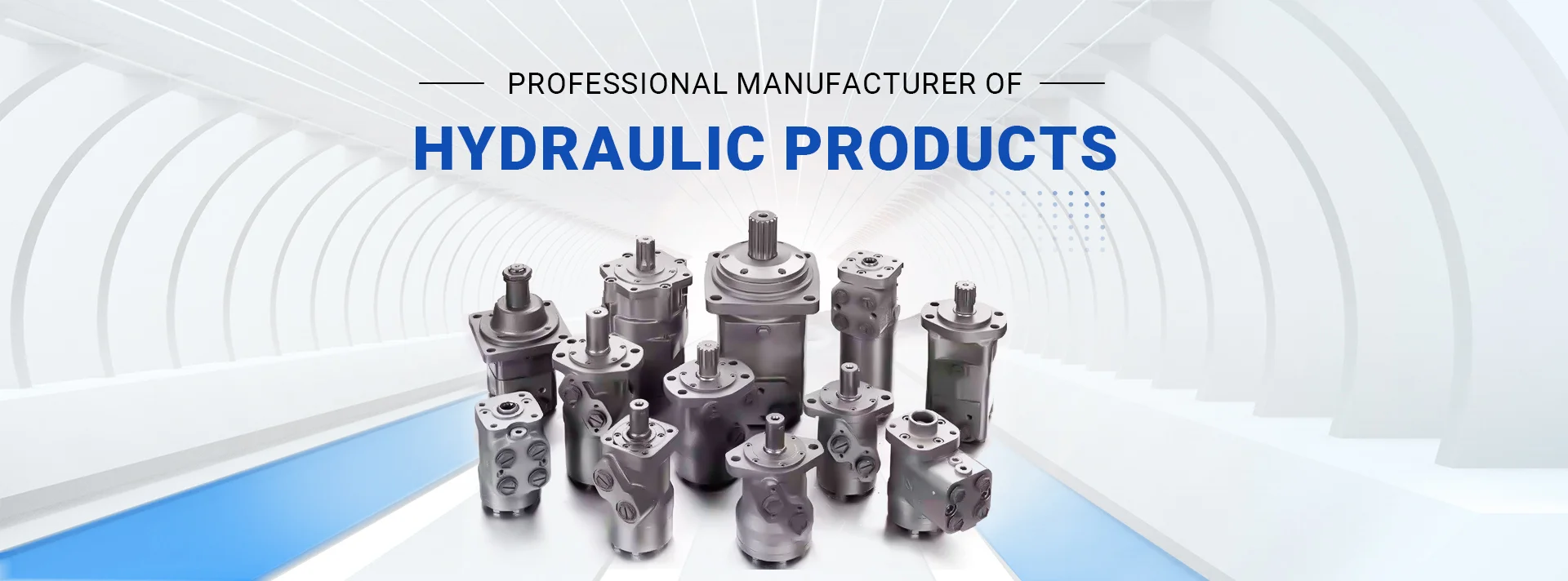
Among these components, hydraulic motors and rotators are essential for enabling complex movements and rotations in heavy equipment. The integration of low-speed, high-torque orbital hydraulic motors has improved the performance and lifespan of machinery under harsh operating conditions.
Addressing Industry Pain Points
Despite technological progress, challenges persist such as maintaining system reliability in extreme environments and ensuring compatibility across various machinery types. Operators often encounter downtime due to component failure or inefficient hydraulic flow, which directly impacts project timelines and operational costs.
Additionally, the need for customized hydraulic solutions tailored to specific applications remains high. This requires manufacturers and suppliers to offer flexible designs and technical support that align with evolving industry requirements.
The Role of Precision Components in System Efficiency
Central to overcoming these challenges are components like the rigid hydraulic rotator, which offers enhanced stability and torque transmission. Its robust construction supports demanding applications in construction machinery and forestry equipment, where precise rotational control is critical.
The adoption of such components contributes to reduced energy consumption and extended equipment life, which are vital for cost-effective and sustainable operations. Furthermore, advancements in manufacturing processes ensure these parts meet stringent quality standards necessary for global markets.
Global Collaboration and Supply Chain Dynamics
The hydraulic industry’s supply chain spans continents, with manufacturers in regions like Hebei, China, playing an integral role in delivering core components worldwide. This global network supports a variety of sectors including construction, mining, agriculture, and fishery machinery.
Efficient cooperation between manufacturers and international clients ensures that hydraulic systems are tailored to meet specific operational needs while adhering to quality and environmental standards. Such partnerships foster innovation and continuous improvement within the hydraulic components market.
As the demand for reliable, high-performance hydraulic solutions grows, the collaboration between technology providers and end-users will remain crucial in addressing both current and future challenges in heavy machinery operations.




